
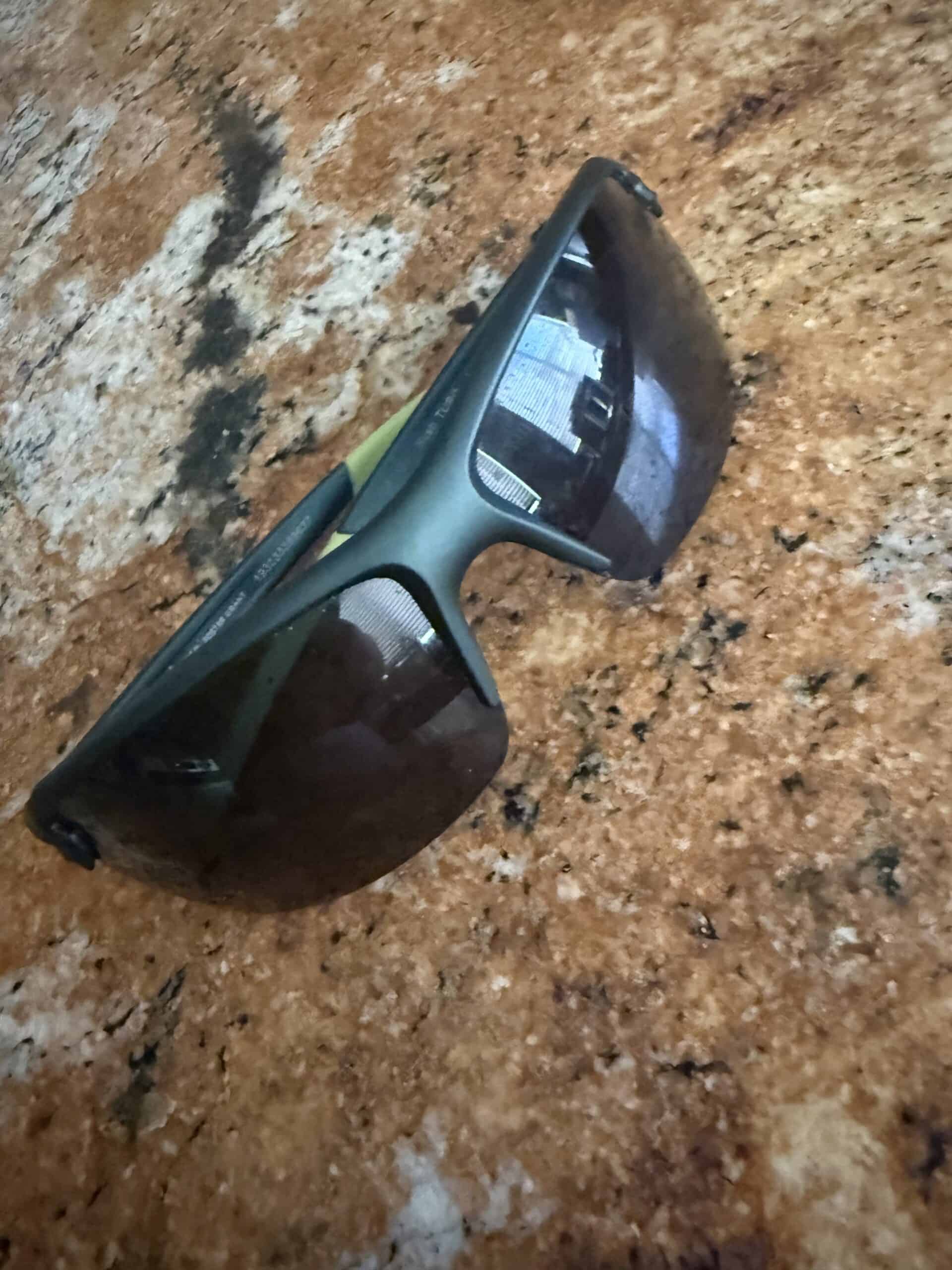
Light sensitivity is one of the most recognizable parts of migraine, and it has produced a confusing product category. Tinted lenses, blue light filters, screen overlays, sunglasses that are somehow different from sunglasses. The distinctions are real but they are badly explained, and the result is people buying the wrong thing for the right problem.
Important
This is general information, not medical advice. I get migraines, which is why this site exists, and it does not qualify me to tell you what your light sensitivity means. New or changing visual symptoms are worth taking to a doctor rather than a shop.
Key Takeaways
- Photophobia during an attack and daily sensitivity are different problems.
- Tinted migraine lenses and dark sunglasses do different jobs.
- Wearing dark lenses indoors constantly can make sensitivity worse.
- Screens may be a flicker problem rather than a brightness one.
- Fixing the light source beats filtering it at your eyes.
Which Problem Are You Solving
Two situations get treated as one and they are not.
Photophobia during an attack is acute. Light hurts, you want a dark room, and this is a symptom of something already happening. That is not really a glasses problem, it is a manage-the-attack problem, and stopping a migraine fast is the relevant read.
Everyday light sensitivity is different. Fluorescent office lighting, screens, bright days, and the sense that certain light is winding you toward an attack. That is where this category has a plausible role, because you are trying to reduce an ongoing input rather than treat an event.
Being clear about which you have decides what to buy, and buying attack gear for a daily problem or vice versa is the most common mistake here.
Tinted Lenses Versus Dark Sunglasses
The central distinction and the one the category obscures.
Migraine-specific lenses use a tint aimed at filtering particular wavelengths rather than simply reducing overall brightness. The idea is selectivity: cut the parts of the spectrum implicated in triggering, leave the rest, so you can wear them indoors without walking around in the dark. Migraine glasses covers the category and TheraSpecs the best known example.
Dark sunglasses reduce everything. That is right outdoors, where the problem is quantity of light, and it is the wrong tool indoors. Dark sunglasses covers that side, and migraine glasses vs regular sunglasses is the direct comparison worth reading before spending.
The rule that falls out: outdoors is a sunglasses job, indoors is a tint job, and using sunglasses indoors is where people get into trouble.
The Dark Adaptation Problem
The most important thing on this page and the least intuitive.
Wearing dark lenses indoors all the time can increase light sensitivity rather than reduce it. Your visual system adapts to the reduced input, which means ordinary light starts to feel like too much, which makes you reach for the glasses more, which adapts you further.
That is a loop worth knowing about before you build a habit around it, and it is the reason the selective-tint approach exists at all. A lens designed to be worn indoors is trying to cut a specific problem without dropping overall light enough to trigger adaptation.
Practically: outdoors, dark lenses are fine and appropriate. Indoors, reaching for sunglasses as a daily strategy is worth discussing with a doctor rather than adopting on your own, because the trajectory it puts you on is not obvious from inside it.
Screens Are Often a Different Problem
Worth separating, because screen discomfort and light sensitivity get merged.
Screens can be too bright, and they can also flicker, refresh, and produce contrast in ways that are more about the display than the brightness. Filtering at your eyes addresses one of those and not the others.
Which is why anti-glare screen filters and adjusting the display itself often do more than glasses for a screen problem specifically. Screen time and migraines covers the relationship, and a migraine-friendly workspace covers the whole environment, which is usually where the answer is.
Blue light blocking is a related and separate claim, mostly studied around sleep rather than migraine. Our sister site covers blue light glasses for sleep, which is the context that evidence actually sits in.
Fix the Light Before You Filter It
The step people skip because it is not a purchase.
If fluorescent office lighting is the problem, filtering it at your eyes is treating a source problem at the wrong end. Changing the bulbs, moving the desk, using lamps instead of overheads, or getting a window between you and the ceiling does more and costs nothing to try.
Same at home. Blackout curtains address light at the window, window film at the glass, and night lights the problem of needing some light without needing all of it.
Glasses are portable, which is their genuine advantage. You cannot re-lamp an entire office or a supermarket. For environments you control, controlling them is the better answer, and glasses are for the ones you do not.
What About Light Therapy
Adjacent category, opposite direction, and worth not confusing with the above.
Filtering is about removing light. Light therapy is about adding a specific kind deliberately, which is a different proposition with its own evidence question. Green light therapy and red versus green light cover it, and whether red light therapy is safe is the question to answer first.
These are not substitutes for each other and buying both because both are light-related is a category error. One reduces an input you find aversive; the other adds one on purpose.
A Sensible Order
Work out whether your problem is acute photophobia or daily sensitivity, because they lead different places.
If it is daily: fix the light sources you control first, since that is free and more effective than filtering. Address screens as a screen problem rather than a light problem. Then, for the environments you cannot change, consider a selective tint rather than sunglasses, and raise it with a doctor if you find yourself wanting dark lenses indoors regularly.
Outdoors, ordinary good sunglasses are appropriate and always have been.
The American Migraine Foundation covers photophobia without a product to sell, which makes it a better starting point than any page including this one.
Recommended Reading
See migraine glasses vs regular sunglasses, screen time and migraines, and a migraine-friendly workspace, and cooling eye masks for migraine, and eye drops for screen eye strain, and kitchen lighting for migraine sufferers, and migraine eye masks, and migraine friendly lighting for home offices, and monitor light bars for eye strain, and red light therapy devices for migraine, and red light therapy masks help migraines, and how often should you use red light therapy for migraines, and using red light therapy for migraines.
Migraine Glasses FAQ
What is the difference between migraine glasses and sunglasses?
Migraine lenses filter particular wavelengths selectively, so they can be worn indoors without putting you in the dark. Sunglasses reduce everything, which is right outdoors and wrong indoors. Outdoors is a sunglasses job; indoors is a tint job.
Can I just wear sunglasses indoors?
It is the most common mistake here. Dark lenses indoors can increase sensitivity over time, because your visual system adapts to less light and then ordinary light feels like too much. That loop is worth knowing about before you build a habit on it, and worth raising with a doctor if you already have.
Do migraine glasses work?
The selective-tint approach is aimed at a real mechanism, and how much it helps varies a lot between people. They are most plausible for daily sensitivity in environments you cannot change, and least useful during an attack, which is a dark room problem rather than a glasses problem.
Will glasses help with screen headaches?
Partly, and often the screen is the better target. Displays flicker and produce contrast in ways that are not just brightness, so adjusting the display or using an anti-glare filter frequently does more than filtering at your eyes.
Are blue light glasses the same thing?
No. Blue light blocking is a related claim studied mostly around sleep rather than migraine. It is a different product aimed at a different outcome, and the evidence sits in a sleep context.
What should I do before buying anything?
Fix the light you control. Change bulbs, use lamps instead of overheads, move the desk, curtain the window. That costs nothing and addresses the source rather than filtering it at the far end. Glasses are for environments you cannot change, which is their real advantage.
Is light therapy the same as light filtering?
Opposite, actually. Filtering removes an input you find aversive. Light therapy adds a specific one on purpose. They are not substitutes and buying both because both involve light is a category error.
When should I see a doctor about light sensitivity?
If it is new, worsening, or comes with visual changes you have not had before. Sudden or unfamiliar visual symptoms deserve medical attention rather than a purchase, and persistent photophobia is worth assessing properly rather than managing around indefinitely.
Sources
- American Migraine Foundation. Migraine resource library.
- Mayo Clinic. Headache: Symptoms and Causes.
