
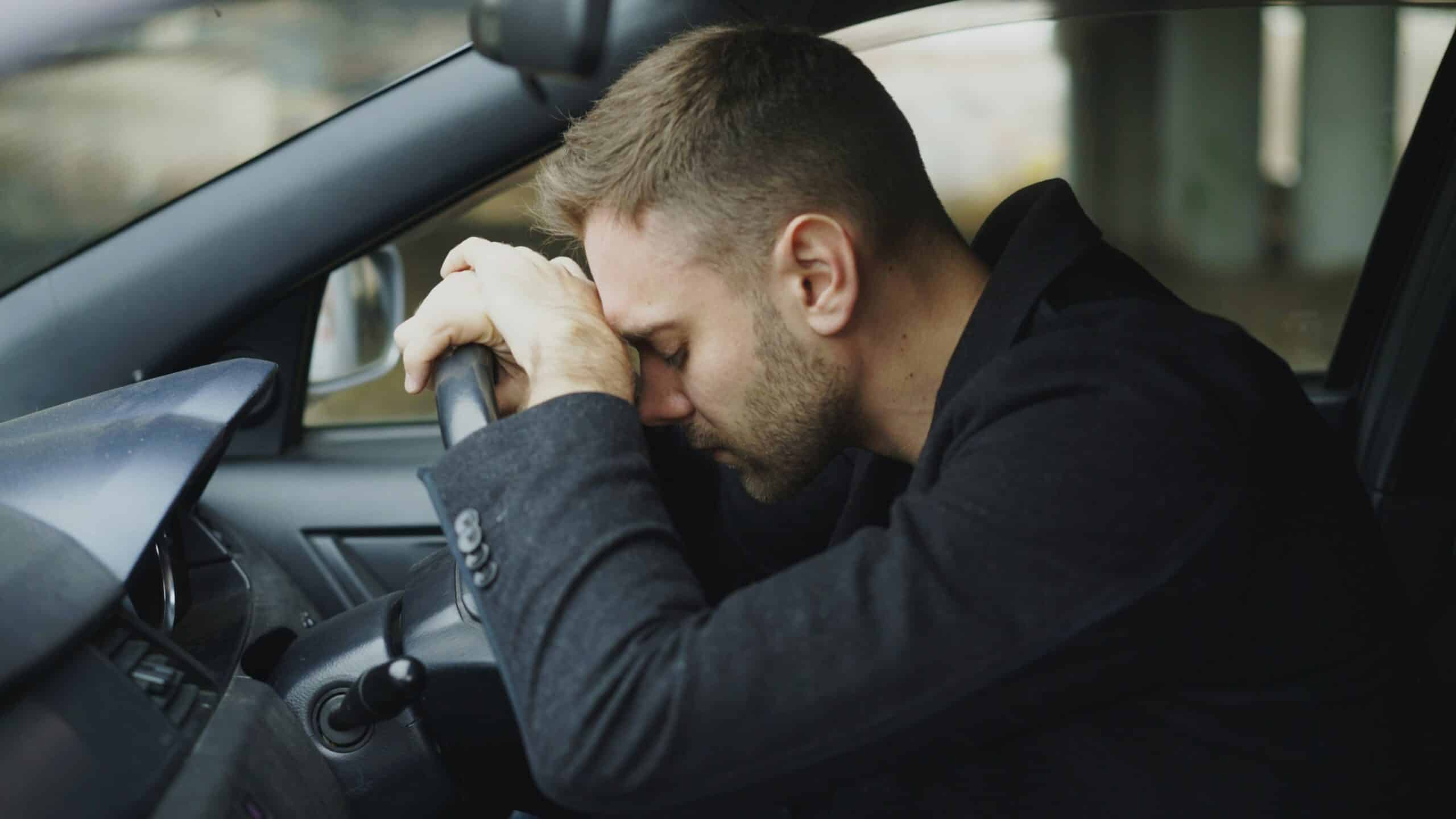
Not safely during most attacks. Migraine affects vision, reaction time, and concentration, and aura in particular can disrupt sight in ways that make driving genuinely dangerous. Several acute medications add drowsiness on top of that.
Medical Disclaimer
This article is general information rather than medical or legal advice. Fitness to drive with a neurological condition is a medical judgment that depends on your specific pattern and treatment, and reporting requirements vary by jurisdiction. Speak with your doctor about whether and when driving is appropriate for you.
Quick Answer
Do not drive during aura, during a severe attack, or after taking medication that causes drowsiness. Pull over safely if an attack begins while driving. Between attacks, most people with migraine drive normally, and that is a question for your doctor rather than a general rule. Planning around attacks is the safer approach, and our vestibular migraine product guide covers the gear for it.
Key Points
- Aura can disrupt vision severely enough to prevent safe driving
- Cognitive symptoms affect reaction time as well as pain does
- Several acute migraine medications cause drowsiness
- Pulling over safely beats trying to reach your destination
- Prodrome symptoms can warn you before an attack starts
- Reporting requirements for neurological conditions vary by jurisdiction
What Impairs Driving During an Attack
| Symptom | Effect on driving |
|---|---|
| Visual aura | Blind spots, flashing lights, distorted vision |
| Photophobia | Headlights and sun become painful and disorienting |
| Severe pain | Attention drawn away from the road |
| Nausea and vomiting | Sudden incapacitation |
| Cognitive symptoms | Slowed decisions, difficulty processing |
| Vertigo or dizziness | Impaired spatial judgment |
| Medication drowsiness | Reduced alertness after treating |
Several of these can be present without severe pain, which is why judging fitness to drive on pain level alone misses the point.
Aura Is the Clearest Case
Visual aura typically involves blind spots, zigzag lines, flashing lights, or shimmering patches that spread across the visual field over minutes.
The National Institute of Neurological Disorders and Stroke describes aura as a set of sensory disturbances that commonly precede or accompany the headache phase.
Aura usually lasts somewhere between five and sixty minutes, which is a manageable period to wait out and an unmanageable one to drive through.
Because it affects central vision in many people, the parts of the visual field most needed for driving are frequently the ones disrupted, covered in migraine with aura.
If an Attack Starts While Driving
Pull over as soon as it is safe
Indicate, move to the shoulder or the nearest safe stopping place, and stop. Continuing to a preferred destination is the decision people regret.
Turn off the engine and reduce stimulus
Sunglasses, closed eyes, and quiet all help. Aura in particular passes on its own within an hour in most cases.
Take medication if you have it
Early treatment is most effective, and it means factoring in any drowsiness before deciding when to continue.
Arrange a lift if needed
Calling someone is a better outcome than a long wait or a marginal decision to continue, covered in stopping a migraine early.
The Medication Question
Several classes of acute migraine treatment can cause drowsiness, dizziness, or slowed reactions, and those effects are not always obvious to the person experiencing them.
Anti-nausea medications frequently used alongside migraine treatment are particularly sedating, and some are explicitly labeled with driving warnings.
The practical implication is that treating an attack may extend the period during which driving is inadvisable rather than shortening it.
Reading the label and asking a pharmacist about driving specifically is worth doing before the situation arises rather than during it, covered in migraine rescue medications.
Reducing Triggers While Driving
Glare is a common trigger and an aggravating factor, so quality sunglasses and a clean windscreen both matter more than they might for someone without migraine.
Low sun in morning and evening is the hardest condition, and planning around it where possible removes a predictable problem.
Long drives without breaks combine several triggers at once, including dehydration, delayed meals, postural tension, and sustained visual concentration.
Air quality and scent inside a vehicle matter for people with scent sensitivity, which makes air fresheners a worthwhile thing to remove, covered in car sun shades for migraine.
Recognizing the Warning Window
Prodrome symptoms can precede an attack by hours and offer a genuine opportunity to avoid driving rather than to abandon a journey partway.
Common prodrome signs include yawning, mood changes, food cravings, neck stiffness, increased thirst, and difficulty concentrating.
People who track their attacks often identify a personal warning pattern that is more reliable than any general list.
Using that window to postpone a drive, arrange an alternative, or take medication early is the practical value of knowing your own prodrome, covered in prodrome symptoms.
Planning Around Journeys You Cannot Skip
School runs, commutes, and medical appointments do not always allow for postponement, and having a plan in advance beats improvising during an attack.
A named backup driver is the most useful single arrangement. Agreeing in advance with a partner, neighbor, or colleague that you may call removes the reluctance to ask in the moment.
Knowing your public transport and taxi options before you need them matters, because researching alternatives with visual aura in progress is considerably harder than doing it beforehand.
Keeping medication accessible rather than at home means an attack away from base does not force a drive back to treat it.
Sunglasses in the vehicle permanently, rather than remembered occasionally, covers the glare problem on the days you did not anticipate needing them.
For regular long journeys, building in stopping points changes a drive you would have to abandon into one you can break up, which is often the difference between manageable and not. Our guide to road trips with migraine covers what to arrange before a long journey starts.
And for anyone whose work requires driving, that is a specific conversation to have with both a doctor and an employer rather than something to manage privately.
Legal and Reporting Considerations
Requirements to report neurological conditions to licensing authorities vary considerably between countries and between states, and migraine is treated differently from conditions involving loss of consciousness.
Driving while impaired by a medical condition or by medication can carry legal consequences regardless of whether the substance was prescribed.
Insurance implications also vary, and a policy may respond differently to an incident where impairment was a factor.
Because none of this generalizes reliably, the correct sources are your licensing authority and your doctor rather than a general article.
Between Attacks
Most people with migraine drive normally between attacks, and migraine on its own does not usually mean giving up driving.
The exceptions involve patterns such as very frequent attacks with little warning, aura that begins without prodrome, or attacks involving vertigo or motor symptoms.
Hemiplegic and vestibular migraine in particular warrant a specific conversation, since motor weakness and vertigo affect driving differently from pain and light sensitivity.
A doctor who knows your pattern is the right person to advise on this rather than a general threshold, covered in vestibular migraine.
Related Reading
- migraine with aura
- prodrome symptoms
- vestibular migraine
- car accessories
- working through a migraine
- stopping an attack early
Frequently Asked Questions
Can you drive with a migraine?
Not safely during most attacks. Vision, reaction time, and concentration are all affected, and aura in particular disrupts sight in ways that make driving dangerous.
What should I do if an attack starts while driving?
Pull over as soon as it is safe, stop the engine, and reduce light and noise. Continuing to a preferred destination is the decision people most often regret.
How long does aura last?
Usually between five and sixty minutes. That is a manageable period to wait out at the roadside and an unmanageable one to drive through.
Can I drive after taking migraine medication?
Often not immediately. Several acute treatments and anti-nausea medications cause drowsiness, so check the label and ask a pharmacist before you need to know.
Can I drive between attacks?
Most people with migraine do. Frequent attacks with little warning, or migraine involving vertigo or motor symptoms, warrant a specific conversation with a doctor.
Do I have to report migraine to licensing authorities?
It varies considerably by jurisdiction, and migraine is treated differently from conditions involving loss of consciousness. Check with your licensing authority directly.
Does glare while driving trigger attacks?
For many people, yes. Quality sunglasses, a clean windscreen, and planning around low morning and evening sun all reduce a predictable trigger.
When should I see a doctor about driving?
See a doctor if attacks come with little warning, if aura begins without prodrome, or if you experience vertigo or weakness. Those patterns change the driving question meaningfully.
Sources
- National Institute of Neurological Disorders and Stroke. Migraine. https://www.ninds.nih.gov/health-information/disorders/migraine
- Mayo Clinic. Migraine with Aura. https://www.mayoclinic.org/diseases-conditions/migraine-with-aura/symptoms-causes/syc-20352072
- American Migraine Foundation. Understanding Migraine with Aura. https://americanmigrainefoundation.org/resource-library/
For the wider picture, see our guide to how to choose migraine glasses.
