
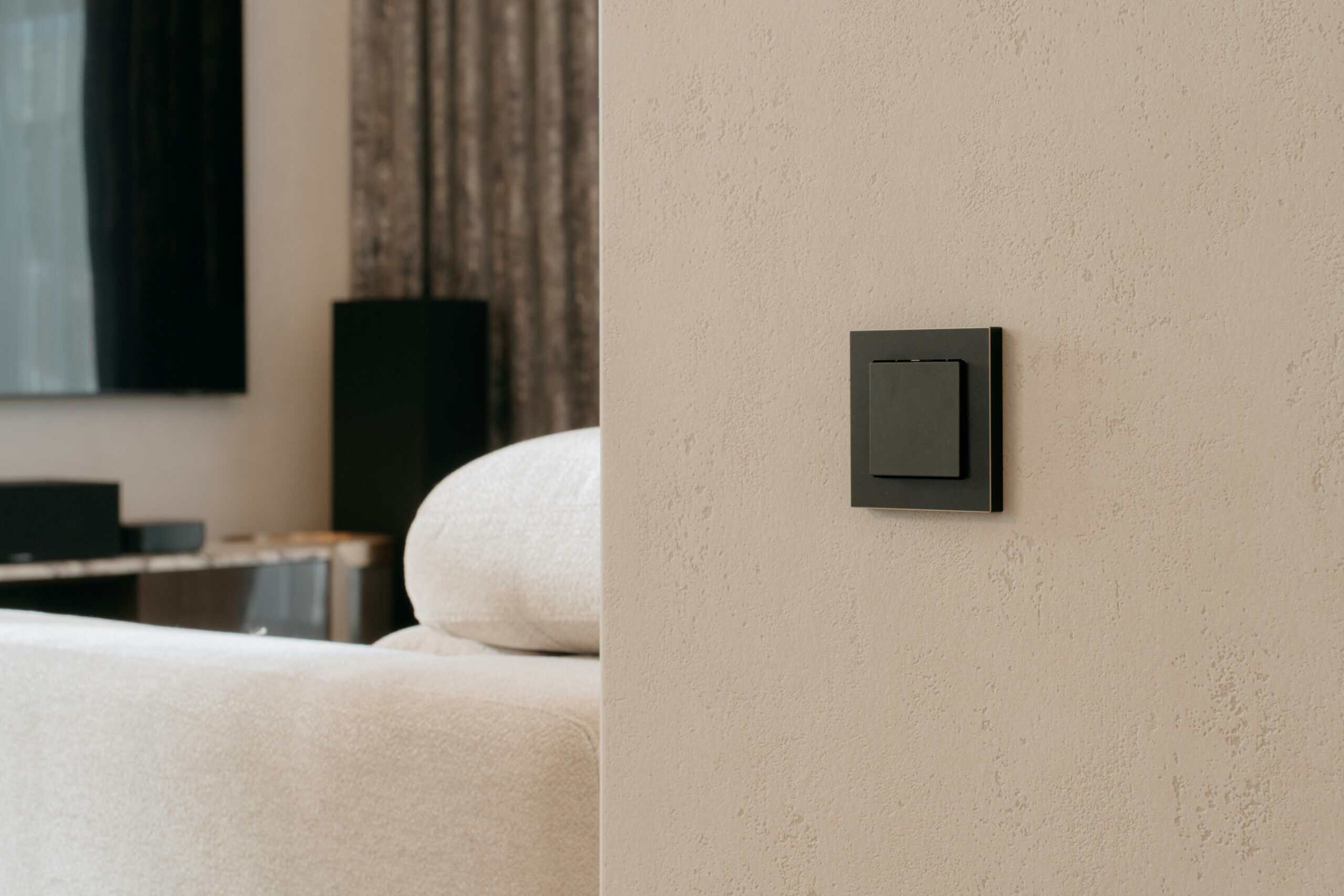
Being able to drop a room to a low, steady light is genuinely useful if bright lighting bothers you, and sensitivity to light is one of the most commonly reported features of migraine.1 The complication is that dimming an LED badly can make things worse rather than better, because a mismatched dimmer and bulb combination can introduce visible flicker or buzzing that was not there at full brightness. The best dimmer switches for migraine are the ones rated for the bulbs you actually own and capable of dimming smoothly to a genuinely low level. The picks below are sorted by type. For the bulbs that go with them, see our guide to flicker-free bulbs.
This article is for general information and is not medical advice. Migraine is a neurological condition that should be diagnosed and managed by a qualified healthcare professional. Electrical work should be carried out in line with local regulations, and by a qualified electrician where required.
Quick Verdict
For most homes, a quality LED-rated dimmer from an established brand is the dependable default: it lists compatible bulbs, dims low without flicker, and has an adjustable low-end trim to tune out buzzing. Smart-home users should look at a smart dimmer with scheduling, renters at a plug-in dimmer that needs no wiring, and anyone with existing LED problems at a dimmer with a compatibility list they can check against their bulbs. Matching the dimmer to the bulb matters more than the dimmer alone.
Key Takeaways
- Dimmer and bulb must be compatible, or dimming can introduce flicker and buzz.
- Adjustable low-end trim tunes out flicker at the bottom of the dimming range.
- How low a dimmer goes matters more than its maximum output.
- Plug-in and smart-bulb options avoid wiring for renters.
- Electrical work should follow local regulations and use a qualified electrician where required.
How We Picked These Dimmers
We prioritized LED compatibility and smooth dimming to a genuinely low level, since a dimmer that flickers or buzzes at low output defeats the purpose. We looked for adjustable low-end trim and published bulb compatibility lists.
We included wired, smart, and no-wiring options. Every pick is a widely available type so you can match it to your fixtures and bulbs. Because this involves both a medical topic and household wiring, we note clearly where professional help belongs.
LED-Rated Dimmer With Adjustable Low-End Trim
Why It Stands Out
An LED-rated dimmer with adjustable low-end trim lets you set the minimum brightness precisely where your bulbs still run smoothly, which is the practical cure for flicker at the bottom of the range. Published compatibility lists take the guesswork out. Its tunability makes it the default choice.
Worth Knowing
It requires wiring into the wall box, which may need an electrician. Check your bulbs appear on the compatibility list. It is the pick for smooth low-level dimming.
Best for homes wanting reliable flicker-free dimming. Skip it if you rent or cannot alter wiring.
Lutron Caseta Smart Dimmer
Why It Stands Out
The Lutron Caseta line is a well-established smart dimmer system with strong LED compatibility and app or schedule control, letting you set lower evening levels automatically. Reliability and compatibility depth are its strengths. Automation removes the need to remember.
Worth Knowing
Smart systems cost more and some setups need a hub. Installation still involves wiring. It is the pick for scheduled, automated dimming.
Best for smart-home users wanting automatic evening levels. Skip it if you want a simple manual switch.
Plug-In Dimmer for Lamps
Why It Stands Out
A plug-in dimmer sits between a lamp and the outlet, adding dimming with no wiring at all, which suits renters and anyone unwilling to open a wall box. It brings control to floor and table lamps immediately. No installation is its main appeal.
Worth Knowing
It only controls lamps plugged into it, not ceiling fixtures. Confirm it is rated for dimmable LED bulbs. It is the pick for renters and lamps.
Best for renters and lamp-based lighting. Skip it if you need to dim ceiling fixtures.
Smart Dimmable Bulbs Instead of a Switch
Why It Stands Out
Smart dimmable bulbs move the dimming into the bulb itself, avoiding switch and bulb compatibility problems entirely since the manufacturer controls both ends. They also add color temperature control on many models. Sidestepping compatibility is the advantage.
Worth Knowing
Smart bulbs cost more per bulb and need the wall switch left on to work. App control is required. It is the pick for avoiding compatibility issues.
Best for people who want dimming without wiring or matching. Skip it if you have many fixtures to fit.
Rotary Dimmer With Fine Control
Why It Stands Out
A rotary dial gives continuous, fine adjustment across the range rather than the stepped increments of some slide or button dimmers, which helps when you want a very specific low level. Precision at the low end is its draw. Small adjustments are easy.
Worth Knowing
Rotary dimmers still need LED compatibility checked. They lack smart features. It is the pick for precise manual control.
Best for people who want fine manual adjustment. Skip it if you want scheduling or app control.
Three-Way Dimmer for Multi-Switch Rooms
Why It Stands Out
A three-way compatible dimmer handles rooms where one light is controlled from two switch locations, which is common in hallways and bedrooms. It solves an install that standard dimmers cannot. Multi-location control is its purpose.
Worth Knowing
Three-way wiring is more involved and often warrants an electrician. Both switch positions may need matched hardware. It is the pick for two-switch rooms.
Best for rooms with lights on two switches. Skip it if your fixture has a single switch.
How to Choose a Dimmer Switch
Compatibility With Your Bulbs
Most dimming problems come from a mismatch between the dimmer and the LED bulbs rather than a fault in either, which is why manufacturers publish compatibility lists. Check your specific bulbs against the dimmer’s list before buying. This single step prevents most flicker and buzz complaints.
How Low It Dims
If bright light bothers you, the useful measure is the minimum level the dimmer reaches while running smoothly, not the maximum. Some dimmers cut out or flicker before reaching a genuinely low level. Look for a wide range and adjustable low-end trim.
Flicker at Low Levels
Adjustable low-end trim lets you raise the minimum slightly so bulbs stay stable, which is the standard fix when dimming introduces flicker. If your current setup flickers when dimmed, this feature is what you need. Our guide to flicker-free bulbs covers the bulb side of the equation.
Installation and Safety
Wired dimmers involve mains electricity, so follow local electrical regulations and use a qualified electrician where required or where you are unsure. Plug-in dimmers and smart bulbs avoid wiring entirely. Our guides to night lights and light filtering window film cover other ways to manage light.
Light Sensitivity and Your Home
Why Control Helps
Sensitivity to light is among the most commonly reported symptoms associated with migraine, and many people find bright or harsh lighting uncomfortable during and around attacks.1 Being able to lower household lighting to a comfortable level, rather than choosing between full brightness and darkness, gives you more usable options at home. That is a practical comfort measure.
What It Does Not Do
Adjusting your lighting environment does not treat migraine, prevent attacks, or replace medical care. Migraine is a neurological condition with established treatment approaches that should be managed by a healthcare professional.2 If light consistently affects your symptoms, raise it with your doctor rather than treating it as a hardware problem alone.
Common Dimmer Mistakes
Ignoring Bulb Compatibility
Most flicker and buzz comes from a dimmer and bulb mismatch. Check your bulbs against the dimmer’s published compatibility list.
Using a Dimmer With Non-Dimmable Bulbs
Standard LED bulbs that are not marked dimmable will flicker, buzz, or fail on a dimmer. Confirm the bulbs are rated as dimmable.
Doing Wiring You Are Not Qualified For
Wired dimmers involve mains electricity. Follow local regulations and use a qualified electrician where required.
Recommended Reading
- Flicker-free bulbs
- Night lights for low-level lighting
- Light filtering window film
- Creating a migraine-friendly workspace
Frequently Asked Questions
Why do my LED lights flicker when dimmed?
The usual cause is a mismatch between the dimmer and the LED bulbs rather than a fault in either component, since older dimmers were designed for incandescent loads. Using an LED-rated dimmer, confirming the bulbs are marked dimmable, and adjusting the low-end trim generally resolves it. Manufacturer compatibility lists are the fastest way to check before buying.
What is low-end trim on a dimmer?
Low-end trim is an adjustment that sets the minimum brightness the dimmer will output, letting you raise the floor slightly so bulbs stay stable instead of flickering or cutting out at the very bottom. It is the standard fix when dimming introduces flicker at low levels. Most quality LED-rated dimmers include this adjustment.
Can I install a dimmer switch myself?
That depends on your local electrical regulations and your own competence with mains wiring, and in many places certain electrical work must be carried out or certified by a qualified electrician. If you are unsure, hire one. Plug-in dimmers and smart bulbs give you dimming with no wiring at all, which is often the better route for renters.
Are smart bulbs better than a dimmer switch?
Smart bulbs avoid dimmer and bulb compatibility problems because the dimming happens inside the bulb, and they often add color temperature control and scheduling. They cost more per bulb and require the wall switch to stay on. For a few lamps they are convenient; for many fixtures a wired dimmer is usually more economical.
Does dimming lights help with light sensitivity?
Many people who are sensitive to light find lower, steadier lighting more comfortable, and light sensitivity is a very commonly reported feature of migraine.1 Having fine control over brightness gives you more usable options than an all-or-nothing switch. It is a comfort measure rather than a treatment, and individual responses vary.
When should I see a doctor about migraine?
Speak to a healthcare professional if you have recurring headaches, if your pattern changes, if attacks become more frequent or severe, or if headaches interfere with daily life. Sudden, severe, or unusual headaches, or headaches with neurological symptoms such as weakness, confusion, or vision loss, warrant urgent medical attention.2 Adjusting your home lighting is no substitute for diagnosis and treatment.
Sources
- >American Migraine Foundation. americanmigrainefoundation.org
- >National Institute of Neurological Disorders and Stroke (NINDS), National Institutes of Health. ninds.nih.gov
Control is one part of a lighting setup. lighting a home office covers layering and bias lighting.
For the wider picture, see our guide to how to choose migraine glasses.
