
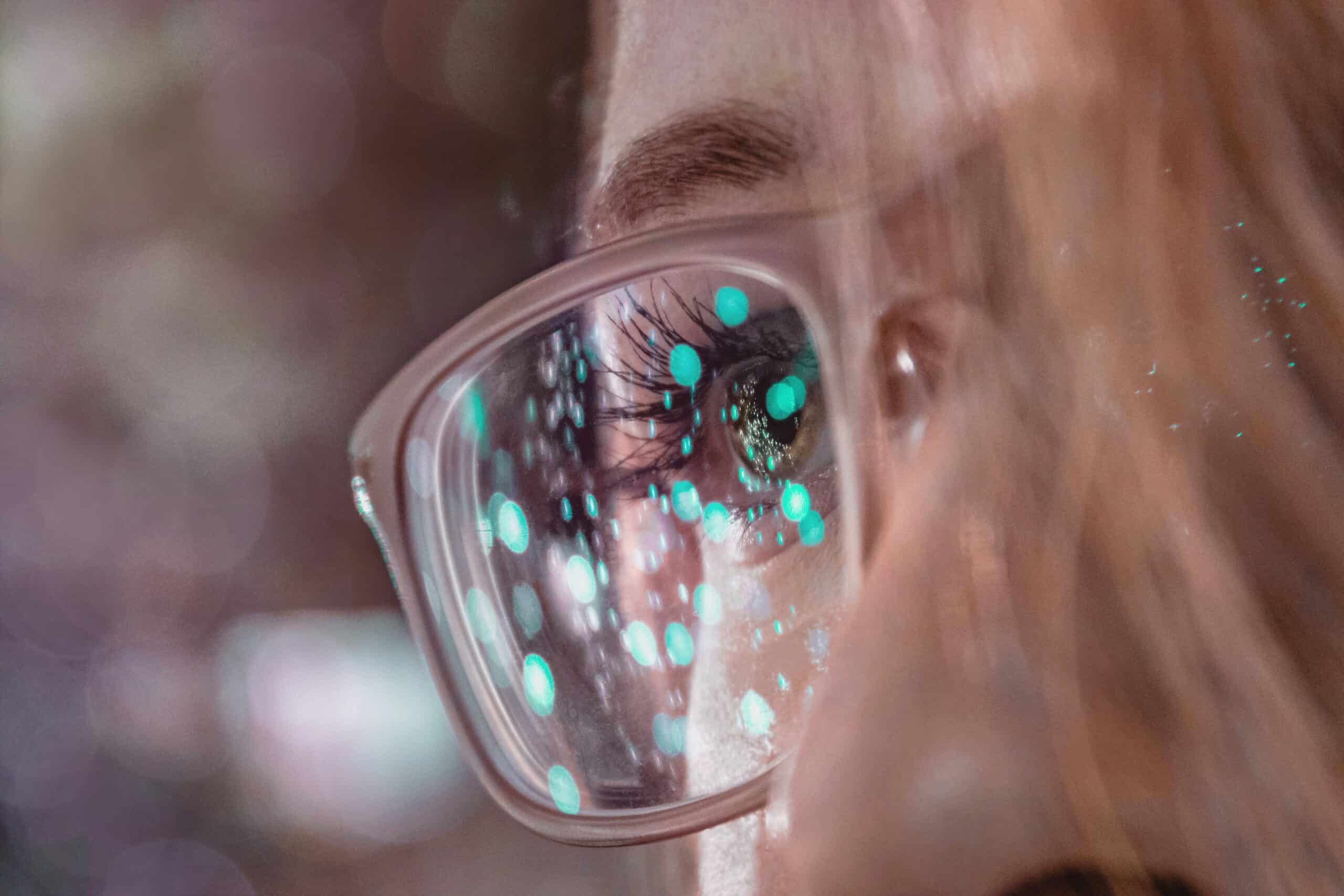
Generic blue light blocking glasses have little solid evidence behind them for migraine relief, while a rose tint called FL-41 has a much better track record for light sensitivity. So do blue light glasses help migraines? For most people the honest answer is that clear or lightly tinted blue blockers do not do much, and a purpose built tint aimed at photophobia is the more sensible starting point. Readers comparing options often start with a guide to migraine glasses for light sensitivity before buying anything.
Medical Disclaimer
This article offers general information only. It is not medical advice, diagnosis, or treatment. Light sensitivity can also signal other eye or brain problems. Talk with a doctor or an eye care professional about your own symptoms.
Quick Answer
Standard blue light glasses show weak evidence for reducing migraine attacks. They mainly cut a narrow slice of the visible spectrum. FL-41, a rose or amber tint, filters a wider band and has stronger support for easing light sensitivity in migraine. Screen brightness, glare, and flicker often matter more than blue wavelength alone.
Key Takeaways
- Generic blue light glasses have weak evidence for both migraine relief and digital eye strain.
- FL-41 rose tint is the lens type most often discussed for migraine related light sensitivity.
- Screen eye strain and true photophobia are different problems with different fixes.
- Glare, flicker, and raw brightness are often the real triggers, not blue light itself.
- Wearing dark lenses indoors all day can make your eyes more light sensitive over time.
- Lens tint is one small tool, not a replacement for a migraine treatment plan.
The table below compares the main lens categories people consider.
| Lens type | What it filters | What the evidence supports it for |
|---|---|---|
| Clear blue-blocking | A small amount of short wavelength blue light, with almost no visible tint | Very little. Comfort claims rest mostly on user reports rather than strong data. |
| Yellow blue-blocking | More short wavelength blue than clear lenses, with a noticeable yellow cast | Weak. Some people find screens more comfortable, but migraine benefit is unclear. |
| FL-41 rose or amber tint | A wider band, including blue and parts of the green range linked to discomfort | The strongest support of these options for light sensitivity in migraine. |
| Dark sunglasses | Large amounts of light across the whole visible spectrum | Useful outdoors and during attacks. Poorly suited to routine indoor wear. |
Treat the right hand column as relative, not absolute. None of these lenses treats migraine.
What Blue Light Glasses Actually Filter
Blue light glasses filter part of the short wavelength end of visible light. Most lenses sold for screens block only a modest share of it.
Screens do emit blue light. However, daylight emits far more of it than any phone or monitor. A bright window delivers a much larger dose than an evening of laptop work.
That fact explains much of the confusion. If screen blue light were a strong migraine trigger, going outside would be worse than any desk job. For most people, glare and brightness track symptoms better than wavelength does.
The American Academy of Ophthalmology has said it does not recommend blue light blocking glasses for computer users, because there is no good evidence that screen blue light damages the eyes. That position concerns eye health rather than headache. Still, it sets a useful baseline.
Why FL-41 Has Better Support Than Generic Blue Blockers
FL-41 is a rose to amber tint developed for light sensitivity rather than for screens. It is the lens most often mentioned when clinicians discuss tinted glasses for migraine.
The reason comes down to which wavelengths it removes. FL-41 does not stop at blue. It also reduces part of the middle of the spectrum, including the green to blue-green range that photophobia research has flagged as uncomfortable.
Blue-only lenses skip that range entirely. So a person whose discomfort sits in the middle of the spectrum gets little help from them. That is the core difference between the two categories.
The American Migraine Foundation has discussed tinted lenses, including FL-41, as an option some people with migraine find helpful for light sensitivity. That framing is deliberately modest. It describes a comfort aid, not a treatment.
Expectations still matter. FL-41 will not stop attacks or replace medication. It may make fluorescent offices, stores, and screens feel less punishing. A walkthrough on how to choose migraine glasses covers tint depth and frame coverage.
Screen Eye Strain and Photophobia Are Not the Same Problem
Digital eye strain and photophobia get blended together in marketing. They are separate issues with separate causes. Confusing them leads people to buy the wrong lens.
Eye strain from screens usually comes from how the eyes work, not from light color. Long stretches of close focus, reduced blinking, dry surfaces, and uncorrected vision all contribute. Tired focusing muscles cause aching, blurring, and headache like pressure.
Photophobia is different. Light itself feels painful or aversive, even at ordinary indoor levels. It is a recognized feature of migraine and can persist between attacks.
The two respond to different fixes. Eye strain improves with regular breaks, a correct prescription, and dry eye care. Photophobia responds more to reducing overall light load.
That distinction explains the disappointing results many people report with blue blockers. They bought a lens marketed for strain when the real problem was light pain. Guides on screen time and migraines and on whether eye strain can cause migraines separate the two.
Flicker, Glare, and Brightness Often Matter More Than Blue
The most common screen problems are rarely about color. They are about intensity and instability. A lens tint does nothing about either one.
Flicker is a good example. Many LED lights and some screen backlights dim by switching on and off rapidly. Most people never notice it, yet flickering light is a well known migraine trigger.
Glare works the same way. A shiny screen reflecting a window creates harsh bright spots. The eye keeps readjusting, and discomfort builds.
Brightness mismatch is the third factor. A screen at full output in a dim room forces the eyes across a large contrast gap. Turning the screen down to match the room often helps more than any purchase.
Practical adjustments carry more weight here than lenses. Hardware options like anti-glare screen filters and monitor light bars target glare and contrast directly.
Why Wearing Dark Lenses Indoors Can Backfire
Reaching for sunglasses indoors feels logical during a bad stretch. In the long run it can work against you.
The eyes and brain adapt to the light level they receive regularly. Spend your days behind dark lenses and normal indoor light starts to feel glaring. Sensitivity can climb, and the sunglasses feel more necessary than before.
That loop is why dark lenses suit outdoor use and acute attacks rather than all day indoor wear. A lighter tint works better indoors because it cuts the harshest wavelengths without near darkness.
The practical approach is two pairs. Keep proper sunglasses for outside, and use a lighter FL-41 style lens for offices, stores, and screen work.
Two guides go deeper here: a comparison of migraine glasses versus regular sunglasses and a discussion of whether you should wear sunglasses indoors with migraine.
How to Approach a Purchase Sensibly
If light sensitivity is a real part of your migraine pattern, a tinted lens is reasonable to try. The order matters, though. Cheap fixes come first.
Start with your environment and your prescription. Confirm your vision correction is current, lower screen brightness, cut reflections, and soften overhead lighting.
If discomfort continues, an FL-41 style lens is the better informed choice. Look for a tint you can wear indoors and frames with enough coverage to limit side light.
Keep the goal modest. A good outcome is a workday that feels less abrasive, not the end of your attacks.
Related Reading
For product level detail, the roundup of the best migraine glasses for light sensitivity breaks down FL-41 options by use case. Curated tints such as TheraSpecs for photophobia appear there too. For screen specific adjustments, see screen time and migraines.
Frequently Asked Questions
Do blue light glasses help migraines at all, or are they useless?
They are not useless, but the evidence is weak. Some people report that screens feel easier behind a yellow tinted lens. That may come from reduced brightness rather than from blue filtering. For migraine related light sensitivity specifically, an FL-41 rose tint has better support and filters a wider band of wavelengths.
Is FL-41 better than a standard blue light lens?
For migraine light sensitivity, most evidence and clinical discussion favors FL-41. It reduces blue light plus part of the middle of the visible spectrum that research links to light discomfort. Blue-only lenses skip that middle range entirely. FL-41 also carries a visible rose tint, so it changes how bright a room feels.
Will blue light glasses stop screen headaches?
Often no. Screen headaches usually come from long focus periods, reduced blinking, glare, and brightness mismatch. A lens tint addresses none of those. Regular breaks, a current prescription, lower screen brightness, and fewer reflections tend to help more. Address those first before spending money on tinted eyewear.
Can you wear migraine glasses all day indoors?
Lightly tinted FL-41 lenses are designed for indoor wear, so occasional all day use is reasonable. Dark sunglasses are a different story. Habitual indoor use of dark lenses can increase light sensitivity over time. A sensible approach is to remove tinted lenses whenever the surrounding light feels comfortable.
Does night mode on a phone do the same thing?
Night mode shifts your screen warmer and usually lowers perceived brightness. That overlaps with what a blue blocking lens does for one screen, at no cost. It does nothing about room lighting, fluorescent fixtures, or outdoor light. Glasses affect everything you look at, which is the main practical difference.
When should you see a doctor about light sensitivity?
See a doctor if light sensitivity is new, worsening, or paired with eye pain, vision changes, fever, stiff neck, or a sudden severe headache. Also seek care if headaches are rising in frequency or disrupting daily life. Photophobia can stem from eye conditions or other neurological problems, so proper evaluation matters.
Do tinted lenses reduce how often attacks happen?
There is no reliable basis for promising fewer attacks. Tinted lenses are best understood as comfort tools that lower light load. If bright or flickering light is one of your triggers, reducing exposure may plausibly help. Treat that as a possibility rather than an expectation, and keep your prescribed treatment plan in place.
Are expensive migraine glasses worth it over cheap blue blockers?
Price alone means little. What matters is the tint and the coverage. For light sensitivity, a well made FL-41 lens with decent side coverage is a more sensible buy than a cheap clear blue blocker. A costly lens with no real tint offers no advantage over a budget pair.
Sources
- American Migraine Foundation, patient education on light sensitivity and photophobia in migraine, including discussion of tinted lenses.
- American Academy of Ophthalmology, consumer guidance on blue light, computer use, and digital eye strain.
- National Institute of Neurological Disorders and Stroke, overview of migraine symptoms, triggers, and treatment approaches.
- Mayo Clinic, patient information on migraine, including light sensitivity and common triggers.
- Cleveland Clinic, health library entries on photophobia and on migraine management.
