
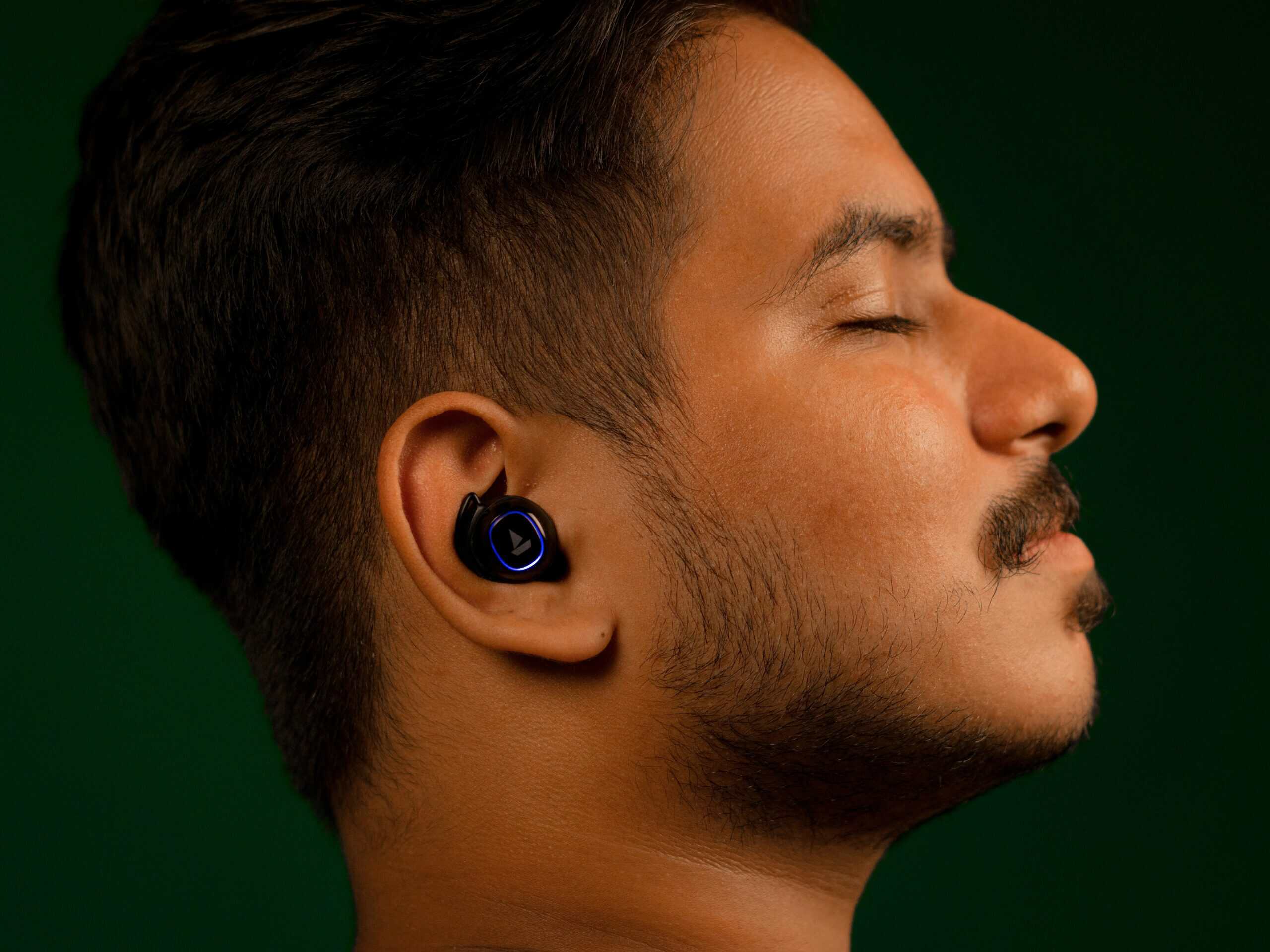
Earplugs reduce sound, sound is painful during an attack, and reducing painful input helps. That part is uncomplicated and the reason most people with migraine end up owning several pairs.
The complicated part is using them constantly between attacks, where there is a reasonable concern that persistent sound blocking may increase sensitivity rather than reduce it. Our note on noise cancelling headphones for migraines covers the underlying question.
Medical Disclaimer
This is general information, not medical advice. Migraine requires diagnosis and management by a doctor, and earplugs address a symptom rather than the condition. Persistent sound sensitivity between attacks, or any new or changing headache pattern, warrants medical assessment.
Quick Answer
Earplugs are useful during attacks and in genuinely loud environments. Constant everyday use is worth discussing with a doctor, since ongoing sound blocking may worsen sensitivity over time.
Why They Help Mid-Attack
Phonophobia is a recognized feature of migraine, and during an attack the brain processes ordinary sound as painful. Reducing the input reduces that pain.
Earplugs also lower the startle response to sudden noise, which matters because unexpected sound is worse than continuous sound for most people during an attack. Headphones handle a different part of the problem, which our comparison explains.
They also work anywhere at all, which room-based measures obviously do not. That makes them the practical option when an attack starts away from home, which is where most attacks actually begin.
And they are cheap enough to keep in several places, which matters because an attack rarely begins where your supplies are. Our roundup of earplugs for migraines covers the types.
The Concern About Constant Use
Auditory processing adapts to the input it receives. There is a recognized concern, discussed in the context of sound sensitivity conditions generally, that prolonged sound blocking in normal environments can lower tolerance over time.
The practical worry is a cycle: sensitivity leads to constant plug use, which lowers tolerance, which increases sensitivity, which reinforces the plug use.
Evidence specifically in migraine is limited, and much of the discussion comes from work on hyperacusis, a related but distinct condition.
What that supports is caution rather than avoidance. Using earplugs during attacks and in loud environments is different from wearing them through an ordinary quiet day, and the distinction is worth raising with your doctor.
Using Them Strategically
Given the concern about constant use, it helps to think in terms of when rather than whether.
During an attack is the clearest case. Sound is actively painful, the exposure is time-limited, and there is no plausible downside to reducing it.
Genuinely loud environments are the second, and this applies to everyone rather than just people with migraine. Concerts, power tools, and worksites carry real hearing damage risk.
Sleep is a reasonable third, particularly where noise is disrupting it, since sleep disruption is one of the better-supported factors in migraine.
Ordinary quiet environments are where caution belongs. Wearing plugs through a normal working day in a normal office is the pattern most likely to reduce tolerance over time.
Framing it that way means keeping plugs available everywhere without wearing them by default, and that is a distinction worth making deliberately rather than drifting into constant use. Our roundup of white noise machines covers an alternative for sleep.
Types and What They Do
Foam plugs
Cheapest, highest reduction, and blunt. They cut everything including speech, which suits an attack and not a conversation.
Filtered or musician’s plugs
Reduce volume more evenly across frequencies so sound stays intelligible. Better for social situations and loud events than for attacks.
Reusable silicone plugs
Moderate reduction, easy to insert, and easier to carry than disposable foam. Comfort varies considerably between people.
Custom-molded plugs
Made to your ear by an audiologist. Expensive, comfortable for long periods, and worth considering for regular loud exposure. Our roundup of hearing protection for events covers the loud-environment case.
What They Do Not Do
Earplugs manage a symptom, and being clear about that prevents them from displacing things that work better.
They do not prevent attacks. Reducing sound during an attack reduces discomfort, and there is no good evidence that routine earplug use reduces how often attacks occur.
They do not treat the attack itself. Where a doctor has prescribed acute medication, taking it early matters, and earplugs are a comfort measure alongside rather than an alternative to it.
They do not address the underlying sensitivity, which is a feature of how the brain processes sound during migraine rather than anything happening in the ear.
Treating them as symptom management rather than treatment keeps expectations right, and stops the situation where someone relies on plugs while an untreated condition worsens. Our note on how long to track before seeing a doctor covers when to escalate.
Fit Matters More Than Rating
The reduction figure printed on a packet is measured under laboratory conditions with expert fitting, and real-world reduction is commonly well below it.
Foam plugs need rolling thin, inserting deep, and holding while they expand. Most people insert them too shallow, which loses much of the benefit.
A correctly fitted plug changes the sound of your own voice noticeably. If it does not, it is probably not in far enough.
Size matters too, and people with smaller ear canals frequently find standard foam plugs uncomfortable and ineffective. Smaller sizes exist and are worth seeking out.
None of these categories is better than the others in general, and the right one depends entirely on the situation you are using it for.
Hygiene and Safety
Foam plugs are single-use for a reason. Reusing them repeatedly introduces bacteria into the ear canal, and ear infections are a genuine risk with poor hygiene.
Reusable plugs need cleaning according to their instructions and replacing when they degrade or stop sealing.
Never push anything beyond where it belongs, and never use improvised objects. Earplugs going too deep or becoming lodged is a medical problem requiring removal by a professional rather than by you.
Anyone with existing ear conditions, perforated eardrums, or recurrent infections should ask a doctor before using plugs regularly. Our roundup of earplugs for noise sensitivity covers reusable options.
Alternatives Worth Considering
Over-ear defenders block more than most plugs and are quick to put on and remove, which suits an attack that comes on fast.
Noise-cancelling headphones handle steady background sound well and can be worn without audio, though they do less against sudden noise.
Room-based measures need no ear occlusion at all, which sidesteps the constant-use concern entirely for time spent at home.
Using different tools for different situations is more sensible than relying on plugs for everything, and it reduces total occlusion time. Our note on migraine journals covers those.
Earplugs and Migraine FAQ
Do earplugs help during a migraine?
Yes. Sound is processed as painful during an attack, so reducing it reduces that pain, and plugs also lower the startle response to sudden noise.
Can I wear them all the time?
Worth discussing with your doctor. There is a recognized concern that prolonged sound blocking in ordinary environments may lower tolerance over time and worsen sensitivity.
Which type is best for an attack?
Foam plugs give the highest reduction and block speech along with everything else, which suits an attack. Filtered plugs suit social and loud environments where you still need to hear.
Why do my earplugs not seem to work?
Almost always fit. Foam plugs need rolling thin and inserting deep, and a correctly fitted plug noticeably changes how your own voice sounds.
Can earplugs cause ear infections?
Poor hygiene can. Foam plugs are single-use, reusable ones need cleaning per their instructions, and anyone with existing ear conditions should ask a doctor first.
Are custom earplugs worth it?
For regular exposure to loud environments, potentially. They are made by an audiologist, cost considerably more, and are comfortable enough for long wear.
What about noise-cancelling headphones instead?
They work well on steady low-frequency sound and can be worn without audio. They do less against sudden noise, so they complement plugs rather than replacing them.
When should I see a doctor?
If sound sensitivity persists between attacks, if you find yourself needing plugs constantly, or if headache patterns change. Sudden severe headache with fever, confusion, or weakness is an emergency.
Sources
- American Migraine Foundation. Migraine symptoms and management. https://americanmigrainefoundation.org/resource-library/
- National Institute on Deafness and Other Communication Disorders. Hearing protection and hyperacusis. https://www.nidcd.nih.gov/health/noise-induced-hearing-loss
- National Institute of Neurological Disorders and Stroke. Migraine information. https://www.ninds.nih.gov/health-information/disorders/migraine
Recommended Reading
See our note on whether noise is a trigger or a symptom.
