
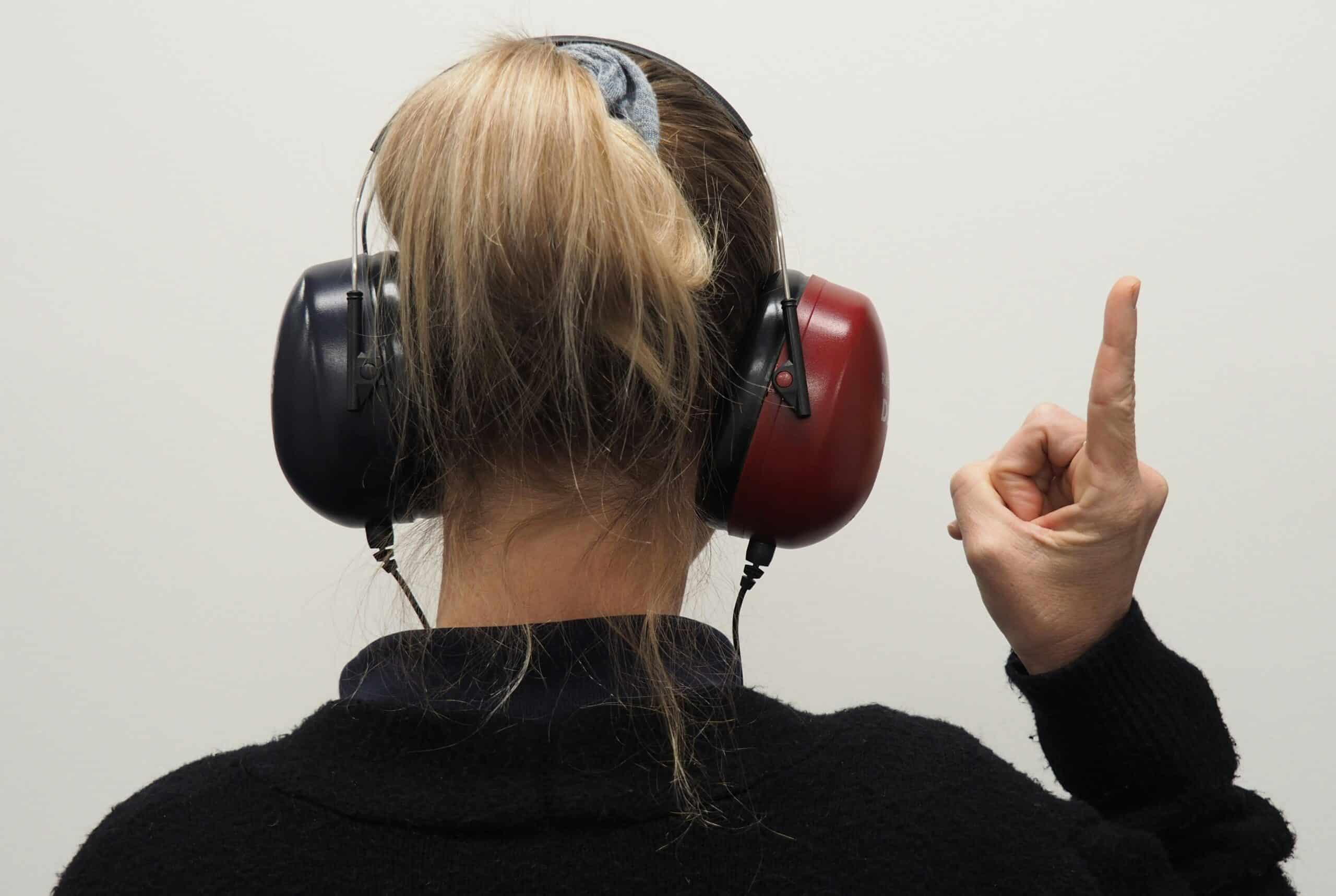
Loud events combine several things that appear on trigger lists at once: sustained noise, flashing lights, crowds, disrupted sleep, and often alcohol. Hearing protection addresses one of them, and it is the one you can control most directly.
The distinction that matters is between blocking and filtering. Foam plugs muffle everything and leave music sounding dull, and filtered plugs reduce volume across frequencies more evenly so the sound stays recognizable.
Medical Disclaimer
This article covers hearing protection rather than medical advice. It does not diagnose or treat anything, and it is not guidance on preventing attacks. Talk to your doctor about attacks triggered by events or sensory environments. Seek immediate medical care for a sudden severe headache unlike your usual pattern, or one with fever, confusion, weakness, vision loss, or a stiff neck.
Key Points
- Filtered plugs preserve sound quality where foam muffles it
- Noise reduction ratings describe laboratory conditions, not real fit
- Fit determines actual protection more than the rating does
- Events combine several triggers, and sound is only one
- Custom-molded plugs cost more and fit better
- Leaving early is a reasonable plan rather than a failure
How We Picked
Flat attenuation came first. Filters reducing all frequencies roughly evenly keep music intelligible, which is what makes people actually wear them through a whole event.
Fit ranked next, since a plug seated poorly delivers a fraction of its rating regardless of what the packaging claims.
Comfort over hours mattered because protection removed at the ninety-minute mark protects nothing for the rest of the night.
We excluded plugs marketed for concerts with no stated attenuation figure or filter description, since those are usually foam in different packaging.
Filtered Musician Earplugs
Why It Stands Out
These use an acoustic filter rather than solid foam, reducing volume across frequencies fairly evenly. Music stays clear and conversation remains possible.
Most come with interchangeable filters offering different reduction levels, so one pair covers a loud club and a quieter venue.
Reusable silicone or hybrid tips last years and wash between uses, which matters if you attend events regularly.
They are also discreet, which removes the social friction some people feel about visible protection.
Worth Knowing
They reduce less than foam at the same fit, typically in the mid teens of decibels rather than the high twenties. That is a deliberate trade for sound quality.
Tip size matters enormously. Most ship with several sizes, and using the wrong one leaves a gap that undoes the filter.
Worth having for anyone attending live music. Skip if maximum reduction matters more than sound quality, and everyday options sit in earplugs for noise sensitivity.
High-Attenuation Foam Plugs
Why It Stands Out
Foam achieves the highest reduction available, often in the high twenties or low thirties when properly inserted. For genuinely loud environments that margin matters.
They cost almost nothing, so carrying spares in a pocket or bag is straightforward.
For events where sound quality is irrelevant, such as sports crowds or fireworks, foam is the right tool.
Worth Knowing
Foam blocks high frequencies far more than low ones, so music sounds muffled and bass-heavy. Many people remove them for that reason, which protects nothing.
Rated reduction assumes correct insertion, which means rolling the plug thin and holding it in place while it expands. Casual insertion delivers considerably less.
Worth having as a backup and for non-music events. Skip for concerts where you want to hear the music.
Custom-Molded Earplugs
Why It Stands Out
Molded to your ear canal, these seal properly without pressure, which is what makes them comfortable across a whole evening.
Consistent seal means the actual reduction matches the rated figure far more closely than universal tips do.
They last years, which changes the cost calculation for anyone attending events regularly.
Worth Knowing
They cost considerably more than universal plugs and require an appointment for impressions in most cases.
Ear canals change slightly over years, and a set that fit at twenty-five may seal less well at thirty-five.
Worth it for frequent attendees. Skip for occasional events where universal filtered plugs suffice.
Over-Ear Protection for Non-Music Events
Why It Stands Out
Earmuffs achieve high reduction without anything inserted, which suits people who find in-ear plugs uncomfortable or who need to remove protection repeatedly.
For sports events, motorsport, and fireworks displays, appearance matters less and the reduction is welcome.
They come on and off in a second, which suits an environment where noise comes in bursts.
Worth Knowing
The band applies pressure to the head, and sustained pressure is itself a reported factor for some people with migraine.
They also trap heat, which is uncomfortable in a crowd on a warm evening.
Worth having for loud non-music events. Skip if head pressure bothers you, and pressure factors sit in common migraine triggers.
Tinted Glasses for Stage Lighting
Why It Stands Out
Concerts combine sound with strobing and flashing lights, and flickering light appears on trigger lists as often as loud sound does.
Tinted lenses reduce intensity without leaving you unable to see, which matters in a dark venue with steps and crowds.
Wearing them looks unremarkable at a concert, unlike almost anywhere else.
Worth Knowing
They reduce brightness rather than removing strobe effects. Rapid flashing still registers through tinted lenses.
Very dark lenses in an already dark venue create a genuine safety problem on stairs and in crowds.
Worth carrying for events with heavy lighting. Skip very dark tints indoors, and selection sits in choosing migraine glasses.
Compact Carrying Cases
Why It Stands Out
Protection left at home protects nothing. A small case on a keyring means the plugs are with you when an evening turns out louder than expected.
Hard cases stop filtered plugs deforming in a pocket, which matters since a compressed tip seals badly.
They also keep plugs clean, and inserting something that has been loose in a bag is a poor idea.
Worth Knowing
Cheap cases open in a bag and lose the contents, which is how most people lose their first pair.
Silicone tips degrade over time regardless of storage, so replacement tips are worth having.
Worth having with any reusable plugs. Skip storing plugs loose, and travel kits sit in travel kits for migraine.
Protection Types at a Glance
| Type | Typical reduction | Music quality | Best for |
|---|---|---|---|
| Filtered musician plugs | Mid teens dB | Preserved | Concerts, clubs |
| Foam plugs | High twenties dB | Muffled | Sports, fireworks |
| Custom molded | Mid teens to twenties | Preserved | Frequent attendees |
| Earmuffs | Twenties dB | Muffled | Non-music events |
| Tinted glasses | Not applicable | Not applicable | Stage lighting |
What to Look For
Choose filters for music, foam for everything else
Filtered plugs keep music recognizable, which is why people leave them in. Foam reduces more and makes music dull.
Treat the rating as a ceiling
Published figures come from laboratory fitting. Real-world reduction is typically lower, and fit is what closes the gap.
Test the fit before the event
Trying sizes at home beats discovering at the venue that the tips are wrong. A plug that will not seal is decoration.
Plan for the other triggers too
Sound is one factor. Lighting, crowds, alcohol, dehydration, and a late night all stack on the same evening.
Planning the Whole Evening
Protection handles the sound. The rest of the evening produces the other factors, and a few decisions in advance cost nothing.
Eat properly beforehand. Skipping a meal because you are going out is common and appears on trigger lists, and venue food arriving at ten does not fix it.
Drink water alongside anything else. Standing in a warm crowd for three hours loses more fluid than people account for, and alcohol compounds it.
Know where the quiet space is. Most venues have a bar area, a corridor, or an outdoor section noticeably quieter than the main room, and finding it early beats searching while symptoms build.
Stand away from the speakers. Sound levels drop considerably with distance, and the back of a room is often a better trade than earplugs at the front.
Decide your exit point before you arrive. Agreeing with whoever you are with that you might leave at a certain stage makes leaving straightforward rather than a negotiation.
Protect the night after as well. A late night disrupting sleep is itself a factor, and planning a slower next day is part of the same decision.
Filtered Against Foam
Filtered
Even reduction across frequencies keeps music intelligible and conversation possible. Less total reduction, and it costs more.
Foam
Highest available reduction and cheapest by far. It cuts high frequencies hardest, leaving music muffled, which is why people remove them mid-event.
Common Misconceptions
That any earplug will do for a concert
Foam muffles music badly enough that many people take them out. Filtered plugs exist because protection you keep wearing is the only protection that works.
That the rating is what you get
Ratings assume laboratory fitting. Casual insertion delivers considerably less, particularly with foam, which needs rolling and holding while it expands.
That protection prevents an attack
It reduces one contributing factor. Lighting, crowds, alcohol, dehydration, and disrupted sleep all continue regardless of what is in your ears.
That leaving early means it failed
Having an exit plan and using it is reasonable management. Deciding in advance what would make you leave is easier than deciding while symptoms build, and workplace and daily management sit in creating a migraine-friendly workspace.
Recommended Reading
- everyday earplugs
- noise cancelling
- what to carry
- light sensitivity glasses
- trigger management
- tracking what happens
- whether noise is a trigger or a symptom
Frequently Asked Questions
What earplugs are best for concerts?
Filtered musician plugs, since they reduce volume across frequencies fairly evenly and keep music recognizable. Foam blocks more and makes music sound dull.
How much do concert earplugs reduce sound?
Filtered plugs typically reduce in the mid teens of decibels and foam in the high twenties. Published figures assume laboratory fitting, so real-world reduction is usually lower.
Why does fit matter so much?
A plug that does not seal leaves a path for sound regardless of its rating. Trying tip sizes at home beats discovering the problem at a venue.
Are custom molded plugs worth it?
For frequent attendees, often. They seal consistently without pressure, which makes them comfortable across a whole evening and closer to their rated reduction.
Do earplugs prevent migraines at events?
They reduce one contributing factor. Stage lighting, crowds, alcohol, dehydration, and a late night all continue, so protection is part of a plan rather than the plan.
What about strobe lighting?
Tinted glasses reduce intensity and do not remove flashing. Very dark lenses in a dark venue create a safety problem on stairs and in crowds.
When should I see a doctor?
If events consistently trigger attacks, or if your pattern changes. Seek immediate care for a sudden severe headache unlike your usual pattern, or one with fever, confusion, weakness, vision loss, or a stiff neck.
Sources
- American Migraine Foundation. Sensory Sensitivity and Migraine. https://americanmigrainefoundation.org/
- Mayo Clinic. Migraine: Symptoms and Causes. https://www.mayoclinic.org/diseases-conditions/migraine-headache
- National Institute on Deafness and Other Communication Disorders. Noise-Induced Hearing Loss. https://www.nidcd.nih.gov/health/noise-induced-hearing-loss
