
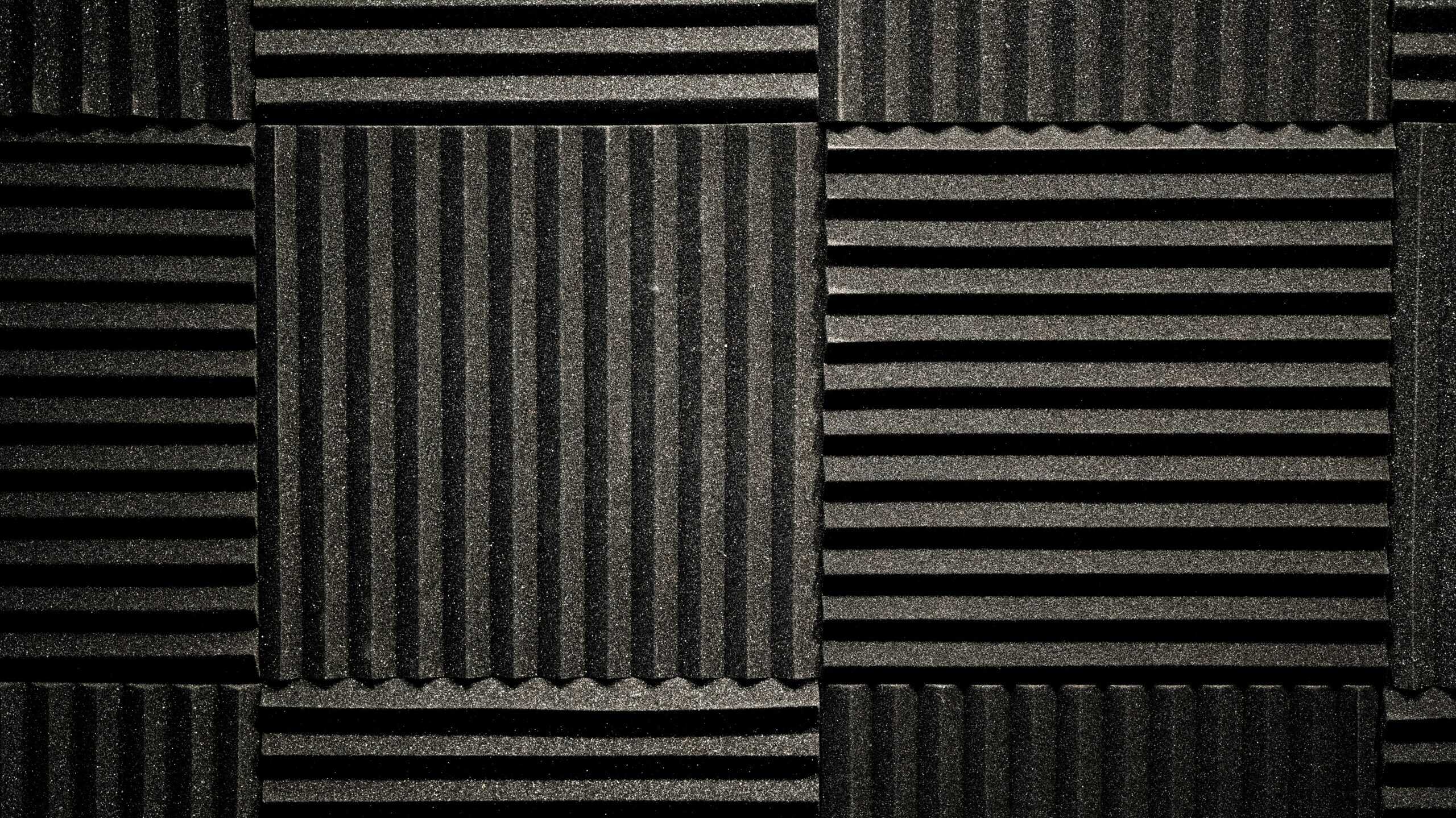
Sound sensitivity during an attack makes ordinary household noise painful, and the room you retreat to rarely blocks much of it. Soundproofing splits into three jobs that people confuse: stopping sound entering, reducing echo inside, and sealing the gaps that let everything through.
Gaps matter most and cost least. A door with a half-inch gap underneath passes sound almost as freely as an open doorway, and no amount of wall treatment fixes that.
Medical Disclaimer
This article covers room treatment rather than medical advice. It does not diagnose or treat anything. Talk to your doctor about sound sensitivity, since phonophobia has several possible causes. Seek immediate medical care for a sudden severe headache unlike your usual pattern, or one with fever, confusion, weakness, vision loss, or a stiff neck.
Key Points
- Sealing gaps does more per dollar than any wall treatment
- Foam panels absorb echo and block almost no sound
- Mass is what stops sound passing through a surface
- Low-frequency noise passes through nearly everything
- Renters can seal and cover without permanent changes
- Masking is cheaper than blocking for most households
How We Picked
Gap sealing came first, since a room leaks sound at doors, windows, and vents long before the walls matter.
Mass ranked next. Blocking sound requires something dense between you and the source, which is why thin foam does nothing and heavy curtains do something.
Renter compatibility mattered because most people needing this cannot build a wall. Removable and freestanding options carry the list.
We excluded acoustic foam sold as soundproofing. It reduces echo inside a room and does not stop sound entering, which is a widespread misunderstanding rather than a product fault. For the method behind the products, see how to soundproof a room for migraines.
Door Seals and Sweeps
Why It Stands Out
The gap under a door is usually the largest opening in a closed room. A sweep or automatic drop seal closes it, which cuts more sound than anything else at this price.
Perimeter weatherstripping handles the sides and top, where hollow doors leave smaller gaps that still pass sound.
Both install without tools on most doors and come off cleanly, which suits renting.
Worth Knowing
Sealing a door reduces airflow, which matters in a bedroom without other ventilation.
Adhesive strips pull paint on removal. Screw-mounted sweeps avoid that and need permission.
Worth doing first in any room. Skip full perimeter sealing if the room has no other airflow, and workspace setup sits in creating a migraine-friendly workspace. Our note on best hotel room setup for migraine covers that in more detail.
Heavy Sound-Dampening Curtains
Why It Stands Out
Dense multi-layer curtains add mass at the window, which is the thinnest barrier in most rooms. They reduce traffic and street noise noticeably.
Many are blackout as well, which handles light sensitivity from the same purchase.
Full coverage matters more than fabric weight. A rod extending past the frame with the curtain reaching floor to ceiling blocks considerably more than a window-sized panel.
Worth Knowing
Curtains reduce sound rather than blocking it. Marketing that implies otherwise is overstating what fabric can do against a glass window.
Low-frequency noise passes through almost unaffected, so traffic rumble persists where higher-pitched sound drops.
Worth doing where street noise is the problem. Skip expecting silence, and light blocking sits in blackout curtains for migraine relief.
Mass Loaded Vinyl
Why It Stands Out
Mass loaded vinyl is a dense flexible sheet that adds weight to a wall, door, or window without much thickness. Mass is the mechanism that actually blocks sound.
Hung behind a curtain or fixed to a door it does more than any foam treatment of the same thickness.
It can be hung with grommets rather than glued, which keeps it removable.
Worth Knowing
It is heavy, which is the point and also the installation problem. A sheet covering a door needs proper fixing.
It looks industrial. Most people hide it behind a curtain or fabric rather than leaving it visible.
Worth doing for a wall shared with a noisy neighbor. Skip if you cannot fix something heavy to the surface.
Acoustic Panels for Echo
Why It Stands Out
Panels absorb reflections inside a room, which reduces the harshness of sounds made in that room. A bare-walled bedroom amplifies everything through echo.
For someone sensitive to sound, reducing that reflection makes ordinary noise less sharp even when the noise itself is unchanged.
Fabric-wrapped panels look like art rather than studio equipment, which matters in a bedroom.
Worth Knowing
These do not stop sound entering. Acoustic treatment and soundproofing are different jobs, and the widespread confusion between them wastes a lot of money.
Thin foam tiles do very little even for absorption. Thickness determines which frequencies get absorbed.
Worth doing in an echoey room where household sound is the issue. Skip if the problem is noise from outside.
Window Inserts and Seals
Why It Stands Out
An acrylic insert fitted inside the window frame creates a second barrier with an air gap, which is how double glazing works. That combination blocks considerably more than a curtain.
Compression-fit inserts need no fixing and come out when you move, which suits renters in older buildings with single glazing.
They also cut drafts and improve insulation, so the purchase does more than one job.
Worth Knowing
They cost far more than curtains and need accurate measurement.
Fitted inserts stop you opening the window, which matters for ventilation in a room you sleep in.
Worth doing where single-glazed windows are the main entry point. Skip in rooms needing regular ventilation.
Sound Masking Machines
Why It Stands Out
Blocking sound is expensive and imperfect. Raising the background level so individual noises stop standing out costs a fraction and works in any room.
For household noise that comes and goes, masking handles the variability that blocking cannot.
Machines producing continuous fan-based sound avoid the loop that becomes noticeable in recorded tracks.
Worth Knowing
During an attack some people find any added sound intolerable, including masking. This helps between attacks and for sleep more than during one.
Volume needs care. Sound loud enough to cover a disturbance can itself be uncomfortable at heightened sensitivity.
Worth trying before spending on structural work. Skip during attacks if added sound makes things worse, and options sit in white noise machines for migraines.
Soundproofing Options at a Glance
| Product | Blocks entry | Reduces echo | Renter friendly |
|---|---|---|---|
| Door seals | Yes, significantly | No | Yes |
| Heavy curtains | Partially | Somewhat | Yes |
| Mass loaded vinyl | Yes | No | With grommets |
| Acoustic panels | No | Yes | Yes |
| Window inserts | Yes | No | Yes |
| Masking machine | No, covers | No | Yes |
What to Look For
Seal before you cover
Gaps at doors, windows, and vents pass more sound than any wall. Sealing them costs the least and does the most.
Look for mass, not thickness
Density blocks sound. A thin dense sheet outperforms thick light foam, which is why acoustic foam disappoints people who bought it to block noise.
Identify the frequency
Traffic rumble and bass pass through nearly everything. Voices and higher-pitched sound respond far better to treatment.
Consider masking first
A machine costs a fraction of structural work and handles variable household noise better than any barrier.
Finding Where the Sound Gets In
Treating the wrong surface is how people spend money without changing anything, and locating the actual entry point takes ten minutes.
Stand in the room with the door closed while someone plays music at a normal volume outside it. Move slowly along the walls, the door, and the window, listening for where it gets louder.
Doors are the usual answer. Hollow interior doors block very little, and the gap underneath passes sound almost as freely as an open doorway.
Windows come second, particularly single-glazed ones. Glass is thin and the frame often leaks around the edges.
Vents and ducts are the overlooked path. Air moving between rooms carries sound with it, and a shared duct connects two rooms acoustically regardless of how solid the wall is.
Shared walls in apartments are the hardest case, and they are also where structural sound travels rather than airborne sound, which is why hanging things on them helps less than people expect.
Whatever the test identifies is where the first purchase should go.
Blocking Against Absorbing
Blocking
Stops sound entering the room using mass and sealed gaps. Expensive, effective against mid and high frequencies, and limited against bass.
Absorbing
Reduces reflections inside the room, which softens sounds made in it. Cheap and does nothing about noise from outside, and the confusion between the two is the most common mistake in this category.
Common Misconceptions
That foam panels soundproof a room
They absorb echo inside a space. Sound from a neighbor or the street passes through them almost unchanged.
That thicker means better
Density matters rather than thickness. A dense thin barrier blocks more than thick light material.
That you can block bass
Low frequencies pass through walls, floors, and everything you can hang. Reducing them meaningfully requires construction rather than products.
That sound sensitivity only matters during attacks
Many people report heightened sensitivity between attacks too. Persistent phonophobia is worth raising with a doctor rather than only managing with room treatment, and trigger patterns sit in common migraine triggers.
Recommended Reading
- earplugs for noise sensitivity
- noise cancelling headphones
- sound masking
- light blocking
- workspace setup
- tracking triggers
- quieting a room during a migraine
- whether noise is a trigger or a symptom
Related: supplies for a migraine emergency kit.
Related: sound dampening curtains and rugs for migraine.
Frequently Asked Questions
What actually soundproofs a room?
Sealing gaps and adding mass. Door sweeps and perimeter seals do the most per dollar, and dense materials like mass loaded vinyl block what passes through surfaces.
Does acoustic foam block sound?
No. It absorbs reflections inside a room, which reduces echo. Sound from outside passes through it almost unchanged, and this is the most common misunderstanding in the category.
Do soundproof curtains work?
They reduce sound at the window rather than blocking it, and they help most with mid and high frequencies. Traffic rumble passes through largely unaffected.
What can I do as a renter?
Door seals, heavy curtains, compression-fit window inserts, and freestanding acoustic panels all install and remove without permanent changes.
Why can I still hear bass through everything?
Low frequencies travel through structure rather than air gaps, so walls, floors, and hung materials do little. Reducing them meaningfully needs construction.
Is masking better than blocking?
For variable household noise, often. It costs far less and covers sounds that come and go, and some people find any added sound intolerable during an attack.
When should I see a doctor about sound sensitivity?
If it persists between attacks, worsens, or comes with hearing changes. Phonophobia has several possible causes and is worth assessing rather than only managing with room treatment.
Sources
- American Migraine Foundation. Sensory Sensitivity and Migraine. https://americanmigrainefoundation.org/
- Mayo Clinic. Migraine: Symptoms and Causes. https://www.mayoclinic.org/diseases-conditions/migraine-headache
- American Headache Society. Phonophobia in Migraine. https://americanheadachesociety.org/
