
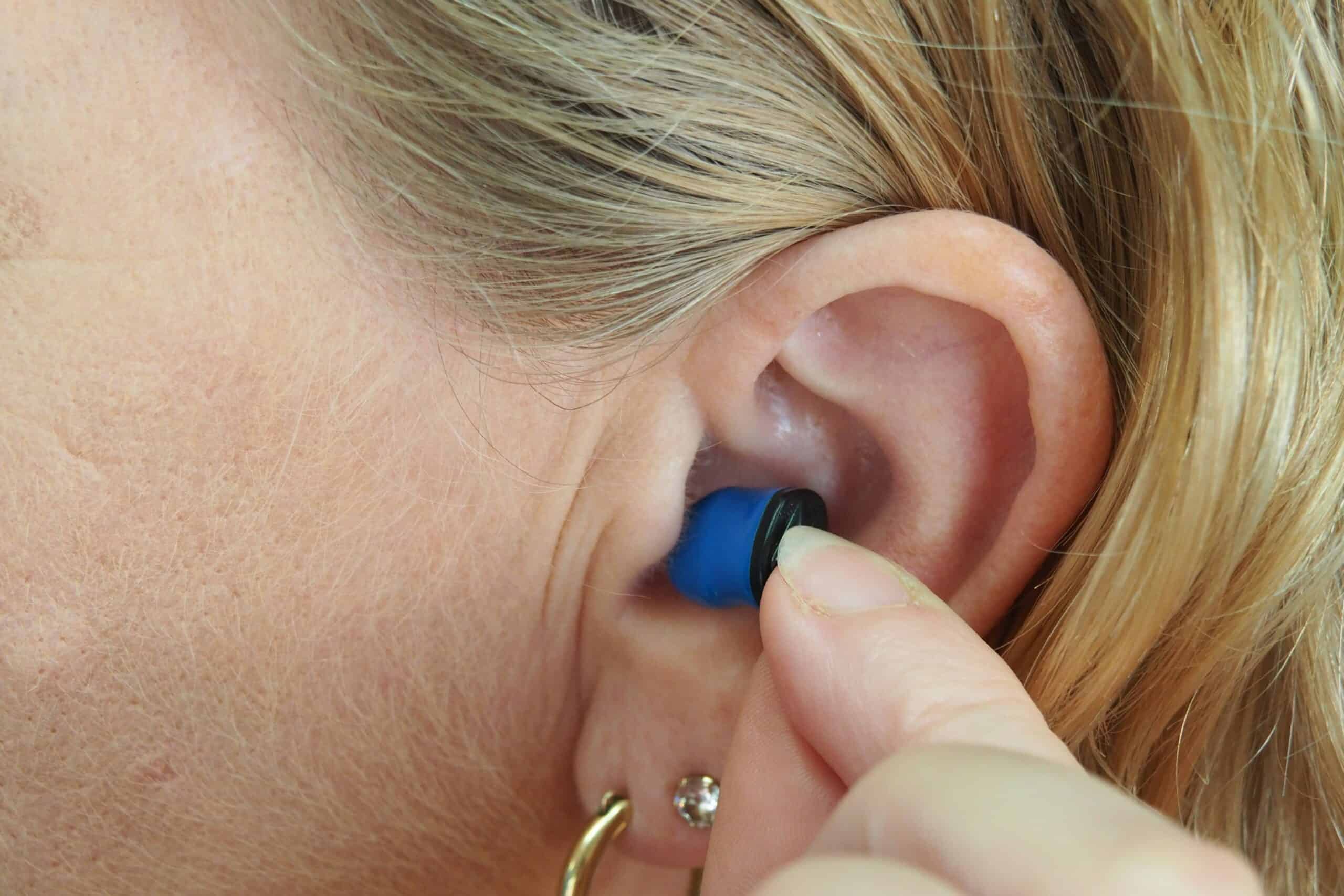
For migraine, the most useful earplugs take the edge off loud, sharp sound without sealing you off completely, because sound sensitivity, or phonophobia, is one of migraine’s most common symptoms. The best earplugs for migraine depend on how much you want to block and when you plan to wear them: soft foam for the deepest quiet during an attack, filtered reusable plugs like the ones from Loop, Eargasm, or Vibes for restaurants and events, and low-profile soft plugs for sleeping through one. If light is also a trigger for you, pairing plugs with glasses for light sensitivity covers both senses at once. This guide is general information written from a research perspective, not medical advice, and earplugs are a comfort tool rather than a treatment.
Quick Verdict
Reach for soft foam earplugs when you want the deepest quiet during an attack, and filtered reusable earplugs when you still need to hear conversation. Sleepers with sensitive ears do best with low-profile soft silicone. None of these treat migraine; they simply reduce the noise load that can make an attack harder to bear.
Why Trust This Guide
Independent picks, reader-supported through affiliate links at no cost to you. Selections draw on product research, manufacturer specifications, and the migraine authorities cited in Sources. This guide is written by someone who gets migraines, so the framing reflects real symptom experience, but the product notes are research-based, not clinical claims.
Key Takeaways
- Sound sensitivity is a core migraine symptom, so reducing noise can make an attack more bearable.
- Foam blocks the most; filtered reusable plugs lower volume while keeping speech clear.
- For sleep, comfort and a low profile matter more than a high Noise Reduction Rating.
- Earplugs are a coping tool, not a cure, and total silence is not always the goal.
- See a clinician if noise sensitivity is frequent, severe, or new.
How We Picked Earplugs for Migraine
We prioritized all-day comfort, an effective seal, and a range of noise-reduction levels, since migraine needs run from softening a loud commute to blocking the world out during a full attack. Sound sensitivity is well documented in migraine: a peer-reviewed study found people with migraine are significantly more sensitive to both light and sound even between attacks, not only during them.1 The Association of Migraine Disorders likewise lists sensitivity to sound, phonophobia, among migraine’s well-known symptoms.2 One thing most roundups gloss over: for migraine, the highest Noise Reduction Rating (NRR) is rarely the goal. Comfort and the right amount of reduction matter more than a maximum number, and total-silence blocking can leave you unable to hear alarms or traffic. The picks below are grouped by how much they block and how you will use them, spanning foam, silicone, wax, and filtered designs from the brands that dominate the category.
Soft Foam Earplugs for Maximum Quiet
Why They Stand Out
Disposable foam earplugs give the deepest noise reduction of any everyday option, which is what many people want when a full attack makes ordinary sound painful. They expand to fill the ear canal, carry the highest NRR figures in the category, and cost so little you can stash them everywhere. Familiar names include Mack’s, Flents, Howard Leight, and 3M.
Worth Knowing
Foam muffles speech along with everything else, so it is best for retreating rather than functioning, and the roll-and-insert technique takes a little practice to get a full seal. Foam is porous, so plugs are single-use to few-use before they stop expanding cleanly; a big bulk bag is cheap insurance and keeps the cost per wear near nothing.
These suit the person who, at the first sign of a bad attack, wants to lie down in a dark, silent room and shut everything out. If your household is loud or you live on a busy street, keeping a jar by the bed and another in your bag means you are never caught without them. Skip foam if you need to stay functional and hear people around you, or if repeatedly inserting a deep plug irritates your ear canals; a filtered or wax option will serve you better then.
Filtered Reusable Earplugs for Events and Restaurants
Why They Stand Out
Filtered, high-fidelity earplugs lower the overall volume while keeping sound relatively natural, so you can still follow a conversation. For migraine, this matters at restaurants, parties, and concerts where you want to dull the intensity without isolating yourself. This is the category Loop, Eargasm, Vibes, and Etymotic built their reputations on, and most come with swappable tips and a small carry case.
Worth Knowing
They reduce sound less than foam, which is the entire point, and they cost far more per pair, typically the price of many bags of foam. The upside is that one reusable pair lasts years, and the interchangeable silicone tips let you dial in a seal that foam cannot match for a reusable plug. Factor in that losing a single small plug means buying a whole new set.
These fit the person who still goes out, works in an open office, or commutes on loud transit and wants to take the sharp edge off noise before it tips into an attack. A parent at a birthday party, a diner in a clattering restaurant, or a commuter on a subway platform gets the most from them. Skip filtered plugs if what you actually need is maximum quiet to recover, or if a tight budget makes a reusable premium hard to justify when foam would do.
Low-Profile Earplugs for Sleeping Through an Attack
Why They Stand Out
Soft silicone or low-profile foam earplugs sit flush enough that side sleepers can rest against a pillow without the plug pressing into the canal. Resting in quiet can be a meaningful part of getting through a migraine, and brands like Mack’s and Hearprotek make sleep-specific designs shaped to stay put overnight.
Worth Knowing
A low profile usually means slightly less blocking than deep-insert foam, so they trade a few decibels for comfort. Soft, pliable materials matter most here; a plug that aches after twenty minutes is one you will pull out at 3 a.m. Some sleep plugs are reusable for weeks, which keeps the running cost low.
This pick is for the side sleeper whose attacks worsen with noise, or anyone sharing a room with a snorer or a partner on a different schedule. If you tend to sleep off a migraine, a comfortable low-profile plug can be the difference between resting and lying awake. Skip these if you need heavy-duty blocking while upright and alert, where deep foam or filtered plugs do more, or if you sleep on your back and pressure is a non-issue, in which case standard foam is cheaper.
Moldable Silicone and Wax Earplugs for a Custom Seal
Why They Stand Out
Moldable silicone or wax plugs, the style Mack’s Pillow Soft and Ohropax are known for, press over the opening of the ear canal rather than deep inside, forming a gentle custom seal. People who find foam uncomfortable often prefer this softer, pressure-free feel, and the moldable surface conforms to any ear shape.
Worth Knowing
They block less than inserted foam and can feel tacky in warm weather or pick up lint if set down. Each piece is reusable a limited number of times before it loses its stick, so a pack is a consumable rather than a lifetime buy. They also suit swimmers and shower use, a bonus if water in the ears bothers you.
These are for the person with sensitive or narrow ear canals who finds any inserted plug uncomfortable, and for light sleepers who want a soft over-the-canal seal. Someone who has tried foam and hated the pressure often finds moldable wax the fix. Skip them if you need deep-canal noise reduction for a severe attack, or if you dislike the slightly sticky feel on your fingers when molding them.
Reusable Flanged Earplugs for Everyday Carry
Why They Stand Out
Triple-flange reusable earplugs come on a cord or in a small case and hold up to repeated use, which suits people who want a durable pair in a bag or pocket for whenever sound gets overwhelming. Etymotic and Hearprotek are common in this space, and the washable design keeps running costs near zero after the first purchase.
Worth Knowing
The flanged fit can feel firmer than foam and takes a moment to seat correctly. A carrying case keeps them clean between uses, and a corded version is far harder to lose than tiny separate plugs. Because they are washable and reusable, one pair can last a year or more of daily carry.
These fit the person who wants one reliable pair always on hand, clipped in a bag or worn around the neck, ready for a sudden loud environment. A commuter, a concertgoer, or anyone whose attacks are triggered by unexpected noise benefits from the grab-and-go convenience. Skip flanged plugs if rigid tips feel uncomfortable in your ears, or if you specifically want the maximum blocking of foam for recovery.
Small-Canal Earplugs for Smaller Ears
Why They Stand Out
Earplugs sized for smaller ear canals seal properly where standard plugs slip or ache. A good seal is what actually reduces noise, so fit matters as much as the material, and several brands now sell small-fit or multi-tip sets aimed squarely at this problem.
Worth Knowing
Many small-canal sets include multiple tip sizes so you can find the one that seals without pain; try the smallest tips first. Sets with several tip pairs cost a little more up front but save you from buying a second product when the standard size does not fit. This is one area where the cheapest single-size plug is a false economy.
This pick is for anyone, often though not only women and teens, who finds standard plugs painful, loose, or prone to working their way out. If plugs have always seemed to fall out or hurt, a small-canal set is likely the fix rather than a sign that earplugs are not for you. Skip these if standard sizes already seal comfortably, since you would be paying for tips you do not need.
Earplugs for Migraine at a Glance
| Type | Blocking level | Reusable | Best for |
|---|---|---|---|
| Soft foam | Highest | Barely | Deep quiet during an attack |
| Filtered reusable | Moderate | Years | Restaurants, events, work |
| Low-profile soft | Moderate | Weeks | Sleeping through an attack |
| Moldable silicone/wax | Moderate | Limited | Sensitive ears, gentle seal |
| Reusable flanged | Moderate to high | A year+ | Everyday carry |
| Small-canal | Varies with fit | Varies | Smaller ears |
How to Choose Earplugs for Migraine
Decide how much you want to block
Match the plug to the moment. Retreating to recover calls for maximum foam blocking; staying functional in a noisy room calls for filtered plugs that lower volume evenly. Many people with migraine keep both rather than forcing one plug to do every job.
Prioritize comfort and fit over the NRR number
An earplug you take out because it aches is not helping, so softer materials and the right tip size matter more than a headline Noise Reduction Rating for migraine use. A plug that seals comfortably at a moderate rating beats a high-rated plug you cannot stand to wear.
Think about when and where you will wear them
Sleep, work, and events have different needs. A low-profile plug for the pillow is different from a filtered plug for a restaurant or a corded pair for the commute, which is why keeping a couple of types on hand is normal, not excessive.
Do not aim for total silence by default
Some research notes that even white noise can bother people with migraine, and total-silence blocking is not always the goal.2 Being able to hear alarms, traffic, or a child is often safer, so moderate, comfortable reduction is usually the smarter target than the deepest possible block.
Earplugs vs Noise-Canceling Headphones
When earplugs win
Earplugs are small, cheap, and easy to keep on hand, and they physically reduce sound without electronics or charging. They fit in a pocket, work during sleep where headphones are awkward, and never run out of battery mid-attack. For pure portability and sleep use, plugs are hard to beat.
When headphones win
Noise-canceling headphones can be more comfortable for some people over long stretches and let you add quiet audio or white noise, but they are bulky, need charging, and are hard to wear lying down. Many people with migraine keep both and choose based on the situation, using plugs for sleep and recovery and headphones at a desk.
Common Earplug Mistakes to Avoid
Wearing earplugs constantly
Using ear protection around the clock for ordinary sound can, over time, make everyday noise feel louder, a rebound effect worth taking seriously. Reserve heavy blocking for genuinely loud environments or active attacks, and ask a clinician if you feel you need them all the time.
Ignoring fit and seal
A plug that does not seal does not block much, and people often blame the product when the real issue is size or insertion. If noise still gets through, try a different tip size or the roll-and-insert technique before assuming the plug does not work.
Treating earplugs as a cure
Earplugs reduce a symptom trigger; they do not treat the underlying migraine. Pair them with your actual management plan rather than relying on them alone, and do not let them replace a conversation with your doctor about prevention.
Overlooking hygiene
Reusable plugs need regular cleaning, and foam plugs should be replaced once they stop expanding. Dirty or degraded plugs can irritate the ear canal or introduce bacteria, which is its own kind of misery on top of a migraine.
Recommended Reading
- glasses for light sensitivity, the visual counterpart to sound protection.
- a migraine-friendly workspace, for reducing noise and glare at your desk.
- sleeping through a migraine, where low-profile earplugs help.
- anti-glare screen filters, for screen-driven sensitivity.
- whether noise is a trigger or a symptom
Earplugs for Migraine FAQ
Do earplugs actually help with migraine?
They can help with the sound-sensitivity part of migraine by lowering the noise that makes an attack harder to endure. They do not stop the migraine itself, so think of them as a comfort and coping tool used alongside your treatment plan rather than a remedy.
Should I block sound completely during a migraine?
Not necessarily. Deep foam blocking helps when you can retreat to rest, but many people prefer filtered plugs that lower volume while still letting them hear. Being able to hear alarms and your surroundings is often safer, so match the level to the situation.
Are reusable or disposable earplugs better for migraine?
Disposable foam blocks the most and costs little; reusable filtered or flanged plugs keep sound natural and last for years. Many people with migraine keep both, using foam for recovery and filtered plugs for daily life, so it is less either-or than it looks.
What does NRR mean and does a higher number matter?
NRR is the Noise Reduction Rating, a lab estimate of how many decibels a plug blocks. A higher number blocks more, but for migraine, comfort and a good seal usually matter more than maximum NRR, since total silence is rarely the goal.
Can wearing earplugs too often make sound sensitivity worse?
Overusing ear protection for ordinary sound can make everyday noise seem louder over time. Reserve heavier blocking for loud environments or active attacks, and speak with a clinician if you feel you need them constantly.
What earplugs are best for sleeping with a migraine?
Low-profile soft silicone or soft foam plugs that sit flush are most comfortable for side sleepers, letting you rest against a pillow without the plug pressing in. Comfort matters more than maximum blocking for overnight use.
Do earplugs help if noise is a migraine trigger, not just a symptom?
They can. For people whose attacks are set off by sudden loud noise, keeping a pair on hand to insert before or during exposure may blunt the trigger. It is individual, so track whether they help you and use them proactively in known-loud settings.
When should I see a doctor about noise sensitivity?
See a clinician if sound sensitivity is frequent, severe, new, or paired with other troubling symptoms. Persistent phonophobia can be part of migraine, but a professional can confirm the cause and tailor a treatment plan for you.
Sources
- Main A, Dowson A, Gross M. Photophobia and Phonophobia in Migraineurs Between Attacks. Headache (PubMed).
- Association of Migraine Disorders. Sensory Sensitivities in Migraine (Photophobia, Phonophobia, Osmophobia).
