
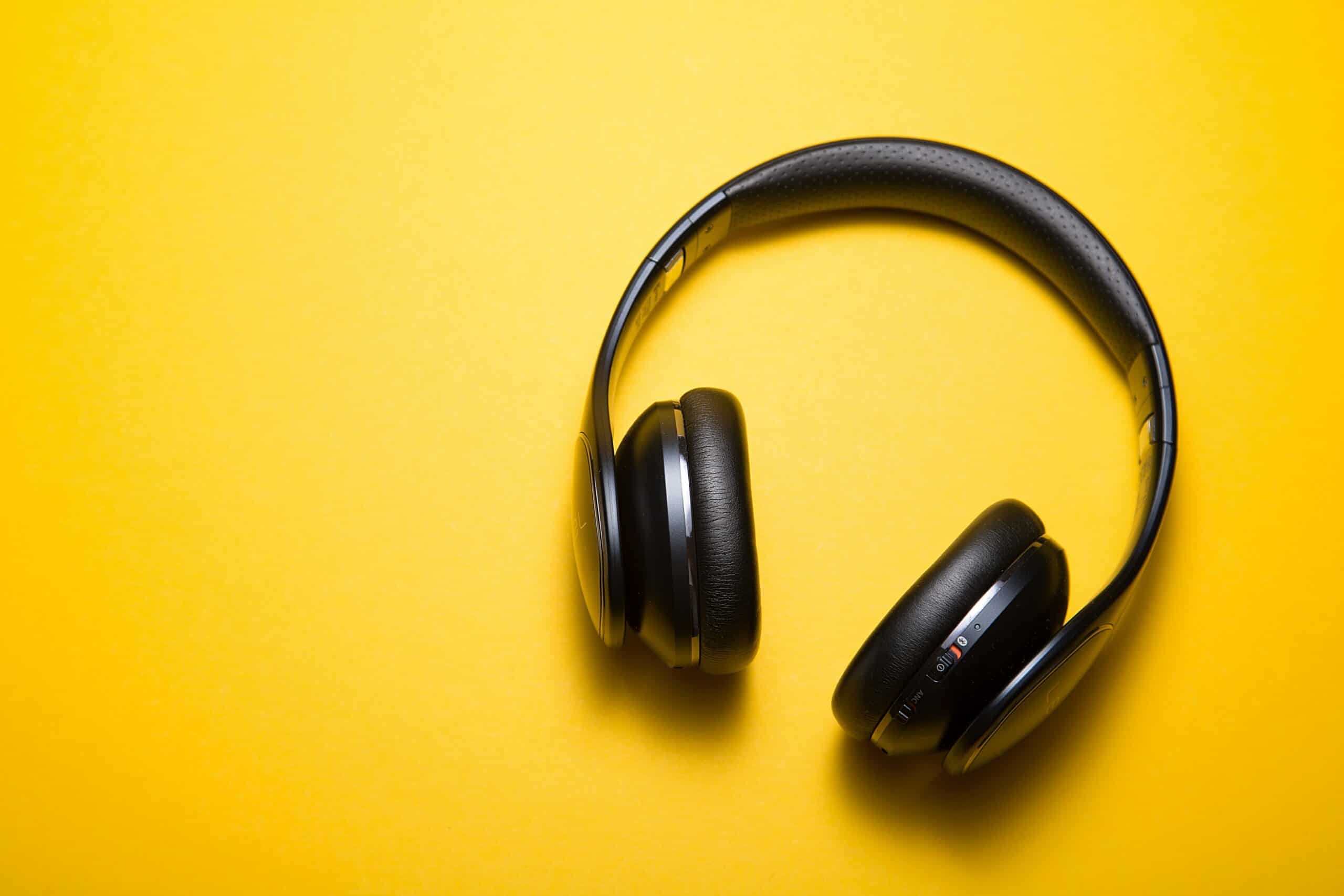
A migraine attack changes the relationship between your brain and sound in a way that is genuinely difficult to explain to people who do not get migraines. The hum of a refrigerator becomes a drilling noise. A coworker’s voice in the next room turns into something physical, hammering at your skull. The HVAC system you never noticed before becomes the loudest thing in the room. This is phonophobia, the sound sensitivity that affects roughly 76% of migraine sufferers, and it is one of the most disabling components of an attack. For a related option, see our guide to earplugs for migraines.
This is general information, not medical advice, and these products may ease symptoms but do not treat or prevent migraine. See a doctor for persistent or severe migraine.
Earplugs help, but they are not enough for severe phonophobia. The passive sound reduction of even the best foam earplugs is around 30 decibels, which leaves plenty of ambient sound coming through during a sensory-overwhelmed attack. Active noise cancelling (ANC) headphones add another 20 to 35 decibels of low-frequency cancellation on top of passive isolation, producing a quiet that is genuinely meaningful when your nervous system is in attack mode. Our guide to gentle shampoos for scalp tenderness picks that up.
This guide covers the five best noise-cancelling headphones for migraines in 2026, evaluated specifically for the criteria that matter when you are using them through a migraine attack rather than for music or commute use. We focused on ANC strength during silent operation, weight and comfort during long wear with active head pain, lying-down compatibility, and ear cup pressure that does not aggravate the pain you are already managing.
Why Noise-Cancelling Headphones Help During Migraines
The biology of migraine phonophobia is real and measurable. During an attack, the trigeminal-thalamic pathway in the brain becomes hyperexcitable, and sound input that would normally be processed and filtered out reaches conscious awareness with full intensity. Sounds that were tolerable an hour ago become physically painful. Voices that you would normally tune out demand attention. Background noise that you never registered becomes overwhelming.
Reducing the sound input directly reduces the load on this overstimulated pathway. The less sound your brain has to process, the less work the already-overwhelmed system is doing, and the easier it is for the attack to subside. This is why dark, quiet rooms are the most common migraine self-treatment, they reduce sensory load in both the visual and auditory channels simultaneously.
Active noise-cancelling headphones use microphones to detect ambient sound and produce inverse sound waves that cancel the original noise. The result is a substantially quieter perceived environment, particularly for low-frequency sounds like HVAC systems, traffic, refrigerators, and human voices through walls, exactly the categories of background noise that become unbearable during attacks.
The advantage over earplugs is significant for several reasons. ANC headphones cancel sounds across frequency ranges that earplugs cannot meaningfully reduce. Earplugs reduce all sound, including conversation, while ANC headphones can be paired with white noise, soft music, or guided meditation to actively manage the auditory environment rather than just blocking it. ANC headphones do not require fitting into the ear canal, which can be uncomfortable when ear sensitivity is part of the migraine. For the underlying question, see whether noise cancelling headphones help migraines.
The disadvantage of headphones is real too. They add weight to your head when your head hurts. And they press on your ears or skull, where you may have pain. They also are awkward to lie down with on most pillows. The right pair for migraine use addresses these issues specifically.
What to Look For in Noise-Cancelling Headphones for Migraine Use
The criteria that matter for migraine-specific use differ from those that matter for music listening or general commuting.
ANC Strength During Silent Operation
Most ANC reviews evaluate noise cancellation while music is playing. For migraine use, the more important question is how much the headphones cancel ambient sound when no audio is playing. Some headphones produce excellent music-listening cancellation but have weaker silent-mode cancellation, leaving more residual noise audible.
The best migraine headphones produce a noticeable, immediate quiet upon putting them on with ANC active and no audio playing. The difference between ambient room noise and ANC-active silence should be obvious within seconds.
Weight and Pressure Distribution
A standard premium ANC headphone weighs 9 to 12 ounces. For an hour of music listening with normal head sensitivity, this is fine. For four hours during a migraine attack with head pain, the weight becomes its own problem. Lighter headphones are dramatically easier to tolerate during long attacks.
Pressure distribution matters too. Headphones with a strong clamping force may have great seal and ANC performance, but cause pressure pain on already-sensitive temples. Looser-fitting headphones may compromise ANC slightly, but are tolerable for the long wear durations that severe attacks require.
Lying-Down Compatibility
Many migraine sufferers spend attacks lying down. Most over-ear headphones are difficult to lie down with, the ear cups press into the pillow, transferring force to the side of the head and ear. Some specific designs, smaller on-ear formats, or specialty sleep-oriented headphones address this.
For attacks where lying down is the primary coping position, this single criterion can override ANC strength considerations. A pair of headphones that you cannot use lying down does not help during the worst of an attack.
Battery Life Across Long Attacks
Severe migraine attacks last 4 to 72 hours. Headphones with 20-hour battery life are fine for most use cases, but require charging during a multi-day attack when you do not want to think about charging anything. Battery life of 30+ hours, or fast charging that produces hours of use from minutes of charging, reduces the cognitive load during attacks.
Comfort Without Audio Playing
The headphones need to be comfortable without music or other audio playing. Many migraine sufferers cannot tolerate music or speech during attacks but want the ANC silence. Headphones designed primarily as music products sometimes feel awkward in pure ANC mode, the drivers may produce minor hiss, the seal may feel tight without the perceptual masking of music, the ear cup orientation may not support extended silent wear.
Best Noise-Cancelling Headphones for Migraines in 2026: Our Top 5 Picks
After evaluating noise-cancelling headphones specifically against migraine-use criteria, these five stood out for combining strong ANC with the comfort and practical features that matter during attacks.
1. Bose QuietComfort Ultra Headphones, Best Overall
Best Overall ANC Headphones for Migraines | Price: ~$430
Best for: Migraine sufferers who need the strongest available ANC, those who experience attacks frequently enough to justify a premium investment, and sufferers who cannot tolerate any residual ambient sound during attacks.
The Bose QuietComfort Ultra produces the strongest active noise cancellation in the consumer headphone category, with measurably greater silent-mode cancellation than competing flagships. Walking into a noisy environment, putting on the QC Ultra with ANC active, and experiencing immediate quiet that approaches the silence of a quiet room is a consistent user experience that other headphones do not quite match.
The weight is moderate at 9 ounces, not the lightest in our roundup, but lighter than competing flagships from Sony and Apple. The headband distributes pressure across a wider area than older Bose models, reducing the temple-pressure issue that plagued earlier QuietComfort versions and made them difficult to wear during attacks.
The ear cushions are deep and soft enough to accommodate extended wear without ear-tip pressure. For migraine sufferers with ear sensitivity as part of attack symptoms, this matters more than the spec sheets suggest.
Battery life is 24 hours with ANC active. This is adequate for single-day attacks and most multi-day scenarios with overnight charging. The fast charge produces 2.5 hours of use from 15 minutes of charging, which handles the situation where an attack starts, and the headphones are not at full charge.
Why Bose QC Ultra Leads for Migraine Use
The combination of best-in-class ANC and pressure-distributed comfort means migraine sufferers can wear these for the long durations that severe attacks require without the headphones themselves becoming a source of pain. The silent-mode cancellation is meaningfully better than the Sony WH-1000XM5 or AirPods Max in environments with HVAC, traffic, or human voice noise, exactly the noise types that trigger migraine phonophobia worst.
The trade-off is price. At $430, these are the most expensive headphones in our roundup. For frequent migraine sufferers, those experiencing more than 4 attacks per month, the cost-per-use math justifies the premium quickly. And for occasional sufferers, less expensive options in this guide deliver substantial benefit at a lower cost.
Or for the broader light and noise sensitivity toolkit, our guide on the best ear plugs for migraine noise sensitivity covers earplug options that pair well with headphones for layered sound reduction during the worst attacks.
PROS:
- Strongest silent-mode ANC in the consumer headphone category
- Pressure-distributed headband design is tolerable for long wear
- Deep ear cushions accommodate ear sensitivity
- 24-hour battery life with fast charge support
- Excellent build quality with a five-year typical lifespan
CONS:
- Highest price point in our roundup at ~$430
- 9-ounce weight is moderate, not lightweight
- Limited customization compared to Sony alternatives
- Difficult to use lying down on most pillows
2. Sony WH-1000XM5, Best for Battery Life
Best for Multi-Day Attacks | Price: ~$330
Best for: Migraine sufferers who experience extended attacks lasting 24+ hours, sufferers who travel and need long battery life away from charging, and those who want strong ANC at a more accessible price than the Bose flagship.
The Sony WH-1000XM5 produces ANC performance very close to the Bose QC Ultra at a meaningfully lower price point, with substantially better battery life. The 30-hour battery life with ANC active is the longest in our roundup, comfortably handling multi-day attacks without charging concerns.
The weight is 8.8 ounces, slightly lighter than the Bose, contributing to better long-wear tolerance. The headband design is comfortable for extended wear, though the clamping force is slightly tighter than the Bose, which is a consideration for sufferers with temple sensitivity during attacks.
The ANC is excellent. In silent operation, the WH-1000XM5 cancels low-frequency noise nearly as well as the Bose, with a slightly different frequency-response profile that some users actually prefer for human voice cancellation specifically. For sufferers whose primary trigger is conversation or speech through walls, the Sony may be the marginally better choice.
When Sony Beats Bose for Migraine Use
Sony’s longer battery life is the decisive factor for sufferers experiencing multi-day attacks or those who use headphones daily for non-migraine purposes (commuting, work) and need them ready for unexpected attacks. Charging anxiety during an attack is a real cognitive load, and 30 hours of battery removes that concern.
The price difference is significant. At roughly $100 less than the Bose flagship, the Sony delivers substantial ANC value at a more accessible price. For sufferers building a complete migraine toolkit, including migraine glasses for light sensitivity, cooling pads, and other gear, the budget allocation matters.
The trade-offs are minor. The Bose has marginally stronger silent-mode cancellation and slightly better headband comfort. For most sufferers, Sony’s combination of features and value makes it the practical winner over the technically superior Bose.
PROS:
- 30-hour battery life handles multi-day attacks
- ANC performance is very close to the Bose flagship
- Lighter weight at 8.8 ounces
- More accessible price point than premium alternatives
- Excellent voice-frequency cancellation
CONS:
- Tighter clamping force than Bose
- Plastic build feels less premium than competitors
- Less effective at very low frequencies than Bose
- Difficult to use lying down on most pillows
3. Bose QuietComfort SC, Best Mid-Tier Option
Best Mid-Tier ANC Headphones | Price: ~$250
Best for: Migraine sufferers who want Bose ANC quality without the flagship price, occasional sufferers experiencing 1-2 attacks per month, and sufferers prioritizing comfort over absolute ANC peak performance.
The Bose QuietComfort SC delivers approximately 85% of the ANC performance of the QC Ultra at roughly 60% of the price. For migraine sufferers, the practical difference between the two during actual attack use is smaller than the spec sheet suggests, both produce the immediate quiet that matters when phonophobia is active.
The weight is 8.5 ounces, among the lightest premium ANC headphones available. For long attack wear, this weight difference compared to heavier flagships is genuinely meaningful. The headband uses Bose’s proven pressure-distribution design, which has the best track record for migraine-tolerable comfort.
The ear cushions are slightly less deep than the Ultra version, but still accommodate most users without ear-tip pressure. Battery life is 24 hours with ANC, identical to the Ultra.
Why the Mid-Tier Bose Often Wins for Migraine Use
For most migraine sufferers, the absolute peak ANC performance of the Ultra is not the deciding factor. Comfort during long wear, weight on a sensitive head, and quick deployment when an attack starts all matter more than the marginal ANC difference between flagship and mid-tier Bose headphones.
The QC SC delivers all the practical benefits of Bose’s design philosophy at a price point that does not require sufferers to justify a $400+ purchase. For occasional sufferers building a complete toolkit, the savings can be redirected to other components like cooling pads or the right pillow for migraine sufferers.
The trade-off is real but small. The Ultra produces slightly better silent-mode cancellation, slightly deeper ear cushions, and a marginally more refined experience overall. For frequent severe sufferers, that margin justifies the upgrade. For most users, the SC is the practical choice.
PROS:
- 85% of QC Ultra ANC performance at 60% of the price
- Lightest weight in the Bose lineup at 8.5 ounces
- Excellent pressure-distributed headband design
- 24-hour battery life with fast charge
- Best practical value in the Bose lineup
CONS:
- Slightly less ANC peak performance than Ultra
- Less deep ear cushions than the Ultra
- No premium build features of the flagship
- Same lying-down limitations as other over-ear designs
4. Anker Soundcore Space Q45, Best Budget Pick
Best Budget ANC Headphones | Price: ~$100
Best for: Migraine sufferers on a tight budget, infrequent sufferers experiencing fewer than 1 attack per month, and sufferers wanting to test whether ANC headphones help before investing in premium options.
The Anker Soundcore Space Q45 delivers genuinely good ANC at a price point that historically did not produce usable noise cancellation. The performance is not at the level of premium options, silent-mode cancellation is noticeably weaker than the Bose QC Ultra, but it is meaningfully better than no ANC at all, and that meaningful difference is what matters during a migraine attack.
The 50-hour battery life is the longest in our roundup, even longer than the Sony. For sufferers who travel or experience extended attacks, this is the most carefree option. The weight at 10.5 ounces is heavier than premium options, which is the main wear-comfort trade-off.
The build quality is acceptable but not premium. The plastic feels less refined than competitors, the headband design is functional but not exceptional, and the ear cushions are adequate but not the deep luxurious cushions of premium options. For occasional use, none of this matters. For daily use or extended attack wear, the comfort gap becomes more noticeable.
When Budget ANC Is the Right Answer
For sufferers experiencing fewer than 1 attack per month, the math changes. Spending $400 on premium headphones used 12 times per year produces a per-use cost of $33. Spending $100 on adequate headphones used 12 times per year produces a per-use cost of $8. The premium experience matters less if total use is low.
For first-time ANC users testing whether the technology helps with their specific phonophobia patterns, the Anker is the right starting point. If it produces meaningful relief, you can upgrade later. If it does not produce relief, some sufferers find that any over-ear pressure during attacks outweighs ANC benefits, you have not lost much.
For a broader migraine toolkit building on a budget, our guides on migraine balms and sticks and peppermint oil rollers cover affordable additional tools that complement budget ANC headphones.
PROS:
- Genuine ANC functionality at the $100 price point
- 50-hour battery life is the longest in our roundup
- Adequate build quality for occasional use
- Good entry point for testing ANC benefit
- Frequent sales bring the price below $100
CONS:
- Heavier at 10.5 ounces
- Less effective ANC than premium alternatives
- Less premium build and materials
- Less comfortable for extended wear during attacks
5. Bose Sleepbuds II, Best for Lying Down
Best for Lying-Down Use | Price: ~$250
Best for: Migraine sufferers who lie down during attacks, sufferers whose attacks include head-position pain that prevents over-ear headphone use, and sufferers who want a dedicated migraine and sleep tool rather than a multi-purpose headphone.
The Bose Sleepbuds II are not technically noise-cancelling headphones in the traditional sense, they use passive noise blocking combined with masking sounds rather than active cancellation. For migraine use specifically, they deserve inclusion because they solve the lying-down problem that no over-ear headphone can solve.
The buds are designed to sit flush in the ear and not protrude, allowing sufferers to lie on their side during attacks without the ear-cup pressure that makes over-ear headphones impossible to use lying down. The passive isolation is substantial, comparable to good earplugs, and the masking sounds provide active management of the auditory environment.
The masking sounds are the differentiator. Where ANC headphones produce silence, the Sleepbuds produce specific calming sounds (rain, ocean, wind, drone) that mask remaining ambient noise without requiring you to listen to music. For phonophobia management during an attack, this is sometimes more useful than pure silence, the masking sound becomes a focused auditory environment that the brain can settle into.
Why a Specialty Product Is Sometimes the Right Answer
Generic ANC headphones cannot solve the lying-down problem. The Sleepbuds II are not the highest-tech sound reduction product in our roundup, but they are the only option that lets a migraine sufferer lie on their side during an attack with effective sound management.
For sufferers whose attacks routinely involve lying down, particularly side-lying, which is the most common attack position, the Sleepbuds may serve better than any over-ear headphone regardless of ANC strength. The headphones you can actually use during your attacks are more valuable than headphones with better specs that you cannot use.
For attack management that pairs with the Sleepbuds, our guides on how to sleep with migraine and the best pillows for migraine sufferers address the broader sleep environment that matters during attacks.
PROS:
- Only option in our roundup compatible with side-lying use
- Effective passive isolation comparable to good earplugs
- Masking sounds provide active auditory management
- Designed specifically for sleep and rest scenarios
- Bose audio quality and build standards
CONS:
- No active noise cancellation
- Limited to pre-loaded sounds, not custom audio
- 10-hour battery requires a charging case
- Higher price for a specialty product
- Not suitable for daytime music or commute use
Related: hearing protection for concerts and events migraine.
How to Build a Layered Sound Reduction Strategy for Migraines
The best migraine sound management often involves multiple tools used in different scenarios rather than a single perfect product.
For acute attack management while sitting or upright, premium over-ear ANC headphones provide the strongest sound reduction. The Bose QC Ultra or Sony WH-1000XM5 deliver the silence that matters most when phonophobia is severe.
For lying-down attack management, the Bose Sleepbuds II or earplugs are the practical choices because over-ear headphones become uncomfortable on most pillows.
For prevention and trigger management, sufferers who experience attacks triggered by ambient noise in environments like offices, commutes, or shopping, daily ANC headphone use can reduce trigger exposure and the frequency of attacks. The Sony WH-1000XM5 is the practical choice for this use case because of its battery life and price.
For maximum sound reduction during severe attacks, layering matters. Foam earplugs underneath ANC headphones produce sound reduction beyond what either provides alone. The combination is awkward but produces the deepest quiet available without medical-grade hearing protection.
Quick Comparison Table
| Headphone | Best For | Price | Weight | Battery |
|---|---|---|---|---|
| Bose QC Ultra | Strongest ANC | ~$430 | 9 oz | 24 hr |
| Sony WH-1000XM5 | Multi-day attacks | ~$330 | 8.8 oz | 30 hr |
| Bose QC SC | Mid-tier value | ~$250 | 8.5 oz | 24 hr |
| Anker Space Q45 | Budget pick | ~$100 | 10.5 oz | 50 hr |
| Bose Sleepbuds II | Lying-down use | ~$250 | n/a | 10 hr |
Our Verdict
For most migraine sufferers, the Bose QuietComfort SC is the right starting point. The combination of best-in-class headband comfort, near-flagship ANC performance, and accessible price point delivers the practical benefits that matter during attacks without requiring a premium-flagship investment.
For frequent severe sufferers experiencing more than 4 attacks per month, the Bose QuietComfort Ultra justifies the premium. The marginally stronger ANC and slightly better long-wear comfort matter more when attacks are frequent and severe.
For sufferers prioritizing battery life or who experience extended multi-day attacks, the Sony WH-1000XM5 is the practical winner. The 30-hour battery handles attack scenarios where charging is an unwanted cognitive load.
For sufferers on a budget or those new to ANC headphones, the Anker Soundcore Space Q45 provides genuine ANC functionality at a price point that does not require commitment. If the technology helps your specific phonophobia patterns, you can upgrade later.
For sufferers whose attacks involve lying down, particularly side-lying, the Bose Sleepbuds II are the only practical option in our roundup. The lying-down compatibility outweighs the lack of active cancellation for this specific use case.
Pair the right headphones with the broader migraine toolkit, migraine glasses for light sensitivity, cooling pads for thermal therapy, magnesium for prevention, and the right environmental setup, and you have the sensory management foundation that makes attack recovery faster and prevention more reliable.
Frequently Asked Questions
Do noise-cancelling headphones actually help with migraines?
Yes, for most sufferers with phonophobia (sound sensitivity during attacks). Active noise cancellation reduces the ambient sound load that the migraine-affected nervous system has to process, often making attacks more tolerable and sometimes shortening their duration. The benefit is most pronounced for sufferers whose phonophobia is triggered by low-frequency sounds like HVAC, traffic, or voices through walls, exactly the noise types that ANC handles best.
Are noise-cancelling headphones better than earplugs for migraines?
For most use cases, yes. ANC headphones cancel sounds across frequency ranges that earplugs cannot effectively reduce, particularly low-frequency noise. They also avoid the ear canal pressure that some sufferers find uncomfortable during ear-sensitive attacks. However, earplugs are better for lying down on the side, smaller and more portable, and significantly cheaper. Many sufferers use both headphones during sitting attacks and earplugs during lying-down attacks.
Will noise-cancelling headphones make migraines worse?
For some sufferers, yes. Over-ear headphones can press on temples or skull where pain is centered, and the additional weight on the head can aggravate cervicogenic components of migraines. If your attacks include neck pain or temple pressure, lighter headphones (Bose QC SC) or in-ear options (Sleepbuds II) may serve you better than heavier flagship headphones. Test with returnable products before committing to expensive options.
What is the strongest noise-cancelling headphone for migraines?
The Bose QuietComfort Ultra produces the strongest active noise cancellation in the consumer headphone category, particularly for silent-mode operation that matters during attacks. The Sony WH-1000XM5 is very close in performance, with longer battery life. Both produce sound reduction meaningfully better than budget alternatives.
Can I sleep with noise-cancelling headphones during a migraine?
Most over-ear ANC headphones are difficult to sleep with on most pillows because the ear cups press into the pillow and transfer force to the side of the head. The Bose Sleepbuds II are the practical choice for lying-down sleep during attacks, they sit flush in the ear and accommodate side-lying. For sufferers who must sleep during attacks but prefer audio masking over silence, the Sleepbuds II are the right tool.
How long can I wear noise-cancelling headphones during a migraine?
Most sufferers can comfortably wear well-fitted headphones for 4 to 8 hours during attacks. Beyond that, ear cup pressure or headband fatigue may become uncomfortable. Lighter headphones (Bose QC SC at 8.5 oz) tolerate longer wear better than heavier options. Taking 10-minute breaks every few hours helps prevent pressure-related discomfort during extended attacks.
Are noise-cancelling headphones safe to use during migraines?
Yes. ANC technology produces inverse sound waves that cancel ambient noise and is not harmful at the levels used in consumer headphones. Some users describe a slight “pressure” sensation when ANC is active, which is a perceptual effect rather than an actual pressure change. If this sensation aggravates your specific migraine pattern, the Sleepbuds II (passive isolation, no ANC) may be a better choice.
Do I need premium headphones to help with migraines, or will cheap ones work?
Genuine relief is possible at multiple price points. Premium headphones (Bose QC Ultra, Sony WH-1000XM5) produce stronger ANC and better long-wear comfort, which matter more for frequent severe sufferers. Mid-tier options (Bose QC SC) deliver excellent practical value. Budget options (Anker Space Q45) provide real but reduced ANC at accessible prices. For first-time users testing whether ANC helps their specific phonophobia, starting with budget options and upgrading after experience is a reasonable approach.
Sources
- Headache Classification Committee of the International Headache Society. The International Classification of Headache Disorders, 3rd edition. Cephalalgia. 2018;38(1):1-211. https://ichd-3.org/
- Lipton RB, Munjal S, Buse DC, et al. Results From the American Migraine Prevalence and Prevention (AMPP) Study. Headache. 2016;56(10):1635-1648. https://headachejournal.onlinelibrary.wiley.com/
- National Institute of Neurological Disorders and Stroke. Migraine. National Institutes of Health. https://www.ninds.nih.gov/health-information/disorders/migraine
Recommended Reading
See our note on whether noise is a trigger or a symptom.
