
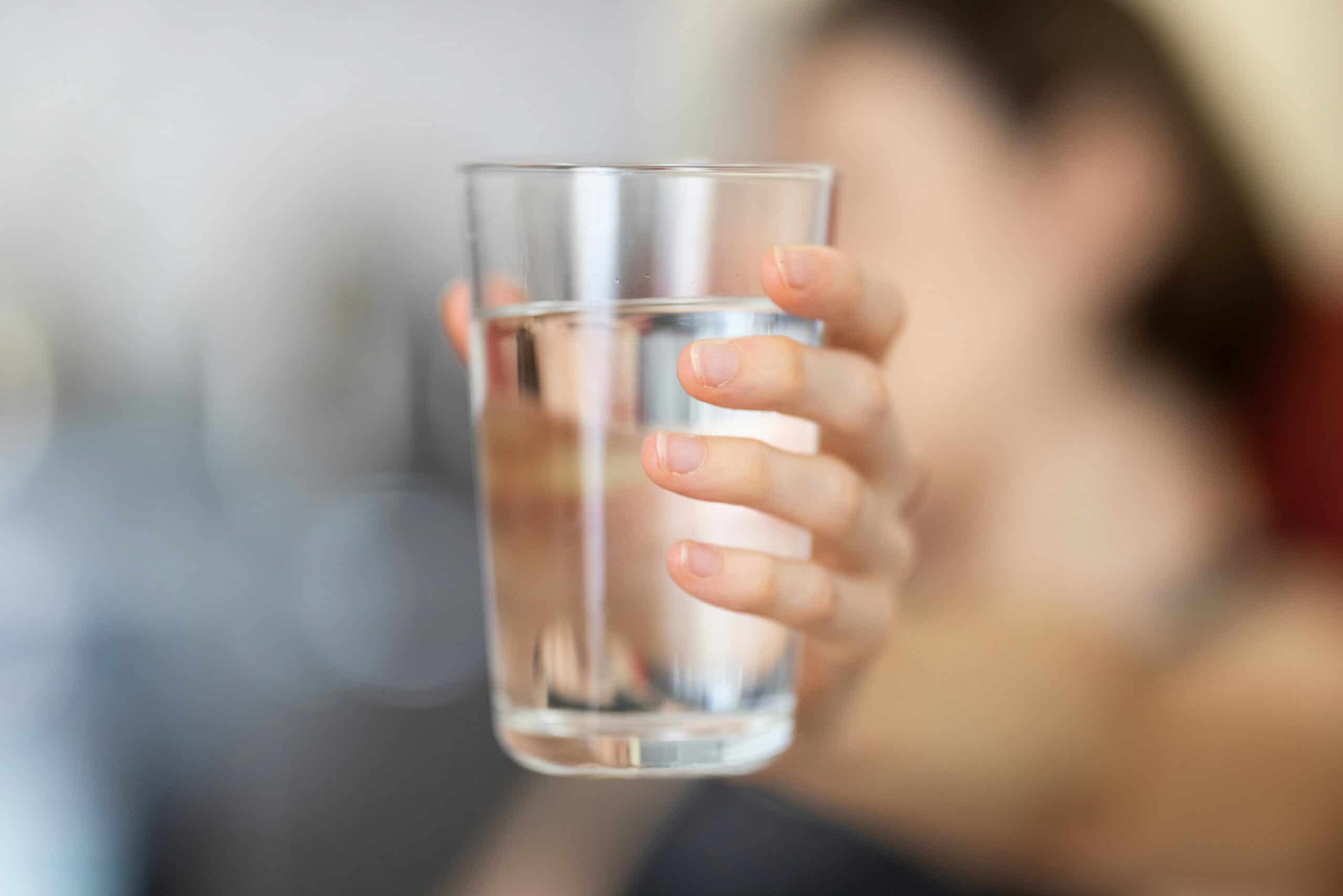
You can lower the odds of a dehydration-triggered migraine by drinking fluids steadily through the day rather than in large catch-up gulps, drinking more in heat or during exercise, and treating early thirst or dark urine as a signal to rehydrate. Preventing dehydration migraines is mostly about consistency, since about one in three people with migraine name dehydration as a trigger. It sits alongside the other common migraine triggers as one of the more controllable ones. This is general information from a research perspective, not medical advice, and hydration is one piece of a broader migraine plan. See also our guide on caffeine and migraines.
Quick Verdict
Sip fluids consistently instead of waiting until you are thirsty, increase intake when it is hot or you are active, and watch urine color as a simple gauge. For many people a glass of water at the first sign of a dehydration headache helps. Hydration supports migraine management but does not replace your treatment plan.
Please Read First
This article is general information, not medical advice. Dehydration is only one possible migraine trigger, and migraine has many causes. If your migraines are frequent, severe, or changing, talk to a doctor rather than relying on hydration alone. Individual fluid needs vary, and it is possible, though rare, to drink too much.
Key Takeaways
- About one-third of people with migraine consider dehydration a trigger.
- Steady sipping beats occasional large amounts for staying ahead of it.
- Heat, exercise, illness, and some medications raise your fluid needs.
- Urine color is a simple, practical hydration gauge.
- Hydration supports a migraine plan; it is not a standalone treatment.
How to Prevent Dehydration Migraines Step by Step
These steps focus on building a steady habit rather than reacting once a headache has started. Adjust the amounts to your own body, activity, and climate.
- Drink on a schedule, not on thirst. Thirst lags behind actual fluid loss, so sip through the day rather than waiting until you feel parched.
- Keep water visible. A bottle on your desk or in your bag is a simple cue that raises intake without much effort.
- Scale up for heat and exercise. Hot weather, workouts, and illness all increase fluid loss, so drink more on those days.
- Watch urine color. Pale straw usually means adequately hydrated; dark yellow is a cue to drink.
- Act early. At the first hint of a dehydration headache, having a glass of water can sometimes head it off.
Can Dehydration Really Trigger a Migraine?
Yes, dehydration is a widely recognized migraine trigger for a large share of people. The American Migraine Foundation reports that about one-third of people with migraine say dehydration is a trigger, and that for some, even slight dehydration can lead to head pain.1 One headache specialist quoted by the Foundation went further, calling dehydration one of the most potent migraine triggers and advising consistent daily water intake.2 The exact mechanism is not fully settled, but the practical takeaway is consistent: staying hydrated removes one avoidable trigger.
How Much Water Should You Drink to Prevent Migraines?
There is no single number that fits everyone, but general guidance offers a starting point. The American Migraine Foundation cites a daily fluid target in the range of about two liters, or roughly seven to eight glasses, as a reasonable baseline, with more needed in heat.1 Your needs rise with exercise, hot climates, pregnancy, and certain conditions, and fall in cooler, less active situations. Rather than fixating on a number, aim for steady intake and use urine color as feedback. Foods with high water content, such as fruit and soup, also count toward your daily fluids.
What Are the Early Signs of a Dehydration Migraine?
Early warning signs often include thirst, a dull or building head pain, dark urine, dry mouth, fatigue, and trouble concentrating. For people who get migraine, these can precede or blur into an attack. Catching them early, and drinking before the pain escalates, gives hydration the best chance to help. If a full migraine is already underway, water alone may not resolve it, and you should turn to your usual treatment plan.
Do Electrolytes Help Prevent Dehydration Migraines?
Electrolytes can help when you are losing a lot of fluid, such as during intense exercise, heat, or illness, because hydration involves mineral balance and not just water volume. Sodium, potassium, and magnesium all play a role in nerve and fluid balance, which is why plain water is sometimes not enough after heavy sweating. For everyday hydration, plain water is usually plenty. If you sweat heavily or are unwell, a drink with electrolytes may help you rehydrate more effectively, but there is no need to add sugary sports drinks for ordinary daily sipping.
Who Is Most at Risk of Dehydration Migraines?
Some people need to be more deliberate about fluids than others. Those who live in hot, dry climates, exercise intensely, work outdoors, drink a lot of alcohol or caffeine, or take diuretic medications lose fluid faster and are more prone to dehydration triggers. Older adults and anyone recovering from illness with fever, vomiting, or diarrhea are also at higher risk. If you fall into one of these groups, building a steady hydration habit matters even more, and it is worth discussing your specific needs with a clinician.
Common Mistakes to Avoid
Waiting until you are thirsty
Thirst is a late signal. By the time you feel it, you are already behind, so sip steadily rather than reacting to thirst.
Catching up with one huge drink
Chugging a large amount at once passes through quickly and does not rehydrate as well as spacing fluids out over the day.
Forgetting that some drinks work against you
Alcohol and, for some people, excess caffeine act as diuretics that increase fluid loss. Balance them with extra water.
Assuming water fixes every migraine
Hydration only addresses the dehydration trigger. If water does not help, or migraines are frequent, that is a reason to see a clinician, not to drink more and more.
Recommended Reading
- common migraine triggers, to see where dehydration fits in.
- preventing weather-triggered migraines, another controllable trigger.
- caffeine and migraine, since caffeine affects hydration both ways.
- stopping a migraine fast, for when one is already starting.
- morning migraine causes
- choosing a migraine supplement
Preventing Dehydration Migraines FAQ
Can drinking water stop a migraine once it starts?
Sometimes, if the migraine is driven mainly by dehydration and you drink at the first sign. Once a full attack is underway, water alone often is not enough, and you should use your regular treatment. Drinking early is more reliable than waiting.
How do I know if my migraine is from dehydration?
Clues include head pain that follows a stretch of low fluid intake, heat, or exercise, alongside signs like dark urine, dry mouth, and thirst. Tracking your fluids and symptoms can help you spot the pattern, but a clinician can help confirm your triggers.
Does coffee count toward hydration?
Caffeinated drinks do contribute fluid, but caffeine has a mild diuretic effect, and for some people too much caffeine is itself a migraine factor. Water is the more reliable choice for consistent hydration.
Can you drink too much water?
Yes, though it is uncommon. Drinking excessive amounts can dilute blood sodium, a condition called hyponatremia, which is dangerous. Aim for steady, sensible intake guided by thirst and urine color rather than forcing very large volumes.
Do electrolyte drinks prevent migraines?
They can help you rehydrate after heavy fluid loss from sweat or illness, when plain water alone may not restore mineral balance. For everyday prevention, water is usually enough, and electrolytes are most useful around exercise, heat, or sickness.
What is the easiest habit to prevent dehydration migraines?
Keeping a water bottle within sight and sipping regularly is the simplest, most effective habit. A visible cue plus steady sipping keeps you ahead of fluid loss with little effort.
When should I see a doctor?
See a doctor if your migraines are frequent, severe, changing in pattern, or not helped by managing obvious triggers like dehydration. A clinician can rule out other causes and build a treatment and prevention plan suited to you.
Sources
- American Migraine Foundation. Top 10 Migraine Triggers and How to Deal With Them.
- American Migraine Foundation. Managing Your Migraine With Headache Hygiene.
Intake depends on habit more than intention. water bottles for hydration covers tracking and capacity.
The harder problem for most people is remembering to drink at all. See our note on staying hydrated when you forget to drink.
