
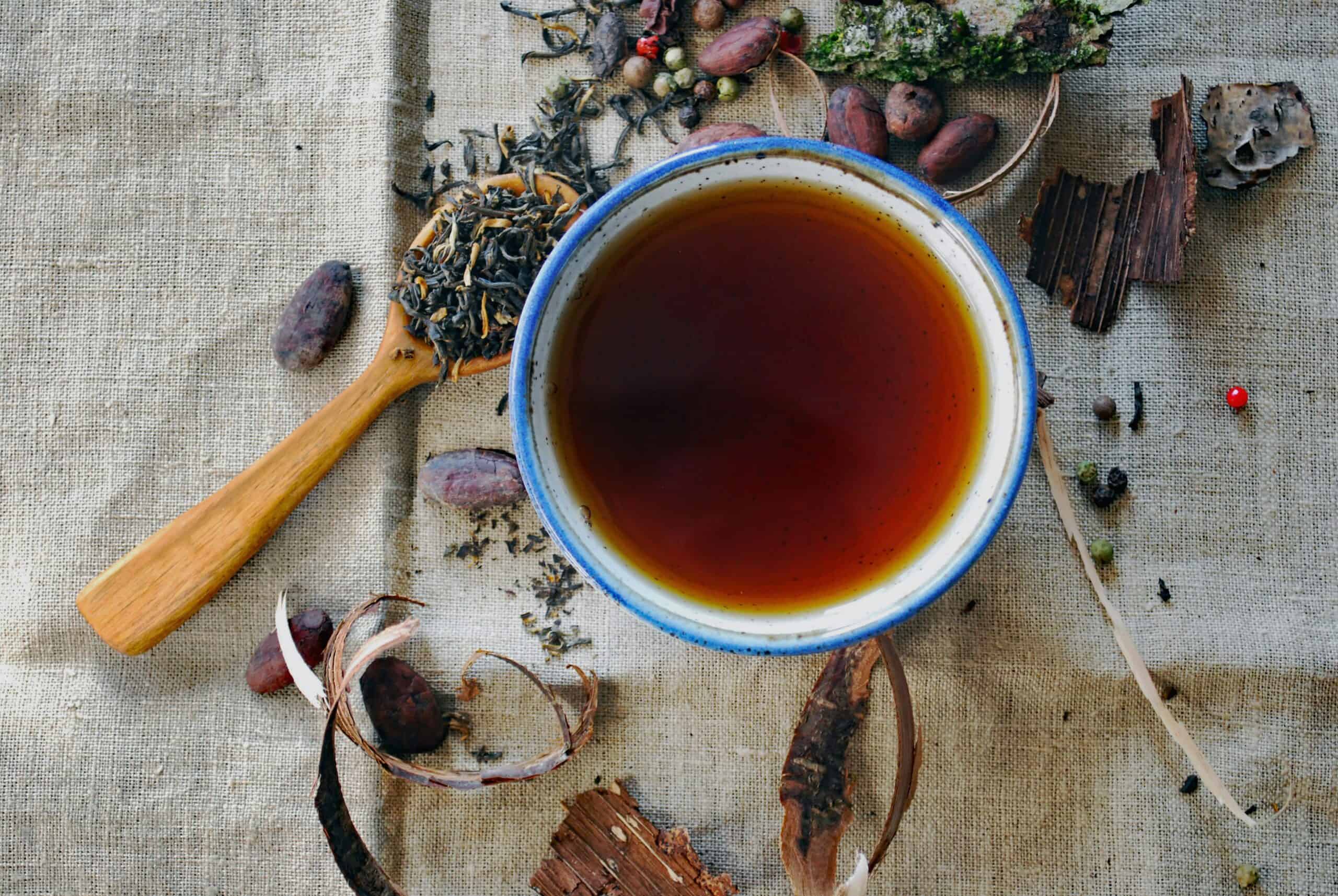
The teas most often turned to for migraine are ginger, peppermint, chamomile, and feverfew, with ginger having the strongest research behind it for easing pain and nausea, while the others are valued mainly for comfort and relaxation. Choosing the best teas for migraine relief is less about a miracle cure and more about gentle, low-risk options that may take the edge off, especially the nausea and tension that ride along with an attack. Because a warm, caffeine-free cup also adds fluids, tea overlaps neatly with managing caffeine and hydration, one of the more controllable pieces of migraine self-care. This guide is written from a research perspective and is not medical advice; human evidence for most herbal teas is limited, and tea should complement, not replace, your treatment. If you are curious, our guide on whether caffeine can help a migraine goes deeper.
Quick Verdict
Ginger tea has the best evidence, linked in trials to less migraine pain and nausea, so it is the first to try. Peppermint, chamomile, and lavender are soothing but rest largely on tradition rather than strong data. Caffeinated teas can cut both ways for migraine. None of these replace medical care.
Why Trust This Guide
Independent picks, reader-supported through affiliate links at no cost to you. Selections draw on published research and the peer-reviewed sources cited below, and are written by someone who gets migraines. Product notes are research-based; efficacy claims are kept modest because human evidence for herbal teas is genuinely limited.
Key Takeaways
- Ginger has the strongest trial evidence, mainly for acute pain and nausea.
- Peppermint, chamomile, and lavender are soothing but lightly studied as teas.
- Caffeinated teas can relieve some attacks yet trigger others, so use with care.
- Feverfew is a traditional migraine herb with mixed evidence and pregnancy cautions.
- Tea is a complementary comfort, not a substitute for treatment.
How We Chose These Teas
We favored teas with a plausible basis for migraine comfort, a good safety profile, and, where it exists, human trial evidence. Ginger stands apart here: a meta-analysis of randomized controlled trials concluded that ginger is safe and effective for migraine pain measured at two hours.1 For most other herbs, a systematic review of randomized trials found the evidence mixed or limited, so we frame those as soothing options rather than established remedies.2 The honest thing most tea roundups skip: outside of ginger, the benefit is largely comfort and ritual, not a documented migraine effect, and a few of these herbs carry real cautions. We flag both throughout, and note active compounds like gingerol, menthol, and parthenolide so you know what is actually doing the work.
Ginger Tea
Why It Stands Out
Ginger has the best research support of any tea on this list. Trials reviewed in a meta-analysis linked ginger to a higher chance of being pain-free two hours after treatment and to less migraine-related nausea and vomiting, effects attributed largely to the compound gingerol.1 That nausea benefit is especially relevant during an attack, when queasiness can be as disabling as the pain.
Worth Knowing
Evidence is strongest for acute relief, not prevention, and ginger potency varies widely by source, so fresh grated root usually delivers more than an old tea bag. A thumb of fresh ginger steeped ten minutes costs pennies per cup and is stronger than most pre-bagged versions; buying the root is the better value if you will drink it often.
This is the tea for the person who feels an attack building with nausea and wants something to sip that has actual trial support. Someone who cannot keep down oral medication during an attack may find ginger tea easier to tolerate. Skip it, or check first, if you take blood thinners, since ginger may add to their effect, and go easy if strong ginger bothers your stomach or reflux.
Peppermint Tea
Why It Stands Out
Peppermint, Mentha piperita, is popular for its cooling menthol and its calming effect on an unsettled stomach. Most peppermint migraine research involves the topical oil rather than the tea, so the tea’s appeal is mainly comfort and a settled stomach rather than documented pain relief.
Worth Knowing
Do not confuse drinking peppermint tea with applying peppermint essential oil to the temples, which is a separate practice with its own small evidence base. Peppermint relaxes the lower esophageal sphincter, so it can worsen acid reflux in some people. It is caffeine-free, cheap, and doubles as a hydrating drink.
This suits the person who wants a soothing, caffeine-free cup during an attack, particularly if nausea or a tense stomach is part of their pattern. Someone winding down in a dark room who finds warmth and menthol comforting gets the most from it. Skip peppermint if you have significant acid reflux or GERD, where it may aggravate symptoms rather than soothe them.
Chamomile Tea
Why It Stands Out
Chamomile, from the Matricaria plant, is a classic calming tea valued for easing stress and supporting sleep. Because stress and poor sleep are common migraine factors, a relaxing bedtime cup can indirectly support your routine even without direct anti-migraine evidence.
Worth Knowing
Its benefit here is relaxation, not a documented migraine treatment, so set expectations accordingly. Chamomile is in the ragweed family, so people allergic to ragweed, marigolds, or daisies should be cautious. It is caffeine-free and gentle enough for nightly use, which keeps the cost low and the routine easy.
This is for the person whose migraines tie to stress or disrupted sleep and who wants a calming ritual before bed. Someone building a consistent wind-down routine, a known help for migraine, can fold chamomile in naturally. Skip it if you have a ragweed-family allergy, and do not expect it to touch acute head pain the way ginger might.
Feverfew Tea
Why It Stands Out
Feverfew, Tanacetum parthenium, is one of the most traditional herbal remedies associated with migraine prevention, with its active compound parthenolide long studied for the purpose. A systematic review found its trial results mixed rather than conclusive, so it is best seen as a long-used option with uneven evidence.2
Worth Knowing
Feverfew has a notably bitter taste, can cause mouth ulcers or irritation in some people, and abruptly stopping long-term use has been linked to rebound symptoms. It is generally not recommended during pregnancy. Because it is a preventive rather than an acute herb, any benefit comes from consistent use over weeks, not a single cup during an attack.
This suits the person exploring traditional preventive herbs who is willing to use it consistently and under guidance. Someone whose clinician is comfortable with a feverfew trial may fold the tea into a prevention routine. Skip feverfew if you are pregnant, planning pregnancy, allergic to the daisy family, or taking blood thinners or other interacting medications, and talk to a clinician before starting.
Lavender Tea
Why It Stands Out
Lavender is used for relaxation and calm, and its aroma is a common part of migraine self-care. As a tea, its value is soothing and sensory rather than a documented migraine treatment, though the ritual of a warm, fragrant cup can help you decompress.
Worth Knowing
Evidence for lavender in migraine is limited and largely centers on aromatherapy, the inhaled oil, not the tea. The flavor is floral and soapy to some palates, so it is worth buying a small amount first. It is caffeine-free and blends well with chamomile if straight lavender is too strong.
This is for the person who finds scent and warmth genuinely calming and wants a relaxation ritual, especially alongside aromatherapy they already use. Someone sensitive to stress-triggered attacks may value the wind-down more than any direct effect. Skip lavender tea if floral flavors put you off, since a cup you dislike defeats the calming purpose.
Green or Black Tea (Caffeinated)
Why It Stands Out
A modest amount of caffeine can help relieve some acute migraine attacks for some people, which is why caffeinated tea appears here. Green tea also supplies L-theanine, an amino acid associated with calm focus, giving it a gentler lift than coffee for those who tolerate it.
Worth Knowing
Caffeine is double-edged: it relieves some attacks but triggers others, and frequent use of caffeine-containing remedies is linked to medication-overuse headache. That rebound risk is the single most important caution on this list, so watch how often you rely on it, and consider decaffeinated versions for the flavor without the load.
This suits the person who already knows a little caffeine aborts their attacks and wants a gentler source than strong coffee. Someone with a stable, low caffeine habit may use it deliberately and occasionally. Skip caffeinated tea if caffeine is one of your triggers, if you get frequent attacks, or if you already use caffeine often, where adding more courts rebound headaches.
Teas for Migraine at a Glance
| Tea | Main use | Caffeine | Evidence level |
|---|---|---|---|
| Ginger | Acute pain and nausea | None | Strongest (trial-backed) |
| Peppermint | Soothing, settling stomach | None | Limited as tea |
| Chamomile | Relaxation, sleep | None | Indirect |
| Feverfew | Traditional prevention | None | Mixed |
| Lavender | Relaxation | None | Limited |
| Green/black | Occasional acute relief | Yes | Individual, double-edged |
How to Choose a Tea for Migraine
Match the tea to the moment
Reach for ginger during an attack with nausea, and calming teas like chamomile or lavender for winding down and stress. Different teas serve different jobs, and there is no single best cup for every situation.
Mind the caffeine
Decide deliberately whether you want caffeine. It helps some attacks and triggers others, and frequent use carries a rebound-headache risk, so many people with migraine lean toward caffeine-free herbal options for daily sipping.
Keep expectations realistic
Outside of ginger, human evidence is limited. Treat most of these as gentle comfort that may help rather than as treatments, and never drop a prescribed plan in favor of tea.
Check for interactions and cautions
Herbs are not automatically harmless. Feverfew has pregnancy cautions, ginger may interact with blood thinners, and several herbs are in allergy-prone plant families, so review anything you use regularly with a clinician.
Herbal Tea vs Supplements for Migraine
When tea makes sense
Tea offers a low dose in a soothing, hydrating form, which is ideal for comfort during an attack and for building a calming ritual. The warmth and the act of sipping are part of the benefit, and the doses are gentle.
When a supplement makes sense
For a consistent, measured amount, especially of ginger for nausea or feverfew for prevention, a standardized supplement delivers a known dose that a variable cup of tea cannot. If you are targeting a specific effect over time, the supplement form is more reliable, so many people use both.
Common Mistakes to Avoid
Expecting tea to replace treatment
Tea is complementary comfort, not a cure. Use it alongside, not instead of, your migraine plan, and keep your clinician in the loop on what you take.
Over-relying on caffeinated tea
Frequent caffeine for headaches can lead to medication-overuse or rebound headaches. Keep caffeinated relief occasional and track how often you reach for it.
Assuming herbal means risk-free
Some herbs interact with medications or are unsafe in pregnancy. Feverfew in particular warrants a conversation with a clinician before regular use.
Ignoring hydration
A warm, caffeine-free tea also adds fluids, which helps if dehydration is one of your triggers, while caffeinated teas count less toward hydration. Do not let a caffeinated cup crowd out plain water.
How to Brew These Teas for the Most Benefit
Preparation affects how much you get from a cup. For ginger, fresh grated root steeped ten minutes releases more active compound than a brief dip of a dried bag, so steep longer and use fresh where you can. Delicate herbs like chamomile and lavender need only a few minutes and near-boiling, not fully boiling, water to avoid a bitter or flat result. Cover the cup while herbal teas steep to keep the volatile oils, the part that soothes, from escaping as steam. And for anything you are drinking during an attack, let it cool to a comfortable warmth rather than scalding, since sipping slowly is easier on a queasy stomach.
Recommended Reading
- ginger for migraine nausea, the supplement form of this guide’s top pick.
- caffeine and migraine, before leaning on caffeinated teas.
- anti-nausea products for migraine, for attack-time queasiness.
- essential oils for migraine, including peppermint and lavender for aromatherapy.
Teas for Migraine FAQ
Which tea is best for a migraine?
Ginger tea has the strongest evidence, tied in trials to less pain and nausea during an attack, so it is the first to try. Calming teas like chamomile help indirectly through relaxation, but ginger is the most research-supported choice.
Does peppermint tea help migraines?
Peppermint tea is soothing and can settle the stomach, but most peppermint migraine research uses the topical oil rather than the tea. Enjoy it for comfort and nausea relief while keeping expectations modest about direct pain relief.
Can caffeinated tea help or hurt migraines?
Both. A small amount of caffeine relieves some acute attacks, yet caffeine triggers others and, used often, can cause rebound headaches. If caffeine helps you, keep it occasional, and consider decaf otherwise.
Is feverfew tea safe?
Feverfew is a traditional migraine herb with mixed evidence and some cautions, including that it is generally not advised in pregnancy and can irritate the mouth. Check with a clinician before using it regularly, especially alongside other medications.
How much tea should I drink for migraine?
There is no set dose, but a cup or two of a caffeine-free herbal tea is reasonable for comfort and hydration. Limit caffeinated teas to occasional use to avoid rebound headaches, and be mindful of any herb-specific cautions.
Can I drink these teas every day?
Caffeine-free herbal teas like ginger, peppermint, chamomile, and lavender can generally be enjoyed daily for comfort and fluids. Feverfew and caffeinated teas are the ones to use more carefully, the former for its cautions and the latter for rebound risk.
Do herbal teas interact with migraine medication?
They can. Ginger may add to blood thinners, and feverfew has its own interactions, so herbal is not automatically safe with prescriptions. Tell your doctor or pharmacist which teas you drink regularly so they can check for conflicts.
When should I see a doctor?
See a doctor if your migraines are frequent, severe, or changing, or if home comfort measures are not enough. Herbal tea is a gentle add-on, not a treatment, and a clinician can build a plan suited to you.
Sources
- Chen L, Cai Z. The Efficacy of Ginger for the Treatment of Migraine: A Meta-Analysis of Randomized Controlled Studies. American Journal of Emergency Medicine (PubMed).
- Lopresti AL, et al. Herbal Treatments for Migraine: A Systematic Review of Randomised-Controlled Studies. Phytotherapy Research (PubMed).
For the wider picture, see our guide to how to choose migraine tension relief.
