
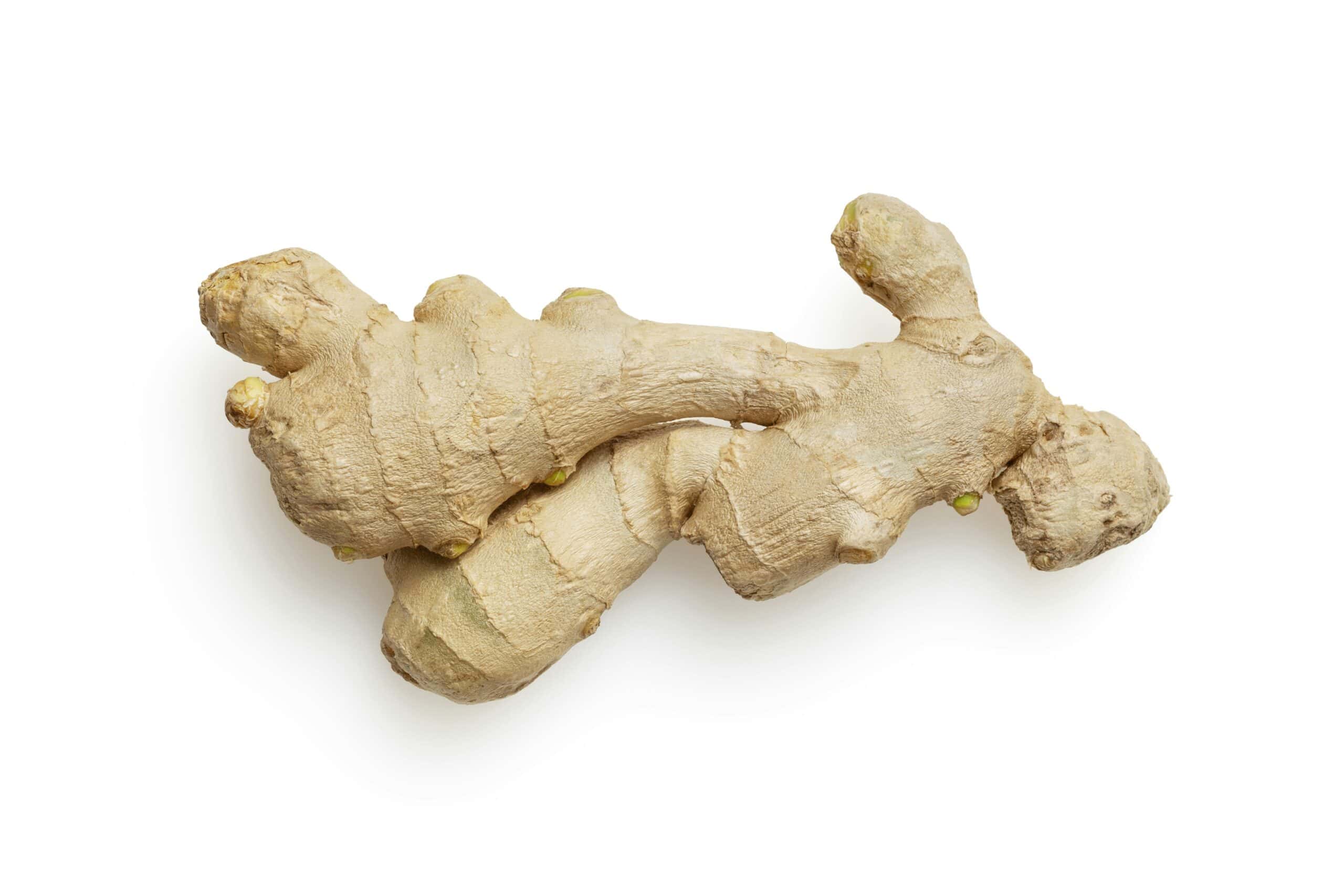
The best ginger supplements for migraine nausea do something most herbal supplements don’t: they have direct clinical trial evidence showing effects equivalent to prescription antiemetic medications. A 2014 randomized controlled trial found that 250 mg of ginger powder reduced migraine nausea, vomiting, and overall headache severity comparable to 50 mg of sumatriptan, with fewer side effects. For the 70% of migraine sufferers who experience nausea during attacks, ginger represents one of the most evidence-backed natural interventions available. For a related option, see our guide to soothing teas for migraine relief.
Ginger works through multiple mechanisms relevant to migraine. The active compounds (gingerols, shogaols, and zingiberene) inhibit prostaglandin synthesis similar to NSAIDs, reduce serotonin receptor activity in the gut that drives nausea, and have mild anti-inflammatory effects on migraine-related neurological inflammation. The combination addresses both the nausea and the underlying migraine pathway.
The five picks below cover different ginger formats: powdered capsules, standardized extracts, chewables for fast absorption, liquid extracts, and ginger combined with other migraine-supportive ingredients. Each one earned its slot through standardized active compound content, third-party testing, and effectiveness in real migraine use rather than generic stomach upset.
Medical disclaimer: This article shares general information for educational purposes. It does not replace medical advice from your healthcare provider. Ginger can interact with blood thinners and increase bleeding risk. Always consult your doctor before starting any new supplement, especially during pregnancy or if you take medications.
Why Ginger Helps Migraine Nausea Specifically
Migraine nausea differs from typical motion sickness or food-related nausea because it originates from central nervous system activation during the attack, not from gut irritation. The trigeminal nerve activation that drives migraine pain also triggers serotonin release in the gut, which produces the characteristic nausea, vomiting, and gastric stasis (slowed digestion) that complicate migraine attacks. Standard antiemetics target the gut. Ginger targets both gut serotonin response and the underlying inflammation.
The clinical evidence is genuine. Beyond the 2014 sumatriptan comparison study, multiple smaller trials have shown that ginger reduces migraine nausea by 40 to 60% within 30 to 90 minutes of dosing. The effect is fastest when ginger is taken at the first sign of nausea rather than waiting until vomiting becomes severe. Some sufferers find ginger more effective for migraine nausea than for the headache pain itself.
Gastric stasis is the secondary issue that ginger addresses. During migraines, the stomach often stops emptying, which means oral migraine medications (triptans, NSAIDs) sit undigested and absorbed unpredictably. Ginger promotes gastric motility, which helps your other medications actually work as designed. This is why taking ginger alongside abortive medications often produces better results than the medications alone.
What to Look for in Ginger Supplements
Five specs separate clinical-grade ginger from generic ginger that doesn’t deliver enough active compounds. Get these right, and the supplement actually works when you need it.
Standardization of Gingerols
Look for supplements standardized to a specific percentage of gingerols, typically 5% or higher. Gingerols are the primary active compounds, and unstandardized ginger powder can contain anywhere from 0.5% to 6% gingerols, depending on source quality. Standardized extracts deliver consistent doses across capsules; unstandardized ginger gives unpredictable results.
Source and Form
Fresh ginger root, dried ginger powder, and standardized extract all work but differ in onset and potency. Standardized extract capsules deliver the most consistent dose. Powdered capsules work well at slightly higher doses. Fresh ginger has the fastest onset but variable potency. For migraine nausea specifically, prioritize fast absorption, which means chewables or extracts over capsules.
Third-Party Testing
Look for USP Verified, NSF Certified, or similar independent certifications. Ginger supplements without third-party testing can contain unreliable potency or contamination. Some brands publish certificates of analysis (COAs) online for transparency.
Dosing Convenience
Clinical effective dose is 250 to 500 mg of standardized ginger extract or 1 to 2 grams of ginger powder per dose. Match the supplement’s per-capsule content to avoid taking 4 to 6 capsules to reach the therapeutic dose. Chewables and liquids absorb faster than swallowed capsules during nausea phases when swallowing pills is difficult.
Combination Considerations
Some products combine ginger with other migraine-supportive ingredients like magnesium, B6, or peppermint. These can work well for layered support, but make it harder to identify which ingredient is helping. Standalone ginger is the right starting point for testing whether ginger works for your migraine nausea.
Best Ginger Supplements for Migraine Nausea in 2026: Our Top 5 Picks
Five supplements, five formats. Each pick earned its slot through standardized gingerol content and real migraine nausea testing.
1. Gaia Herbs Ginger Supreme, Best Overall
Best Overall | Price: ~$22 per 60-capsule bottle
Gaia Herbs Ginger Supreme earns the top slot because it combines standardized ginger extract (15% gingerols, well above the typical 5%) with whole-herb ginger in a liquid-filled phyto-capsule that absorbs faster than dry powder capsules. Each capsule delivers 175 mg of supercritical CO2 extract plus 175 mg of dried ginger root, providing both fast-acting and sustained-release effects. The phyto-capsule design starts absorbing within 15 to 20 minutes, faster than standard capsules.
Gaia is a frequent pick among migraine sufferers for early use, and the antinausea evidence for ginger, covered in the Sources below, is strongest when it is taken at the first signs of nausea. The Meet Your Herbs traceability program (each bottle has a code you scan to see where the ginger was grown) adds transparency that most supplement brands don’t provide. The vegan capsule and organic certification round out the quality story.
The trade-off is price compared to budget ginger options. At $22 for 60 capsules, Gaia costs about $0.37 per dose. For migraine sufferers taking ginger only during attacks (a few times per month), this works out reasonably. For daily preventive use, the budget picks below stretch further.
Key Features
- 175 mg supercritical CO2 ginger extract (15% gingerols)
- 175 mg dried ginger root per capsule
- Liquid-filled phyto-capsule for faster absorption
- Organic and Non-GMO certified
- Meet Your Herbs traceability program
PROS:
- Highest gingerol standardization on this list
- Fast absorption from a liquid-filled capsule design
- Combines extract and whole herb for a complete spectrum
- Organic certification with full traceability
- Effective within 30 minutes for nausea
CONS:
- Premium price compared to basic ginger capsules
- Capsules still require swallowing during nausea
- 60-capsule bottle smaller than budget alternatives
- A distinctive ginger taste on burping
Best for: Migraine sufferers wanting clinical-grade ginger for attack-phase nausea, anyone willing to pay for organic certification and transparency. Pair with our guide to magnesium supplements for migraine prevention for layered migraine support.
2. Nature’s Way Ginger Root, Best Budget
Best Budget | Price: ~$10 per 100-capsule bottle
Nature’s Way Ginger Root is what I recommend when someone needs to test ginger for migraine nausea without the premium price. At $10 for 100 capsules of 550 mg dried ginger root, you’re paying about $0.10 per dose. The supplement is not standardized to specific gingerol content, but Nature’s Way uses TRU-ID DNA authentication to confirm the herb is actually Zingiber officinale (not a substitute).
The lack of standardization is the trade-off. Without specified gingerol content, the per-capsule dose can vary somewhat. In practice, most users find that 2 to 3 capsules of Nature’s Way deliver a similar effect to 1 capsule of Gaia, which means the per-dose cost is comparable, but you swallow more capsules. For daily preventive use rather than attack-phase rescue, this format works well.
Nature’s Way has been making herbal supplements since 1969, which provides confidence in manufacturing consistency. The non-GMO and gluten-free formulation suits common dietary restrictions. For budget-conscious migraine sufferers testing whether ginger works for their nausea, this is the lowest-risk financial entry point.
Key Features
- 550 mg dried ginger root per capsule
- TRU-ID DNA authenticated
- Non-GMO and gluten-free
- Vegetarian capsule
- 100-capsule supply
PROS:
- Lowest price for tested ginger root
- TRU-ID certification confirms herb identity
- Long-established brand with manufacturing consistency
- 100-capsule supply lasts 1 to 2 months
- Vegetarian capsule suits dietary restrictions
CONS:
- No gingerol standardization specified
- Larger doses needed for clinical effect
- Plain dried root rather than extract
- Slower onset than extract formats
Best for: Budget-conscious migraine sufferers, daily preventive use, and anyone testing whether ginger helps their migraine nausea before investing in premium options.
3. Ginger People Gin-Gins Chewables, Best for Fast Nausea Relief
Best for Fast Relief | Price: ~$10 per 24-piece bag
Ginger People Gin-Gins solve the swallowing problem migraine sufferers face during severe nausea. The chewable format starts dissolving immediately in the mouth, which means active gingerols hit the bloodstream within 5 to 10 minutes through buccal (oral mucosa) absorption rather than waiting for gastric absorption, which can be blocked by gastric stasis. For migraines where vomiting threatens, chewables work where capsules cannot.
Each individually wrapped chew contains 500 mg of fresh ginger plus 320 mg of ginger juice, delivering a substantial active dose in a convenient portable format. The original spicy flavor delivers a strong ginger taste that some users love, and others find too intense. Mild ginger and ginger-pear variants offer gentler flavors for sensitive palates.
The trade-off is sugar content. Each chew contains 7 grams of sugar, which adds up if you use multiple during an attack. For sufferers managing blood sugar or avoiding processed sugar, the capsule formats above work better. For attack-phase nausea relief specifically, the speed advantage of chewables outweighs the sugar concern for most users.
Key Features
- 500 mg fresh ginger plus 320 mg ginger juice per chew
- Individually wrapped for portability
- Chewable format absorbs through the mouth mucosa
- Multiple flavor variants available
- Gluten-free and vegan
PROS:
- Fastest absorption format for nausea
- Works when swallowing capsules is difficult
- Highly portable in a pocket or a bag
- Pleasant ginger flavor for many users
- Available in multiple intensity levels
CONS:
- 7 grams of sugar per chew
- Strong ginger taste not for everyone
- Less precise dosing than capsules
- Sticky chew texture during severe nausea
Best for: Migraine sufferers with severe nausea or vomiting who cannot swallow capsules, and anyone needing fast-acting nausea relief during attacks. Cross-reference with our guide to migraine balms and sticks for topical relief options that work alongside oral supplements.
4. NOW Foods Ginger Root Extract, Best Standardized Extract
Best Standardized | Price: ~$13 per 90-capsule bottle
NOW Foods Ginger Root Extract earns the standardized extract slot through 250 mg of ginger extract standardized to 5% gingerols (so 12.5 mg actual gingerols per capsule) at a price that beats most extract competitors. The supplement is third-party tested and includes a certificate of analysis available on the NOW Foods website. For migraine sufferers wanting predictable per-capsule gingerol dosing without the Gaia premium, this is the practical choice.
The standardization matters because clinical trials use specific gingerol doses, not generic ginger amounts. Knowing each capsule delivers 12.5 mg of gingerols lets you replicate clinical dosing more reliably than guessing with whole-herb ginger. Most users take 2 capsules at the first signs of nausea (25 mg gingerols total), which approaches the lower end of clinical trial doses.
NOW Foods has been making supplements since 1968 and has a track record for consistent quality. The kosher and non-GMO certifications add to the credibility. For migraine sufferers wanting genuine standardized extract at budget-extract prices, this delivers real value.
Key Features
- 250 mg ginger extract per capsule
- Standardized to 5% gingerols
- Third-party tested with COA available
- Kosher and non-GMO certified
- 90-capsule supply
PROS:
- Standardized gingerol content for predictable dosing
- Mid-range price for genuine extract
- Published certificate of analysis
- Established brand with a quality reputation
- 90-capsule supply lasts most users 2 months
CONS:
- 5% standardization is lower than the premium Gaia option
- Capsule format requires swallowing during nausea
- Plain bottle design
- Slower onset than chewables
Best for: Migraine sufferers wanting standardized extract quality without premium pricing, anyone needing predictable per-dose gingerol content for clinical-style use.
5. Pure Encapsulations Ginger Extract, Best for Sensitive Stomachs
Best for Sensitive Stomachs | Price: ~$25 per 60-capsule bottle
Pure Encapsulations Ginger Extract earns the sensitive stomach slot through a hypoallergenic formulation that excludes common excipients (binders, fillers, preservatives) that trigger reactions in sensitive users. For migraine sufferers who have reacted to other ginger supplements with stomach upset or other sensitivities, the cleaner ingredient list often resolves the problem. Each capsule provides 250 mg of standardized ginger extract.
The brand is favored by integrative medicine practitioners specifically because of the hypoallergenic approach. The vegetarian capsule excludes gelatin. The formulation excludes wheat, gluten, dairy, soy, eggs, peanuts, tree nuts, fish, shellfish, sugar, magnesium stearate, and most artificial additives that show up in cheaper supplements. For users with multiple food sensitivities, this matters enormously.
The trade-off is price and bottle size. At $25 for 60 capsules, Pure Encapsulations costs more than NOW Foods for similar gingerol content. The justification is the cleaner formulation for sensitive users. For users without sensitivities, the NOW Foods or Gaia options deliver equivalent active compounds at a lower price.
Key Features
- 250 mg standardized ginger extract per capsule
- Hypoallergenic formulation
- Excludes common allergens and excipients
- Vegetarian capsule
- Third-party tested
PROS:
- Hypoallergenic for sensitive users
- Practitioner-grade quality standards
- Vegetarian and gluten-free
- Excludes magnesium stearate and other excipients
- Third-party tested for purity
CONS:
- Premium price for hypoallergenic formulation
- Smaller bottle size than budget alternatives
- Only available through some retailers
- Premium pricing not justified for non-sensitive users
Best for: Migraine sufferers with food sensitivities, anyone who has reacted to other ginger supplements, and users prioritizing clean ingredient lists over price. Cross-reference with feverfew supplements for hypoallergenic preventive options.
Quick Comparison
| Supplement | Best For | Format | Gingerol Content | Onset | Price |
|---|---|---|---|---|---|
| Gaia Herbs Ginger Supreme | Overall use | Liquid-filled capsule | 15% standardized | 15-20 min | ~$22 |
| Nature’s Way Ginger Root | Budget | Capsule | Not standardized | 30-45 min | ~$10 |
| Ginger People Gin-Gins | Fast relief | Chewable | Fresh ginger plus juice | 5-10 min | ~$10 |
| NOW Foods Ginger Extract | Standardized | Capsule | 5% standardized | 30-45 min | ~$13 |
| Pure Encapsulations Ginger | Sensitive stomachs | Hypoallergenic capsule | Standardized | 30-45 min | ~$25 |
How to Use Ginger for Migraine Nausea
Timing matters more than dose. Take ginger at the first sign of nausea, not after vomiting starts. Once the gastric stasis of severe migraine sets in, oral supplements are absorbed poorly. Catching nausea early lets ginger reach the bloodstream before gastric stasis blocks absorption. Most users find taking ginger at the first prodrome signs (subtle nausea, light sensitivity beginning) prevents the full nausea phase from developing.
Standard attack-phase dose is 250 to 500 mg of standardized ginger extract or 1 to 2 grams of ginger powder. Repeat every 4 to 6 hours during the attack if nausea persists. Don’t exceed 4 grams of ginger powder or equivalent extract in 24 hours due to potential side effects at higher doses.
For sufferers with chronic migraine and frequent nausea, daily preventive ginger (1 capsule daily) reduces baseline gastric sensitivity that compounds attack-phase nausea. Combined with magnesium and B2 daily preventives, this builds a migraine prevention foundation that addresses both attack frequency and attack severity.
Our Take on Ginger Supplement Investment
The Gaia Herbs Ginger Supreme earns the top slot because it combines clinical-grade standardization with a fast absorption format at a reasonable price. For most migraine sufferers wanting effective nausea relief, this is the buy.
Budget-conscious users get genuine value from Nature’s Way at one-fifth the per-dose price, though larger doses are needed for equivalent effect. Severe nausea cases benefit from Gin-Gins chewables that absorb when capsules can’t. Standardization purists prefer NOW Foods Extract for predictable gingerol content. Sensitive users solve their excipient issues with Pure Encapsulations.
Whatever you choose, integrate ginger as part of your migraine attack toolkit rather than relying on it alone. Combined with your prescribed abortive medications, dark room rest, cold therapy, and hydration, ginger amplifies the effectiveness of your full attack response. Get the supplement right, time it early in the attack, and let it work alongside your other tools.
Frequently Asked Questions
What are the best ginger supplements for migraine nausea?
The best ginger supplements for migraine nausea are Gaia Herbs Ginger Supreme for overall use, Nature’s Way Ginger Root for budget, Ginger People Gin-Gins for fast chewable relief, NOW Foods Ginger Extract for standardized dosing, and Pure Encapsulations for sensitive stomachs. Choose based on whether you need attack-phase rescue or daily preventive use, and your specific budget and sensitivity requirements.
How much ginger should I take for migraine nausea?
Clinical effective dose is 250 to 500 mg of standardized ginger extract or 1 to 2 grams of ginger powder at the first signs of nausea. Repeat every 4 to 6 hours during the attack if needed. Don’t exceed 4 grams of ginger powder or equivalent extract in 24 hours. Taking ginger early in the attack works better than waiting until severe nausea develops, since gastric stasis can block later absorption.
Does ginger really work as well as sumatriptan?
A 2014 randomized controlled trial found 250 mg of ginger powder produced effects comparable to 50 mg of sumatriptan for migraine pain and nausea, with fewer side effects. Multiple smaller studies have confirmed ginger’s effectiveness for migraine-related nausea specifically. However, ginger may not work as well as sumatriptan for severe attacks, and many sufferers benefit from using both together rather than replacing prescription medication with ginger alone.
Can I take ginger with my migraine medications?
Generally, yes, but always check with your healthcare provider. Ginger can interact with blood thinners (warfarin, aspirin) and increase bleeding risk. Combined with NSAIDs, ginger may amplify their effects. Ginger does not typically interact problematically with triptans, but always confirm your specific medication combinations with your doctor before adding any new supplement.
Is ginger safe during pregnancy?
Ginger in small amounts (up to 1 gram daily) is generally considered safe during pregnancy and is often recommended for pregnancy-related nausea. Larger doses or concentrated extracts during pregnancy should only be taken under medical supervision. For migraine management during pregnancy, our guide to migraines during pregnancy covers safe approaches.
What’s the difference between ginger extract and ginger root powder?
Ginger root powder is dried whole ginger, typically containing 0.5 to 2% gingerols. Ginger extract concentrates the active compounds through processing, with standardized extracts typically containing 5 to 15% gingerols. Extract delivers more active compound per capsule but loses some whole-herb synergistic effects. Both work for migraine nausea; choose based on dosing preferences and budget.
How quickly does ginger work for migraine nausea?
Chewable ginger (like Gin-Gins) starts working within 5 to 10 minutes through oral mucosa absorption. Liquid-filled capsules (like Gaia Herbs) work within 15 to 20 minutes. Standard capsules and powders take 30 to 45 minutes for full effect through gastric absorption. During severe migraine with gastric stasis, capsule absorption can be delayed significantly, which is why chewables work better for severe nausea phases.
What are the side effects of ginger supplements?
The most common side effects are mild stomach upset, heartburn, and mouth irritation from chewable forms. Less common effects include increased bleeding risk (especially when combined with blood thinners), low blood sugar, and skin reactions. People with gallstones should consult their doctor before taking ginger, as it can affect gallbladder function. Stop taking ginger at least one week before scheduled surgery due to bleeding risk.
When should I see a doctor about migraine nausea?
See a doctor if nausea is severe enough to cause dehydration, if you cannot keep fluids or medication down, or if vomiting is new alongside your headaches. Ginger is generally well tolerated, but talk to a clinician first if you take blood thinners or are pregnant. Persistent nausea deserves an evaluation rather than a supplement alone.
More Migraine Supplement Guides
Sources
- Headache Classification Committee of the International Headache Society. The International Classification of Headache Disorders, 3rd edition. Cephalalgia. 2018;38(1):1-211. https://ichd-3.org/
- American Headache Society. Position Statement on Integrating New Migraine Treatments Into Clinical Practice. Headache. 2019;59(1):1-18. https://americanheadachesociety.org/
- Silberstein SD, Holland S, Freitag F, et al. Evidence-based guideline update: Pharmacologic treatment for episodic migraine prevention in adults. Neurology. 2012;78(17):1337-1345. https://www.aan.com/Guidelines/
Recommended Reading
See our note on choosing a migraine supplement.
