
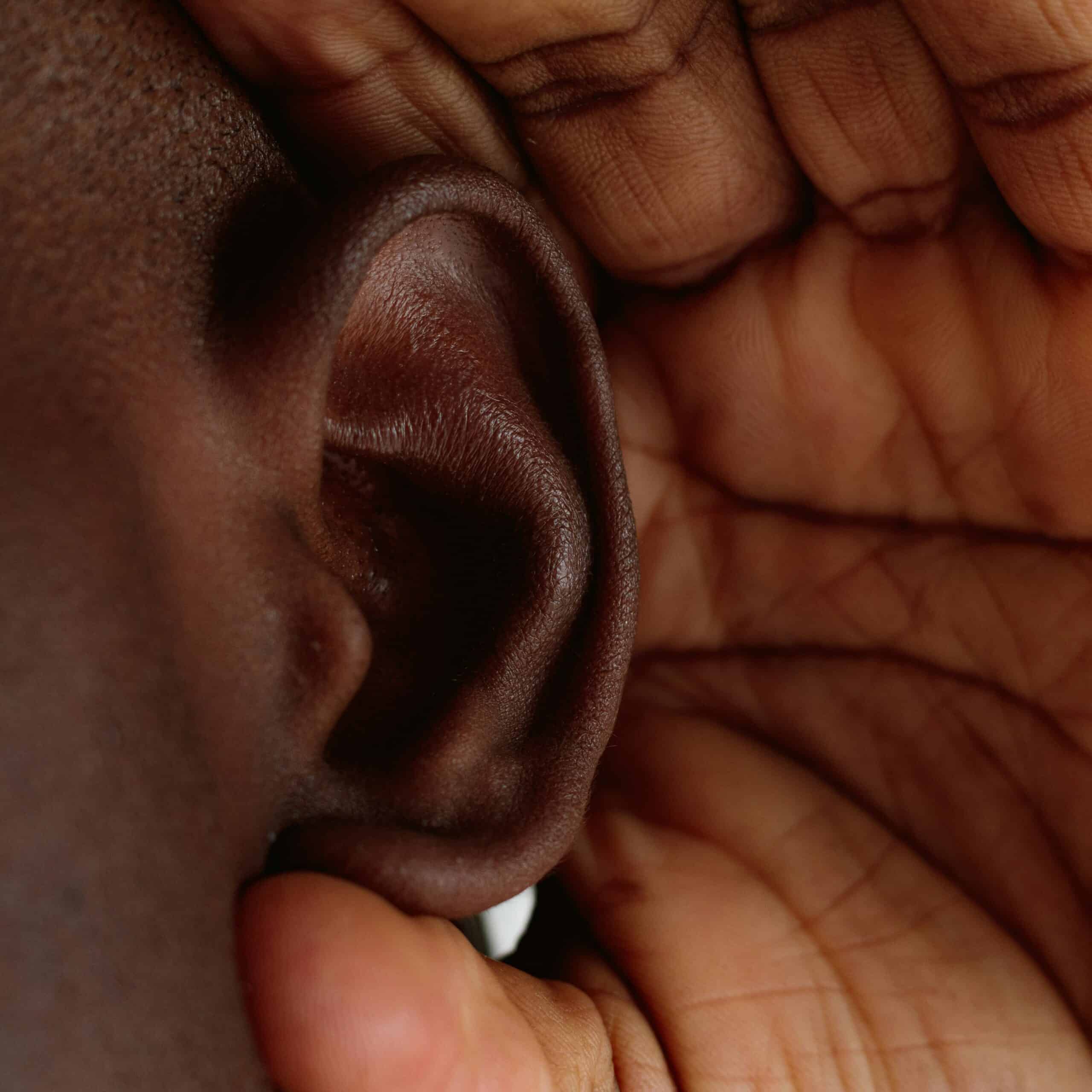
Good earplugs are a savior for your migraine. For example, if the coffee grinder three tables away cuts through your skull like a blade. The fluorescent hum from the office ceiling feels like a pressure drill behind your left eye. Someone laughs, and you flinch before you can stop yourself. If you have migraine, you know this sensory siege, the way ordinary sound turns into physical assault the moment an attack starts brewing. That hypersensitivity to sound has a clinical name: phonophobia. And the right pair of earplugs can be the difference between riding out a prodrome quietly and losing a full day to a crushing attack. For a related option, see our guide to our wider roundup of earplugs for migraines.
The best earplugs for migraine don’t just block noise. They filter it intelligently, keeping your life accessible while dialing down the sensory triggers your brain can’t process. You still hear the barista call your name. You still catch the conversation at dinner. But the jackhammer on the construction site outside doesn’t detonate an attack. That’s the goal, and that’s what this guide is built around.
Comparing the top contenders on comfort during long wear, noise reduction across frequency ranges, durability, and suitability for real migraine scenarios narrowed the field to five picks that actually earn their space in a migraine kit. We also cover the mechanism behind phonophobia, what to look for in a filter, and the accessories most buyers don’t know they need until week three. Let’s get into it.
Why does noise sensitivity make migraine worse
Phonophobia isn’t a metaphor. It’s a neurological symptom rooted in how your brain processes auditory input during the migraine cycle. Research from the American Migraine Foundation shows that roughly 70 to 80 percent of migraine sufferers experience heightened sound sensitivity during attacks, and a significant subset experience it during the prodrome phase, the 24 to 48 hours before pain onset, as an early warning signal.
The mechanism involves the brainstem and the way sensory signals get gated. During a migraine cycle, the thalamus becomes hyperexcitable. Sounds that your nervous system would normally filter as background, HVAC hum, traffic, ambient office noise, flood through with the same intensity as foreground speech. The brain can’t triage. Everything hits at full volume, and each input adds to the pain cascade.
This is why silence alone isn’t the answer. Total sensory deprivation can actually trigger its own problems, including anxiety and the unnerving sensation of tinnitus becoming more prominent. What works is intelligent attenuation, lowering the overall sound floor by 15 to 27 decibels while preserving speech frequencies so you can still function. That’s the job description for migraine-friendly earplugs.
There’s also a prevention angle most people miss. Cumulative noise exposure is a recognized migraine trigger. Grocery stores, concerts, airports, open-plan offices, kids’ birthday parties, these environments dump sound onto your nervous system for hours. Wearing filtered earplugs preemptively in known trigger environments can prevent attacks that would otherwise roll in that evening or the next morning. Think of it as wearing sunglasses for your ears.
Finally, there’s sleep. Migraine sufferers have a well-documented bidirectional relationship with sleep disruption, poor sleep triggers attacks, and attacks destroy sleep. A snoring partner, a neighbor’s late-night music, a creaky apartment building, any of these can fracture the sleep architecture your brain needs to reset. For overnight wear, you need a different product profile than for daytime filtering, and we cover both below.
What to look for in migraine earplugs
Not all earplugs are built for migraine. A pair of foam plugs from the hardware aisle will block noise, but they also distort speech, create a claustrophobic occlusion effect, and become painful after two or three hours. Here’s what separates migraine-ready earplugs from the rest.
Noise reduction rating that matches the use case
The noise reduction rating, or NRR, is measured in decibels. For migraine use, you’re looking for 15 to 27 dB, enough to soften triggers without cutting you off from the world. Foam plugs typically rate 29 to 33 dB, which is overkill for most migraine scenarios and can actually worsen the occlusion discomfort. Filtered plugs in the 17 to 22 dB range hit the sweet spot for daytime wear. For sleep or extreme environments like concerts, higher NRRs make sense.
Flat-frequency filtering versus passive blocking
Cheap earplugs block low frequencies poorly and muffle mids and highs aggressively. That’s why voices sound like you’re underwater. Migraine-ready plugs use acoustic filters that attenuate evenly across the frequency spectrum, preserving speech clarity while lowering overall volume. Musicians’ earplugs and certain filtered models do this well. When you can still hear a conversation clearly, just quieter, the filter is doing its job.
Comfort for 6 to 10 hours of wear
Migraine attacks last 4 to 72 hours. Prodrome triggers can require all-day wear. Cheap silicone plugs cause ear canal soreness within three hours. Medical-grade soft silicone, memory foam, and custom-molded options are designed for extended wear without pressure hotspots. Look for hypoallergenic materials, multiple tip sizes included in the box, and designs that sit flush rather than protruding.
Low occlusion effect
Occlusion is the closed-off, your-own-voice-booming sensation when your ear canal is plugged. It’s disorienting during migraine and can intensify nausea. Vented filter plugs reduce occlusion by allowing some natural sound pathway. This is a meaningful comfort upgrade for daily wear.
Discreet appearance
You may need to wear these at work, during meetings, or in restaurants. Bulky foam plugs make you look sick before you feel sick. Low-profile, clear or skin-tone filtered plugs disappear visually while still doing the work. This matters more than people admit.
Easy to clean and durable
Reusable plugs should rinse easily with soap and water, come with a carry case, and last at least 6 to 12 months of daily use before the filters degrade. Replaceable tips extend the life further. Disposable foam works for emergencies but adds up fast at roughly $0.30 per pair.
Best earplugs for migraines in 2026: our top 5 picks
We focused on pairs that balance noise reduction, speech clarity, and all-day comfort. Each pick below addresses a specific use case, general daytime wear, sleep, concerts and loud environments, maximum protection during attacks, and budget emergency backup.
1. Loop Quiet 2 Ear Plugs, Best Overall for Migraine
Best for daytime wear | Price: ~$25
The Loop Quiet 2 earned our top overall spot because it hits every category that matters for migraine: 24 dB NRR, comfortable soft silicone, a low-profile ring design that disappears in the ear, and four tip sizes in the box for a proper seal. The ring shape lets you remove them quickly with a single finger, important when you’re trying to grab them mid-attack without the extra hand coordination task.
The sound profile is genuinely impressive for a non-electronic plug. Low rumble from traffic, HVAC, and general background noise gets knocked down meaningfully. Speech is muffled but still audible, so you can hear a partner talk to you in a restaurant while the ambient roar drops out. This is the filtering behavior migraine sufferers actually want.
Build quality feels substantially better than the price suggests. The silicone is soft-touch medical grade, the carry case is pocket-sized and has a secure clasp, and the included tip sizes cover small to extra-large ear canals. The ring is strong enough that the plugs don’t collapse over months of use.
Why do they work for migraine specifically
The 24 dB reduction hits the migraine sweet spot. That’s enough attenuation to kill trigger noise, grocery store PA systems, fluorescent hum, crowd murmur, without the disorienting over-isolation that higher NRRs create. For prodrome wear, when you feel an attack brewing but still need to function, this is the range you want.
Best for: Daytime wear during sensitive periods, office environments, restaurants, grocery stores, and public transit.
PROS:
- Excellent 24 dB NRR in the migraine sweet spot
- Four silicone tip sizes for proper fit
- Low-profile ring design looks discreet
- Easy one-finger removal during attacks
- Durable build lasts 12+ months with daily use
CONS:
- Not enough reduction for concerts or extreme noise
- Ring can snag on long hair if you’re not careful
- Some users find the stem slightly visible despite the low profile
2. Mack’s Pillow Soft Silicone Putty, Best for Sleep
Best for overnight wear | Price: ~$8 for 6 pairs
For sleep, you want something that seals completely, sits flat against your ear so you can lay on your side, and doesn’t create occlusion weirdness when your head is on a pillow. Mack’s Pillow Soft silicone putty is widely regarded as doing all three better than most alternatives. The putty molds to your ear opening rather than sitting inside the canal, which eliminates the pressure point issue that kills side-sleepers with traditional plugs.
NRR sits at 22 dB, solid for blocking snoring partners, street noise, and apartment building creaks. They don’t cut everything out, so you can still hear an alarm or a fire detector, but the ambient sound floor drops dramatically. Migraine sufferers who share a bed with a snorer often report that these alone saved their sleep architecture, and therefore their attack frequency.
Each plug is reusable for about a week before it loses tack. At roughly $8 for six pairs, the cost works out to about $1.30 per week of use. For nightly wear, that’s reasonable. Keep a fresh pair stashed in your nightstand for emergencies, when a barometric pressure shift hits at 2 a.m., and you need to kill noise immediately, fumbling with anything complicated is the last thing you want.
Why do they work for migraine specifically
Side-sleeping migraine sufferers know the pain of traditional plugs pressing into the canal all night. The pillow-soft putty sits outside the canal entirely. No pressure, no occlusion booming, no waking up with sore ears. They’re also effective against the low-frequency rumble that wrecks sleep, the fridge cycling on, a neighbor’s bass, someone’s dog at 4 a.m.
Best for: Side sleepers, light sleepers, anyone with a snoring partner, apartment dwellers dealing with building noise.
PROS:
- Molds outside the canal, zero occlusion issues
- Lays flat for comfortable side-sleeping
- 22 dB NRR blocks most sleep disruptors
- Reusable for roughly a week per pair
- Doesn’t block alarms or smoke detectors
CONS:
- Not for daytime wear, mold breaks down with activity
- Takes practice to form the seal properly
- Sticky residue if hair gets involved
3. Etymotic Research ER20XS, Best for Concerts and Loud Environments
Best for high-volume environments | Price: ~$22
If a concert, sporting event, movie theater, or nightclub is on your calendar and you have migraine, the ER20XS is the most migraine-protective plug on the market that still lets you enjoy the event. Etymotic pioneered flat-frequency filter technology, sound comes through at reduced volume but with accurate tonal balance. Music still sounds like music. Voices still sound like voices. Everything’s just quieter.
The 20 dB attenuation works out to roughly half the perceived loudness of an unplugged ear. For a concert that would otherwise guarantee an attack the next morning, this is the protection window. For fireworks, live sports, or even a kid’s birthday party in a gymnasium, they keep the sensory load manageable.
The low-profile design is barely visible in the ear, which matters if you’re self-conscious about looking sick at social events. The carry case clips to a keychain, so they’re always with you.
Why do they work for migraine specifically
Migraine brains process loud environments poorly. The day after a concert without protection is often a guaranteed attack day, accumulated sensory overload plus the adrenaline comedown creates a perfect trigger storm. The ER20XS lets you attend the event without accumulating the trigger load. Many long-term users describe this as the product that let them have a social life back.
Best for: Concerts, bars, movies, sporting events, live music venues, and any planned exposure to sustained loud environments.
PROS:
- True flat-frequency filtering preserves audio quality
- 20 dB reduction protects without over-isolating
- Tiny and discreet in the ear
- Keychain case keeps them accessible
- Trusted by musicians and audiologists
CONS:
- Single NRR option, no swap for different environments
- Tips can be tricky to seal the first time
- Pricier than foam alternatives
4. EarPeace Medical Ear Plugs, Best for Severe Phonophobia
Best during active attacks | Price: ~$30
During an active migraine attack, standard filtering sometimes isn’t enough. You need heavy attenuation fast. EarPeace Medical ships with three interchangeable filters, a low, medium, and maximum reduction option, which lets you dial the protection up when phonophobia peaks and back down when the attack fades. That versatility is genuinely useful across the attack cycle.
The medium filter reduces noise by roughly 19 dB, comparable to the ER20XS. The maximum filter pushes the reduction to around 26 dB, which is the level you want during the pain peak when every sound feels like a physical strike. Swapping filters takes about 10 seconds and requires no tools. The kit also includes a second set of tips in a different size, so you can find your fit over time.
Build quality is medical-grade silicone with a clear-ish finish that blends into the ear. The carry tube is aluminum and clips to a lanyard, more durable than the plastic cases most competitors ship.
Why do they work for migraine specifically
Attack progression isn’t linear. You might have mild phonophobia during prodrome, severe hypersensitivity at peak, and lingering sensitivity during recovery. Swappable filters let one product handle the entire cycle. You don’t need three different pairs for three different phases, just swap the filter and keep going.
Best for: Chronic migraine sufferers who need one flexible solution, people with variable phonophobia intensity, and travelers who can only pack one pair.
PROS:
- Three swappable filter levels for attack-cycle flexibility
- Medical-grade silicone with hypoallergenic finish
- Aluminum carry tube is durable and lanyard-ready
- 26 dB max setting handles severe phonophobia
- Extra tip sizes included
CONS:
- Higher price point than single-filter options
- Filter swap is an extra step during active attacks
- Tube can be lost more easily than a flat case
5. Howard Leight MAX Disposable Foam, Best Budget Backup
Best emergency backup | Price: ~$15 for 200 pairs
Every migraine kit should have a disposable foam option stashed in a bag, car, desk drawer, and nightstand. Howard Leight MAX plugs are the industrial standard for a reason: 33 dB NRR, reliable seal, comfortable enough for an hour or two of wear, and cheap enough that losing them doesn’t matter.
At roughly $15 for a 200-pair box, the cost works out to about 8 cents per pair. You can afford to have them everywhere. When a migraine surprises you at the office, and your good pair is at home, these bridge the gap. When you’re driving, and road construction suddenly appears, you can grab a pair from the glove box.
Speech clarity is notably worse than filtered plugs, that’s the trade-off for the higher NRR. But during an active attack, you’re not trying to hold a conversation. You’re trying to survive. These do that job well.
Why do they work for migraine specifically
Attacks are unpredictable. You won’t always have your primary pair with you. Budget disposables in every bag and drawer mean you’re never caught unprotected. The high NRR is overkill for most situations, but exactly right for acute-attack phonophobia when any sound feels like too much.
Best for: Emergency backup, travel, situations where losing plugs is likely, acute-attack protection when speech clarity doesn’t matter.
PROS:
- Industry-leading 33 dB NRR
- Under 10 cents per pair at scale
- Reliable seal with basic rolling technique
- Hypoallergenic foam formulation
- Easy to stash multiple pairs everywhere
CONS:
- Speech clarity is poor, not for conversations
- Occlusion effect is pronounced
- Single use only, adds up if worn daily
- Not environmentally friendly
Quick comparison
- Loop Quiet 2, best overall daytime wear; 24 dB; ~$25; reusable 12+ months
- Mack’s Pillow Soft, best sleep; 22 dB; ~$8/6 pairs; reusable ~1 week per pair
- Etymotic ER20XS, best for concerts and loud events; 20 dB flat filter; ~$22; reusable 12+ months
- EarPeace Medical, best flexible single solution; 19–26 dB swappable; ~$30; reusable 12+ months
- Howard Leight MAX, best emergency backup; 33 dB; ~$15/200 pairs; disposable
How to choose the right earplugs for your migraine pattern
Match the product to your actual attack profile. Here’s the mapping we recommend based on what we heard from long-term users.
If you have occasional migraine, a few attacks per month, and mostly need protection during prodrome and daytime triggers, the Loop Quiet 2 alone covers 90 percent of use cases. Add a box of Howard Leight foam as emergency backup in your bag.
If you have chronic migraine, 15+ days per month of headache activity, you probably need a multi-pair system. Loop Quiet 2 for daytime, Mack’s Pillow Soft for overnight, and EarPeace Medical for severe-attack situations. Total investment is around $63 and covers every phase of the attack cycle.
If sleep disruption is your primary trigger, lead with Mack’s Pillow Soft and consider a white-noise machine as a companion. Sleep hygiene for migraine management matters more than most other interventions.
If loud environments are your main trigger, open-plan office, concerts, sports venues, restaurants, the Etymotic ER20XS is the smartest single purchase. The flat filter keeps your social and professional life intact while preventing the cumulative noise load that builds up and attacks.
If you have variable phonophobia intensity that changes day to day, EarPeace Medical’s swappable filters let one product adapt. This is the best single-purchase flexibility option.
For everyone, regardless of pattern: stash Howard Leight disposables in your car, desk, bag, and nightstand. They’re cheap insurance.
The annualized budget math
Here’s what earplugs actually cost when you run the numbers over a year of migraine management.
Budget tier (~$23/year): Two Howard Leight 200-pair boxes. Works out to roughly six cents per day. Reliable attack protection, but no speech clarity and no sleep option.
Standard tier (~$40/year): One Loop Quiet 2 (~$25, lasts 12+ months) plus one Howard Leight 200-pair box (~$15). Covers daytime wear with disposables for emergencies. About 11 cents per day.
Comprehensive tier (~$85/year): Loop Quiet 2 + Mack’s Pillow Soft (roughly $32/year at 52-week use) + Howard Leight box. Full coverage across daytime, sleep, and emergency. About 23 cents per day.
A+ tier (~$110/year): Everything in comprehensive plus either Etymotic ER20XS or EarPeace Medical depending on your pattern. Complete protection across all migraine scenarios. About 30 cents per day.
For context, a single missed workday from a preventable migraine costs most people significantly more than the entire A+ tier for a year. The math strongly favors investing in the full setup.
Accessories you’ll want within the first month
Most guides stop at the product itself. Here’s what you’ll actually want after a few weeks of use.
A small carrying case that fits on a keychain is non-negotiable if you’re doing daily wear. Loop includes one, but it’s worth having a second for a secondary bag so you never leave home without protection. The $5 aluminum pill cases from Amazon work well.
Replacement tips extend the life of your main pair significantly. Tips collect earwax and degrade faster than the filters themselves. A pack of replacement silicone tips runs $5–$10 and doubles the effective lifespan of your primary plugs.
A travel pouch with your full kit, primary plugs, sleep plugs, disposable backup, migraine medication, sunglasses, belongs in whatever bag you carry daily. When an attack hits unpredictably, having everything in one pouch eliminates the panic search through your bag.
Alcohol wipes for cleaning plugs between uses prevent ear infections, which are an under-discussed problem with daily plug wear. A pack of 100 medical alcohol wipes costs about $5 and lasts a year.
For sleep plug users, a silk or satin pillowcase reduces friction on the plugs overnight and extends their life. The side benefit, less hair breakage, matters for quality of life in its own right.
The learning curve, what gets better by which week
Week 1: You’ll likely put your primary pair wrong a few times. Proper fit matters. Pull the top of your ear up and back with your opposite hand to straighten the canal, then insert the plug and hold for a few seconds to seat the seal. You’ll know it’s right when ambient noise drops by a clear, noticeable amount. If voices still sound totally normal, the seal is loose.
Week 2: You’ll start recognizing which environments trigger you. Places you didn’t realize were loud, the grocery store, the school pickup line, your commute, will become obvious once you can compare plugged versus unplugged. This is the diagnostic benefit most users don’t anticipate. Keep notes for your migraine diary.
Week 3: Your ears may feel slightly sore if you’ve been wearing plugs for 6+ hours daily. This is a normal adjustment and resolves as your ear canal adapts. Rotate between tip sizes if one is creating a pressure point. If soreness persists past week 4, try a different product, your anatomy may be mismatched to that specific plug shape.
Week 4: The muscle memory of carrying plugs becomes automatic. You’ll reach for them when you hear the HVAC kick on at work or when the restaurant gets loud. This is when the preventive benefits really compound, you’re using them early in trigger sequences, not just during attacks.
Months 2–3: Track your migraine days. Many users see a 15 to 25 percent reduction in attack frequency simply from proactive noise management. If you’re not seeing a change, audit your wear pattern, are you putting them in before triggers, or only during attacks? Preventive use is where the ROI lives.
Month 6: Time to check your primary pair for filter degradation. Sound quality should remain consistent; if voices are suddenly muffled or the reduction seems weaker, it’s time to replace. Budget accordingly.
Our verdict
The Loop Quiet 2 is the smartest first purchase for anyone with migraines. At $25, it handles the majority of daytime scenarios, lasts over a year, and hits the exact NRR sweet spot your nervous system needs. Start there.
If sleep disruption contributes to your attacks, and for the majority of migraine sufferers, it does, add Mack’s Pillow Soft as a second pillar. The combined ~$33 investment covers daytime and overnight, which addresses the two largest noise trigger windows.
From there, the decision depends on your life. Concert-goers and open-office workers should add the Etymotic ER20XS. Chronic sufferers with variable phonophobia intensity should pick up EarPeace Medical for the filter flexibility. Everyone should keep a Howard Leight box in the car, desk, and nightstand, the 8-cent-per-pair insurance policy is the most underrated move in the category.
If you’re buying only one pair and price isn’t the primary driver, the EarPeace Medical edges out the Loop Quiet 2 for pure versatility, the swappable filters mean one product handles prodrome through peak-attack phonophobia. If you want the best single-use-case performer at a lower price, Loop Quiet 2 wins for daytime, and Etymotic ER20XS wins for loud environments.
The worst decision is no decision. Cumulative noise exposure is a trigger that compounds quietly across weeks, and most migraine sufferers don’t realize how much their attack frequency tracks with their noise environment until they start managing it. Any of these five picks is a meaningful upgrade over nothing. Pick the one that fits your primary scenario and start this week.
Frequently asked questions
Can the best earplugs for migraines actually prevent attacks?
Yes, for a meaningful subset of sufferers. Phonophobia and cumulative noise exposure are recognized triggers for a significant percentage of migraine patients, and proactive noise management during known trigger windows, grocery stores, open offices, loud restaurants, concerts, reduces attack frequency for many users. The keyword is proactive. Wearing plugs during the attack helps with symptom management, but wearing them before triggers prevents the attack from building in the first place.
Will wearing earplugs all day damage my hearing?
No. Passive earplugs attenuate sound rather than amplify it, so there’s no risk of noise-induced hearing damage from wearing them. The main concern with all-day wear is earwax buildup and occasional canal irritation, both of which are managed by cleaning the plugs regularly and rotating tip sizes if one creates a pressure point. If you develop any pain, discharge, or persistent soreness, take a break and see an audiologist.
Are earplugs safe to wear during sleep?
Yes, with the right product. Foam plugs are safe for sleep but can be uncomfortable for side sleepers because of the way they press into the canal. Silicone putty options like Mack’s Pillow Soft sit outside the canal and are designed for overnight wear. The common concern about not hearing a smoke alarm or emergency is legitimate for heavy-duty NRR options; for the 22 dB range common in sleep plugs, alarm frequencies cut through clearly.
How do I clean reusable earplugs?
Rinse under warm water with a drop of mild soap, then dry completely before storing. Avoid alcohol on silicone unless the manufacturer specifies it’s safe, as alcohol can degrade certain silicone formulations over time. For plugs with replaceable tips, swap tips monthly if you wear them daily. Alcohol wipes work well for filter plugs with harder surfaces.
Can I wear earplugs with hearing aids?
Generally not at the same time, but you can alternate. Many hearing aid users manage migraine-related phonophobia by switching to filtered earplugs during known trigger windows and resuming hearing aid use afterward. If you need both simultaneously, talk to your audiologist about custom-fitted earplugs that can work alongside or inside hearing aid molds.
Do earplugs work for tinnitus that comes with migraine?
They can help indirectly. Earplugs don’t treat tinnitus, but they lower the overall sound floor, which can make tinnitus feel less overwhelming during attacks. Some users report that the quieter environment helps them manage the sensory overload that amplifies tinnitus perception. If tinnitus is a major issue, pair your earplugs with a white noise machine for sleep, the combination can be significantly more effective than either alone. Our guide on how to sleep with a migraine covers this setup in more detail.
What’s the difference between earplugs for migraine and earplugs for general use?
Migraine-specific earplugs prioritize three things that general-use plugs often ignore: flat-frequency filtering to preserve speech clarity, comfort for 6–10-hour wear during long attacks, and an NRR in the 15–25 dB range rather than maximum attenuation. Hardware-store foam plugs block more sound but distort everything and hurt after a few hours. Musicians’ plugs and filtered migraine plugs are built for the migraine use case, even when they’re not explicitly marketed that way. For related product guides, our best migraine relief products article covers the broader kit.
How many pairs should I own?
For chronic or frequent sufferers, three pairs is the practical minimum: one primary daytime pair, one sleep pair, and one disposable backup stash. Total investment runs $40–$60. For occasional sufferers with fewer than five attack days per month, a single primary pair plus a small box of disposables as backup covers most needs. The key is redundancy, a plug pair left at home during an away day is a lost attack-protection day.
This is general information, not medical advice, and these products may ease symptoms but do not treat or prevent migraine. See a doctor for persistent or severe migraine.
More Sleep and Migraine Guides
- Best Bluetooth Sleep Masks for Migraine
- Best Neck Pillows for Migraine
- Best White Noise Machines for Migraines
- Best Noise Cancelling Headphones for Migraines
Related: hearing protection for concerts and events migraine.
For the wider picture, see our guide to how to choose migraine glasses.
Sources
- Headache Classification Committee of the International Headache Society. The International Classification of Headache Disorders, 3rd edition. Cephalalgia. 2018;38(1):1-211. https://ichd-3.org/
- Lipton RB, Munjal S, Buse DC, et al. Results From the American Migraine Prevalence and Prevention (AMPP) Study. Headache. 2016;56(10):1635-1648. https://headachejournal.onlinelibrary.wiley.com/
- National Institute of Neurological Disorders and Stroke. Migraine. National Institutes of Health. https://www.ninds.nih.gov/health-information/disorders/migraine
Recommended Reading
See our note on whether noise is a trigger or a symptom.
