
You’ve tried the trigger diary. Maybe you’ve dialed in your sleep schedule. You’ve even cut the wine, swapped the aged cheese, installed blackout curtains, and you’re still losing three or four days a month to migraine. Somewhere in the research rabbit hole, you landed on butterbur, the herb with actual clinical trial data behind it, the one the American Headache Society used to recommend before the liver safety conversation got complicated. Now you want to know which supplement to buy, whether it actually works, and how to avoid the versions that could hurt you.
Butterbur is one of the few herbal interventions with meaningful evidence for migraine prevention. Two major randomized controlled trials in the early 2000s showed that a standardized butterbur extract reduced migraine frequency by roughly 45 to 60 percent compared to a placebo, results that put it in the same conversation as some prescription preventives. But there’s a catch, and it’s a serious one. Raw butterbur contains pyrrolizidine alkaloids, or PAs, which are hepatotoxic. That means the wrong butterbur supplement can damage your liver. The right one, a PA-free, standardized extract, is considered reasonably safe for most adults under a doctor’s supervision.
This guide walks through the five best PA-free butterbur supplements available in 2026, the mechanism behind how butterbur reduces migraine, what to look for on a supplement label, and how to integrate it into a prevention stack. We also cover the safety conversation honestly, including why the American Academy of Neurology withdrew its earlier recommendation and what current practice looks like. This isn’t medical advice, always talk to your doctor before starting any supplement for migraine, but this guide will make that conversation vastly more productive.
Why butterbur works for migraine prevention
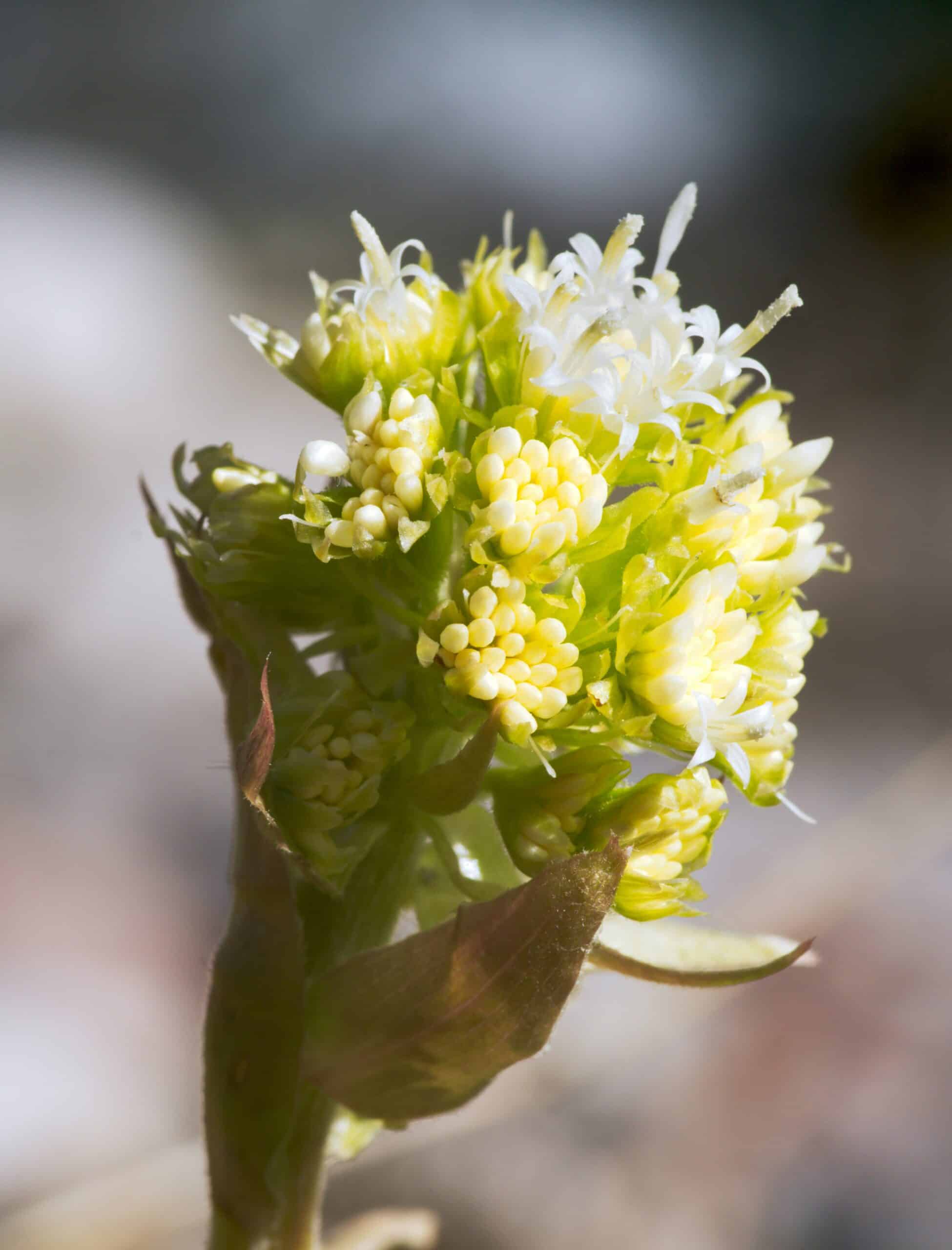
Butterbur, botanically Petasites hybridus, is a perennial plant that grows across Europe, Asia, and parts of North America. The migraine-relevant compounds are petasin and isopetasin, two sesquiterpene esters concentrated in the root. The mechanism of action is thought to involve three parallel pathways that together reduce the nervous system’s tendency to trigger a migraine cascade.
First, petasin has calcium channel-blocking effects on smooth muscle, particularly in cerebral blood vessels. This is similar in principle to how prescription calcium channel blockers like verapamil work as migraine preventives. By stabilizing vascular tone, butterbur appears to reduce the vasodilation-vasoconstriction cycle that contributes to migraine pain.
Second, butterbur has documented anti-inflammatory effects, specifically on leukotriene pathways. Leukotrienes are inflammatory molecules involved in migraine and in the trigeminal nerve sensitization process. By dampening this inflammatory response, butterbur reduces the neural hyperexcitability that lowers migraine threshold.
Third, there’s evidence that butterbur modulates the release of neurotransmitters involved in pain signaling, particularly calcitonin gene-related peptide, or CGRP. This is relevant because CGRP is the same pathway targeted by the newest class of prescription migraine preventives, the CGRP monoclonal antibodies like Aimovig, Ajovy, and Emgality. Butterbur appears to work upstream in the same general system.
The clinical evidence, while not as robust as newer prescription options, is still notable. The two landmark trials, published in Neurology and Headache in 2000 and 2004, showed that 150 mg daily of standardized butterbur extract (75 mg twice daily) reduced migraine frequency by 45 to 58 percent compared to placebo over three to four months. That’s a meaningful effect size for an over-the-counter intervention.
The catch, as mentioned above, is safety. Pyrrolizidine alkaloids in raw butterbur can cause severe liver damage. Modern standardized extracts use a process that removes these compounds, typically labeled “PA-free” or with specific PA content disclosed below 0.08 parts per million. The American Academy of Neurology withdrew its butterbur recommendation in 2015, not because the herb stopped working, but because the only clinically studied PA-free extract (Petadolex) lost its certification in some markets due to liver injury case reports that couldn’t be definitively linked to PA contamination. The herb itself remains promising; the supply chain is the issue.
This is why choosing the right supplement matters more here than almost any other herbal product. Getting a cheap, non-certified butterbur can be genuinely dangerous. Getting a third-party tested, PA-free, standardized extract from a reputable manufacturer is a very different product.
What to look for in a butterbur supplement
Not all butterbur supplements are safe, and not all are dosed effectively. Here’s the criteria that separate supplements worth buying from ones to avoid.
Explicit PA-free certification
This is non-negotiable. The label must state “PA-free” or provide specific documentation that pyrrolizidine alkaloids have been reduced to below 0.08 parts per million, the safety threshold established by European regulatory bodies. If a supplement doesn’t explicitly address PA content, do not buy it. The absence of disclosure means you don’t know what’s in it.
Standardized petasin content
Clinical trials used extracts standardized to contain at least 15 percent petasin and isopetasin combined. Supplements that don’t specify standardization percentages are likely underdosed or inconsistently formulated. You want to see something like “standardized to contain 15% petasins” on the label.
Clinically relevant dosing
The research-backed dosage is 75 mg twice daily, totaling 150 mg per day of the standardized extract. Some supplements come in 50 mg capsules requiring three daily doses; others come in 75 mg capsules for a cleaner twice-daily regimen. Avoid products with dosages significantly below this range, a 25 mg capsule taken once daily is unlikely to reach therapeutic levels.
Third-party testing certifications
Look for USP, NSF, or ConsumerLab verification. These independent testers confirm that the product contains what the label claims and that it’s free of contaminants. For a supplement with a legitimate safety concern attached to it, third-party verification is especially important.
Reputable manufacturer with transparent sourcing
Butterbur supply chain matters. Manufacturers that disclose their sourcing country, extraction method, and testing protocols are safer bets than white-label products with vague labeling. Germany remains the gold standard for butterbur manufacturing due to decades of pharmaceutical-grade production experience with this specific plant.
Stated batch testing for PAs
Beyond general third-party testing, the best butterbur supplements publish batch-specific certificates of analysis confirming PA content below detection limits. This is the highest transparency level and the safest choice for long-term daily use.
Best butterbur supplements for migraines in 2026: our top 5 picks
We focused on PA-free, clinically dosed products from manufacturers with transparent sourcing and independent testing. Each pick below addresses a specific buyer profile, strictest safety standards, best clinical match, best combination formula, best value, and best beginner option.
1. Life Extension Migra-Eeze, Best Combination Formula
Best for prevention stack | Price: ~$25 per bottle
Life Extension Migra-Eeze takes our top spot because it combines standardized butterbur root extract with riboflavin and ginger in a single capsule. Riboflavin (vitamin B2) at 400 mg daily has its own evidence base for migraine prevention through a different mechanism, improving mitochondrial energy metabolism in brain cells. Stacking butterbur and riboflavin in one product reduces pill burden and targets two independent pathways.
Each softgel delivers 50 mg of standardized butterbur extract certified to contain less than 0.08 parts per million of pyrrolizidine alkaloids, plus 100 mg riboflavin and 200 mg ginger root. The recommended dose is three softgels daily, which totals 150 mg butterbur and 300 mg riboflavin, close to the clinically studied ranges for both ingredients.
Life Extension is one of the longest-operating supplement manufacturers in the premium category. They publish certificates of analysis for every batch, use pharmaceutical-grade sourcing from Europe, and have decades of experience with standardized botanical extracts. The product has been on the market under this formulation for over a decade with a strong safety record.
Why does it work for migraine specifically
Combining butterbur with riboflavin targets two separate migraine mechanisms, vascular stabilization and mitochondrial energy production. Clinical research suggests these two interventions work additively rather than redundantly, meaning you get better prevention than from either alone. For patients who want evidence-based prevention without multiple bottles, this is the cleanest option.
Best for: First-time users building a prevention stack, people who want combination formulas, and anyone prioritizing pharmaceutical-grade manufacturing.
PROS:
- Combines butterbur, riboflavin, and ginger in one product
- Clinically dosed across all three ingredients
- Pharmaceutical-grade European sourcing
- PA content certified below 0.08 ppm
- Life Extension publishes batch certificates of analysis
CONS:
- Three softgels daily is more than some alternatives
- Combination formulas make it harder to isolate individual effects
- Softgel size may be difficult for pill-averse users
2. Enzymatic Therapy Petadolex, Best Clinical Match
Best for research-backed dosing | Price: ~$40 per bottle
Petadolex is the specific branded extract used in the original clinical trials that established butterbur’s migraine-prevention evidence base. If you want to take exactly what the research validated, this is the product. Enzymatic Therapy distributes the formulation in the US market, and it remains the closest possible match to the trial protocol.
Each capsule contains 50 mg of the branded Petadolex extract standardized to 15 percent petasins. The recommended dose of three capsules daily matches the 150 mg total that reduced migraine frequency by 48 percent in the 2004 Headache journal study. PA content is certified below analytical detection limits through a proprietary supercritical CO2 extraction process.
The premium price reflects both the branded extraction technology and the fact that this is the specific extract that earned the research credibility. For patients who want maximum confidence that they’re replicating the trial results, the extra $15 per bottle is reasonable. Prevention supplements justify premium pricing when the alternative is a less-studied formulation with unclear outcomes.
Why does it work for migraine specifically
Research validity depends on the specific extract studied, not just the plant. Petadolex’s CO2 extraction process, petasin standardization, and PA removal method were all elements of the formulation that demonstrated efficacy in controlled trials. Generic butterbur may or may not replicate these characteristics. If you want the trial results, take the trial product.
Best for: Patients who want exact research replication, people with prior butterbur experience, and those willing to pay a premium for maximum clinical fidelity.
PROS:
- Exact formulation used in landmark clinical trials
- Proprietary CO2 extraction removes PAs reliably
- Standardized to 15% petasins
- Long track record in research and commercial use
- Strong third-party testing documentation
CONS:
- Highest price point in the category
- Requires three daily capsules
- Limited availability versus mainstream options
- Some years of supply disruption have historically
3. Vital Nutrients Butterbur Extract, Best for Strict Safety Standards
Best for safety-conscious buyers | Price: ~$30 per bottle
Vital Nutrients operates in the practitioner-grade supplement space, meaning they typically sell through licensed healthcare providers and maintain testing standards above the direct-to-consumer average. Their butterbur extract capsules deliver 75 mg per serving standardized to 7.5 percent petasins, with PA content tested and certified below 0.08 parts per million.
The twice-daily dosing (one capsule morning, one evening) is more convenient than three-capsule alternatives, and the 150 mg daily total matches clinical research ranges. Every batch receives independent third-party testing for identity, potency, microbial contamination, heavy metals, and specifically for pyrrolizidine alkaloids. Certificates of analysis are available to customers on request.
The manufacturer is GMP-certified, and Vital Nutrients has no history of recalls or adverse event clusters, both meaningful credentials in a category where manufacturing quality directly affects safety. For patients who want the strictest possible testing standards without the branded-extract premium of Petadolex, this sits in the right spot.
Why does it work for migraine specifically
Long-term daily supplement use demands the highest safety testing standards, and butterbur specifically needs rigorous PA testing batch after batch. Vital Nutrients’s practitioner-grade standards mean each bottle has been verified as safer than a typical direct-to-consumer product. For chronic migraine sufferers taking butterbur for 3–6 months or longer, this level of testing matters.
Best for: Long-term daily use, safety-conscious patients, people working with a naturopath or functional medicine doctor.
PROS:
- Practitioner-grade testing standards
- Twice-daily dosing is more convenient
- Batch-specific certificates of analysis available
- Lower petasin standardization but clinically relevant total dose
- Clean ingredient panel with minimal fillers
CONS:
- Lower petasin standardization percentage
- Less visible branding than competitors
- Modest price premium over budget options
4. Nature’s Way Butterbur, Best Value Option
Best budget choice | Price: ~$18 per bottle
Nature’s Way has decades of experience in the herbal supplement market and maintains reasonable quality standards across its catalog. Their butterbur extract capsules deliver 50 mg per serving standardized to 15 percent petasins with certified PA-free processing. At roughly $18 per bottle of 60 capsules, the daily cost runs about 45 cents for a 150 mg daily dose, the lowest price per clinically effective dose in this guide.
Third-party testing is less transparent than premium alternatives. The label claims PA-free status, but batch-specific certificates of analysis are not readily available to consumers. For budget-conscious buyers who’ve confirmed with a doctor that butterbur is appropriate and want to try it without the premium pricing of Petadolex or practitioner-grade brands, this is a reasonable entry point.
The trade-off is transparency rather than quality outright. Nature’s Way has a generally clean track record and meets GMP manufacturing standards, but the level of documentation available to verify safety is below what the top three picks offer. For short-term trials (first 90 days to see if butterbur works for you), this is a low-stakes way to test. For long-term daily use, consider upgrading to a product with more rigorous batch testing.
Why does it work for migraine specifically
Cost-per-effective-dose matters for preventive supplements you’ll take daily for months. Nature’s Way hits the clinical dose at the lowest price point among PA-free options. For patients who aren’t sure whether butterbur will work for them and want to test without a $40-per-bottle commitment, this product lowers the barrier to entry significantly.
Best for: First-time butterbur users, budget-conscious buyers, short-term trials to assess personal response.
PROS:
- Lowest price per clinical dose in our roundup
- Widely available at most major retailers
- 15% petasin standardization matches research
- Long-established manufacturer with a clean record
- Three-capsule daily regimen hits research dose
CONS:
- Less transparent third-party testing documentation
- No public batch certificates of analysis
- Thinner manufacturing quality assurance messaging
5. Solaray Butterbur Extract, Best for Beginners
Best entry-level option | Price: ~$22 per bottle
Solaray’s butterbur extract is formulated for simpler dosing, one 75 mg capsule twice daily, totaling 150 mg. For patients new to supplements or those intimidated by three-capsule regimens, the cleaner dosing schedule reduces friction and compliance issues. The extract is standardized to contain petasins with a certified PA-free status.
The company operates under Nutraceutical Corporation, which runs GMP-certified facilities with reasonable quality control standards. Third-party testing is performed on identity and potency, though not at the practitioner-grade transparency level of Vital Nutrients or Petadolex. For beginners, the combination of research-matched dosing, PA-free certification, and simpler regimen makes this an approachable starting point.
Solaray has a long presence in the supplement market and generally reliable manufacturing. The product isn’t positioned as a premium option, but it delivers the core requirements, PA-free processing, standardized extract, and clinical-level dosing, without unnecessary complexity. For someone who’s never taken a supplement beyond a multivitamin and wants to try butterbur without getting overwhelmed by the category, this is a good first purchase.
Why does it work for migraine specifically
Compliance is everything with preventive supplements. Miss doses and the cumulative effect drops. Solaray’s two-capsule daily regimen is easier to remember and maintain than three-capsule competitors, which translates to better real-world outcomes even if the product specifications are slightly less premium. For a preventive you’ll take for 90+ days, compliance beats marginal potency differences.
Best for: First-time supplement users, people who prefer simpler dosing, patients who want an approachable entry to migraine prevention.
PROS:
- Simple twice-daily dosing improves compliance
- 75 mg per capsule matches the trial protocol exactly
- PA-free certification on the label
- Widely available and often discounted
- Long-standing manufacturer reputation
CONS:
- Standardization percentage not prominently labeled
- Less testing transparency than premium options
- Quality assurance messaging is basic
Quick comparison
- Life Extension Migra-Eeze, best combination formula; butterbur + riboflavin + ginger; ~$25; three softgels daily
- Enzymatic Therapy Petadolex, best clinical match; branded trial extract; ~$40; three capsules daily
- Vital Nutrients Butterbur Extract, best strict safety; practitioner-grade testing; ~$30; two capsules daily
- Nature’s Way Butterbur, best value; lowest cost per dose; ~$18; three capsules daily
- Solaray Butterbur Extract, best for beginners; simple dosing; ~$22; two capsules daily
How to choose the right butterbur supplement for your situation
Start with your personal safety threshold and experience level. Here’s the mapping we recommend.
If you’re new to migraine prevention supplements and want something approachable, Solaray Butterbur Extract is the easiest entry point. Twice-daily dosing, clinical dose per capsule, and widely available. Try it for 90 days while keeping a migraine diary. If you see frequency reduction, continue or consider upgrading to a more transparent product for long-term use.
If you’re building a prevention stack that targets multiple pathways, Life Extension Migra-Eeze makes the most sense. The butterbur-riboflavin-ginger combination hits three mechanisms with one bottle, and Life Extension’s manufacturing standards are among the highest in the direct-to-consumer supplement market.
If you want the exact product used in clinical research, Enzymatic Therapy Petadolex is your answer. The premium price buys you trial-level fidelity and the highest confidence that the extract you’re taking matches what produced the research outcomes.
If you’re committed to long-term daily use (6+ months) and safety is your top priority, Vital Nutrients Butterbur Extract offers the most rigorous testing standards and batch-specific transparency. The practitioner-grade positioning is meaningful for a supplement that requires vigilant PA monitoring.
If you want to test butterbur cheaply first before committing, Nature’s Way is the lowest barrier to entry. Just don’t use budget options for multi-year daily regimens without upgrading the testing standards.
For everyone: talk to your doctor before starting butterbur, especially if you have any history of liver disease, take any medications metabolized by the liver, or are pregnant or breastfeeding. Get baseline liver function tests before starting and repeat every 3–6 months during use. These are standard precautions and don’t indicate the supplement is unsafe, they indicate that responsible supplementation includes monitoring.
The annualized budget math
Prevention supplements work when you take them consistently. Here’s what annualized daily butterbur supplementation actually costs at each tier.
Budget tier (~$216/year): Nature’s Way Butterbur at $18 per 60-capsule bottle, consuming 90 capsules monthly at the clinical dose. That’s 1.5 bottles per month, or 18 bottles annually. Works out to about 59 cents per day.
Standard tier (~$300/year): Life Extension Migra-Eeze at $25 per 60-softgel bottle, three softgels daily means one bottle every 20 days, or 18 bottles annually. About 82 cents per day, but this includes riboflavin and ginger, replacing separate riboflavin supplementation that would otherwise cost another ~$60 annually.
Premium tier (~$360/year): Vital Nutrients Butterbur at $30 per 60-capsule bottle, two capsules daily means one bottle per month. Twelve bottles annually. About 99 cents per day with the highest testing standards.
Clinical-match tier (~$480/year): Enzymatic Therapy Petadolex at $40 per 60-capsule bottle, three capsules daily requires one bottle every 20 days. Works out to $1.31 per day.
For context, prescription CGRP monoclonal antibodies like Aimovig can cost $6,000+ per year without insurance. Even the clinical-match tier of butterbur is dramatically cheaper. Whether it works as well is a conversation for your doctor, but the math favors trying evidence-based supplements before escalating to prescription options, especially for episodic rather than chronic migraine patterns.
If butterbur reduces your attack frequency by the 45 to 60 percent seen in trials, the value per dollar is hard to match with any other single intervention at this price point.
Accessories and companion habits for butterbur supplementation
Most guides stop at the pills. Here’s what actually makes butterbur supplementation work in real life.
A weekly pill organizer is essential for multi-capsule daily regimens. Butterbur requires consistent daily dosing for at least 90 days to assess effectiveness, and missed doses are the single biggest reason people conclude a preventive “doesn’t work” when they actually never reached therapeutic steady state. A $10 pill organizer pays for itself in compliance.
A migraine diary or app, even a simple paper calendar, lets you track attack frequency before and during supplementation. Without baseline data, you won’t know if butterbur is working. Start tracking 30 days before you begin the supplement. Note attack days, severity (1-10), duration, and obvious triggers.
Baseline liver function tests before starting and repeated at 3 and 6 months are the standard safety protocol. Ask your doctor to order ALT, AST, and bilirubin. The cost is minimal if you have insurance and provides a safety backstop that should be standard practice for anyone on butterbur long-term.
A standard riboflavin supplement (vitamin B2) at 400 mg daily stacks well with butterbur if you’re not already using the Migra-Eeze combination. The two work through different mechanisms and stack additively. A 90-day supply of riboflavin costs roughly $15.
Magnesium glycinate at 400 mg daily is a third evidence-based migraine preventive that stacks safely with butterbur and riboflavin. Together, these three, often called “the butterbur stack” in migraine communities, target three independent pathways and have the strongest combined evidence of any affordable prevention protocol. Our guide on best magnesium supplements for migraine prevention covers the magnesium piece in depth.
The learning curve, what gets better by which week
Week 1: You’re establishing the habit. No effect expected. You may notice mild digestive changes, some people experience burping with butterbur due to the ginger component in combination formulas, or mild stomach upset when taking it without food. Take with meals to reduce this.
Weeks 2–4: Still no clear frequency change for most users. This is normal. Butterbur works through gradual modulation of vascular and inflammatory pathways, not acute intervention. Keep a diary. Don’t quit during this window, it’s when most people give up on preventives that would have worked with more patience.
Weeks 4–8: Early responders begin seeing frequency reduction. If you tracked 10 attack days in the 30 days before starting, you might see 7 or 8 in the current 30-day window. The trend matters more than any single week. Migraines are inherently variable, so week-to-week fluctuations are noise.
Weeks 8–12: The clinical trial timeline for butterbur evaluation ends at 3 months. This is your first real decision point. Compare your baseline 30-day attack frequency to your most recent 30-day attack frequency. A 25 percent or greater reduction is a meaningful signal that butterbur is working for you. Continue for another 3 months to consolidate the response.
Months 3–6: The full preventive effect tends to stabilize around month 3–4, with some users seeing continued improvement through month 6. This is also when you should repeat liver function tests as a safety check.
Month 6 and beyond: If butterbur is working and liver function remains normal, you have a sustainable prevention tool. Some doctors recommend a brief “drug holiday” every 6–12 months, a 4-week break to confirm the benefit isn’t from regression to the mean. Discuss with your provider.
If you’ve completed 90 days with no meaningful frequency change and you’ve been taking the clinical dose consistently, butterbur likely isn’t your responder. Move on to another preventive. Not every intervention works for every patient, that’s the reality of migraine management.
Our verdict
For most migraine sufferers starting a butterbur trial, Life Extension Migra-Eeze is the smartest first purchase. The butterbur-riboflavin-ginger combination targets three pathways in one bottle, the manufacturing quality is pharmaceutical-grade, and the price point is reasonable at around $25 per month. If you had to buy one product and build out from there, this is it.
For the safety-first crowd willing to pay for maximum testing transparency, Vital Nutrients Butterbur Extract is the move. Practitioner-grade standards, batch-specific certificates of analysis, and convenient twice-daily dosing make it the premium safety pick.
For exact clinical trial replication, Enzymatic Therapy Petadolex remains the only true match. The premium price is justified if research fidelity is your priority.
For budget-conscious first-time trials, Nature’s Way works well for the initial 90-day assessment period. Just plan to upgrade to more transparent testing if you commit to long-term use.
For beginners who want simple twice-daily dosing, Solaray Butterbur Extract removes the complexity barrier.
The deeper point: butterbur is one of the most evidence-backed herbal interventions for migraine prevention, but only when you use a PA-free, clinically-dosed, third-party-tested product. The category has enough bad supply that buying carelessly can be dangerous. Any of the five picks above is a safe, reasonable choice. Some $10 bottle on a discount shelf may not be. This is the category where the premium is actually worth paying.
Start with a 90-day trial, track your attack frequency, and get baseline liver function tests. Talk to your doctor. If you respond the way a meaningful percentage of trial participants do, this is one of the cheapest, most effective prevention tools available, and it could save you a substantial number of attack days per year.
Frequently asked questions
Are the best butterbur supplements for migraines actually safe?
PA-free standardized butterbur extracts are considered reasonably safe for most healthy adults when taken at clinical doses for 3–6 month periods under medical supervision. The safety concern is specifically about pyrrolizidine alkaloids in non-certified raw butterbur, which can cause severe liver damage. Products explicitly labeled PA-free with third-party testing documentation have a dramatically better safety profile. Baseline and periodic liver function testing is standard practice for anyone using butterbur long-term. Discuss use with your doctor, especially if you have pre-existing liver conditions or take medications metabolized by the liver.
How long does it take for butterbur to work for migraine prevention?
Clinical trials evaluated butterbur over 3 to 4 months. Most responders see meaningful attack frequency reduction by week 8–12, with continued improvement sometimes extending to month 4–6. Give any trial a full 90 days at clinical dose before concluding whether butterbur works for you. The biggest reason people abandon preventives that would have worked is quitting too early.
Can I take butterbur with prescription migraine medications?
Butterbur has no well-documented major drug interactions, but this varies by individual medication. It’s generally considered compatible with triptans for acute treatment, and many patients use butterbur alongside prescription preventives like topiramate, propranolol, or CGRP antibodies to target different mechanisms. Always confirm with your prescribing doctor before combining any supplement with prescription migraine medications. The liver metabolism of some medications may warrant closer monitoring when butterbur is added.
What’s the difference between butterbur and feverfew for migraine?
Both are evidence-based herbal migraine preventives, but they work through different mechanisms. Butterbur has stronger clinical trial evidence for prevention (45–60% frequency reduction in trials). Feverfew has a longer history of traditional use but weaker controlled trial data. Some patients stack both. Feverfew doesn’t have the same PA safety concern, but it is generally considered less potent. If you’re choosing one, butterbur is the better evidence bet; if stacking, both can be part of a prevention protocol.
Is butterbur safe during pregnancy?
No. Butterbur is not considered safe during pregnancy or breastfeeding and should be avoided during these periods. The liver metabolism concerns and limited safety data in pregnancy make it an inappropriate choice. Discuss pregnancy-safe migraine prevention options with your obstetrician, magnesium and riboflavin have better safety profiles during pregnancy, though all supplements should be cleared with a doctor first.
Can I take butterbur year-round, or should I cycle off?
Some providers recommend taking butterbur for 4–6 months, then cycling off for 4 weeks to reassess whether continued use is necessary. This isn’t a universal rule. Others continue year-round with regular liver function monitoring. The cycling approach helps distinguish genuine preventive benefit from natural migraine frequency variation. Discuss the cycling question with your doctor based on your specific response and overall treatment plan.
Why did the American Academy of Neurology withdraw its butterbur recommendation?
The AAN withdrew its 2012 butterbur recommendation in 2015, not because the herb stopped working, but due to case reports of liver injury in Europe that couldn’t be definitively linked to pyrrolizidine alkaloid contamination. The branded extract involved (Petadolex) temporarily lost certification in some markets. The herb’s efficacy data remains intact. The safety conversation is ongoing and primarily about manufacturing quality control rather than the herb itself. The current responsible practice is to use only PA-free, third-party tested products and monitor liver function.
Should I take butterbur alongside magnesium and riboflavin?
Many migraine specialists recommend the “B2-butterbur-magnesium” stack as a first-line natural prevention protocol. The three target independent mechanisms, mitochondrial energy, vascular stabilization/inflammation, and neuromuscular excitability, respectively, and evidence suggests additive rather than redundant effects. The stack is generally well-tolerated and affordable. Our best magnesium supplements for migraine prevention and broader best migraine relief products guides cover the companion pieces of this stack.
This is general information, not medical advice. Supplements can interact with medications and are not a substitute for care from a doctor, so talk to a healthcare professional before starting one.
More Migraine Supplement Guides
Frequently Asked Questions
When should I see a doctor about my migraines?
See a doctor if your migraines are frequent, severe, or changing in pattern, if over-the-counter options are not helping, or if you have new or unusual symptoms such as weakness, vision loss, confusion, or the worst headache of your life. A doctor can confirm the diagnosis, rule out other causes, and discuss prescription options.
Sources
- Headache Classification Committee of the International Headache Society. The International Classification of Headache Disorders, 3rd edition. Cephalalgia. 2018;38(1):1-211. https://ichd-3.org/
- American Headache Society. Position Statement on Integrating New Migraine Treatments Into Clinical Practice. Headache. 2019;59(1):1-18. https://americanheadachesociety.org/
- Silberstein SD, Holland S, Freitag F, et al. Evidence-based guideline update: Pharmacologic treatment for episodic migraine prevention in adults. Neurology. 2012;78(17):1337-1345. https://www.aan.com/Guidelines/
Recommended Reading
See our note on choosing a migraine supplement.
