
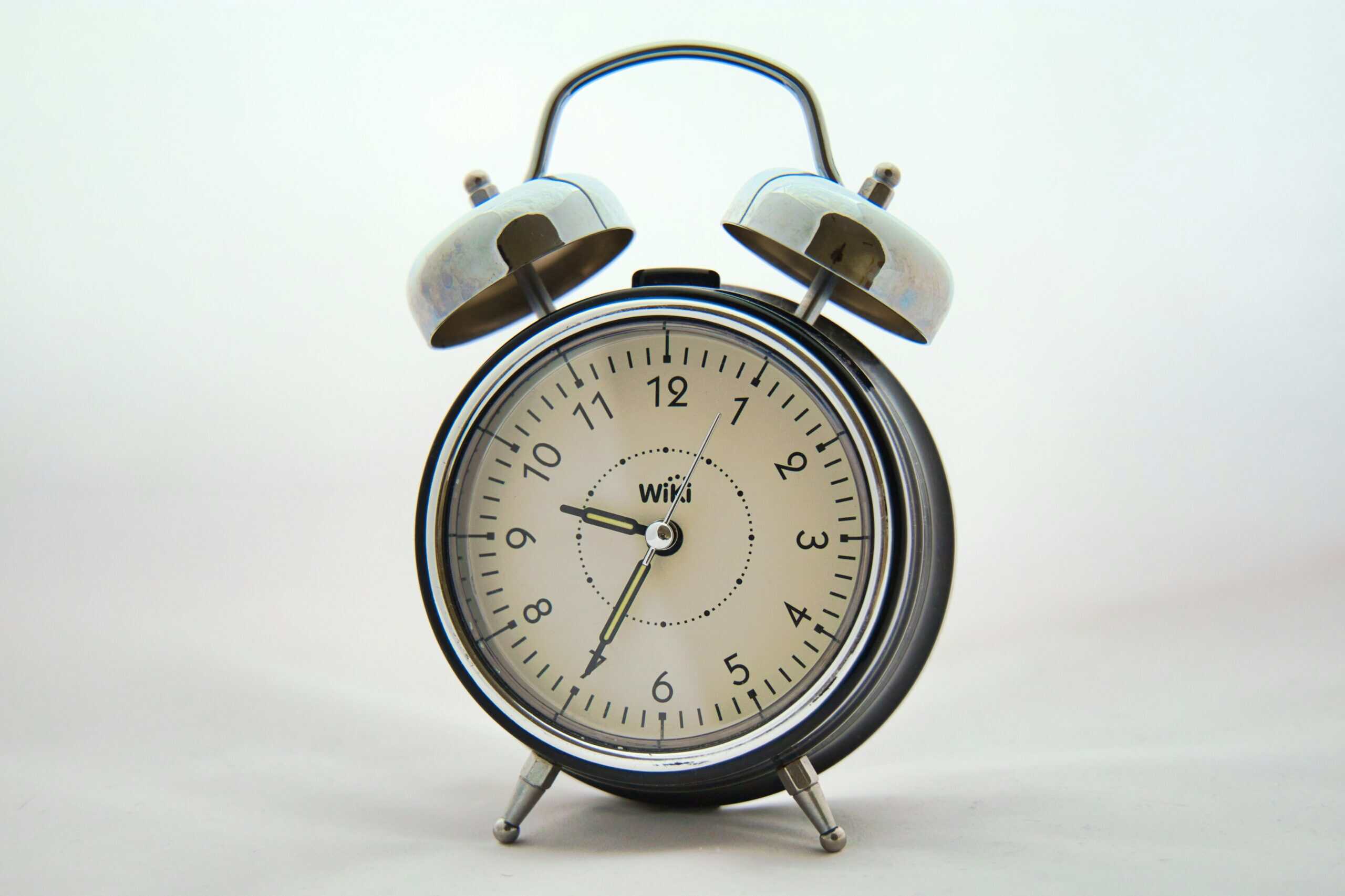
A consistent wake time is one of the more evidence-backed lifestyle habits for people with migraine, and the alarm clock is the thing that enforces it. What the clock cannot do is treat migraine. What it can do is stop the wake-up itself from being an abrupt light-and-noise event, and make a regular schedule easier to keep on days when you would rather not. Our note on waking up with migraines covers the wider question.
Medical Disclaimer
This is general information about consumer products, not medical advice. No alarm clock treats or prevents migraine. Migraine management, including anything affecting sleep, should be discussed with a doctor or a headache specialist.
Key Takeaways
- Consistent wake times are among the better-supported migraine habits.
- Sunrise alarms wake gradually rather than abruptly.
- Vibration alarms avoid sound entirely for noise-sensitive mornings.
- Bright always-on displays are a light source in a dark room.
- No clock treats migraine; the schedule is the point.
How We Picked
Clocks are grouped by how they wake you and by what they emit while you sleep, since a bright display is a light source and a ticking mechanism is a noise source. No product here is selected for any effect on migraine itself, because that is not something an alarm clock does.
Selections reflect documented features. Descriptions come from product research rather than from clocks used over time.
1. A Sunrise Alarm Clock, Best Overall
Why It Stands Out
Gradually brightening light over twenty or thirty minutes replaces the abrupt jolt of a sound alarm, which for people sensitive to light and noise on waking is a meaningfully gentler start.
Most also include a quiet sound that begins only at the end, so light does the work first.
Worth Knowing
Light intensity varies considerably between models, and a very bright unit close to the bed can be its own problem for someone photophobic.
Check that the light can be dimmed or the clock face turned off overnight. Our roundup of dimmer switches covers controlling light elsewhere.
This suits gradual waking. Skip it if any light in the room is a problem.
2. A Vibrating Alarm, Best for Sound Sensitivity
Why It Stands Out
Bed shakers and vibrating wearables wake without any sound at all, which suits mornings after a night where noise sensitivity has not fully resolved.
They also avoid waking a partner, which matters in a shared bed.
Worth Knowing
Vibration intensity varies, and a weak unit under a thick mattress may not wake a heavy sleeper.
Wearable versions need charging, and a flat battery is a missed alarm. Our roundup of ear plugs covers the same sensitivity at night.
This suits noise-sensitive mornings. Skip it if vibration does not wake you reliably.
3. A Dimmable Digital Clock, Best Dark Room Option
Why It Stands Out
Many bedside clocks glow all night, and a display that dims fully or switches off removes a light source from a room you are trying to keep dark.
Red or amber displays are also less intrusive than blue or white ones in a dark room.
Worth Knowing
Auto-dimming is not the same as off, and some clocks have a minimum brightness that is still visible.
Check whether the display returns to full brightness on any button press. Our roundup of blackout curtains covers the larger light sources.
This suits anyone keeping the room dark. Skip it if you need a visible clock at night.
4. A Progressive Volume Alarm, Best Gentle Sound
Why It Stands Out
Alarms that start almost inaudible and build over a minute or two wake you without the startle of a sudden loud tone.
Tone choice matters too, and softer sounds are less jarring than a harsh electronic beep.
Worth Knowing
A gradual alarm can be slept through, so a backup matters if the wake time is not flexible.
Maximum volume still needs checking, since some gentle alarms end up very loud. Our note on whether lack of sleep causes migraines covers why the schedule matters.
This suits light and moderate sleepers. Skip it if you sleep through gentle sounds.
5. A Silent Analog Clock, Best Minimal Option
Why It Stands Out
A non-ticking analog clock emits no light and no sound between alarms, which removes both variables from the bedside entirely.
Simplicity also means nothing to configure and nothing to fail.
Worth Knowing
Traditional bell alarms are abrupt by design, so look for a quieter mechanism rather than assuming analog means gentle.
Many cheap analog clocks tick audibly, which in a quiet room is its own irritation. Our roundup of soundproofing products covers ambient noise.
This suits minimal bedsides. Skip it if you need a gentle wake.
6. A Combined Light and Sound Clock, Best Flexibility
Why It Stands Out
Units offering light, sound, and vibration let you change approach depending on the morning, which suits a condition that varies day to day.
Multiple alarm slots also support keeping the same wake time across weekdays and weekends.
Worth Knowing
More features means more interface, and configuring a complicated clock during a migraine is unpleasant.
Combined units tend to have larger displays, so dimming becomes more important. Our guide to bedroom setups for waking with migraine covers the whole room.
This suits variable mornings. Skip it if you want one simple function.
Alarm Types at a Glance
| Type | Wakes by | Light at night | Best for |
|---|---|---|---|
| Sunrise alarm | Gradual light | Check dimming | Gentle waking |
| Vibrating | Vibration | Usually none | Sound sensitivity |
| Dimmable digital | Sound | Off or minimal | Dark rooms |
| Progressive volume | Building sound | Varies | Gentle sound waking |
| Silent analog | Bell or tone | None | Minimal bedsides |
| Combined | Light, sound, vibration | Check dimming | Variable mornings |
Why the Schedule Matters More Than the Clock
Sleep and migraine have a documented relationship in both directions. The American Academy of Sleep Medicine and American Headache Society describe insomnia, obstructive sleep apnea, and irregular sleep schedules as associated with worse migraine frequency and severity.
Keeping consistent bed and wake times, generally within about half an hour day to day, is described as one of the better-supported lifestyle approaches in migraine self-care. That is a habit rather than a purchase.
Where a clock helps is in making that habit easier to keep, particularly the weekend consistency that most people abandon. It does not treat migraine, and no alarm clock has been shown to reduce attacks.
If sleep is persistently disrupted, or if you wake unrefreshed despite adequate time in bed, that is worth raising with a doctor rather than solving with hardware.
What to Look For
Can the display go fully dark?
Auto-dim is not off, and a glowing clock face is a light source in a room you are keeping dark. Check for a genuine off setting.
How abrupt is the wake?
Sudden loud tones are the thing people are usually trying to avoid. Gradual light or building volume both address it.
Is there a backup?
Gentle alarms are easier to sleep through. If the wake time is fixed, a second alarm matters.
Can you operate it in the dark?
Fumbling with a complicated interface during an attack is worth avoiding. Tactile buttons beat touch panels here.
Light or Sound?
Light waking
Gentler for most people and it takes longer, which means setting it to start well before you need to be up. It suits anyone who finds sound alarms jarring.
Sound or vibration
More reliable for heavy sleepers and immediate. Progressive volume softens the edge, and vibration removes sound entirely for mornings when noise is the problem. Our roundup of night lights covers light in the room generally.
Common Mistakes to Avoid
Expecting a clock to help migraine
It supports a sleep schedule, which is a supported habit. The clock itself does nothing to the condition.
Ignoring the display at night
A bright bedside display works against a dark room. This is the most commonly overlooked feature in the category.
Relying on a single gentle alarm
Gradual alarms are easy to sleep through, particularly after a bad night. A backup prevents the schedule slipping.
Changing the wake time on weekends
Schedule consistency is the part with evidence behind it, and weekend lie-ins are where it usually breaks. Our note on sleeping with migraine covers the nights themselves.
Recommended Reading
See our roundup of migraine eye masks, our note on white noise machines, our guide to pillows for migraine sufferers, and a roundup of weighted blankets, and snacks for blood sugar.
Migraine and Alarm Clock FAQ
Can an alarm clock help with migraine?
Not directly. What has support behind it is keeping a consistent sleep schedule, which professional guidance describes as one of the better-evidenced lifestyle approaches in migraine. A clock supports that habit, and no clock treats or prevents attacks.
Are sunrise alarms better for migraine?
They wake you gradually rather than abruptly, which many people find gentler. Whether that matters for you depends on your own light sensitivity, since a bright light close to the bed can itself be uncomfortable for someone photophobic.
Does the clock display matter?
A glowing display is a light source in a room you may be trying to keep dark. Look for one that dims fully or switches off, and note that auto-dimming often leaves a minimum brightness that is still visible.
What about vibrating alarms?
They wake without sound, which suits mornings when noise sensitivity has not resolved, and they avoid disturbing a partner. Reliability varies with mattress thickness and how heavily you sleep, so test before depending on one.
How consistent does the wake time need to be?
Guidance generally suggests keeping bed and wake times within roughly half an hour day to day, including weekends. Weekend variation is where most people’s consistency breaks down.
Should I use my phone as an alarm?
It works, and a phone by the bed brings a bright screen and notifications into the room. A separate clock keeps the phone elsewhere, which some people find helps and which is a preference rather than a clinical recommendation.
Will better sleep stop my migraines?
Sleep and migraine influence each other in both directions, and irregular sleep is associated with worse frequency and severity. That is not the same as sleep optimization treating migraine, and persistent attacks need medical management rather than a hardware solution.
When should I see a doctor about sleep?
If you wake unrefreshed despite adequate time in bed, snore heavily or gasp during sleep, or find sleep persistently disrupted. Those point toward conditions like sleep apnea that are worth assessing rather than working around.
Sources
- American Academy of Sleep Medicine and American Headache Society. Sleep and headache: bidirectional relationship. https://aasm.org/
- National Institute of Neurological Disorders and Stroke. Migraine. National Institutes of Health. https://www.ninds.nih.gov/health-information/disorders/migraine
For the wider picture, see our guide to how to choose migraine glasses.
