
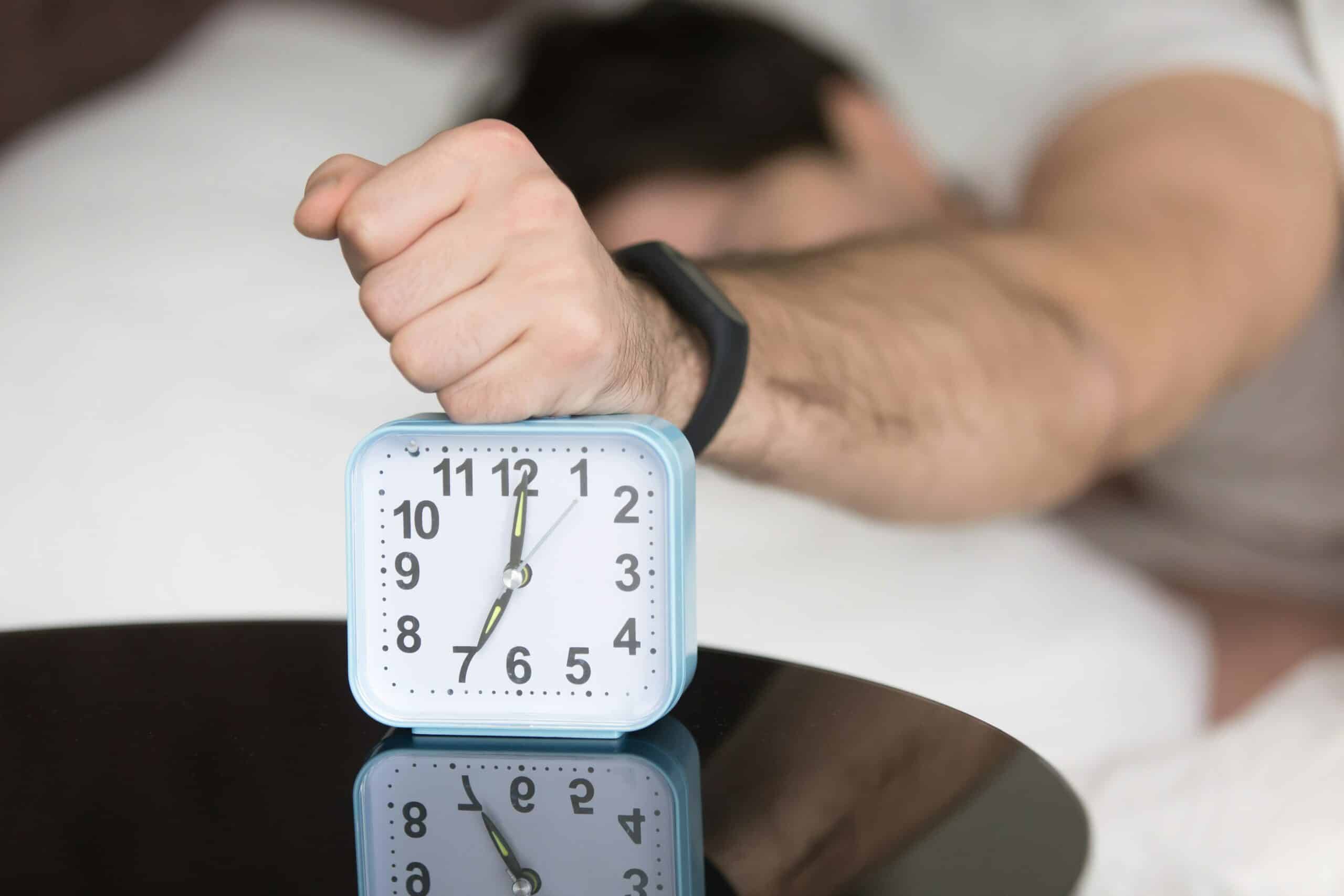
Waking up with a migraine is commonly linked to sleep problems, since both too little and too much sleep can trigger attacks, and the early morning is a naturally vulnerable window. Morning migraines are frustrating because they start the day already lost, and they often trace back to what happens overnight, from sleep quality to teeth grinding to dehydration. Understanding the likely causes is the first step toward fewer of them.
This article is for general information and is not medical advice. If you regularly wake with migraines or head pain, talk to a qualified healthcare professional.
Key Takeaways
- Poor or irregular sleep is a leading cause of morning migraines.
- Both too little and too much sleep can trigger attacks.
- Teeth grinding overnight can contribute to morning head pain.
- Dehydration and skipped routines overnight play a role.
- A consistent sleep schedule is a common first fix.
The Sleep Connection
Sleep and migraine are closely tied, and disrupted sleep is one of the most common threads behind waking up with a migraine. The relationship runs both ways: migraines can disturb sleep, and poor sleep can trigger migraines. Both too little sleep and too much sleep can set off an attack, which is why an irregular schedule, a late night, or a long weekend lie-in can all end in a morning migraine. Because so much of migraine vulnerability is tied to sleep, the overnight hours are a natural window for an attack to build and surface as you wake. Sleeping with a migraine covers the sleep side. Sleeping later changes the timing, which is part of why weekend attacks happen.
Irregular Sleep Schedules
The body does well with consistency, and migraine is sensitive to changes in routine. Going to bed and waking at wildly different times, staying up late, or sleeping in far longer than usual all disrupt the rhythm the body expects, and that disruption can trigger a migraine. This is why some people reliably wake with a migraine after a weekend of altered sleep, sometimes called a weekend migraine. Keeping a steady sleep and wake time, even on days off, is one of the most commonly recommended steps for reducing morning attacks. Migraine triggers cover the broader set. Patterns shift over time, and we look at that in whether migraines get worse with age.
Teeth Grinding and Tension
What happens with the jaw and muscles overnight can contribute to waking with head pain. Grinding or clenching the teeth during sleep, known as bruxism, strains the jaw and the muscles around the head, and that tension can feed into a morning headache or migraine. Tension held in the neck and shoulders from sleep position can add to it. If you wake with a sore jaw or facial tension alongside the head pain, overnight clenching may be part of the picture, and it is worth raising with a dentist or doctor. Jaw guards cover one approach to overnight clenching. When the jaw is the suspect, the TMJ connection sets out what is known.
Dehydration Overnight
A long stretch without fluids can leave you mildly dehydrated by morning, and dehydration is a recognized migraine trigger for many people. Through the night you take in nothing to drink for many hours, and if you started the night already low on fluids, or drank alcohol, you may wake dehydrated and primed for a migraine. Staying well hydrated through the day, and being mindful of alcohol in the evening, can reduce this overnight risk. It is a simple factor that is easy to overlook. Preventing dehydration migraines covers this directly.
Other Morning Factors
A few more things can feed a morning migraine. For some people, a drop in caffeine overnight matters, since a regular coffee drinker can wake in a mild caffeine-withdrawal state that contributes to head pain. Sleep conditions that disrupt breathing or rest quality can leave you unrefreshed and vulnerable. Even the timing of the body’s natural rhythms in the early hours can play a part. Because several factors can combine, morning migraines sometimes have more than one cause working together, which is why sorting out the pattern can take some observation. Caffeine and migraine covers that piece.
Reducing Morning Migraines
The most commonly recommended starting point is sleep consistency: a steady bedtime and wake time every day, aiming for a regular amount of sleep that is neither too little nor too much. Staying hydrated through the day, being cautious with evening alcohol, and addressing overnight teeth grinding can each help. Keeping a simple record of your sleep and your morning migraines can reveal which factors matter most for you. If morning migraines are frequent or severe, a healthcare professional can help identify the causes and rule out other issues, since persistent morning head pain is worth a proper look. Finding a migraine specialist covers getting expert help.
Tracking Your Morning Pattern
Because morning migraines often have more than one contributing factor, keeping a simple record can be the most useful thing you do. Noting when you went to bed and woke, how well you slept, what you ate and drank the evening before, and whether you woke with a migraine gradually reveals patterns you would otherwise miss. Over a few weeks, you might see that migraines cluster after late nights, after alcohol, after weekend lie-ins, or after particularly stressful days. That pattern points you toward the factors that matter most for you, which is far more useful than guessing. Bringing such a record to a healthcare professional also helps them help you, since it turns a vague complaint into concrete information they can work with. Tracking turns a frustrating mystery into something you can actually address. A migraine diary covers tools for this.
Recommended Reading
Worth reading next: sleeping with a migraine, migraine triggers, preventing dehydration migraines, and caffeine and migraine. It also helps to understand whether missing sleep brings on migraines.
The Bottom Line
Waking with a migraine usually traces back to the overnight hours, with sleep at the center of it. Irregular or poor sleep, both too little and too much, sits at the top of the list, joined by overnight teeth grinding, dehydration, and caffeine changes, and often more than one factor combines. The most reliable place to start is sleep consistency, backed by good hydration and attention to anything that repeatedly disrupts your nights. Because the causes can overlap, a little tracking goes a long way toward revealing what matters most for you. If morning migraines are frequent or severe, a healthcare professional can help identify the causes and rule out anything else, so you are not left guessing on your own.
Why Do I Wake Up With Migraines FAQ
Why do I wake up with a migraine?
Most often it is linked to sleep, since both too little and too much sleep can trigger attacks and the early morning is a vulnerable window. Teeth grinding, overnight dehydration, and caffeine changes can also contribute. Frequently more than one factor combines.
Can too much sleep cause a migraine?
Yes. Both too little and too much sleep can trigger migraines, which is why sleeping in far longer than usual, such as on a weekend, can end in a morning migraine. The body prefers consistency, and large changes in sleep length can set off an attack.
Does teeth grinding cause morning migraines?
It can contribute. Grinding or clenching overnight strains the jaw and surrounding muscles, and that tension can feed a morning headache or migraine. Waking with a sore jaw alongside head pain suggests overnight clenching, which is worth raising with a dentist or doctor.
Can dehydration cause me to wake with a migraine?
For many people, yes. A long night without fluids, especially after alcohol or starting out low on water, can leave you mildly dehydrated by morning, and dehydration is a known trigger. Staying hydrated through the day and being mindful of evening alcohol can help.
What is a weekend migraine?
It is a migraine that tends to strike after a change in weekend routine, often from sleeping in, altered caffeine timing, or a different schedule. The disruption to the body’s usual rhythm can trigger an attack, which is why consistency even on days off is often recommended.
How can I stop waking up with migraines?
The common first step is a consistent sleep schedule with a steady, moderate amount of sleep. Staying hydrated, limiting evening alcohol, and addressing overnight teeth grinding can help too. Tracking your sleep and morning migraines helps reveal your main factors.
When should I see a doctor about morning migraines?
See a healthcare professional if you wake with migraines frequently, if they are severe, or if you notice new symptoms. A professional can identify contributing causes, check for sleep or other conditions, and help build a management plan suited to your situation. Morning head pain has more than one explanation, and the overlap with sleep apnea covers how clinicians tell the two apart.
Sources
- Headache Classification Committee of the International Headache Society. The International Classification of Headache Disorders, 3rd edition. Cephalalgia. 2018;38(1):1-211. https://ichd-3.org/
- American Academy of Sleep Medicine and American Headache Society. Sleep and headache: bidirectional relationship. https://aasm.org/
- Lipton RB, Munjal S, Buse DC, et al. Results From the American Migraine Prevalence and Prevention (AMPP) Study. Headache. 2016;56(10):1635-1648. https://headachejournal.onlinelibrary.wiley.com/
