
Chronic migraine generates paperwork long before it generates a diagnosis letter: denial notices, prior authorization forms, step therapy records, pharmacy printouts, copay card terms. Keeping that in a drawer is how an appeal deadline gets missed.
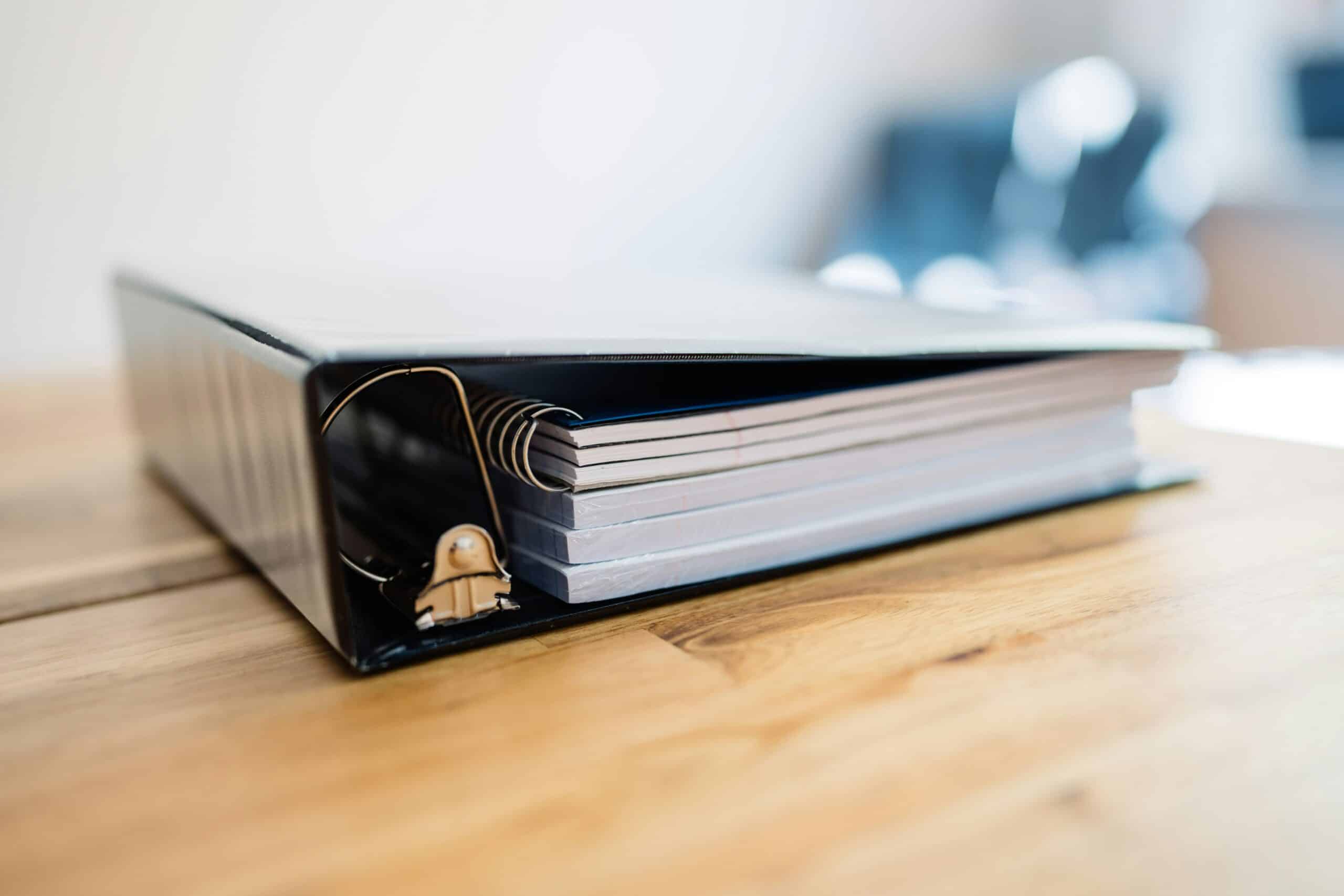
This is document storage rather than symptom tracking, and the two are separate jobs. The best document binders and folders for medical paperwork are the ones organized by the processes you will actually have to navigate, which means a section per insurer interaction rather than a section per month.
Symptom records belong somewhere else, and migraine journals cover that side.
Medical Disclaimer
This article is for educational purposes only and does not replace medical evaluation or treatment by a qualified clinician, and it is not legal or insurance advice. Coverage rules and appeal timelines vary by plan and by region, so confirm yours with your insurer or a patient advocate.
Quick Verdict
A three-ring binder with tabbed dividers and a few sheet protectors handles almost everything, because paperwork arrives on paper and in no order. Add an expanding file for the overflow and a portable folder for appointments. Scanning everything is the step that matters most and costs nothing.
Key Takeaways
- Organize by process, since appeals and authorizations run on their own timelines.
- Keep every denial letter, because the dates on it drive the appeal window.
- Log phone calls with date, name and reference, since verbal answers vanish.
- Scan as you file, so a lost binder is an inconvenience rather than a disaster.
- Take a slim folder to appointments rather than the whole binder.
- Treatment history is what preventive decisions get made against, so keep it complete.
How We Picked
We sorted these by the job each one does, since filing at home and carrying documents to an appointment are different requirements.
Then we weighted whether a format tolerates paper arriving out of order, because that is how medical paperwork actually arrives.
We have not compared these products directly, so nothing here is presented as a result from our own testing. Nothing in this article is insurance or legal advice, and plan rules differ.
1. A Three-Ring Binder With Tabbed Dividers, Best Overall
Why It Stands Out
Rings let you insert a letter into the middle of a section months later, which is exactly what medical paperwork requires. Tabs give you a section per process rather than per date.
A binder also lies flat and stays open on a table while you are reading a form aloud to someone on the phone.
Worth Knowing
Hole-punching everything is tedious and some documents should not be punched, which is where sheet protectors earn their place. A cheap punch is worth having nearby.
Binders also get heavy fast, and a full one is no longer portable.
This suits anyone dealing with authorizations or appeals. Skip it if you have very little paper. Best for: a filing system that accepts paper out of order.
Check Price on Amazon2. Sheet Protectors, Best for Originals
Why It Stands Out
Some documents you do not want to punch holes in, including original letters and anything you may need to produce intact. A protector files them without altering them.
They also hold oddly sized items like pharmacy printouts and appointment cards, which otherwise go loose.
Worth Knowing
Thin protectors tear at the holes under weight, which defeats the point. Heavier gauge costs slightly more and survives.
They also add bulk quickly, so they suit the documents that matter rather than everything.
This suits originals and odd-sized items. Skip them for routine printouts. Best for: filing documents without punching them.
Check Price on Amazon3. An Expanding File, Best for Volume
Why It Stands Out
An accordion file swallows a lot of paper with no punching at all, which suits the explanation-of-benefits statements and pharmacy paperwork that accumulate without ever needing to be read again.
Labeled pockets also work well for a section per year, which is how old records get used.
Worth Knowing
Finding one document inside a stuffed pocket is slow, so this suits archive rather than active matters. The binder handles anything live.
Elastic closures perish and the file then spills, which is worth checking occasionally.
This suits long-term storage and high volume. Skip it for active appeals. Best for: holding the paperwork you must keep but rarely open.
Check Price on Amazon4. A Portable Document Folder, Best for Appointments
Why It Stands Out
A slim zip folder holds the few documents a specific appointment needs, which beats carrying a full binder into a waiting room. You can also hand the whole thing across a desk.
Keeping it packed between appointments means nothing gets forgotten on the day.
Worth Knowing
Documents moved out of the binder into a folder are documents that can fail to go back. Returning them the same day is the discipline this needs.
Deciding what to bring is its own task, and how to prepare for a migraine appointment covers it, with the appointment prep builder as the working tool.
This suits anyone attending specialist appointments. Skip it if you rarely attend in person. Best for: carrying only what the appointment needs.
Check Price on Amazon5. A Portable Document Scanner, Best Backup
Why It Stands Out
Scanning as you file means every document exists twice, which turns a lost or damaged binder into an inconvenience. It also makes searching possible, which paper never is.
Being able to email a denial letter to an advocate or a pharmacy the same day is the practical benefit.
Worth Knowing
A phone camera does most of this for free, so a dedicated scanner is a convenience purchase rather than a requirement. Naming files consistently matters more than the hardware.
Scans of medical documents are sensitive, so where they are stored deserves thought.
This suits high paperwork volume. Skip it if your phone is enough. Best for: a searchable second copy of everything.
Check Price on Amazon6. A Phone Call Log Notebook, Best Record of Conversations
Why It Stands Out
Insurance and pharmacy matters are often settled by phone, and a verbal answer with no record is worth very little later. Date, name, reference number and what was said is the whole entry.
A dedicated notebook keeps those entries together rather than scattered across whatever was nearby.
Worth Knowing
This only works if you write it down during the call, since details evaporate within hours. Keeping it by the phone is the trick.
It is also a different document from a symptom diary and should not share a book with one, since the two get used in completely different conversations.
This suits anyone mid-appeal or mid-authorization. Skip combining it with a symptom journal. Best for: making phone answers count later.
Check Price on AmazonPaperwork Storage at a Glance
| Item | Main Job | Portable | Best For |
|---|---|---|---|
| Ring binder with tabs | Active filing | Not when full | Live appeals and authorizations |
| Sheet protectors | Filing without punching | In the binder | Originals and odd sizes |
| Expanding file | Bulk storage | No | Statements and archive |
| Portable folder | Carrying a subset | Yes | Appointments |
| Document scanner | Second searchable copy | Varies | High volume |
| Call log notebook | Recording conversations | Yes | Anything settled by phone |
What to Look For
A format that accepts paper out of order
Documents arrive months apart and belong next to each other, so anything that forces chronological order fights you. Rings and labeled pockets both solve it.
Enough sections for the processes
A tab each for authorizations, denials and appeals, pharmacy, specialist letters and test results covers most situations. Sections by month do not match how any of this is used.
Durability for years rather than months
This is a multi-year archive, so cheap rings that misalign and thin protectors that tear become a real nuisance. Buy once.
Something you can carry a part of
You will need four pages at an appointment and never the whole file. A system with a portable subset beats one single container.
Paperwork Against Symptom Records
Paperwork is for administration
Denials, authorizations, formulary letters and billing all run on deadlines set by someone else, and the binder exists to meet those. It is a filing problem.
Symptom records are for clinical decisions
Attack frequency and response to treatment are what a clinician reviews, and the American Headache Society’s consensus guidance describes preventive therapy as something assessed over a trial period rather than judged immediately1. That record belongs in a journal, and what to record in a migraine diary covers it.
What Trips People Up
Throwing away the denial letter
The letter carries the reason code and the dates that an appeal runs from, so it is the most important document in the file. How to appeal a denied migraine treatment explains what it is used for.
Relying on a phone conversation
An approval given verbally with no reference number is hard to point at later. Writing down who, when and what was agreed takes a few seconds.
Not keeping a treatment history
Step therapy processes depend on documenting what has already been tried and what happened. What step therapy is and what prior authorization is both turn on that record.
Missing the money paperwork
Copay programs and spending accounts have their own documentation requirements and deadlines. How copay cards work and whether migraine products are FSA eligible cover what to keep.
Setting the Binder Up Once
One tab per process
Authorizations, denials and appeals, pharmacy and billing, specialist correspondence, test results. Those five cover almost everything that arrives.
A front sheet with the essentials
Plan numbers, prescriber details, pharmacy details and current medications on page one saves hunting on every call. Update it rather than adding a new one.
File on arrival
A pile beside the binder is the same as no binder. Punching and filing takes under a minute per document if it happens the day it arrives.
Bring the questions, not the archive
A specialist appointment is short, so the folder should hold the few documents and the questions that matter. What questions to ask a neurologist is a useful starting list.
Recommended Reading
Worth reading next: how long to track migraines before seeing a doctor, which covers what that record is for.
When to See a Neurologist
- Any headache you would describe as the worst of your life.
- A headache that comes on suddenly and peaks within moments.
- New headaches starting after age fifty.
- Attacks increasing in frequency over weeks or months.
- Weakness, numbness, speech difficulty or vision loss with an attack.
- Headache with fever, neck stiffness or a rash.
- Pain that wakes you from sleep or is worst on waking.
- Headache following any head or neck injury.
- Needing acute medication on most days to function.
- Attacks that stop responding to what previously worked.
- Attack frequency high enough that preventive treatment is worth discussing.
- Disability from attacks that is affecting work or caring responsibilities.
Medical Paperwork FAQ
What are the best document binders and folders for medical paperwork
A three-ring binder with tabbed dividers plus heavy sheet protectors covers active filing. An expanding file handles archive volume, a slim portable folder handles appointments, and a call log notebook records anything settled by phone.
How should I organize medical paperwork
By process rather than by date: authorizations, denials and appeals, pharmacy and billing, specialist letters, test results. Those categories match the conversations you will have, which chronological filing does not.
What should I definitely keep
Every denial letter, since the reason codes and dates drive any appeal, plus a record of what treatments have been tried and what happened. Phone call notes with names and reference numbers matter more than people expect.
Is a binder better than going digital
Do both, because paperwork arrives on paper and a scanned copy makes it searchable and shareable. A phone camera is enough for the digital half.
Should this be the same book as my migraine diary
No. A symptom diary supports clinical decisions and a paperwork binder supports administrative ones, and they get used in entirely different conversations. Keeping them separate makes both easier to use.
How long should I keep all this
Longer than feels necessary, because treatment history gets asked about years later and prior authorization processes often require it. Retention rules vary by plan and region, so check yours.
What do I take to an appointment
A slim folder with your current medication list, recent test results, any new correspondence and your written questions. The full binder stays home.
When should I see a doctor rather than sort paperwork
See a doctor straight away for any sudden severe headache, new neurological symptoms, or attacks that have changed in pattern, regardless of where the paperwork stands. Administration never takes priority over a symptom that needs assessment.
Sources
- Ailani J, Burch RC, Robbins MS; Board of Directors of the American Headache Society. The American Headache Society Consensus Statement: Update on integrating new migraine treatments into clinical practice. Headache. 2021;61(7):1021-1039.
