
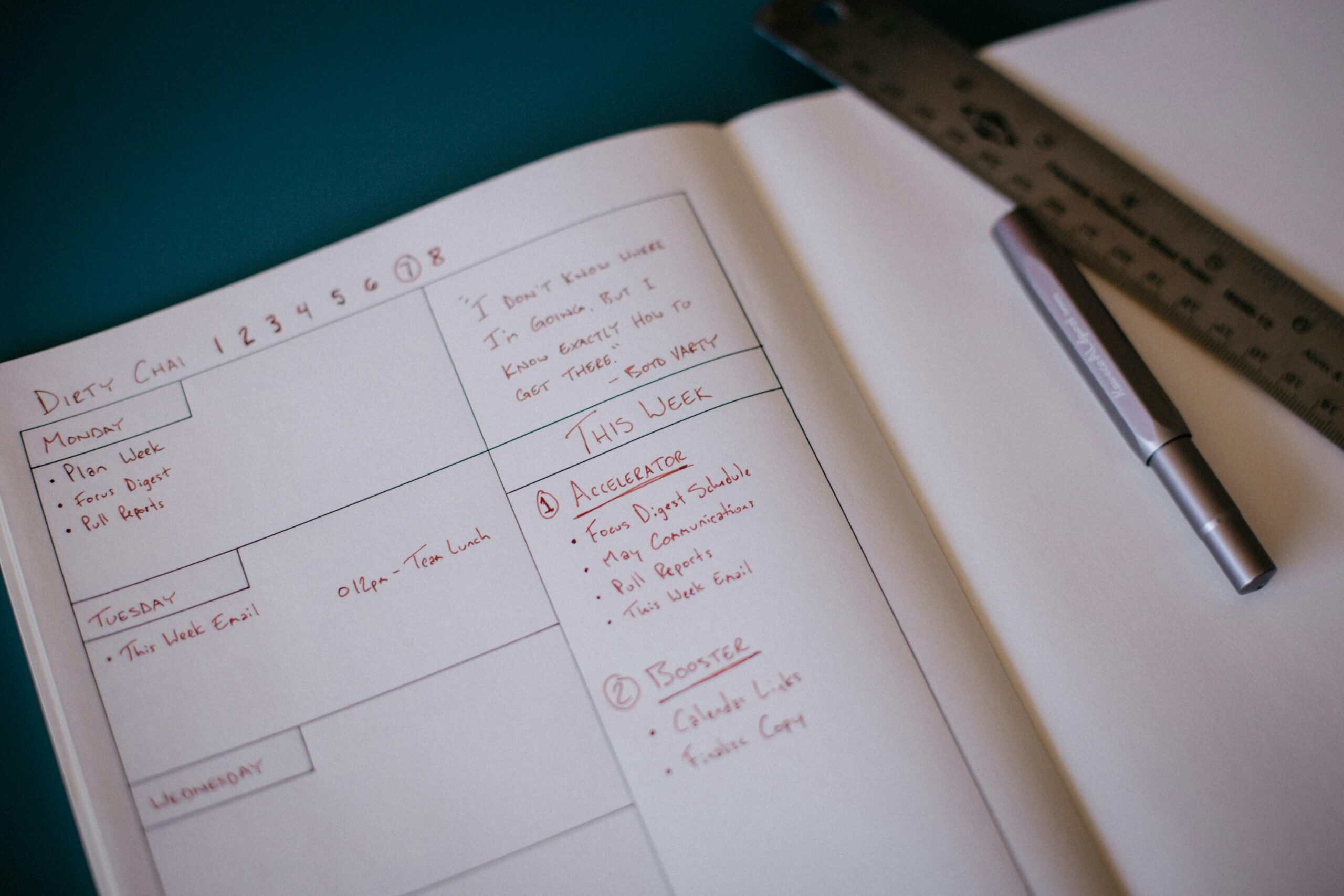
The instinct with a migraine diary is to record everything, on the theory that the trigger is hiding somewhere in the detail. What usually happens is that logging twenty fields becomes a chore, the entries get sparse, and three months later there is not enough consistent data to see anything.
A short list of fields recorded reliably tells you considerably more than a long list recorded when you remember. Our roundup of migraine tracking apps covers where to put the data.
Medical Disclaimer
This is general information about record keeping, not medical advice. A diary supports a conversation with a doctor rather than replacing one, and no pattern you identify yourself is a diagnosis. New, sudden, or severe headache, or headache with neurological symptoms, needs prompt medical attention rather than logging.
Quick Answer
Record date, start and end time, pain severity, location, associated symptoms, what you took and whether it helped, and how much it limited you. Everything beyond that is optional and should earn its place.
The Core Fields
Date and duration
Start time and end time, or a best estimate if you slept through part of it. Frequency and duration are the two figures a doctor will ask for first, and they are the ones most treatment decisions ultimately rest on.
Severity
A simple scale, used consistently every time. Whether it runs one to ten or simply mild, moderate, and severe matters far less than not switching between them halfway through a year of records.
Location and character
One side or both, and whether the pain throbs, presses, or stabs. These features are part of how headache disorders are classified.
Associated symptoms
Nausea, vomiting, light sensitivity, sound sensitivity, and any aura. Which of these appear and how consistently is clinically meaningful information rather than incidental detail, and it forms part of how headache disorders are told apart.
Treatment and Response
Record what you took, the dose, how long after onset you actually took it, and whether it worked at all. Timing matters because acute migraine treatments generally work better taken early, and a diary showing consistently late dosing points at something actionable. Our guide to whether you can be fired for migraine absences covers why the record you keep now matters later. There is more on what happens when migraines cause school absences in a separate guide.
Note whether a second dose was needed and whether the headache came back later the same day. Recurrence within twenty-four hours is a specific pattern that doctors ask about directly, and it affects which treatments are considered.
Also count treatment days per month rather than only attack days. Frequent use of acute medication can itself contribute to headache, and the count is the thing that surfaces it. Our note on questions to ask a neurologist covers what to bring.
Impact Is the Field People Skip
How much the attack limited what you could do is arguably more useful than the pain score, because it captures burden rather than sensation.
A simple three-level record works: carried on normally, carried on with difficulty, or unable to function. That maps onto how disability is assessed clinically and it takes a second to log.
Missed work, missed activities, and time spent lying down are all versions of the same measurement. Whichever you choose, use it consistently rather than switching.
Possible Triggers, Recorded Carefully
This is where diaries go wrong most often. Logging every suspected trigger produces a list of correlations that mostly are not causes, and the risk is eliminating foods and activities unnecessarily.
Two things make trigger data more useful. Record exposure regardless of whether an attack followed, since a trigger that appears on attack days and non-attack days equally is not a trigger. And record the day before, since some triggers act with a delay.
The other complication is prodrome. Cravings, mood change, and appetite shifts can precede an attack by hours, which means the chocolate eaten beforehand may have been an early symptom rather than the cause. Our note on whether skipping meals triggers migraine covers one better-evidenced example.
Fields Worth Adding Selectively
Sleep
Hours and quality, since both too little and too much are associated with attacks. Worth adding if attacks cluster around weekends or schedule changes.
Menstrual cycle
For anyone who menstruates, cycle day is one of the highest-value fields available, since hormonal patterns are well documented.
Weather
Only worth logging manually if you suspect it, since many apps capture it automatically and manual entry adds work for a field you may not use.
Stress
A simple daily rating, noting that the letdown after stress is more commonly reported than the stress itself. Our note on how stress relates to migraine covers that pattern.
Paper, App, or Spreadsheet
Apps handle reminders, capture weather and location automatically, and produce summaries without any work from you. That automation is the main argument for them, since it removes fields you would otherwise have to type.
Paper needs no charging, no account, and no unlocking a phone with a headache. It is also easier to hand to a doctor, and some people find writing by hand more likely to become a habit than opening an app.
A spreadsheet sits between the two. More work to set up, complete control over the fields, and easy to sort or chart later, which suits anyone who wants to look at the data themselves rather than through an app’s summary screen.
None of these is better in a way that matters. The one you will fill in on a bad day is the right one, and that is a question about you rather than about the format. Our roundup of diary apps covers the digital options.
Consistency Beats Completeness
Logging six fields every single day produces usable data. Logging twenty fields on the days you feel up to it produces a record biased toward bad days, which is exactly the bias that makes patterns unreadable.
Recording non-attack days matters as much as recording attacks. Without them there is no baseline, and everything looks like it happens on attack days because those are the only days in the record.
Set a fixed time to log, and keep entries short enough that doing it on a bad day is realistic. Our roundup of migraine journals covers paper formats.
Migraine Diary FAQ
What are the most important things to record?
Date, start and end time, severity on a consistent scale, associated symptoms, what you took and whether it helped, and how much the attack limited you. Those cover what a doctor will ask and what treatment decisions rest on.
Should I record days without a headache?
Yes, and this is the most commonly skipped part. Without non-attack days there is no baseline, so any suspected trigger appears to occur only on attack days simply because those are the only days recorded.
How do I record triggers without over-restricting?
Log exposure on all days rather than only attack days, so you can see whether the suspected trigger also appears without an attack. Eliminating foods based on correlation alone commonly removes things that were never causing anything.
Why does timing of medication matter?
Acute migraine treatments generally work better taken early in an attack. A diary showing consistently late dosing identifies something changeable, which is more useful than another month of the same pattern.
Should I count medication days?
Yes. Frequent use of acute treatments can contribute to headache over time, and a monthly count is what makes that visible. It is also a figure clinicians specifically ask for.
How long should I keep a diary?
Long enough to cover several cycles of whatever pattern you suspect, which for most people means at least a few months. Shorter periods rarely contain enough attacks to distinguish a pattern from coincidence.
Is an app better than paper?
Whichever you will actually use daily. Apps handle reminders, automatic weather capture, and summaries, and paper needs no charging and no account. Consistency matters more than the medium.
When should I see a doctor?
For any new, sudden, or severe headache, headache with weakness, speech changes, vision loss, confusion, or fever, and for any headache pattern that is changing or worsening. A diary supports that conversation; it does not replace it.
Sources
- Headache Classification Committee of the International Headache Society. The International Classification of Headache Disorders, 3rd edition. Cephalalgia. 2018;38(1):1-211. https://ichd-3.org/
- Lipton RB, Munjal S, Buse DC, et al. Results From the American Migraine Prevalence and Prevention (AMPP) Study. Headache. 2016;56(10):1635-1648. https://headachejournal.onlinelibrary.wiley.com/
- National Institute of Neurological Disorders and Stroke. Migraine. National Institutes of Health. https://www.ninds.nih.gov/health-information/disorders/migraine
Recommended Reading
See our note on migraine apps predict attacks, and how long should you track migraines before seeing a doctor, and spoting patterns in migraine tracking data.
For the wider picture, see our guide to how to choose migraine glasses.
