
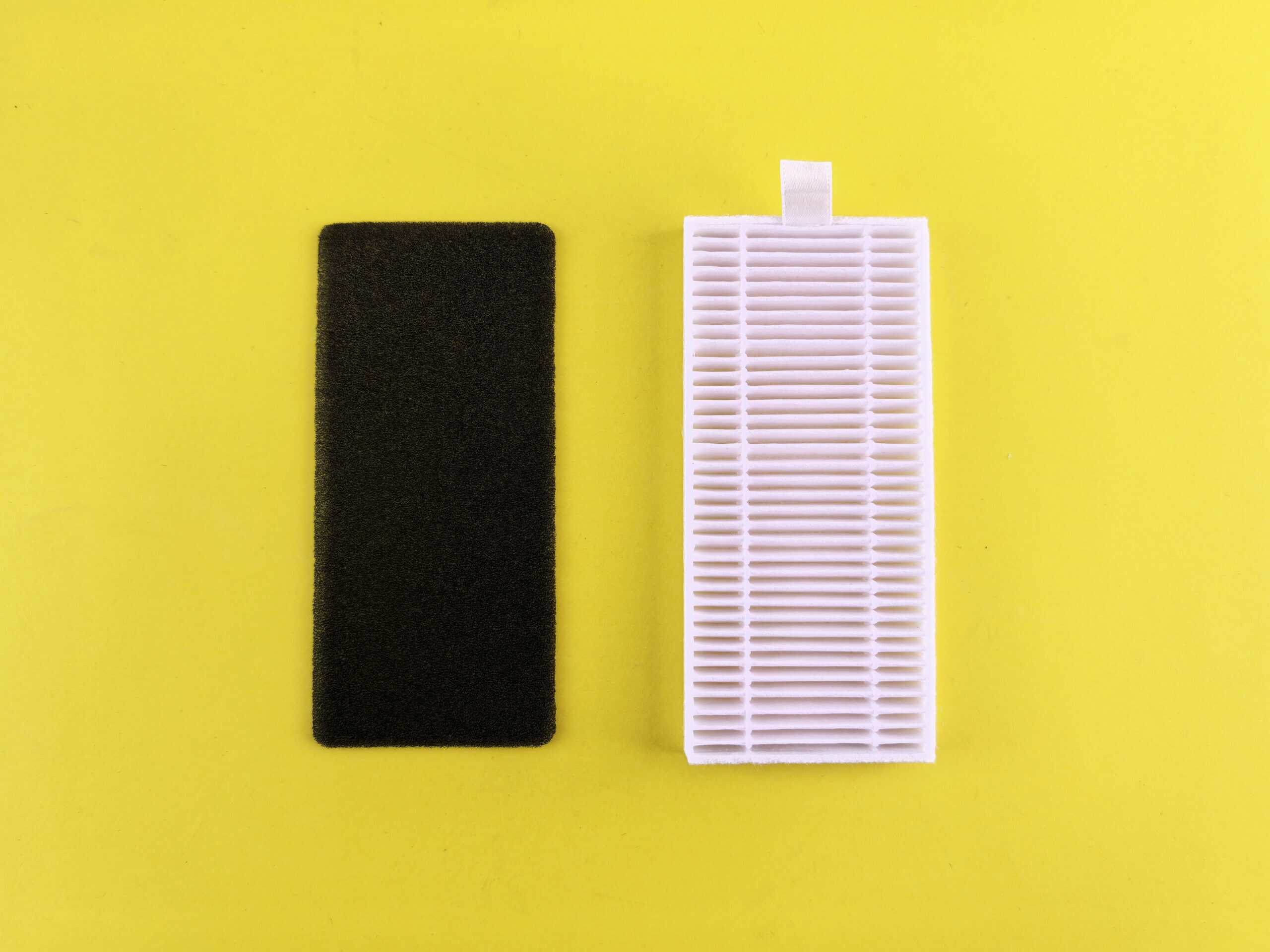
An air purifier running a filter that should have been changed months ago is moving less air than you think it is, and the best HEPA replacement filters for air purifiers are the manufacturer’s own, because fit and sealing are what decide whether air goes through the filter or around it. Replacement schedule matters more than which brand you buy.
This is the recurring cost nobody factors in when buying the machine. Filters are consumables.
If you are still choosing the purifier itself, that comes first. Our air purifiers for migraine relief roundup covers the units, and this page covers keeping one working.
Medical Disclaimer
This article is research, not medical advice. Air filtration reduces some airborne particles and treats no condition. If you have worsening breathing symptoms, persistent congestion or suspect mold exposure in your home, see a doctor rather than relying on a filter change.
Quick Verdict
Manufacturer originals are the safe choice because the seal is guaranteed, and third-party filters are the value option when reviews confirm the fit. Look for true HEPA rather than HEPA-type labeling, add a carbon layer if odors are your issue, and use a washable pre-filter to extend the life of the expensive filter behind it. Buying a multi-pack is the cheapest way to actually change them on time.
Key Takeaways
- A clogged filter reduces airflow, so the machine moves less air while sounding like it is working harder.
- Fit and sealing decide whether air passes through the filter or leaks around the edge.
- True HEPA and HEPA-type are different claims, and only one of them is a standard.
- Carbon handles odors and gases, and HEPA does not, so they are separate layers.
- A washable pre-filter catches hair and dust that would otherwise clog the HEPA element.
- Changing on schedule matters more than which brand of filter you choose.
How We Picked the Best HEPA Replacement Filters for Air Purifiers
We compared filter types rather than named products, because filters are model-specific and the right one for you is determined entirely by your machine.
Each section covers one type, what it addresses and where it falls short. We weighted four things: how reliably it seals in the housing, what it actually filters, how long it lasts in normal use, and what it costs over a year.
We have not published filtration percentages, micron ratings or service intervals. Those are stated on the filter and in your purifier’s manual, and a figure repeated here could lead someone to run a filter longer than their machine expects.
On the clinical side, the Environmental Protection Agency states that air cleaners can reduce indoor airborne particles but should accompany source control and ventilation rather than replace them, and the American Migraine Foundation lists strong odors among commonly reported triggers. Carbon rather than HEPA is the layer relevant to that second point.
1. Manufacturer Original Filters, Best Overall
Why It Stands Out
Filters made or specified by the company that made your purifier, sized exactly to the housing and the gasket it seals against.
Sealing is the whole game. A filter that does not press evenly against the housing lets air bypass it, and bypassed air is unfiltered air regardless of what the media is rated for.
Originals also keep the machine’s filter life indicator honest, since the sensor timing was set around that element’s resistance.
Worth Knowing
You pay a premium, sometimes a large one relative to the price of the machine. Over several years the filters can cost more than the purifier did.
Availability can also fade when a model is discontinued, which is worth checking before buying into an unusual purifier.
Best when you want no doubt about fit. Our air quality monitors picks let you see whether the machine is doing anything.
Check Price on Amazon2. Third-Party Compatible Filters, Best Value
Why It Stands Out
Filters made by other companies to fit a popular purifier, usually at a fraction of the original price and often sold in multi-packs.
Cost is the argument, and it is a real one. Cheaper filters mean you change them on time instead of stretching one to eighteen months.
For widely sold purifiers the compatible market is mature, and the better makers match both dimensions and media quality closely.
Worth Knowing
Quality varies a great deal. Undersized filters, flimsy frames and thin media all exist, and a poor frame is the one that causes bypass.
Read reviews for your exact purifier model rather than the filter in general, since the same filter can fit one machine well and another badly.
Best for popular purifiers where fit is well documented. Skip it for an unusual machine where nobody has reported back.
Check Price on Amazon3. True HEPA Replacement Cartridges, Best Filtration
Why It Stands Out
Filters labeled true HEPA, which refers to a defined performance standard rather than a marketing resemblance to one.
HEPA-type, HEPA-like and similar wording are not that standard. They describe filters that perform less well and are free to say so vaguely.
For fine particles including pollen fragments and dust, that difference is the main thing separating a filter that works from one that mostly makes noise.
Worth Knowing
True HEPA media is denser, so it creates more resistance and the fan has to work harder. That is normal and it is also why these clog noticeably when neglected.
A true HEPA filter in a machine not designed for the resistance will reduce airflow more than it improves filtration.
Best when the stated purpose is fine particles. Our guide to whether allergies can cause migraines covers why that may or may not matter for you.
Check Price on Amazon4. Activated Carbon Filters and Wraps, Best for Odors and Gases
Why It Stands Out
Carbon layers, pellets or fabric wraps that adsorb gases and odors, which a HEPA filter does nothing about.
If your issue is cooking smells, cleaning products or paint rather than dust, carbon is the layer that matters and HEPA is beside the point.
Carbon wraps that fit over an existing pre-filter are also the cheapest way to add this capability to a machine that lacks it.
Worth Knowing
Carbon saturates rather than clogging, and a saturated filter stops working without any visible change. Weight of carbon is what determines how long it lasts.
Thin carbon-coated meshes are common and hold very little carbon, so they saturate quickly despite the label.
Best when odors are the trigger rather than particles. See our guide to whether cleaning products are a migraine trigger.
Check Price on Amazon5. Washable Pre-Filters, Best Ongoing Cost
Why It Stands Out
A coarse mesh screen in front of the main filter, catching hair, lint and large dust before it reaches the expensive element behind.
Protecting the HEPA filter is the point. Most of what clogs a HEPA element is large debris that a pre-filter would have caught.
Being washable means it costs nothing after purchase, and rinsing it monthly is the single cheapest thing you can do for the machine.
Worth Knowing
These filter almost nothing fine, so a pre-filter alone is not air cleaning. It is maintenance for the filter behind it.
It must be completely dry before going back in, since a damp pre-filter in a housing invites exactly the mold problem you were avoiding.
Best in every purifier that accepts one. Our guide to whether mold can trigger migraines covers why the drying step matters.
Check Price on Amazon6. Multi-Packs and Subscription Bundles, Best for Staying on Schedule
Why It Stands Out
Two or more filters bought together, or a recurring delivery timed roughly to the replacement interval.
Having the next filter already in a cupboard is what makes the change happen. Ordering one at the moment it is due means weeks of running a clogged filter.
Per-filter cost also drops in a multi-pack, which removes the financial reason people stretch intervals.
Worth Knowing
Filters stored unwrapped pick up dust and odors from the room. Keep spares sealed in their original packaging.
Subscriptions also assume an average use rate, and a machine running constantly in a dusty home needs changes sooner than the schedule assumes.
Best for anyone who has ever run a filter past its date, which is most people. Our allergen-proof bedding covers picks cover the other half of a bedroom exposure plan.
Check Price on AmazonFilter Types at a Glance
| Type | Catches | Fit Risk | Lifespan | Best Use |
|---|---|---|---|---|
| Manufacturer original | Per spec | None | As stated | Certain fit |
| Third-party compatible | Varies | Real, check reviews | Varies | Value on common models |
| True HEPA cartridge | Fine particles | Resistance mismatch | Shorter if neglected | Particle filtration |
| Activated carbon | Odors and gases | Low | Saturates invisibly | Smell triggers |
| Washable pre-filter | Hair and lint | Low | Indefinite | Protecting the HEPA |
| Multi-pack | Matches type | Matches type | Matches type | Changing on time |
How to Choose a Replacement Filter
Start from your purifier’s model number
Filters are not interchangeable between machines. Find the exact model on the back of the unit, not the product family name.
Check the words true HEPA
HEPA-type and HEPA-like are weaker claims with no standard behind them. The phrasing on the box is the only clue you get.
Decide whether you need carbon
Particles and odors are different problems with different layers. Buying a HEPA filter when smells are your trigger solves nothing.
Read reviews from owners of your machine
Third-party fit is the main variable, and the useful reviews are the ones naming your exact purifier.
Buy the next one early
A spare in the cupboard is what turns a replacement schedule into an actual replacement. This is the whole trick.
Original or Third-Party Filters?
When originals are worth it
If your purifier is unusual, if the housing seals against a precise frame, or if you simply do not want to evaluate the question, originals remove the risk. A guaranteed seal is worth real money.
When third-party makes more sense
On a widely sold machine with plenty of owner reports, a good compatible filter costs far less and lets you change it more often. Changing a decent filter on schedule beats stretching a perfect one, and our fragrance-free products roundup covers reducing what the filter has to deal with in the first place.
Common Filter Mistakes to Avoid
Running a filter past its interval
Airflow drops as the filter loads, so the machine quietly cleans less air while using the same power. This is the most common mistake in the category.
Washing a HEPA filter
Unless it is explicitly sold as washable, water ruins HEPA media and the filter will not recover. Only pre-filters are washable.
Expecting HEPA to remove smells
HEPA captures particles and does nothing to gases. Odor complaints need carbon, and plenty of carbon rather than a coated mesh.
Reinstalling a damp pre-filter
A wet screen in a dark housing is how a purifier starts smelling musty. Dry it completely first.
Relying on the filter instead of the source
Filtration helps at the margin. Removing or venting the source does more, which is why the EPA frames air cleaners as one part of an approach.
Recommended Reading
Best HEPA Replacement Filters for Air Purifiers FAQ
What are the best HEPA replacement filters for air purifiers?
Manufacturer originals are the safest choice because the seal against the housing is guaranteed, and a well-reviewed third-party filter is the better value on a widely sold machine. Look for true HEPA wording rather than HEPA-type, and add carbon separately if odors rather than particles are your issue.
How often should you change an air purifier filter?
Follow the interval in your purifier’s manual, and shorten it if the machine runs constantly, if you have pets, or if the air is dusty. A filter indicator counts hours rather than measuring loading, so it is a prompt rather than a measurement. Visible gray discoloration means it is overdue.
Are third-party filters as good as originals?
The good ones are close, and the bad ones fit poorly enough to let air bypass the media entirely. Fit is the variable that matters more than media quality, so read reviews from owners of your exact purifier model rather than general ratings.
What is the difference between true HEPA and HEPA-type?
True HEPA refers to a defined performance standard for capturing fine particles. HEPA-type, HEPA-like and similar phrases have no standard behind them and describe filters that perform less well. The wording on the box is the only indication you get.
Can you wash and reuse a HEPA filter?
No, unless the filter is explicitly sold as washable. Water damages the pleated media and the filter will not recover its performance, even if it looks clean afterward. Washable pre-filters are the only part most purifiers let you rinse.
Do HEPA filters remove odors?
No. HEPA captures particles and has no effect on gases or smells, which is why purifiers aimed at odors include an activated carbon layer. If smells are what triggers you, buy for carbon weight rather than HEPA rating.
Why does my purifier smell bad after a filter change?
Usually a damp pre-filter reinstalled before drying, or a new carbon filter off-gassing slightly for the first day. If a musty smell persists, check the housing and the pre-filter rather than assuming the new filter is faulty.
When should I see a doctor?
See a doctor if you have worsening breathing symptoms, persistent congestion, or a cough that does not settle, and particularly if you suspect mold in your home. Air filtration is an environmental adjustment, and symptoms that persist through it need assessing rather than more equipment.
Sources
- Environmental Protection Agency, Guide to Air Cleaners in the Home. epa.gov
- American Migraine Foundation, Common Migraine Triggers. americanmigrainefoundation.org
- Cleveland Clinic, Indoor Allergies. my.clevelandclinic.org
- Mayo Clinic, Dust Mite Allergy Diagnosis and Treatment. mayoclinic.org
