
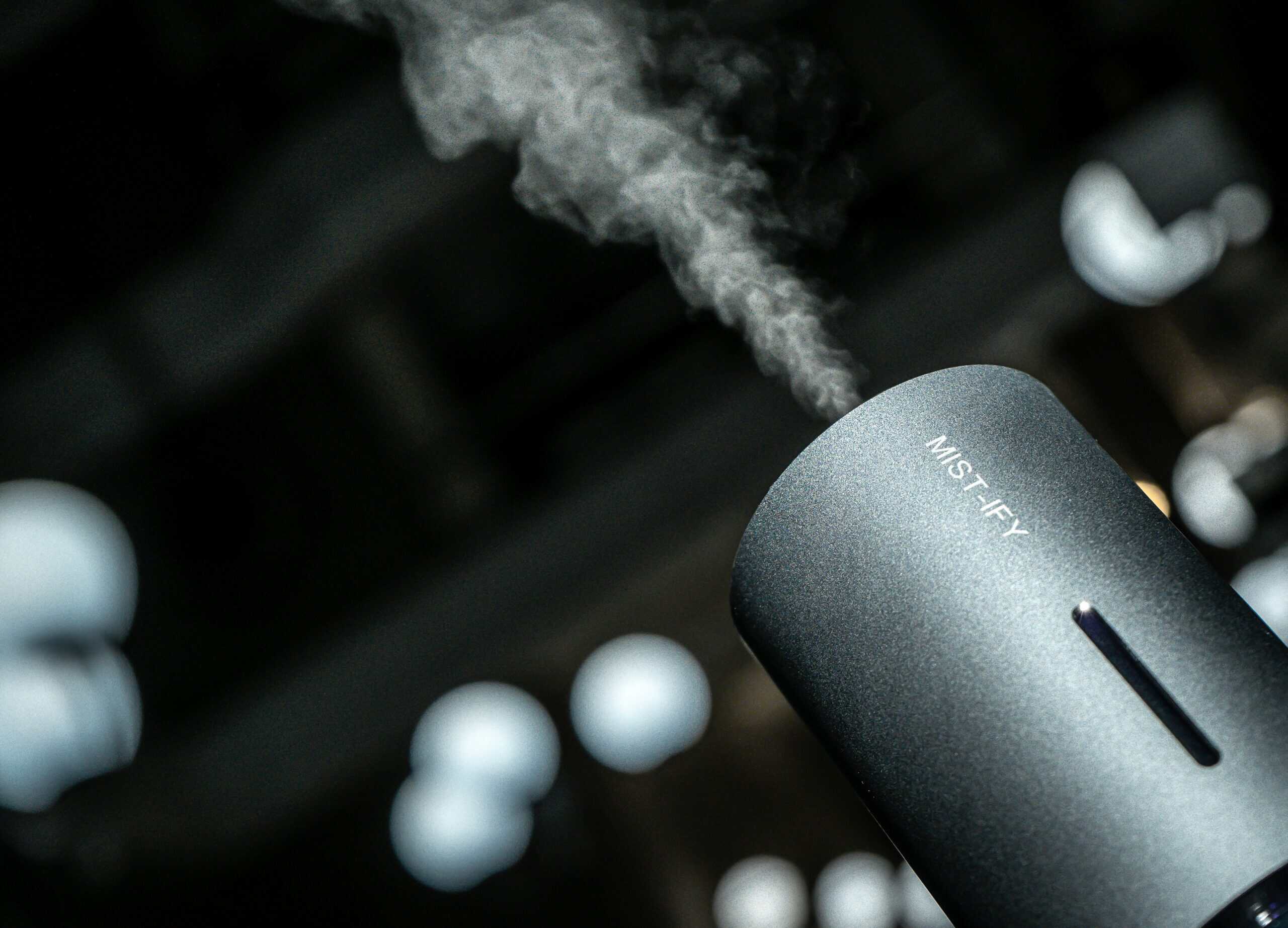
Ever wake in winter with a stuffy nose, a dry throat, and a headache already building behind your eyes? Dry indoor air can drive sinus congestion and dehydration that some people connect to their headaches, and the best humidifiers for migraine relief add back the moisture that heated, air-conditioned rooms strip away. The right one holds a comfortable humidity level, stays easy to clean so it does not breed mold, and runs quietly enough for your bedroom.
This article is for general information only and is not medical advice. Migraine is a medical condition, and a humidifier is a comfort and environmental tool, not a treatment or cure. Always consult a qualified healthcare provider about migraine diagnosis, prevention, and treatment.
Quick verdict:
- Best overall: Levoit Classic 300S, quiet and smart with easy bedside use.
- Best easy-clean: Honeywell HCM-350, germ-free cool mist with washable parts.
- Best warm and cool mist: Levoit OasisMist 4.5L, with humidity control for larger rooms.
- Best value: Crane Drop, affordable coverage for most bedrooms.
How We Picked the Best Humidifiers for Migraine Relief
We focused on what matters for comfort and trigger control: stable humidity output, ease of cleaning to prevent mold and bacteria, noise level for sleep, tank size and runtime, and cool versus warm mist. We kept in mind that dehydration and sinus issues are reported migraine factors, which is part of why dry air can feel rough.1 The notes below come from published specifications and consistent owner reports, not from hands-on testing or medical testing of migraine outcomes.
| Your situation | Levoit 300S | Honeywell HCM-350 | Levoit OasisMist | Crane Drop | Vornado EV100 |
|---|---|---|---|---|---|
| Bedroom, quiet for sleep | Best fit | Workable | Workable | Best fit | Workable |
| Easy cleaning, anti-mold | Workable | Best fit | Workable | Workable | Best fit |
| Larger room coverage | Workable | Workable | Best fit | Workable | Best fit |
| No white mineral dust | Skip | Best fit | Skip | Skip | Best fit |
| Tight budget | Workable | Workable | Skip | Best fit | Workable |
Humidifier prices change often, so confirm the current cost before you buy.
1. Levoit Classic 300S: Best Overall
Why It Stands Out
The Levoit Classic 300S is a quiet, capable ultrasonic humidifier that suits most people. It is small enough for a bedside table yet outputs enough mist for a sizable room. Smart controls and a humidity target let it maintain a steady level on its own.
Worth Knowing
As an ultrasonic model, it can leave fine white mineral dust if you use hard tap water, so distilled water helps. The tank is easy to refill, and regular cleaning keeps the mist healthy. App and auto features add convenience at a modest price.
It suits the person who wants quiet, set-and-forget humidity in a bedroom or living space. Skip it if you want to avoid mineral dust entirely or prefer warm mist. For most rooms, it is the easiest humidifier here to recommend. The smart humidity target is the feature you will use most.
Set a target humidity and it cycles on and off to hold the room steady.
2. Honeywell HCM-350: Best Easy-Clean
Why It Stands Out
The Honeywell HCM-350 is built around cleanliness, which matters because a dirty humidifier can spread mold and bacteria into the air. Its design uses ultraviolet technology to reduce germs in the water, and key parts are dishwasher-safe. As an evaporative cool-mist unit, it does not produce white mineral dust.
Worth Knowing
It uses a replaceable wicking filter, an ongoing cost to factor in. The fan makes a steady white-noise sound, which some find soothing and others notice. Coverage suits a medium-sized room well.
It suits the person who wants the cleanest possible mist and no mineral dust. Skip it if you want near-silent operation or zero filter costs. For easy-clean, healthy humidity, it is the standout pick. The germ-reducing design is reassuring if cleanliness is your priority.
Dishwasher-safe parts make the routine cleaning that prevents mold far simpler.
3. Levoit OasisMist 4.5L: Best Warm and Cool Mist
Why It Stands Out
The Levoit OasisMist 4.5L offers both warm and cool mist with smart humidity control. The larger tank covers bigger rooms and runs longer between refills. An app and auto mode hold humidity in a comfortable range without fuss.
Worth Knowing
Warm mist can feel soothing for congestion, though it uses more power than cool mist alone. Being ultrasonic, it can leave mineral dust with hard water, so distilled water helps. The bigger size takes up more space than compact units.
It suits the person who wants flexible mist options and coverage for a larger bedroom or living area. Skip it if you only need a small, simple unit. For warm and cool versatility, it is a strong choice. The larger tank also means fewer middle-of-the-night refills.
Switching to warm mist on a congested night can feel especially soothing.
4. Crane Drop: Best Value
Why It Stands Out
The Crane Drop combines solid performance, easy use, and good coverage at an affordable price. It humidifies rooms up to around 500 square feet, suiting most bedrooms and medium spaces. The simple, intuitive design earns high marks for everyday use.
Worth Knowing
As an ultrasonic cool-mist unit, it can leave mineral dust with hard water, so distilled water helps. A few spots in the tank are slightly harder to reach when cleaning. It runs quietly enough for sleep.
It suits the person who wants dependable humidity without spending much. Skip it if you want smart features or warm mist. For value in a bedroom-sized humidifier, it is hard to beat. It proves you do not need to spend much to ease dry-air discomfort.
The low price and easy operation make it a great first humidifier.
5. Honeywell HUL520B MistMate: Best Compact Bedroom
Why It Stands Out
The Honeywell HUL520B MistMate is a compact, quiet ultrasonic unit made for bedrooms. Its simple one-dial control and low-maintenance design make nightly use effortless. The small footprint fits a nightstand without crowding it.
Worth Knowing
The smaller tank suits a single room rather than large spaces. As an ultrasonic model, distilled water helps avoid mineral dust. Cleaning is straightforward thanks to the simple construction.
It suits the person who wants a small, fuss-free humidifier for the room where they sleep. Skip it if you need to cover a large area or run all day. For quiet bedroom humidity, it is an easy, affordable pick. The low-maintenance design means less fuss on busy nights.
The single-dial design makes it about as simple as a humidifier gets.
6. Vornado EV100: Best Evaporative
Why It Stands Out
The Vornado EV100 is an evaporative humidifier that adds moisture without producing white mineral dust. Its fan circulates humidified air across a whole room rather than just nearby. Evaporative designs self-regulate, adding less moisture as the air gets more humid.
Worth Knowing
It uses a replaceable wick filter, an ongoing cost like other evaporative units. The fan produces a steady airflow sound. Coverage and even distribution are real strengths.
It suits the person who wants dust-free, whole-room humidity and does not mind a fan sound. Skip it if you want silent operation or no filter costs. For even, mineral-free humidity, it is a smart pick. The self-regulating design makes over-humidifying much less likely.
Even distribution means the far side of the room gets the same comfort.
How to Choose a Humidifier for Migraine Comfort
A few decisions shape whether a humidifier helps and stays healthy to use. Weigh these before buying.
Cool Mist vs Warm Mist
Cool mist is safer around children and pets and uses less energy. Warm mist can feel soothing for congestion but involves heated water. Both add humidity, so choose based on comfort and safety needs. Many people in dry-air homes find cool mist the simpler everyday choice.
Ultrasonic vs Evaporative
Ultrasonic units are quiet but can leave white mineral dust with hard water. Evaporative units use a wick and fan, avoid dust, and self-regulate humidity. Use distilled water with ultrasonic models to limit dust. If dust-free output is a priority, an evaporative unit avoids the issue entirely.
Ease of Cleaning
A humidifier that is hard to clean can grow mold and bacteria, which then enter the air. Look for wide openings and dishwasher-safe or simple parts. Easy cleaning is one of the most important features for healthy use. A model you dread cleaning is one you will neglect, so make it easy on yourself.
Humidity Control and Hygrometer
Aim to keep indoor humidity in a comfortable mid range rather than over-humidifying. A built-in humidistat or a separate hygrometer helps you avoid excess moisture. Too much humidity encourages mold, so monitoring matters. A small hygrometer costs little and removes the guesswork.
Getting the Most From Your Humidifier
A humidifier only helps if you set it up and maintain it well. A few habits keep the air comfortable and the machine healthy.
Use the Right Water
Distilled or demineralized water prevents the white mineral dust that ultrasonic units can spray. It also slows scale buildup inside the tank. Tap water works but means more frequent cleaning and possible dust.
Clean on a Schedule
Empty, rinse, and dry the tank regularly, and do a deeper clean every week or so. Standing water is where mold and bacteria take hold. A quick routine keeps the mist you breathe clean.
Track the Humidity
Use a built-in humidistat or a cheap hygrometer to keep the room in a comfortable range. The goal is to relieve dryness without making the room damp. Back off the output if you see condensation on windows.
Humidifier vs Dehumidifier for Headaches
The right tool depends on your climate and what bothers you. Here is the distinction.
When You Need a Humidifier
Dry air from winter heating or air conditioning can cause sinus dryness and congestion. A humidifier adds moisture to ease that dryness. If your headaches come with a dry, stuffy nose in dry seasons, this is the tool. Winter heating is the classic cause of that indoor dryness.
When You Need a Dehumidifier
Damp, humid air can also feel oppressive and encourage mold, another potential trigger. A dehumidifier removes excess moisture in humid climates or damp rooms. Our guide to the best dehumidifiers covers that side.
Common Humidifier Mistakes to Avoid
A few mistakes turn a helpful humidifier into a problem. Each is easy to avoid.
Skipping Regular Cleaning
A neglected humidifier can grow mold and bacteria that spray into the air. Clean it on the schedule the maker recommends. Easy-clean designs make this far simpler to keep up.
Over-Humidifying the Room
Too much humidity feels muggy and encourages mold and dust mites. Keep humidity in a comfortable mid range, ideally below the point where condensation forms. The EPA recommends keeping indoor humidity controlled to limit mold growth.2
Using Hard Tap Water
Hard water leaves white mineral dust and builds up scale in ultrasonic units. Use distilled or demineralized water to avoid it. This keeps both the air and the machine cleaner.
Treating It as a Cure
A humidifier addresses one environmental factor, not the underlying condition. It is a comfort tool, not a treatment. Work with a healthcare provider on diagnosis, prevention, and treatment.
Frequently Asked Questions
What is the best humidifier for migraine relief in 2026?
The Levoit Classic 300S is the best overall pick for most people, with quiet operation, smart humidity control, and easy bedside use. For the cleanest, dust-free mist, the Honeywell HCM-350 germ-free model leads. On a budget, the Crane Drop offers strong value.
Can dry air trigger migraines?
Dry air can cause sinus dryness, congestion, and dehydration that some people connect to their headaches. A humidifier adds moisture that may ease that dryness. Triggers vary by person, so track your own patterns to see if dry air affects you.
What humidity level is best?
A comfortable mid range, roughly 30 to 50 percent, avoids both dry air and the excess moisture that breeds mold. A hygrometer helps you monitor the level. Over-humidifying can cause its own problems, so aim for balance.
Cool mist or warm mist for headaches?
Both add humidity, so the choice comes down to comfort and safety. Cool mist is safer around kids and pets and uses less energy, while warm mist can feel soothing for congestion. Pick based on your household and preference.
Can a dirty humidifier make things worse?
Yes, a neglected humidifier can grow mold and bacteria that disperse into the air and may worsen symptoms. Regular cleaning is essential, so choose an easy-to-clean model. Distilled water and routine maintenance keep the mist healthy.
Why is there white dust around my humidifier?
White dust comes from minerals in hard tap water dispersed by ultrasonic humidifiers. Using distilled or demineralized water prevents it. Evaporative models avoid the dust entirely.
Where should I place a humidifier?
The bedroom is often best, since humid air can ease nighttime dryness and support rest. Keep it on a flat surface away from walls and electronics, and not too close to the bed. Monitor humidity so the room does not get too damp.
When should I see a doctor about my migraines?
See a healthcare provider if your migraines are frequent, severe, changing in pattern, or interfering with daily life, and seek urgent care for a sudden, severe headache. A professional can diagnose your condition and recommend prevention and treatment. A humidifier is a comfort complement, not a substitute for medical care.
Recommended read: Pair this with our guides to the best air purifiers for migraine relief and best dehumidifiers for migraine relief. For overnight comfort, see the best pillows for migraine sufferers and learn how long migraines last.
More Migraine Guides
Sources
- American Migraine Foundation, migraine triggers including dehydration. americanmigrainefoundation.org
- U.S. Environmental Protection Agency, indoor humidity and mold control. epa.gov
For the wider picture, see our guide to how to choose migraine tension relief.
