
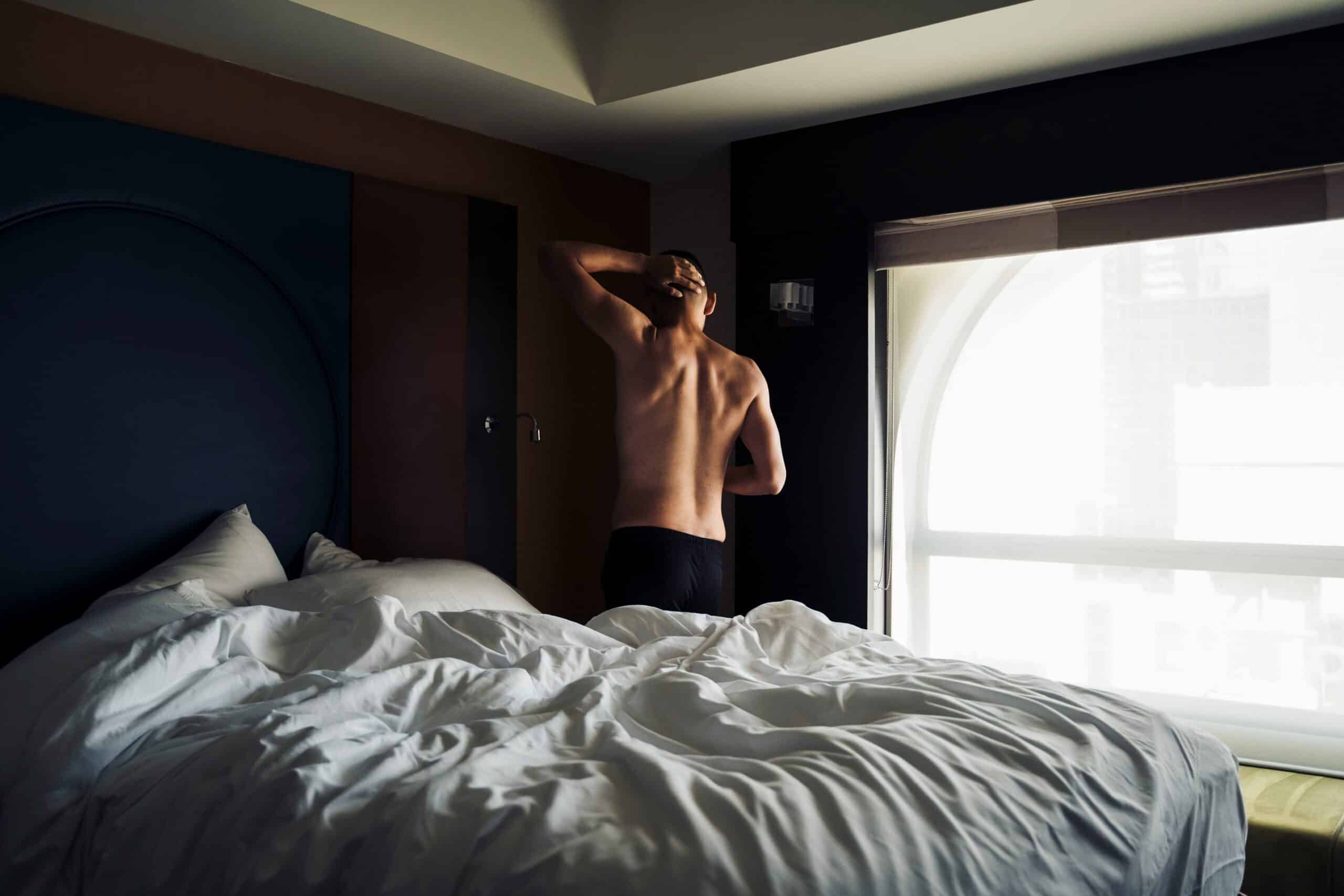
Morning attacks are common, and the reasons cluster around things that happen while you sleep: neck position, grinding, dehydration, and light hitting your eyes as you wake. None of those are visible to you at the time, which is why they go unaddressed for years.
| Overnight factor | What may help |
|---|---|
| Neck position | Pillow matched to sleep position |
| Jaw clenching | Ask a dentist about a night guard |
| Dehydration | Water at the bedside, humidity control |
| Morning light | Blackout coverage, sleep mask |
| Abrupt waking | Sunrise alarm rather than sound |
| Poor sleep quality | Consistent schedule, cool dark room |
Medical Disclaimer
This article discusses bedroom equipment rather than medical treatment. It does not diagnose or treat anything. Talk to your doctor about attacks that wake you or occur on waking, since patterns matter to diagnosis. Seek immediate medical care for a sudden severe headache unlike your usual pattern, or one with fever, confusion, weakness, vision loss, or a stiff neck.
Key Points
- Sleep and migraine influence each other in both directions
- Pillow loft depends on sleep position rather than preference
- Jaw clenching is a dental question, not a product one
- Waking to light gradually suits some people better than an alarm
- Consistent timing matters more than any single purchase
- Attacks that wake you from sleep deserve a medical conversation
How We Picked
We prioritized factors you can change without a prescription. Pillow, light, temperature, and hydration are all within reach of an evening’s setup.
Evidence quality shaped the ordering. The American Academy of Sleep Medicine and the American Migraine Foundation both describe a relationship between sleep disruption and headache, which puts sleep quality above individual gadgets.
We excluded anything claiming to prevent attacks. No consumer product does that, and the useful framing is removing contributing factors.
Where a symptom points at a clinical issue, we say so rather than selling around it.
Pillows Matched to Sleep Position
Why It Stands Out
Neck position held for seven hours affects the muscles that refer pain into the head. A pillow that leaves your neck bent all night is a plausible contributor to waking with pain.
Side sleepers need enough loft to fill the gap between shoulder and head. Back sleepers need less. Stomach sleeping puts the neck in rotation, which most clinicians advise against for anyone with neck pain.
Cervical designs support the natural curve rather than pushing the head forward, which suits people whose morning pain sits at the base of the skull.
Worth Knowing
Loft is determined by your shoulder width and position, not by comfort preference. A pillow that feels nice can still hold your neck wrong.
Contoured pillows suit people who hold one position and work against people who move through several.
Worth trying if morning pain starts in the neck. Not a substitute for assessment if pain is persistent, and options sit in neck pillows for migraine.
Blackout Curtains and Sleep Masks
Why It Stands Out
Light in the early morning ends sleep before your body finished, and for people with light sensitivity, waking into brightness is its own problem.
Full blackout lets you wake on your own schedule rather than the sun’s, which supports the consistent timing that sleep guidance emphasizes.
A mask covers what curtains miss and travels, which matters for anyone whose attacks worsen away from home.
Worth Knowing
Light enters at the edges rather than through fabric, so a rod extending past the frame does more than heavier material.
Complete darkness can make waking harder for some people, which is where a sunrise alarm fits.
Worth doing if morning light is part of your pattern. Skip inside-recess mounting, and options sit in blackout curtains for migraine.
Sunrise Alarm Clocks
Why It Stands Out
A gradual light increase over twenty or thirty minutes wakes you more gently than a sudden sound, which some people with morning attacks prefer.
It also removes the phone from the bedside, and phone screens are a light source people check during the night without thinking.
Warm-toned models start amber rather than blue-white, which suits anyone sensitive to bright light on waking.
Worth Knowing
Light alone does not wake deep sleepers reliably, and most models include a backup sound for that reason.
Brightness at full output varies widely, and some are far brighter than necessary.
Worth trying if a loud alarm makes mornings worse. Skip if you need a guaranteed wake for shift work, and options sit in sleeping with migraine.
Bedside Water and Hydration Setup
Why It Stands Out
Overnight is the longest stretch most people go without fluids, and dehydration appears frequently on trigger lists.
An insulated bottle at the bedside means drinking on waking without going anywhere, which people actually do when it requires no effort.
Drinking during a night waking also handles the dry mouth that mouth-breathing and dry air produce.
Worth Knowing
Drinking a lot late in the evening produces night wakings of its own, which works against sleep quality.
Water addresses one contributing factor rather than treating anything.
Worth doing given how little it costs. Skip large volumes right before bed, and hydration generally sits in preventing dehydration migraines.
Humidifiers for Dry Bedrooms
Why It Stands Out
Dry air produces sinus irritation and dry mouth overnight, both of which people with morning head pain often report.
Heating in winter drops indoor humidity considerably regardless of outdoor climate, which makes this seasonal for many households.
A hygrometer costs little and tells you whether your air is actually dry before you buy a machine.
Worth Knowing
Standing water grows bacteria and mold. Emptying and drying the tank daily is standard guidance rather than optional.
Too much humidity causes its own problems, and above roughly 50 percent encourages mold and dust mites.
Worth trying if your bedroom reads below 30 percent. Skip if you cannot commit to daily cleaning, and options sit in humidifiers for migraine relief.
Cooling Bedding
Why It Stands Out
Overheating fragments sleep, and fragmented sleep is associated with headache. A cooler sleeping surface supports the continuous sleep that matters more than any single product here.
Breathable percale or linen sheets move moisture away better than sateen or synthetic blends.
Cooling pillowcases specifically address head heat, which people with light and pressure sensitivity often notice most.
Worth Knowing
Room temperature sets the limit. Cooling bedding in a hot room underperforms, and cooling the room does more.
Cooling effects fade over months as gels and treatments degrade.
Worth doing if you wake hot. Skip expensive options before addressing room temperature, and cooling generally sits in pillows for migraine sufferers.
What to Look For
Match the pillow to your position
Loft follows shoulder width and how you sleep rather than what feels pleasant in a shop. Side sleeping needs the most, back sleeping less.
Fix the room before the bedding
Temperature, darkness, and humidity all set limits that bedding works within. Cooling sheets in a hot room disappoint.
Measure before buying a humidifier
Dry-air and damp-air symptoms overlap. A hygrometer costs less than the machine and tells you which direction you need.
Keep timing consistent
Sleep guidance consistently emphasizes regular sleep and wake times. That costs nothing and generally outperforms individual purchases.
Timing Tells You Which Factor
Where the pain sits and when it starts narrows the list considerably, and that information is also what your doctor works from.
Pain at the base of the skull that eases as you move around points toward neck position. Pillow height is the first thing to change.
Jaw soreness or tooth sensitivity alongside head pain points toward clenching. That combination is a dental appointment rather than a purchase.
Waking with a dry mouth and a headache points toward dehydration, dry air, or mouth breathing. A hygrometer and a bottle at the bedside test two of those cheaply. Bedrooms that hold moisture raise a separate question, which our article on household mold and migraine addresses.
Pain that wakes you from sleep rather than being present on waking is a different pattern. Attacks that pull you out of sleep are worth raising with your doctor specifically, since that detail matters clinically.
Writing down which of these applies over a few weeks turns guesswork into something usable, covered in migraine journals.
Environmental Factors Against Clinical Ones
What a bedroom setup can address
Neck position, light exposure, room temperature, humidity, and hydration. These are contributing factors you can change tonight.
What needs a professional
Jaw clenching needs a dentist, since a fitted night guard differs from a shop-bought one. Snoring, gasping, or daytime sleepiness need a doctor, since sleep apnea is associated with morning headache and requires diagnosis, and sleep patterns sit in whether lack of sleep causes migraines.
Common Misconceptions
That a special pillow prevents attacks
A pillow can remove a contributing factor. No pillow prevents migraine, and products marketed that way are overstating what they do.
That morning attacks are just bad luck
The pattern is information. Attacks clustering on waking point toward overnight factors, and that is worth telling your doctor.
That any night guard will do
Shop-bought guards fit poorly and can alter your bite over time. Clenching is a dental question, and a dentist fits a guard properly.
That more darkness is always better
Complete blackout helps sleep and can make waking harder. A sunrise alarm covers that gap for people who struggle to get up in a fully dark room.
Worth reading next: whether lack of sleep causes migraines covers the underlying relationship, neck pillows covers position support, and common triggers covers the wider picture. For light specifically, blackout curtains and tracking patterns are the relevant guides, and choosing a migraine pillow.
Frequently Asked Questions
Why do I wake up with a migraine?
Common contributors include neck position, jaw clenching, dehydration, sleep disruption, and light on waking. The pattern is worth telling your doctor, since it points toward specific causes.
Can a pillow help morning headaches?
A pillow matched to your sleep position removes neck strain held for hours, which is one contributing factor. No pillow prevents migraine.
Does grinding my teeth cause morning headaches?
Jaw clenching is associated with morning head and jaw pain. That is a dental question, and a dentist can fit a guard properly rather than a shop-bought version.
Should the bedroom be completely dark?
Darkness supports sleep quality, and complete blackout makes waking harder for some people. A sunrise alarm covers that combination.
Does dehydration cause morning attacks?
It appears frequently on trigger lists, and overnight is the longest stretch without fluids. Water at the bedside costs little and addresses one factor among several.
What humidity should my bedroom be?
Roughly 30 to 50 percent. Below that air irritates sinuses, above it encourages mold and dust mites, and a hygrometer tells you which direction you need.
When should I see a doctor about morning migraines?
If attacks regularly wake you or occur on waking, if your pattern changes, or if you snore, gasp, or feel sleepy during the day. Sleep apnea is associated with morning headache and needs diagnosis.
Sources
- American Migraine Foundation. Sleep Disorders and Headache. https://americanmigrainefoundation.org/
- American Academy of Sleep Medicine. Healthy Sleep Habits. https://sleepeducation.org/healthy-sleep/healthy-sleep-habits/
- Mayo Clinic. Migraine: Symptoms and Causes. https://www.mayoclinic.org/diseases-conditions/migraine-headache
