
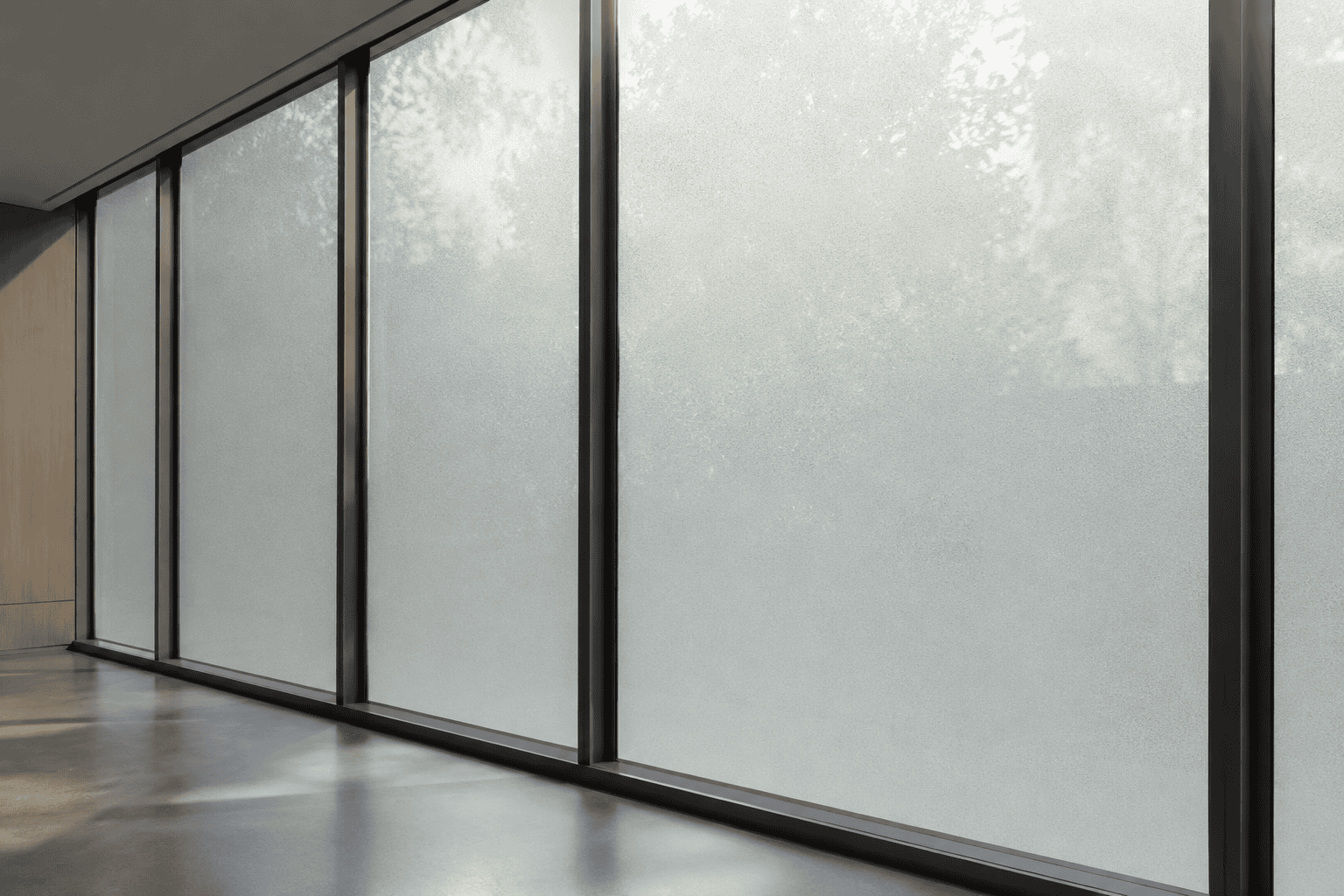
Bright sunlight pouring through windows can be tough for people sensitive to light, and not everyone can hang heavy curtains or repaint a rental. The best light-filtering window film for migraine cuts glare and softens incoming light while staying renter-friendly, complementing options like our blackout curtains for migraine relief. Window film is an environmental comfort tool, not a treatment, so use it to make a space gentler alongside a plan you build with your doctor.
Quick Verdict
For most rooms, a static-cling tinted or frosted film is the easiest renter-friendly way to soften harsh light without adhesive. If you want stronger glare reduction for a bright, sunny room, a darker non-adhesive tint film cuts more light while still being removable.
Key Takeaways
- Light-filtering window film is a comfort and environment choice, not a migraine treatment.
- Film softens glare and reduces incoming brightness for people sensitive to light.
- Static-cling films are renter-friendly and removable; adhesive films are more permanent.
- Frosted films diffuse light and add privacy; tinted films mainly cut brightness.
- Talk to your doctor about migraine; film is one supportive change to your space.
How We Picked the Best Light-Filtering Window Film
We focused on glare and brightness reduction, easy renter-friendly installation, removability, and whether a film adds privacy. We framed film as an environmental comfort choice rather than a treatment, consistent with individualized, physician-guided migraine care1.
We included static-cling, frosted, and tinted options so different rooms and rental rules are covered. Because light sensitivity is individual, we avoided efficacy claims and focused on practical features2.
Static-Cling Tinted Window Film
Why It Stands Out
Static-cling tinted film applies with water and no adhesive, so it is easy to put up and remove, ideal for renters. It softens incoming light and reduces glare without permanent changes.
Worth Knowing
Cling films can need re-smoothing over time and apply best on clean glass. Tint level varies, so match it to how much light you want to cut.
It suits renters and anyone wanting a removable solution. Skip it if you want a permanent, set-and-forget film.
Frosted Privacy Window Film
Why It Stands Out
Frosted film diffuses light into a soft glow while adding privacy, which suits bathrooms, bedrooms, and street-facing rooms. The diffusion takes the harsh edge off direct light.
Worth Knowing
Frosted film obscures the view, so it is for privacy and softening rather than keeping a clear window. It reduces glare but still lets diffuse light through.
It fits rooms where privacy and gentle light both matter. Pass if you want to keep a clear outdoor view.
Darker Non-Adhesive Tint Film
Why It Stands Out
A darker non-adhesive tint film cuts more light for very bright, sunny rooms while still peeling off cleanly. It is the stronger glare-reduction option that stays renter-friendly.
Worth Knowing
More tint means a dimmer room and a darker view outside. Confirm it is non-adhesive if you need it removable.
It suits sun-drenched rooms needing serious glare control. Skip it if you want to keep the room bright.
UV-Reducing Clear Window Film
Why It Stands Out
A clearer UV-reducing film cuts ultraviolet light and some glare while keeping the room brighter and the view intact. It is a lighter-touch option for people who want comfort without dimming a room.
Worth Knowing
Because it stays clearer, it reduces glare less than a heavy tint. It prioritizes keeping the view and light while trimming UV and harshness.
It fits people who want a subtle reduction and a clear window. Pass if you need strong brightness control.
Removable Blackout Window Film
Why It Stands Out
Removable blackout film blocks the most light for a dark room, useful for a bedroom or a daytime rest space. It pairs the darkness of blackout curtains with a renter-friendly, curtain-free approach.
Worth Knowing
It makes the room dark and blocks the view, so it is for spaces where you want darkness on demand. Application takes care to avoid bubbles.
It suits bedrooms and rest spaces needing full darkness. Skip it if you want to keep some natural light.
Tinted Film With Glare-Reduction Coating
Why It Stands Out
Some tinted films add a glare-reducing coating aimed specifically at cutting harsh reflections and bright spots. The focus on glare suits people bothered by sharp, direct light.
Worth Knowing
Performance varies by product, so check current reviews for real-world glare reduction. As with all tints, more reduction means a dimmer room.
It fits people whose main issue is glare rather than overall brightness. Pass if you need privacy or full blackout.
Window Film Comparison at a Glance
| Pick | Type | Best for | Trade-off |
|---|---|---|---|
| Static-cling tint | Removable tint | Renters, easy install | May need re-smoothing |
| Frosted privacy | Diffusing | Privacy plus soft light | Obscures the view |
| Dark non-adhesive tint | Heavy tint | Very bright rooms | Dims the room |
| UV-reducing clear | Clear | Keeping light and view | Less glare reduction |
| Removable blackout | Blackout | Dark rest spaces | Blocks light and view |
| Glare-reduction tint | Coated tint | Cutting harsh glare | Varies by product |
How to Choose Light-Filtering Window Film
Decide Removable or Permanent
Static-cling and other non-adhesive films peel off cleanly, which renters need, while adhesive films are more permanent. Confirm removability before applying in a rental.
Match the Film to the Problem
Choose a heavier tint for overall brightness, frosted film for privacy and diffusion, or a coated tint specifically for glare. Knowing whether brightness, glare, or privacy bothers you most points to the right film.
Balance Darkness Against the View
More light reduction means a dimmer room and a darker or obscured view. Decide how much natural light and view you want to keep before picking a tint level.
Combine With Other Light Controls
Film works well alongside curtains, warm bulbs, and screen adjustments for a gentler space. For full darkness on demand, pair film with blackout curtains in rest areas.
Window Film vs Blackout Curtains
Film: Renter-Friendly and Always On
Window film softens or blocks light at the glass and stays in place without hardware, which suits renters and small windows. It is less flexible than curtains, since you cannot simply pull it open when you want light. For curtains over the same window, the coverage calculator sizes the rod and panels around the frame.
Curtains: Flexible Light Control
Blackout curtains let you choose darkness or light by opening and closing them, and they add insulation and a finished look. They need hardware and wall space, which film avoids, so many people use both depending on the room.
Recommended Reading
- Best flicker-free bulbs for migraine
- Best night lights for migraine-friendly bedrooms
- Best anti-glare screen filters for migraine
- controlling indoor brightness
- managing light in the car
- choosing migraine glasses
Common Window Film Mistakes to Avoid
Good results come down to product choice and application.
Buying Adhesive Film in a Rental
Permanent adhesive film can damage the deposit-sensitive surfaces renters care about. Choose static-cling or clearly removable film if you may need to take it down.
Applying to Dirty or Wet-Sealed Glass
Dust and debris cause bubbles and poor adhesion. Clean the glass thoroughly and follow the application steps for a smooth result.
Over-Tinting a Room You Use All Day
A very dark film can make a daytime room gloomy. Match the tint level to how you use the space so it stays comfortable, not cave-like.
Expecting Film to Treat Migraine
Softer light may make a room easier to be in, but film is not a treatment. Keep your medical plan central and use film as a supportive environmental change.
Frequently Asked Questions
What is the best light-filtering window film for migraine?
For most rooms, a static-cling tinted or frosted film is the easiest renter-friendly way to soften harsh light without adhesive. For a very bright room, a darker non-adhesive tint cuts more glare while staying removable. None of these treat migraine.
Does window film help with light sensitivity?
It can make a bright space more comfortable by reducing glare and incoming light, which some light-sensitive people appreciate. It is an environmental comfort choice rather than a treatment, so pair it with a migraine plan from your doctor.
Is window film renter-friendly?
Static-cling and other non-adhesive films apply with water and peel off cleanly, making them well suited to rentals. Avoid permanent adhesive films if you may need to remove the film later, and check your lease for any restrictions.
Will window film make my room too dark?
It depends on the tint level. Heavy tints and blackout films dim a room significantly, while lighter or UV-reducing films keep more brightness and view. Match the darkness to how you use the room so it stays comfortable.
Film or blackout curtains, which is better?
Film stays in place and suits renters and small windows, while curtains let you choose light or darkness by opening them. Many people use film for always-on softening and curtains where they want flexible control, especially in bedrooms.
How do I apply window film without bubbles?
Clean the glass thoroughly, apply with the recommended water or method, and smooth from the center outward to push out air. Working patiently on clean glass is the key to a smooth, bubble-free result.
When should I see a doctor about my migraines?
See a doctor if your headaches are new, severe, frequent, or changing, or come with symptoms like vision changes, weakness, or confusion. A clinician can diagnose and build a plan, which environmental changes cannot.
This article is for general information only and is not medical advice. It does not diagnose, treat, or replace care from a qualified healthcare professional. Talk to your doctor about diagnosis and management of migraine or any persistent or severe headache.
More Light Sensitivity Guides
Sources
- American Headache Society. https://americanheadachesociety.org/ (Patient and professional resources on migraine and headache.)
- International Classification of Headache Disorders (ICHD-3). https://ichd-3.org/ (Reference classification for migraine and headache disorders.)
