
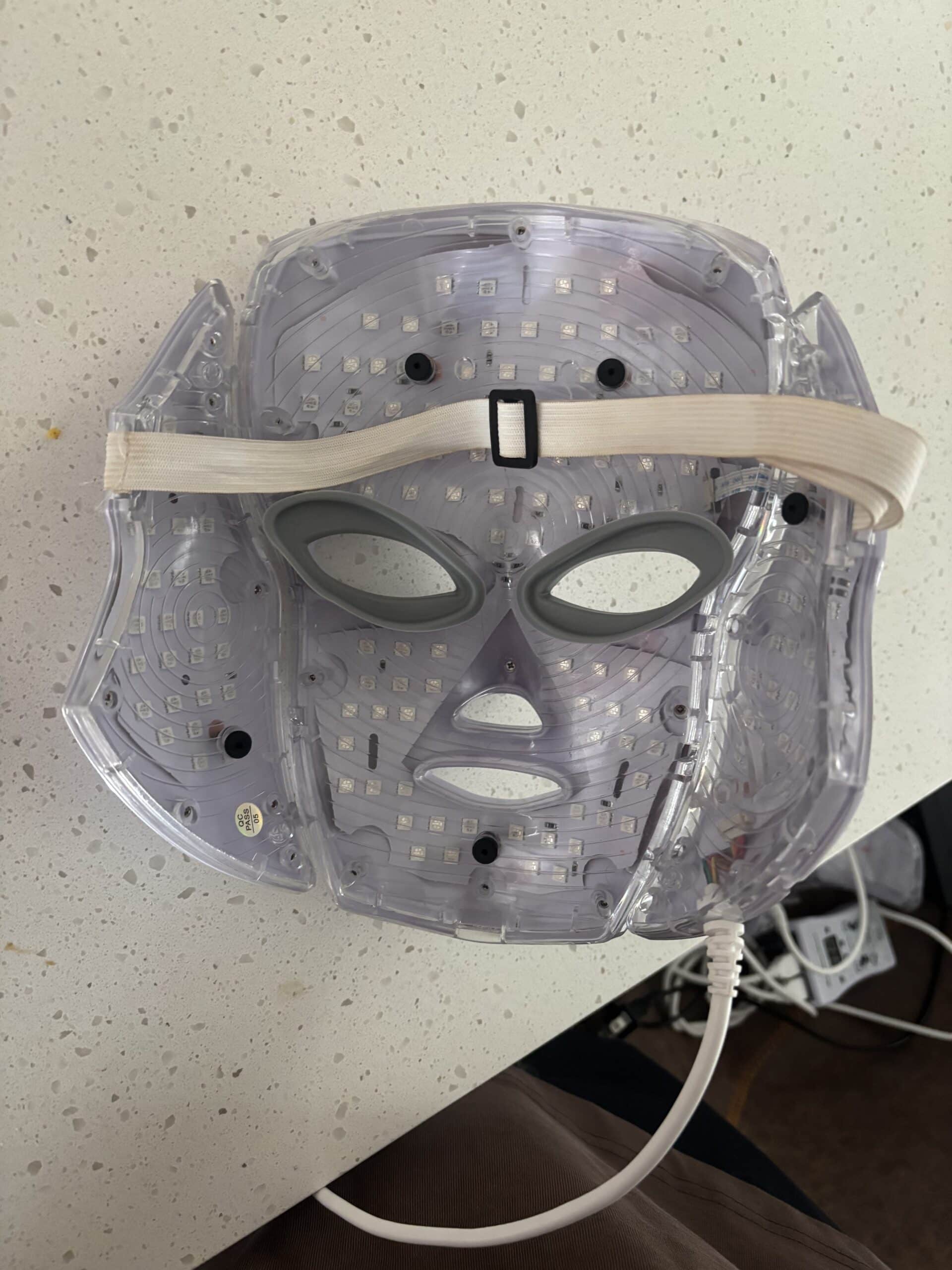
For migraine specifically, green light therapy has the stronger research, with clinical studies suggesting it can reduce headache days and aggravates migraine far less than other colors, while red light therapy for migraine is more limited and emerging; both are low-risk and neither is an established standalone treatment. In the red light vs green light therapy for migraines question, green currently leads on evidence. Here is the honest comparison, with device options in our guides to green light therapy lamps and red light therapy devices.
Medical Disclaimer
This article is for general information and is not medical advice. Neither red nor green light therapy is an established standalone treatment for migraine. Talk with a qualified healthcare provider before trying either, especially with frequent or severe attacks.
Quick Verdict
If choosing by migraine evidence, green light leads: a University of Arizona clinical trial and studies in Brain support green light for reducing migraine burden and light sensitivity. Red light therapy for migraine is more theoretical and under-studied, though popular for skin. Both are low-risk complements, not treatments. For migraine specifically, green has the better research; red is more of an emerging, general-wellness option.
Key Takeaways
- Green light has stronger migraine-specific clinical research.
- Red light therapy for migraine is limited and emerging.
- Green light aggravates migraine far less than other colors.
- Both are low-risk and neither replaces medical care.
- Red light is more established for skin than for migraine.
How We Compared
We weighed these on what matters for migraine: the strength of the clinical evidence, the proposed mechanism, how the light interacts with migraine’s hallmark light sensitivity, safety, and practical use. The key point is that these are different wavelengths studied to very different degrees for migraine. Green sits in the middle of the visible spectrum and has been studied directly in migraine patients, while red and near-infrared light have been studied more for skin and general tissue effects, with migraine applications still early. Each section notes which has the stronger footing so you can judge based on evidence rather than marketing.
Red vs Green at a Glance
| Factor | Green light | Red light |
|---|---|---|
| Migraine-specific evidence | Stronger, still developing | Limited, emerging |
| Key research | UArizona trial, Brain studies | Small transcranial studies |
| Effect on light sensitivity | Aggravates migraine least | Can aggravate like other colors |
| Common use | Migraine and pain research | Skin, general wellness |
| Risk level | Low | Low |
| Standalone treatment? | No | No |
The Case for Green Light
Green light has the more compelling migraine story. A University of Arizona Health Sciences clinical trial found that daily green light exposure reduced the number of headache days for many participants, with a majority reporting meaningful reductions, and research published in the journal Brain showed that green light aggravates migraine less than white, blue, or red light, sometimes even easing headache intensity at low brightness. Reviews of green light therapy for chronic migraine describe it as promising, safe, and low in side effects, while emphasizing that studies remain small. This is why, for migraine specifically, green light is the wavelength with the strongest current support, and why interest in it has grown.
The Case for Red Light
Red light therapy is far more established for skin than for migraine, and that context matters. Its proposed migraine mechanism, photobiomodulation supporting cellular energy and reducing inflammation, is plausible, and some small studies on transcranial red or near-infrared light for headache are encouraging. But researchers describe this as experimental and preliminary, and the evidence does not support red light as a migraine treatment. Its appeal is that it is widely available, low-risk, and pleasant to use, which is why some migraine sufferers try it as a general-wellness complement, as covered in our guide on whether red light therapy masks help migraines. Just hold realistic expectations.
Which Handles Light Sensitivity Better?
This is a meaningful distinction for migraine sufferers. Migraine involves photophobia, and research in Brain found that green light is the color least likely to aggravate a migraine, while red, like white and blue, was among the colors that commonly worsened symptoms in study participants. That makes green uniquely suited to a light-sensitive condition, since it can be used during an attack with less risk of making things worse. Red light, being a color that can aggravate migraine in some people, calls for more caution during an active attack. For the light-sensitivity dimension specifically, green has a clear conceptual advantage.
Which Should You Choose?
If your decision is driven by migraine evidence, green light is the better-supported choice, and a green light lamp or strip used as directed is where the research points. If you are drawn to red light, it is reasonable as a low-risk, general-wellness complement you happen to enjoy, but not as a migraine treatment. Many people are simply curious and low-risk-tolerant, in which case either can be an optional add-on to proper care. Whichever you consider, keep it complementary, protect your eyes, and talk with your doctor, since neither replaces evidence-based migraine management.
The Verdict
For migraine specifically, green light therapy wins on evidence: it has direct clinical research, aggravates migraine least, and is the wavelength researchers describe as most promising, though studies remain small. Red light therapy is more limited for migraine, better established for skin, and best viewed as an emerging, low-risk complement rather than a treatment. Neither replaces medical care. If choosing by the research, start with green; if you simply enjoy red light, treat it as a pleasant extra. Either way, pair it with evidence-based care and your doctor’s guidance.
Recommended Reading
- do red light therapy masks help migraines, on red light evidence.
- is red light therapy safe for migraines, on safety.
- green light therapy lamps for migraine, for green options.
- migraine glasses for light sensitivity, a related tool.
- choosing migraine glasses
Where Each Fits in a Migraine Toolkit
Rather than picking a single winner, it helps to see where each color fits. Green light, with the stronger migraine research, is the one to consider first if you want an evidence-aligned light tool, and it pairs naturally with other light-sensitivity aids like migraine glasses, photophobia glasses, and softer home lighting such as flicker-free bulbs and night lights. Red light is better viewed as a general-wellness extra you might enjoy. How often you use either is a personal choice, covered in our guide on how often to use red light therapy, and safety applies to both, in our safety guide. Used thoughtfully, both can sit in a broader, evidence-led migraine toolkit.
Red Light vs Green Light for Migraines FAQ
Is green or red light better for migraines?
By current evidence, green light is better supported for migraine, with clinical research showing reduced headache days and less aggravation of symptoms. Red light therapy for migraine is more limited and emerging. Neither is an established standalone treatment, but green has the stronger migraine-specific research.
Why is green light better for migraine than red?
Research in the journal Brain found green light aggravates migraine less than other colors, including red, and a University of Arizona trial linked daily green light to fewer headache days. Red light has not been studied as directly for migraine, so green currently has stronger evidence.
Can red light make a migraine worse?
Possibly. Studies found red, like white and blue light, was among the colors that commonly aggravated migraine symptoms, while green aggravated them least. Because of this, some caution is warranted using red light during an active attack, especially given migraine’s light sensitivity.
Are green and red light therapy safe?
Both are generally considered low-risk when used as directed, with green light therapy noted in reviews for minimal side effects. Eye safety matters for any light device, so follow instructions and protect your eyes. Consult your doctor before trying either, especially with eye conditions or frequent migraines.
Is either a cure for migraines?
No. Neither green nor red light therapy is a cure or an established standalone treatment for migraine. Both are, at most, low-risk complements to evidence-based medical care. Green has more promising research, but studies remain small, and proper migraine treatment should come from your healthcare provider.
Which should I try first?
If choosing by evidence for migraine, green light is the more research-backed starting point. If you already enjoy red light for skin, using it as a general complement is reasonable too. Either way, treat it as optional, protect your eyes, and discuss it with your doctor first.
Can I use both red and green light for migraines?
There is no rule against using both, since both are low-risk. Green has stronger migraine evidence, so it is the more research-aligned choice, while red is a general-wellness extra. If you try both, keep expectations realistic, protect your eyes, and treat them as complements to medical care.
Is green light therapy widely available?
Yes, green light lamps and strips designed for migraine are increasingly available, reflecting growing interest after promising research. As with any emerging tool, quality varies, and the evidence, while encouraging, comes from small studies. Consider it a promising complement and discuss it with your doctor.
When should I see a doctor about choosing a light therapy?
See a doctor before committing to either option if you have an eye condition, take photosensitizing medication, or have had recent eye surgery. A clinician can also tell you whether light therapy fits alongside your current treatment. Get evaluated rather than experimenting further if attacks are becoming more frequent or more severe.
Sources
- University of Arizona Health Sciences, clinical trial on green light therapy for migraine.
- American Migraine Foundation, migraine treatment and complementary therapy guidance.
