
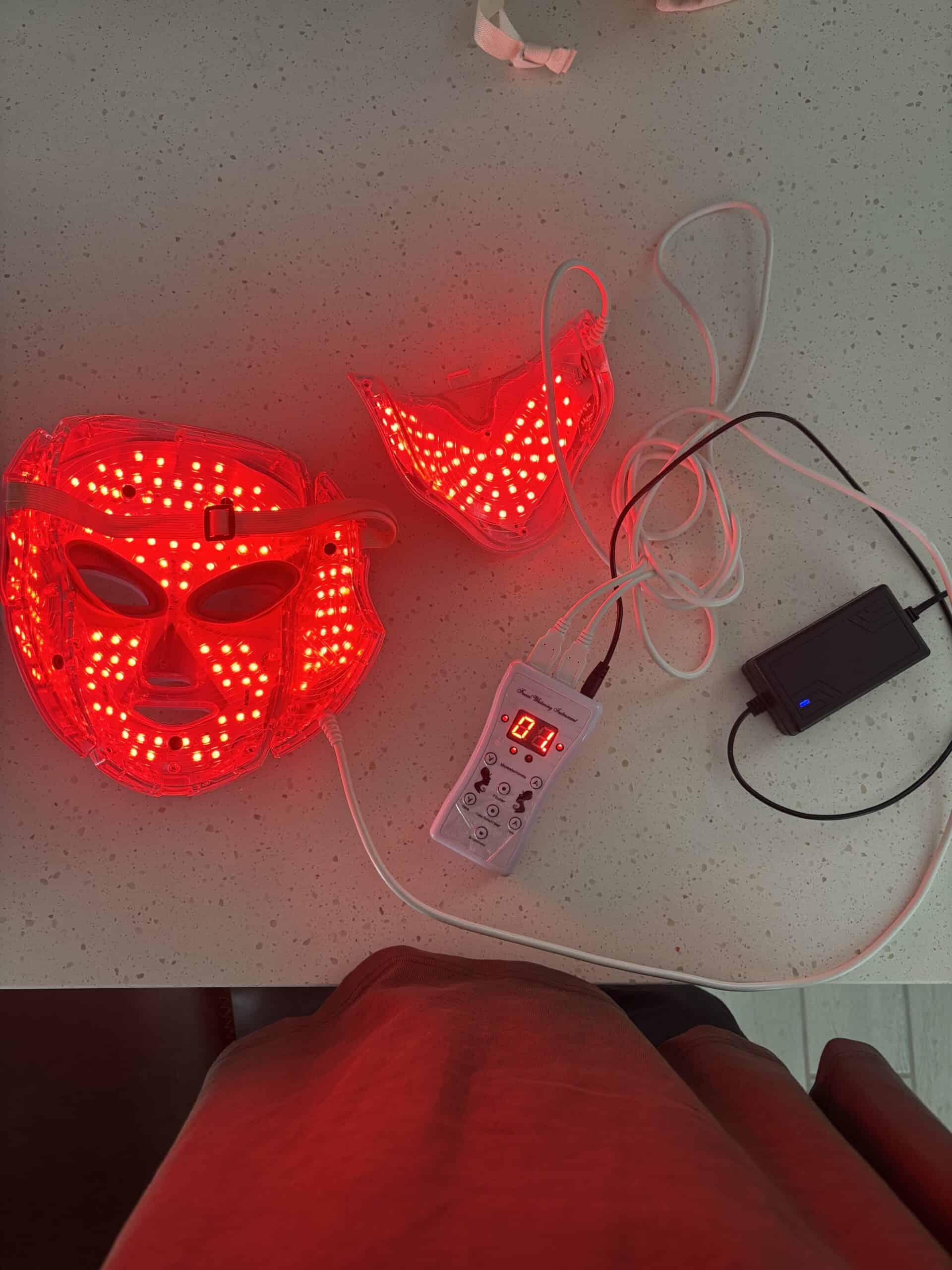
Red light therapy is generally considered low-risk for most people when used as directed, with the main precautions being eye safety, since a mask sits over the face, and caution for anyone on photosensitizing medications or with eye conditions; it is not, however, an established migraine treatment. Asking whether red light therapy is safe for migraines is sensible, especially given migraine’s link to light sensitivity. Here is what to know, with device options in our guide to red light therapy devices for migraine.
Medical Disclaimer
This article is for general information and is not medical advice. Red light therapy is not an established migraine treatment. Talk with a qualified healthcare provider before trying it, especially if you have eye conditions, take photosensitizing medications, or have frequent or severe attacks.
Quick Answer
For most people, red light therapy is low-risk when used as directed. The main cautions are eye safety, protecting your eyes as the manufacturer instructs, and checking with your doctor if you take photosensitizing medications or have eye conditions. Because migraine involves light sensitivity, start gently and stop if it worsens symptoms. It is low-risk, but not an established migraine treatment, so keep expectations realistic.
Key Takeaways
- Generally low-risk for most people when used as directed.
- Eye safety is the main precaution with face masks.
- Check with your doctor about photosensitizing medications.
- Start gently, since migraine involves light sensitivity.
- Low-risk does not mean established; it is not a treatment.
Is It Generally Safe?
For most healthy adults, red light therapy is considered low-risk, and it is one reason people are drawn to it as a non-invasive, drug-free option. Home devices use low-level light and have a favorable general safety profile when used according to instructions. That said, low-risk is not the same as risk-free or established. The safety picture is most relevant around the eyes, around certain medications and conditions, and around migraine’s particular sensitivity to light. Understanding those specifics lets you decide sensibly, rather than assuming either that it is completely without caution or that it is dangerous, since neither extreme is accurate.
Eye Safety Comes First
The most important precaution with a red light face mask is protecting your eyes, because the device sits directly over them. Follow the manufacturer’s eye-safety guidance closely, which usually means keeping your eyes closed during use or using any provided eye protection, and never staring into bright light sources. Prolonged direct exposure of the eyes to bright light is the main thing to avoid. This matters even more for migraine sufferers, given the strong link between migraine and light sensitivity. When in doubt, keep your eyes closed and shielded throughout the session, and prioritize this over any assumed benefit.
Migraine and Light Sensitivity
Migraine deserves special mention because light sensitivity, or photophobia, is a hallmark of attacks. Bright light can worsen a migraine, and research has found that red light, like white and blue, is among the colors that can aggravate migraine symptoms, whereas green light aggravates them least. This does not make red light unsafe, but it does mean migraine sufferers should be cautious, especially during an active attack, and start with gentle, brief exposure to see how they respond. If red light worsens your symptoms, stop. Our comparison of red light versus green light covers this difference in detail.
Medications and Health Conditions
A few personal factors call for a conversation with your doctor first. Some medications and conditions increase photosensitivity, meaning your skin or eyes react more strongly to light, and certain eye conditions warrant caution with any light device. If you take medications known to cause photosensitivity, have an eye condition, are pregnant, or have another health concern, check with your healthcare provider before trying red light therapy. This simple step ensures the low general risk actually applies to your situation, since safety depends on individual circumstances that a personalized medical opinion is best placed to assess.
Using It Safely
Putting it together, safe use is straightforward. Follow the device instructions for time and distance, protect your eyes as directed, start with short sessions to gauge your response, and use it in a calm setting. Do not overuse it on the assumption that more is better, since that is neither safe practice nor evidence-based. Keep it as an occasional complement to your established migraine care, and stop if it causes discomfort or worsens symptoms. Personally, I use my full-face mask only occasionally and keep my eyes closed throughout, which reflects this cautious, low-key approach to a low-risk but unproven tool.
When to Talk to a Doctor
Beyond checking before you start, see your doctor if your migraines are frequent, severe, changing, or poorly controlled, since those need proper medical evaluation regardless of any device you use. Also seek advice if you experience new or worsening symptoms, or if you have eye concerns. Red light therapy should never delay appropriate medical care. Treating it as a minor, optional extra, while your actual migraine management comes from evidence-based treatment and your healthcare provider, is both the safest and the most effective way to approach it.
Recommended Reading
- how to use red light therapy for migraines, for safe practice.
- do red light therapy masks help migraines, for the evidence.
- red light versus green light therapy, on light sensitivity.
- red light therapy devices for migraine, for options.
- choosing migraine glasses
Comparing Safety With Other Light Tools
In safety terms, red light therapy sits alongside other low-risk light tools migraine sufferers use. Green light therapy, covered in our comparison, is similarly low-risk and noted for minimal side effects, and passive aids like green light lamps and migraine glasses carry little risk beyond choosing the right product. What sets red light masks apart is simply that they sit over the eyes, making eye-safety guidance the key precaution. None of these tools are risk-free in the sense of being right for everyone, which is why checking with your doctor about your specific situation matters more than any general reassurance. Used sensibly, though, this whole category is considered low-risk.
Is Red Light Therapy Safe for Migraines FAQ
Is red light therapy safe for the eyes?
Used as directed, with eyes closed or protected as the manufacturer advises, red light therapy is generally considered low-risk for the eyes. The main thing to avoid is prolonged direct exposure of the eyes to bright light. Follow eye-safety instructions carefully, especially with a face mask.
Can red light therapy trigger a migraine?
It is possible. Research found red light, like white and blue, can aggravate migraine symptoms in some people, while green aggravates them least. Start gently and stop if it worsens your migraine. Because of light sensitivity, migraine sufferers should be cautious, particularly during an active attack.
Who should avoid red light therapy?
Anyone taking photosensitizing medications, with certain eye conditions, who is pregnant, or with other health concerns should check with a doctor first. It is not that these groups cannot use it, but that individual medical guidance is important. When in doubt, ask your healthcare provider before starting.
Is red light therapy FDA approved for migraine?
Red light therapy is not an established, approved treatment for migraine. Some devices are cleared for other uses like skin, but migraine relief is not an established or approved indication. Treat any red light device as a low-risk complement, not an approved migraine treatment.
How do I use a red light mask safely with migraines?
Follow the device instructions, keep your eyes closed or protected, start with short sessions, and use it in a calm setting. Stop if it worsens symptoms. Keep it occasional and complementary to your medical care, and consult your doctor first if you have any relevant conditions or medications.
Should I see a doctor before trying red light therapy?
It is a good idea, especially if you have eye conditions, take photosensitizing medications, are pregnant, or have frequent or severe migraines. A brief conversation ensures the general low risk applies to your situation and keeps red light therapy as a safe, optional complement to proper migraine care.
Is red light therapy safe to use during a migraine attack?
It can be, but caution is warranted, since red light may aggravate migraine in some people during an attack, given light sensitivity. Start very gently, keep it dim and brief, and stop if it worsens symptoms. Some people find it soothing mid-attack, but responses vary.
Are home red light devices as safe as professional ones?
Home devices use lower-level light and are generally low-risk when used as directed, which suits at-home use. Professional devices are higher-powered and used under supervision. For home use, following the instructions and protecting your eyes are what matter most for safety.
Sources
- American Migraine Foundation, guidance on migraine and complementary therapies.
- University of Arizona Health Sciences, research on light color and migraine.
