
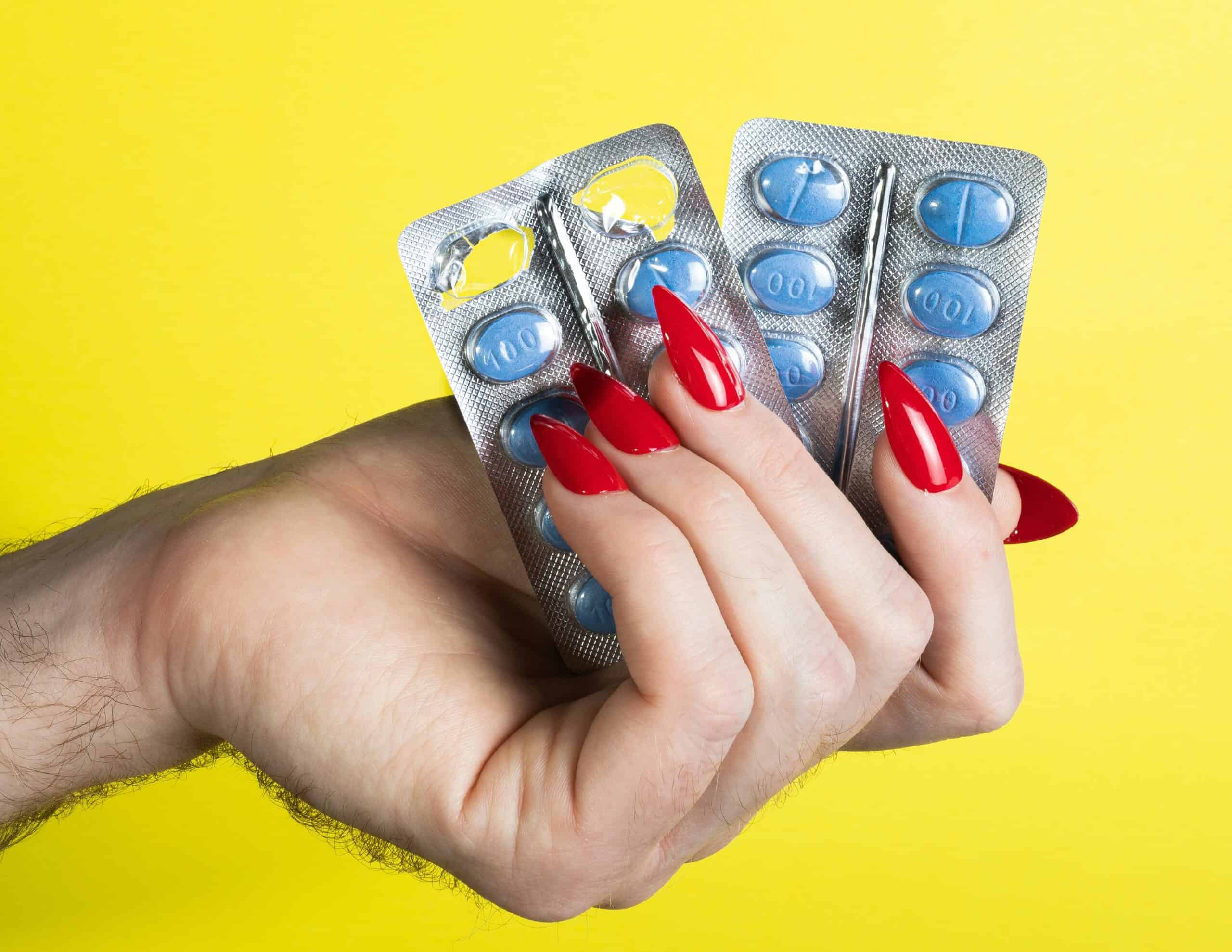
Taking medication reliably gets harder when a tablet is large, bitter, or prescribed at half a tablet, and pill splitters and swallowing aids exist for those specific problems. None of them is a migraine product. They are handling tools for medication somebody else has already decided you should take.
Our recommendation for most people is a V-holder splitter plus a swallowing cup, because those two cover the large-tablet problem from both directions. A crusher is worth having only if a pharmacist has confirmed your tablets can be crushed, since a great many cannot. Blister punches are the item to look at if opening the packet is the difficult part rather than swallowing what comes out.
The constraint running through all of it is that the tablet decides, not the tool. Extended-release, enteric-coated and film-coated tablets are generally not suitable for splitting or crushing, and getting that wrong changes how a drug is absorbed.
Medical Disclaimer
This article is for educational purposes only and does not replace medical evaluation or treatment by a qualified clinician. Nothing here is advice to split, crush, open or alter any medication, and nothing here is a dose recommendation. Whether a specific tablet can be split or crushed is a question for the pharmacist who dispensed it or the clinician who prescribed it. Difficulty swallowing that is new, worsening, or accompanied by choking, pain or weight loss needs medical assessment rather than a swallowing aid.
| Tool | Solves | Check First With | Priority |
|---|---|---|---|
| V-holder pill splitter | Half-tablet doses | Pharmacist, per tablet | First |
| Swallowing cup | Large tablets | Nobody | First |
| Swallowing gel | Dry or bitter tablets | Pharmacist, for interactions | Second |
| Pill crusher | Tablets that cannot be swallowed whole | Pharmacist, per tablet | Only if cleared |
| Empty capsules | Taste of crushed medication | Pharmacist, per tablet | Only if cleared |
| Blister punch | Getting the tablet out | Nobody | If hands are the issue |
How We Picked
We sorted by which problem each tool addresses, because splitting, swallowing and opening are three unrelated difficulties that get grouped together on shop shelves. Buying the wrong one of the three is the common error.
Then we weighted how cleanly a tool handles small tablets, since the small sizes are where cheap splitters crumble a tablet instead of halving it.
We have not used these with medication, so nothing here reports on results we observed. Suitability is tablet-specific and that information sits with a pharmacist rather than in a buying guide.
1. A V-Holder Pill Splitter, Best Overall
Why It Stands Out
A sprung V-shaped holder centers a tablet under the blade, which is what produces two halves rather than a half and two fragments. Where a prescription genuinely specifies half a tablet, that consistency is the entire point of owning one.
A covered chamber also catches the pieces and the dust instead of losing them on a counter.
Worth Knowing
Blades dull, and a dull blade crushes rather than cuts. Replace the unit when halves stop coming out clean.
Many tablets are not suitable for splitting at all, including extended-release and coated forms, and a score line is not a guarantee. Ask the pharmacist about the specific tablet before you split anything.
This suits anyone prescribed a half-tablet dose. Skip it for any tablet a pharmacist has not cleared. Best for: halves that are actually halves.
Check Price on Amazon2. A Pill Swallowing Cup, Best Simple Fix
Why It Stands Out
A shaped cup with a flexible spout delivers the tablet with the first mouthful of water and keeps it off the back of the tongue, which is where the gag reflex lives. It alters nothing about the medication itself, so there is no pharmacist question attached.
For anyone whose problem is large tablets rather than dose size, this is the first thing to try.
Worth Knowing
It takes a few attempts to get the technique, and the first try often fails. That is not a fault in the cup.
Drinking enough water with medication matters generally, and water bottles for migraine hydration cover keeping that habit going.
This suits large tablets and a sensitive gag reflex. Skip nothing here. Best for: swallowing without altering anything.
Check Price on Amazon3. A Swallowing Gel, Best for Dry or Bitter Tablets
Why It Stands Out
A spoonful of lubricating gel coats the tablet so it slides rather than catching, and it masks the taste of anything bitter. It is the option that works when a cup of water alone does not.
Useful too on days when nausea makes drinking a full glass unappealing.
Worth Knowing
Taking medication with a gel rather than water can affect how some drugs are absorbed, so this is worth raising with a pharmacist rather than assuming. The same applies to taking tablets with food or dairy.
Nausea has its own tools, and anti-nausea products cover those.
This suits dry throats, bitter tablets and nauseated days. Skip it without checking for interactions. Best for: tablets that stick or taste bad.
Check Price on Amazon4. A Pill Crusher, Best Only Once Cleared
Why It Stands Out
A screw-down or twist crusher reduces a tablet to powder cleanly inside a closed cup, which is the only tidy way to do it. For a tablet a pharmacist has confirmed may be crushed, it solves a swallowing problem outright.
Models with a storage compartment keep the powder contained until you use it.
Worth Knowing
This is the tool in this list with the most ways to go wrong. Crushing an extended-release tablet can release a whole dose at once, and crushing a coated tablet removes protection that was there for a reason.
Treat it as unusable until a pharmacist has confirmed the specific medication. Writing down what they said is worth doing, and document binders for medical paperwork are where that note belongs.
This suits cleared tablets and genuine swallowing difficulty. Skip it for anything uncleared. Best for: powder, when powder is permitted.
Check Price on Amazon5. Empty Capsules, Best for Taste
Why It Stands Out
Empty gelatin or vegetarian capsules let crushed powder be taken without tasting it, which is the main complaint about crushing anything. They are cheap and come in several sizes.
They are also the standard container for powdered supplements people already take.
Worth Knowing
Re-encapsulating a prescription medication changes its form, and whether that is acceptable depends entirely on the drug. This needs the same pharmacist conversation that crushing does.
Filling capsules by hand is also imprecise, which matters more for some medications than others.
This suits cleared powders and loose supplements. Skip it for anything you have not asked about. Best for: taking powder without the taste.
Check Price on Amazon6. A Blister Pack Punch, Best for Stiff Hands
Why It Stands Out
A punch or opener pushes a tablet out of foil backing without needing a strong pinch grip, which is the actual barrier for a lot of people. It solves a problem that has nothing to do with swallowing at all.
It also avoids the tablet skidding across the floor, which blister packs are good at producing.
Worth Knowing
These are sized for common blister formats and do not suit every pack. Child-resistant packaging in particular often defeats them.
If opening packaging is a daily struggle, a pharmacist can sometimes dispense differently, which reduces how often you need to open anything.
This suits reduced grip strength and painful hands. Skip it if opening packs is easy. Best for: getting the tablet out of the foil.
Check Price on AmazonWhat to Look For
A holder that grips small tablets
Small round tablets are where cheap splitters fail, because an unsprung holder lets them rotate under the blade. A V-shaped sprung holder is the feature that matters.
A closed chamber
Fragments and powder are part of the dose, and an open cutter scatters them. A lidded chamber keeps everything where you can take it.
Something you can clean
Residue from one medication left in a splitter ends up in the next, which is a real reason to rinse and dry between uses. Smooth plastic with few crevices is easier to keep clean.
A routine that does not depend on the tool
Handling aids help with mechanics, and the harder problem is usually remembering. Automatic pill dispensers and a stocked kit address that side.
Splitting Against Asking for a Different Dose
Splitting is sometimes the intended route
Some prescriptions are written as half a tablet deliberately, because that strength is not manufactured. In that case a good splitter is simply the right equipment.
Sometimes the dose should change instead
If you are splitting tablets to stretch a supply, to reduce a dose yourself, or because the tablets are unmanageable, the tool is solving the wrong problem. That is a conversation with the prescriber, and preparing for an appointment covers how to raise it.
What Trips People Up
Treating a score line as permission
A groove down a tablet does not always mean it is designed to be divided, and plenty of scored tablets still should not be. The pharmacist is the one who knows.
Crushing anything extended-release
Those formulations release a dose over hours by design, and breaking them defeats that. It is the single most consequential mistake in this category.
Splitting to make a prescription last
Running short is a supply or cost problem, and halving tablets to manage it changes your treatment without anyone knowing. Say so at the pharmacy instead.
Losing track of how often acute medication is used
European Academy of Neurology guidance on medication-overuse headache sets out overuse thresholds of ten days a month for triptans and ergots and fifteen for simple analgesics1. Handling tools make taking medication easier without tracking frequency, so a journal and the medication overuse guide are the counterweight.
Keeping the Kit Together
One place, checked twice a year
Splitters dull, gels expire and capsules absorb moisture, so the box needs looking at occasionally. Expiry dates on anything taken by mouth are worth a glance at the same time.
A travel version of the same kit
Splitting a tablet in a hotel room with no tool is how doses get skipped. Travel kits cover packing a duplicate.
Something that says what you take
If you carry altered or split medication, what it is becomes less obvious to anyone else. Medical ID bracelets cover that.
Know what is over the counter and what is not
The rules differ between prescription and non-prescription products, though the splitting and crushing cautions apply to both. Over-the-counter rescue options cover that ground, and the broader treatment picture sits in the American Headache Society consensus statement on integrating migraine treatments into practice2.
Recommended Reading
Worth reading next: pill organizers for migraine medication, since where the tablets live matters more day to day than how they are cut.
When to See a Neurologist
- Any headache you would describe as the worst of your life.
- A headache that comes on suddenly and peaks within moments.
- New headaches starting after age fifty.
- Needing acute medication on more days than not.
- Attacks becoming more frequent over weeks or months.
- Weakness, numbness or speech difficulty with an attack.
- Any loss of vision, whether or not a headache follows.
- New or worsening difficulty swallowing.
- Headache that changes character or wakes you from sleep.
- Headache with fever, a stiff neck or a rash.
- Headache after a head injury.
- Side effects you suspect are coming from a medication.
Pill Splitter and Swallowing Aid FAQ
What are the best pill splitters and swallowing aids
A V-holder splitter handles half-tablet doses cleanly, and a swallowing cup is the simplest fix for large tablets because it alters nothing. A crusher and empty capsules are only appropriate once a pharmacist has confirmed the specific medication can be crushed.
Can I split any tablet that has a score line
No. A score line does not reliably indicate that a tablet is intended to be divided, and the pharmacist who dispensed it is the person who can tell you.
Which tablets should never be crushed
Extended-release, enteric-coated and film-coated forms generally should not be, and there are other categories besides. Ask about each medication individually rather than applying a rule.
Is a swallowing cup better than a gel
A cup changes nothing about the medication, which makes it the safer first option. A gel is more effective for dry throats and bitter tablets, and is worth checking for interactions.
Can I put crushed medication in food
Sometimes, and sometimes food changes absorption. That is a question for a pharmacist about the specific drug rather than a general practice.
How often should I replace a splitter
When halves stop coming out clean, because a dull blade crushes and you lose part of the dose as powder. They are inexpensive enough to replace on that basis.
I split tablets to make them last. Is that a problem
It means you are taking a different dose than was prescribed, which the prescriber needs to know about. Cost and supply problems are worth raising directly, since there are often other options.
Do these tools help with migraine
Only in the sense that medication you can actually take is more useful than medication you cannot. They have no effect on migraine itself.
When should I see a doctor about taking medication
Ask your prescriber if tablets stay unmanageable even with the right tool, or if you split doses to stretch a prescription. A pharmacist can also review the whole list. The signs in the section above need urgent assessment instead.
Sources
- Diener HC, Antonaci F, Braschinsky M, et al. European Academy of Neurology guideline on the management of medication-overuse headache. Eur J Neurol. 2020;27(7):1102-1116.
- Ailani J, Burch RC, Robbins MS; Board of Directors of the American Headache Society. The American Headache Society Consensus Statement: Update on integrating new migraine treatments into clinical practice. Headache. 2021;61(7):1021-1039.
