
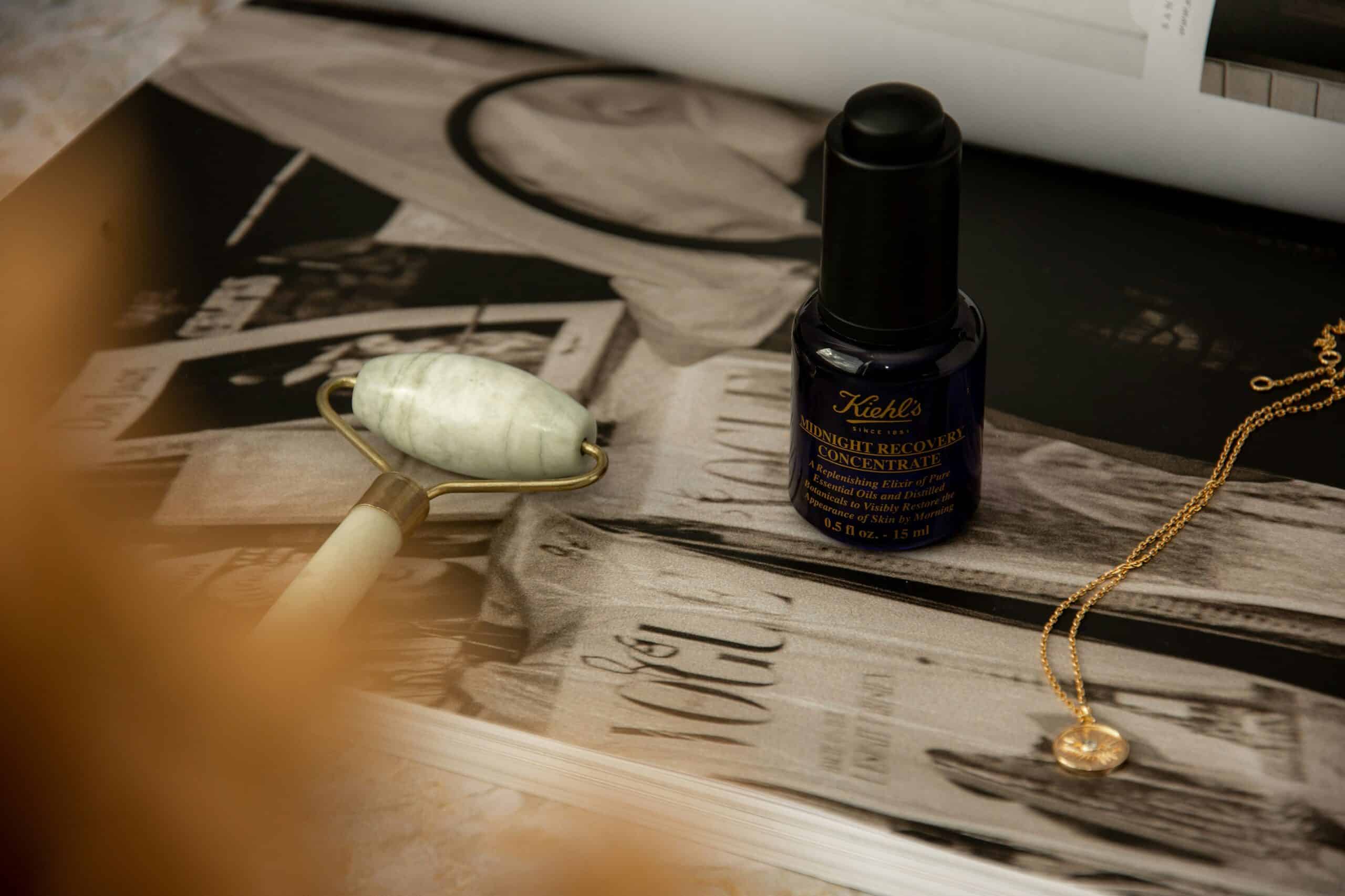
Everything else in the cold drawer covers the whole head at once, which is why ice rollers and facial cryotherapy tools for migraine are worth owning separately. A cap chills the scalp. A roller lets you put cold exactly on a temple, an eyebrow or the back of the neck and move it.
Cold is one of the oldest self-management habits in migraine and it remains a comfort measure rather than a treatment. The symptoms it sits alongside are the ones used to define an attack in the first place, including the light and sound sensitivity listed in the International Classification of Headache Disorders1.
Our roundup of ice caps and cold therapy covers the full-coverage approach.
Medical Disclaimer
This article is for educational purposes only and does not replace medical evaluation or treatment by a qualified clinician. Cold application does not treat migraine. Avoid cold on numb or broken skin, and anyone with Raynaud’s, cold urticaria, neuropathy or reduced skin sensation should ask a clinician before using cold tools on the face.
Quick Verdict
A stainless steel ice roller is the best starting point, because it chills in the freezer, needs no water and cleans in seconds. Cryo globes suit anyone who wants to work around the eye socket, where a large roller does not fit. Keep a gel bead mask in the freezer as well, since there are days when holding anything is too much effort.
Key Takeaways
- Targeted cold is a different tool from whole-head cold, not a replacement.
- Steel and glass hold cold briefly; gel holds it longer and warms gradually.
- Short sessions with a break beat long continuous application on facial skin.
- A barrier is sensible on anything straight out of a freezer.
- Hand-held tools need a hand, which some attacks do not leave you.
- Water-filled rollers can split and are the format most likely to leak.
How We Picked
We sorted by what holds the cold, because material decides how long a tool stays useful and how cold it gets against skin. Steel, glass, gel and water behave differently.
Then we weighted whether a tool can be used one-handed while lying down, since that is the situation most of them are bought for.
We have not measured surface temperatures or used these through attacks, so nothing here reports on results we observed. Cold tolerance on facial skin varies considerably between people.
1. A Stainless Steel Ice Roller, Best Overall
Why It Stands Out
A solid steel head holds freezer cold well, rolls smoothly over a temple or a jaw, and has nothing inside it to leak or perish. Nothing needs filling, and it wipes clean under a tap.
Rolling rather than pressing also means you are not holding one freezing point against one patch of skin.
Worth Knowing
Steel out of a freezer is genuinely cold on contact and warms within minutes, so this is a short-session tool. Let it sit a moment or use it over a thin cloth if the first touch is too sharp.
It also needs a freezer, which rules it out as something to carry. Supplies for a migraine emergency kit cover what travels instead.
This suits home use and anyone wanting cold they can aim. Skip it if holding a tool is the problem. Best for: targeted cold with nothing to maintain.
Check Price on Amazon2. Cryo Globes, Best Around the Eyes
Why It Stands Out
Small glass globes on handles fit the hollow of an eye socket and the ridge of a brow, which a cylindrical roller cannot reach. For anyone whose pain sits behind one eye, that geometry is the whole point.
They come in pairs, so one chills while the other is in use.
Worth Knowing
Glass is breakable and the liquid inside is not meant to be released, so a dropped globe is the end of it. Keep them away from a tiled bathroom floor.
Work around the eye socket rather than on the eyelid itself, and cooling eye masks are the gentler option directly over the eyes.
This suits pain focused behind or around one eye. Skip it if you are likely to drop things. Best for: cold in the places a roller will not fit.
Check Price on Amazon3. A Gel Bead Face Mask, Best Hands-Free
Why It Stands Out
A flexible bead-filled mask molds to the face, stays put with a strap and needs nothing from you once it is on. On the days when lifting an arm is too much, hands-free is the only format that gets used.
Gel also warms gradually rather than going from very cold to useless in two minutes.
Worth Knowing
Strapped masks press on the face, and pressure is unwelcome for some people mid-attack. Check the strap can be loosened a long way.
This overlaps with full-face cooling, which is a separate category worth comparing against.
This suits lying down and low-effort days. Skip it if pressure bothers you. Best for: cold without holding anything.
Check Price on Amazon4. A Cold Roller Ball Stick, Best for a Bag
Why It Stands Out
A pen-sized metal roller fits a pocket and works at room temperature, because the metal itself feels cool against skin. That makes it the only item here that works away from a freezer.
The small ball also suits the exact spot at the temple or behind the ear.
Worth Knowing
Room-temperature metal is cool rather than cold, so the effect is mild compared with anything frozen. Chilling it first in a hotel ice bucket or a fridge improves it considerably.
Some versions are sold filled with a balm, which is a different product again. Migraine headbands and compression caps are the other portable option.
This suits work bags, travel and desks. Skip it if you want real cold. Best for: something cool you can carry.
Check Price on Amazon5. A Neck and Occipital Roller, Best for the Base of the Skull
Why It Stands Out
A wider roller or a double-ball head reaches the muscles either side of the upper neck, which is where a lot of people feel an attack building. Cold plus rolling pressure in that area is a combination neither a cap nor a globe provides.
It also works through hair, unlike anything designed for the face.
Worth Knowing
Reaching your own occiput one-handed is awkward and tiring, which limits how long you will do it. Pressing hard on the upper neck is also not advisable without knowing what is there.
Warmth suits some people better in this area, and warm compresses and heating pads cover the opposite approach.
This suits neck-led attacks and upper-trapezius tension. Skip it for pain confined to the forehead. Best for: cold at the base of the skull.
Check Price on Amazon6. A Freezer Storage Pouch, Best Practical Addition
Why It Stands Out
A dedicated pouch or box keeps a roller clean in a freezer full of food, and it stops you hunting for the thing you need with a headache already building. It also prevents a steel head picking up frost and odors.
Keeping everything cold in one known place is most of what makes a cold routine work.
Worth Knowing
An insulated pouch slows the chilling as well as the warming, so leave longer in the freezer. A thin sleeve is the better compromise.
It is also the barrier to use if a tool is too cold on first contact.
This suits any of the above. Skip nothing here. Best for: finding a clean cold tool immediately.
Check Price on AmazonCold Tools at a Glance
| Tool | Material | Hands Needed | Reaches |
|---|---|---|---|
| Steel ice roller | Stainless steel | One | Forehead, temples, jaw |
| Cryo globes | Glass | One or two | Eye socket, brow |
| Gel bead mask | Gel beads | None once on | Whole face |
| Roller ball stick | Metal | One | Small points |
| Neck and occipital roller | Steel or gel | One | Base of skull, neck |
| Freezer pouch | Fabric | Not applicable | Not applicable |
What to Look For in an Ice Roller
A sealed head with nothing to leak
Water-filled plastic rollers are the cheapest and the most likely to split at the seam after a few freeze cycles. Solid steel or a properly sealed gel head lasts far longer.
A handle you can hold with cold hands
Thin metal handles conduct cold straight into your fingers, which shortens every session. A plastic or wrapped grip solves it.
A size matched to where it hurts
Large rollers suit the forehead and cheeks, small balls and globes suit the brow and temple. Buying one of each covers more than buying a bigger version of the same thing.
Something that works when you cannot hold it
Attacks vary in how much you can do, and a tool requiring effort gets skipped on the worst days. Reusable eye compresses and neck wraps cover the hands-free end.
Targeted Cold Against Whole-Head Cold
Rollers let you chase the pain
Pain that sits in one temple or behind one eye does not need the whole scalp chilled, and moving cold across a small area feels different from static cold. The cost is that you have to be able to hold something.
Caps and wraps work unattended
A cap goes on, stays on and keeps working while you lie still, which is why it remains the backbone of most people’s cold routine. Many people use a cap for the long stretch and a roller for the first few minutes, and cooling towels fill a third slot for heat-driven days.
Common Mistakes to Avoid
Leaving it on too long
Facial skin is thin and prolonged cold in one place risks irritation rather than more relief. Short passes with breaks are the sensible pattern.
Using it straight from the freezer on bare skin
Metal at freezer temperature can be uncomfortably cold on first contact. A moment of warming or a thin cloth barrier fixes it.
Pressing hard rather than rolling
These are cold tools with a rolling action, not massage tools for deep pressure. Scalp massagers are the right item if pressure is what you are after.
Expecting it to replace treatment
Cold is a comfort habit that sits alongside whatever a clinician has prescribed. The acute and preventive options available are set out in the American Headache Society consensus statement on integrating migraine treatments into practice2, and no device substitutes for that conversation.
Using Cold Sensibly
Keep one chilled at all times
A roller warming on a counter is no help, and waiting an hour for it to chill is worse. Two tools in rotation solves it.
Decide between cold and warmth in advance
Some people respond better to warmth on the neck and cold on the head, and working that out when you are well is easier than experimenting mid-attack. Note what you tried and what happened.
Clean anything that touches your face
Steel and glass wipe clean easily, while fabric-covered gel needs more care. A tool shared across a household needs cleaning between people.
Notice whether it is actually helping
Comfort measures are easy to keep using out of habit without checking. Recording what you used against how the attack went is the only way to know, and migraine journals are where that record lives.
Recommended Reading
Worth reading next: migraine cooling pads, for the hands-free end of the same drawer.
When to See a Neurologist
- Any headache you would describe as the worst of your life.
- A headache that comes on suddenly and peaks within moments.
- New headaches starting after age fifty.
- Weakness, numbness or speech difficulty with an attack.
- Any loss of vision, whether or not a headache follows.
- Facial numbness, or skin changes where you apply cold.
- Attacks becoming more frequent over weeks or months.
- Headache that changes character or wakes you from sleep.
- Needing acute medication on more days than not.
- Headache with fever, a stiff neck or a rash.
- Headache after a head injury.
- Pain always on the same side, without variation.
Ice Roller FAQ
What are the best ice rollers and facial cryotherapy tools for migraine
A stainless steel ice roller is the best first purchase because it holds cold, cleans easily and has nothing to leak. Cryo globes are better around the eye socket, and a gel bead mask is the option that works when you cannot hold anything.
How long should I use one for
Short passes with breaks rather than continuous application in one spot, since facial skin is thin. Stop if the skin stings, goes numb or looks blanched.
Is an ice roller better than an ice cap
They do different jobs. A cap covers the whole head unattended, and a roller lets you aim cold at a specific spot while you hold it.
Can I use one around my eyes
Around the bone of the socket and the brow, yes, with care. Avoid rolling over the eyeball itself and use a dedicated eye product if you want cold directly over closed lids.
Does cold actually help migraine
Many people find it comfortable and use it routinely, and it remains a self-management habit rather than a treatment with an established effect on attacks. Whether it helps you is an individual matter worth noting in a record.
Who should avoid facial cold tools
Anyone with Raynaud’s, cold urticaria, reduced skin sensation, neuropathy or broken skin should ask a clinician first. Numb skin cannot warn you that cold has gone too far.
Steel, glass or gel
Steel is the most durable and the coldest on contact, glass fits awkward contours, and gel holds cold longest and warms gradually. Material choice is mostly about where and how long you want to use it.
How do I keep one clean
Wash the head with soap and water after use and dry it before it goes back in the freezer. Keep it in a pouch rather than loose against food.
When should I see a doctor about migraine attacks
Book an appointment if cold therapy stops touching attacks that it used to help, or if attack frequency climbs. The signs in the section above need urgent assessment rather than a routine visit.
Sources
- Headache Classification Committee of the International Headache Society (IHS). The International Classification of Headache Disorders, 3rd edition. Cephalalgia. 2018;38(1):1-211.
- Ailani J, Burch RC, Robbins MS; Board of Directors of the American Headache Society. The American Headache Society Consensus Statement: Update on integrating new migraine treatments into clinical practice. Headache. 2021;61(7):1021-1039.
