
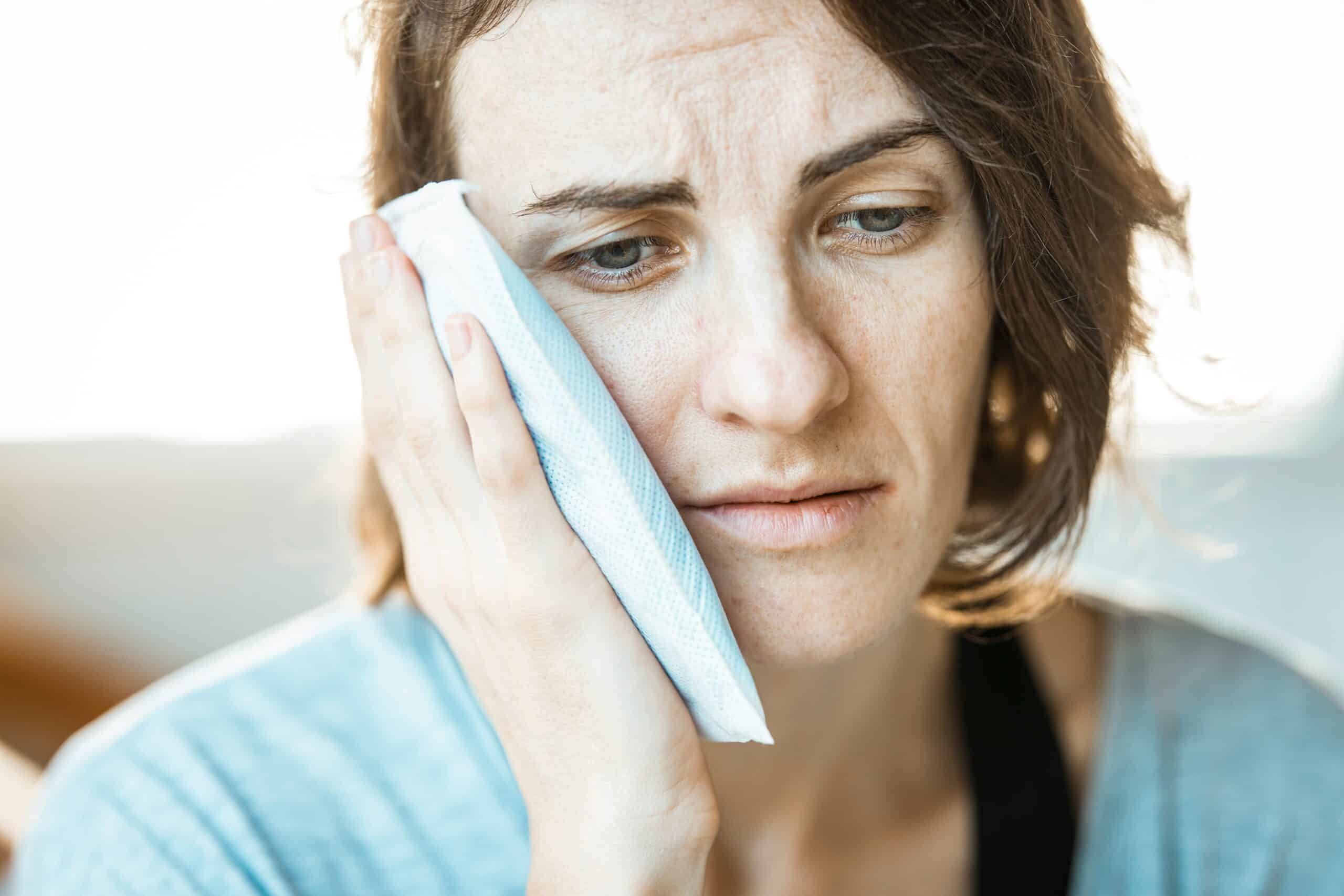
The migraine hits, and you instinctively reach for the freezer. Ice against your forehead, the back of your neck, your temples, anywhere that radiates pain. Frozen bag of peas wrapped in a dish towel, maybe. Gel pack from the first aid drawer. You hold it there awkwardly, trying to cover the pain without soaking your pillow, and after twenty minutes, you give up because your arm hurts and the ice has warmed up anyway.
There’s a better way. Purpose-built migraine ice caps and cold therapy wraps have become one of the most-reviewed categories in migraine relief precisely because cold therapy genuinely works, and because traditional ice application is frustrating enough that most sufferers give up before seeing benefit. A good ice cap wraps cleanly around your head, covers the exact pain zones, stays cold for 30-60 minutes, and frees your hands so you can actually rest through an attack.
The clinical evidence for cold therapy in migraine treatment is real. A 2013 study in the Hawaii Journal of Medicine found that ice application reduced migraine pain intensity in 71% of users within 30 minutes. The mechanism involves both vasoconstriction (reducing the vascular dilation that contributes to migraine pain) and direct neural effects on the trigeminal system. Used correctly at the right moment in an attack, ice caps can dramatically reduce how bad a migraine gets, often enough to avoid triptan doses or cut attack duration significantly.
This guide compares five of the best ice caps and cold therapy wraps available in 2026 to help you match the right design to your specific pain pattern and triggers.
This is general information, not medical advice, and these products may ease symptoms but do not treat or prevent migraine. See a doctor for persistent or severe migraine.
Why Ice Caps for Migraine Relief Actually Work
Cold therapy for migraines isn’t a placebo, the neuroscience behind it is well-established, and understanding the mechanism helps you use it effectively rather than treating it as folk medicine.
The Vasoconstriction Pathway
During a migraine attack, blood vessels in and around the brain dilate, particularly in the meningeal layer surrounding the brain. This dilation contributes directly to the throbbing, pulsating pain that characterizes migraine. Applying cold to the head, neck, or forehead causes localized vasoconstriction, blood vessels tighten in response to cold exposure, reducing the pressure and inflammation that drive pain.
The effect is most pronounced when cold is applied to regions with high surface vasculature. The forehead, temples, and back of the neck (over the carotid arteries and occipital region) respond most strongly to cold therapy. Budget ice packs that only cover the top of your head miss these critical zones, which is why ice cap design matters enormously for effectiveness.
Neural Desensitization
Cold therapy also affects the trigeminal nerve directly. Cold exposure reduces the firing rate of pain-signaling neurons in the trigeminal system, the same nerve pathway targeted by Cefaly devices and CGRP medications. This neural effect helps explain why cold therapy often reduces migraine pain even when vasoconstriction alone wouldn’t account for the full pain reduction observed.
For users experiencing migraines with allodynia (where normal sensations feel painful, including touch on the scalp), cold therapy often calms the hypersensitive neural state that makes attacks so debilitating. Many sufferers describe the relief as “the pain going quiet” rather than simply numbing.
Why Timing Matters More Than You Think
Ice caps work dramatically better when applied within the first 30-60 minutes of migraine onset. Early intervention interrupts the neurological cascade that transforms an early warning into a full-blown attack. Waiting until pain is severe still provides relief, but response rates drop from 71% down to roughly 40-45% once attacks are fully established.
This is why keeping an ice cap ready-to-use matters. Users who store caps in the freezer and apply them at the first symptom consistently report better outcomes than those who prepare cold therapy reactively during attacks. Pairing cold therapy with other early-intervention tools like migraine glasses for light sensitivity compounds the benefit for triggered attacks.
What to Look for in the Best Ice Caps for Migraine Relief
Not every cooling product designed for the head actually helps migraines. The specific design features matter enormously for real-world effectiveness.
Full 360-Degree Coverage
Standard gel eye masks or basic ice packs miss the critical pain zones. The best migraine ice caps wrap the entire head, forehead, temples, sides, and back of the neck, delivering cold to every region where migraine pain concentrates. Partial coverage forces you to reposition constantly or miss secondary pain sites.
Stay-Cold Duration of 30+ Minutes
Many migraine attacks peak at 60-90 minutes of pain intensity. An ice cap that warms to skin temperature within 15 minutes requires constant replacement, which defeats the purpose of hands-free therapy. The best products use phase-change gels or specialized freezer formulas that maintain therapeutic cold for 30-60 minutes continuously.
Freezer-Ready Storage and Fast Freeze Time
You need the cap cold when the migraine hits, not 4 hours from now. Products that freeze in 2-3 hours and store indefinitely in the freezer are essential. Some caps require refrigeration rather than freezing, which limits how cold they get and how long cold lasts.
Adjustable Fit Without Pressure Points
Head size varies significantly between users, and pressure points on the temples or forehead can themselves trigger or worsen tension-component migraines. Look for adjustable closures (Velcro, elastic, magnetic) that let you customize fit without creating pressure hot spots.
Lightweight and Eye Coverage Options
Weight matters because migraine sufferers often lie down during attacks. Heavy gel caps push into already-painful temples. Eye coverage is often useful for photophobia relief, but essential for some users, look for products that extend to cover the eyes when your migraine involves significant light sensitivity.
Blackout and Compression Features
Darkness helps light-sensitive migraines, and many top ice caps double as blackout eye masks during attacks. Gentle compression (not tight pressure) can also help some users by providing consistent tactile input that distracts from pain signals. Both features add value but aren’t universally needed.
Cleanability and Skin Contact
Multiple uses over months of migraine attacks means sweat, skin oils, and general wear. Machine-washable outer covers or wipeable silicone exteriors are practical necessities. Some cheaper products use permeable fabrics that can’t be properly cleaned.
Best Ice Caps for Migraine Relief in 2026: Our Top 5 Picks
1. Magic Gel Migraine Relief Hat, Best Overall Ice Cap for Migraine Relief
Best Overall | Price: ~$32
The Magic Gel Migraine Relief Hat has become the default recommendation across migraine support communities for good reason. The 360-degree cap wraps the entire head, forehead, temples, sides, and back, while extending down to cover the eyes for light sensitivity relief. The phase-change gel maintains therapeutic cold for 45-60 minutes, outperforming most competitors by 15-30 minutes per session.
Best for: Most migraine sufferers, first-time ice cap buyers, anyone wanting full-coverage relief with proven durability.
Why the Magic Gel Cap Sets the Standard
The cap uses a three-zone gel distribution that keeps cold evenly distributed across all pain zones rather than concentrating it in one area. This matters because cold contact that’s too concentrated can cause skin irritation, while uneven cooling misses key trigger points. The even distribution keeps relief comfortable even during 60-minute sessions.
The outer material is a soft, stretchy fabric that stays flexible when frozen, a key quality difference from cheap caps that become rigid bricks when cold. Flexibility means the cap conforms to your head shape rather than fighting against it, improving both comfort and effective cold contact. You can actually sleep or lie back while wearing it.
The hook-and-loop adjustable closure accommodates head circumferences from 21 to 24 inches, covering roughly 95% of adults. Eye coverage is substantial enough to function as a blackout sleep mask during attacks, killing two problems with one product. Some users keep two in the freezer in rotation, when one warms up, the backup is ready immediately.
Total cost of ownership: $32 upfront, no replacement parts needed. Expected 2-3 year lifespan with daily freezer storage and regular use. Annualized cost under $15, the lowest per-use cost of any migraine intervention tool.
PROS:
- Full 360-degree coverage, including the eyes and neck base
- 45-60 minute therapeutic cold duration
- Stays flexible when frozen
- Functions as a blackout mask during attacks
- Adjustable for a wide range of head sizes
- Machine-washable outer fabric
- Genuinely effective pain reduction for most users
CONS:
- Slightly heavier than basic gel caps (14 oz)
- Can feel bulky for smaller heads
- Requires dedicated freezer space
- Basic packaging doesn’t scream “medical”
2. TheraICE Rx Headache Relief Cap, Best Compression and Blackout Design
Best Compression Design | Price: ~$29
TheraICE Rx takes a different design approach, a stretchy compression hood that applies gentle, even pressure across the entire head while delivering cold therapy. The compression element distinguishes it from gel caps, providing the “pressure relief” many migraine sufferers instinctively seek by pressing on their temples during attacks. For users whose migraines respond to both cold and gentle pressure, this combination delivers better results than either alone.
Best for: Migraine sufferers who benefit from temple pressure, users with tension-component migraines, and anyone with smaller or larger head sizes that don’t fit standard caps.
Why Compression Compounds Cold Therapy Benefits
Gentle all-around pressure on the head reduces pain perception through several mechanisms. It provides consistent tactile input that competes with pain signals for neural attention (a principle similar to how rubbing a bumped elbow reduces pain perception). It also supports facial muscles and reduces the subtle clenching that many migraine sufferers unconsciously do during attacks.
The TheraICE design uses a seamless stretch fabric infused with cooling gel rather than discrete gel packs. When stored in the freezer, the entire cap cools uniformly, delivering consistent cold across the whole head surface. This eliminates the cold-spot/warm-spot problem that plagues traditional gel caps and distributes relief more evenly.
The one-size-fits-most stretch design genuinely fits a wider range of head sizes than adjustable caps, which often leave gaps or pressure points at extreme sizes. The fabric is soft enough for contact with sensitive skin and thin enough to wear under hats or scarves if you need relief in public settings.
Total cost of ownership: $29 upfront, 2+ year lifespan with regular use. The stretch fabric eventually loses elasticity with many freeze/thaw cycles, but most users replace it after 2-3 years of daily use.
PROS:
- Unique compression + cold combination
- Seamless stretch fabric fits wider range of head sizes
- Uniform cold distribution with no cold spots
- Thin enough to wear under hats in public
- Good eye coverage for blackout effect
- Reasonable price point
CONS:
- Less eye coverage than Magic Gel
- Shorter cold duration (30-40 minutes)
- Compression may be uncomfortable for some users
- Fabric eventually loses elasticity
- No adjustable fit for extreme sizes
3. IceKap Migraine and Headache Relief Hat, Best Premium Option with Extended Duration
Best Premium | Price: ~$55
IceKap occupies the premium tier of migraine ice caps with a medical-grade phase-change material that stays cold for 60-90 minutes, significantly longer than most products. For users whose migraines regularly exceed 60 minutes of severe pain or who need extended cooling during sleep, the premium price buys genuinely meaningful functional differences.
Best for: Chronic migraine sufferers with long-duration attacks, users wanting the longest possible cold therapy sessions, and people prioritizing medical-grade materials.
Why Extended Cold Duration Matters
Standard gel caps warm to skin temperature within 30-40 minutes, requiring replacement or rotation for longer attacks. Migraines frequently last 4-72 hours in their full duration, with severe pain peaks often extending 60-90 minutes. A cap that stays therapeutically cold for the entire severe-pain window delivers continuous relief without the interruption of replacement cycles.
The IceKap phase-change material is the same technology used in medical cooling garments for post-surgical recovery. Rather than traditional freezer gel that warms gradually, phase-change materials stay at their target temperature (around 55-60°F) throughout the cooling session by absorbing heat as they slowly transition from solid to liquid state internally. The result is a more consistent cold over a longer duration.
Construction uses medical-grade stitching and a wipeable silicone-coated exterior that cleans easily and resists bacteria buildup. The adjustable closure system accommodates head sizes from 20 to 25 inches, a wider range than most competitors. Freezer storage requirements are identical to those of other caps.
Total cost of ownership: $55 upfront, 3+ year lifespan due to medical-grade construction. Annualized cost around $18, higher than budget options but lower than daily-use prescription interventions.
PROS:
- 60-90 minute therapeutic cold duration
- Medical-grade phase-change material
- Wipeable silicone exterior cleans easily
- Widest adjustability range (20-25 inches)
- Longest lifespan among the caps compared
- Temperature stays consistent rather than warming gradually
CONS:
- Highest price point in category
- Heavier than most competitors (16 oz)
- Requires longer freeze time (4-6 hours)
- Bulkier design is less suited for travel
- Silicone can feel clinical rather than cozy
4. Comfytemp Migraine Relief Cap, Best Budget Full-Coverage Option
Best Budget | Price: ~$19
Comfytemp delivers genuine full-coverage ice cap therapy at the lowest price point among serious options. The gel inserts are removable and replaceable, the outer fabric is washable, and the adjustable fit accommodates most adults. While it doesn’t match the premium options in cold duration or medical-grade materials, it delivers 80% of the benefit at 50% of the cost.
Best for: First-time ice cap buyers unsure of response, budget-conscious users, households with multiple migraine sufferers needing separate caps.
Where Comfytemp Compromises
Cold duration runs 25-35 minutes before the gel warms significantly, shorter than premium options but sufficient for most moderate-intensity attacks. Users with long attack durations may need to rotate two caps or accept that cold therapy only covers the peak pain window rather than the full attack.
The gel inserts are separate pieces that must be positioned correctly inside the fabric cap. Some users find this annoying compared to integrated designs; others appreciate that damaged inserts can be replaced individually rather than discarding the whole cap. The fabric is softer and cozier than silicone-exterior premium options, but takes longer to dry after sweat exposure.
You can see what helps while you wait for something to work before deciding.
Construction quality is adequate but not exceptional. Expect a 1.5-2 year lifespan rather than the 3+ years of premium options. For users who go through multiple caps over years of chronic migraine management, the cost difference still favors Comfytemp despite the shorter lifespan.
Total cost of ownership: $19 upfront, 1.5-2 year expected lifespan, no ongoing costs. Annualized cost around $10-13, the cheapest serious migraine tool available.
PROS:
- Lowest price for a full-coverage cap
- Removable gel inserts for targeted placement
- Washable outer fabric
- Soft fabric feels cozier than silicone
- Good starter option to test the cold therapy benefit
- Adjustable fit for most adults
CONS:
- Shorter cold duration (25-35 minutes)
- Removable inserts can shift during use
- Shorter overall product lifespan
- Slower freeze time than single-piece caps
- Less eye coverage than premium options
5. HuggaPillow Cooling Migraine Wrap, Best for Side-Sleeping and Sleep Integration
Best for Sleep Use | Price: ~$42
For migraine sufferers who need to sleep through attacks, most ice caps are incompatible with natural sleep positions. Lying on a rigid gel cap hurts the ear and temple; side sleeping with any bulky headwear is often impossible. HuggaPillow designs their wrap specifically for sleep use, thin, flexible, and with zero rigid components, so you can sleep in any position while maintaining cold therapy.
Best for: Side sleepers and stomach sleepers with migraines, users who need to sleep through long attacks, and anyone whose migraines consistently start at night.
Why Sleep-Compatible Design Matters
Migraines disrupt sleep, and poor sleep intensifies migraines, a vicious cycle that makes sleep-compatible pain management critical. Standard ice caps force back-sleeping only, which many users can’t maintain for hours. A cap that accommodates side and stomach sleeping expands relief options during long nighttime attacks.
The HuggaPillow design uses thin gel layers distributed across a stretch fabric wrap that conforms to head shapes without pressure points when pressed against pillows. Cold duration runs 35-45 minutes per session, slightly shorter than Magic Gel but longer than most competitors. The thin profile means you can use it in addition to a supportive pillow for migraine sufferers without excess head bulk.
The wrap can also be used cold for acute relief or room-temperature as a gentle compression wrap without cooling, useful during mild migraines or for post-attack comfort when you want the compression without the temperature drop. This dual-use flexibility is rare among cold therapy products.
Total cost of ownership: $42 upfront, 2-3 year lifespan with nightly use. The price premium over basic caps buys genuine sleep compatibility, which, for sleep-sensitive migraine patterns, is worth real money.
PROS:
- Only the cap is compatible with side and stomach sleeping
- Thin profile won’t interfere with pillows
- Dual-use cold or room-temperature compression
- Good for nighttime migraine patterns
- Stretch fabric fits a wide range of head sizes
- Quiet, no crinkling gel sounds during sleep
CONS:
- Shorter cold duration than premium caps (35-45 min)
- Less eye coverage for photophobia
- Requires specific placement to cover pain zones
- Thinner gel means slightly less intense cold
- Stretch fabric loses elasticity over time
Quick Comparison of the Best Ice Caps for Migraine Relief
For fast reference, here’s how the five options compare:
- Magic Gel Migraine Relief Hat, Best overall full-coverage option, ~$32
- TheraICE Rx Compression Cap, Best compression plus cold combo, ~$29
- IceKap Premium, Best for extended attacks and medical-grade materials, ~$55
- Comfytemp Relief Cap, Best budget full-coverage option, ~$19
- HuggaPillow Cooling Wrap, Best for side sleepers and nighttime attacks, ~$42
How to Choose the Right Ice Cap for Your Migraine Pattern
Match your choice to how your migraines actually present.
If your migraines hit during the day and you can rest back in a chair or bed, the Magic Gel Migraine Relief Hat is the default recommendation. The combination of full coverage, solid cold duration, blackout eye coverage, and reasonable price makes it the right first purchase for most users.
If gentle pressure helps your migraines as much as cold does, TheraICE Rx combines both in one product more effectively than wearing a cold cap under a separate compression band. The compression element adds meaningful benefit for users whose pain pattern includes tension components.
If your attacks regularly last 60+ minutes of severe pain or you need longer cooling sessions, IceKap’s phase-change technology is worth the premium. Medical-grade construction also gives you the longest product lifespan, partially offsetting the higher upfront cost.
If you’re not sure ice caps will help you or you need multiple caps for a household, Comfytemp lets you test cold therapy effectiveness at minimal cost. Once you know it works, you can upgrade to a premium cap for your primary use and keep the Comfytemp as a backup or travel option.
If you primarily need relief during sleep or your migraines start at night, HuggaPillow is one of the few caps designed to work with side and stomach sleeping. For users whose migraine patterns are nocturnal, the sleep-compatibility premium is worth it.
Budget Math Across Ice Cap Options
Annualized costs with daily freezer storage and regular use:
- Comfytemp: $19 ÷ 1.75 years = $11/year
- TheraICE Rx: $29 ÷ 2 years = $15/year
- Magic Gel: $32 ÷ 2.5 years = $13/year
- HuggaPillow: $42 ÷ 2.5 years = $17/year
- IceKap: $55 ÷ 3 years = $18/year
For context, a single triptan dose costs $15-40 without insurance, and severe untreated migraines can cost hours of productive time. Preventing or reducing even 3-4 attacks annually through cold therapy offsets any cap’s entire multi-year cost. This is the highest-ROI product category in migraine management.
Accessories Most Ice Cap Users Need
Three additions that improve cold therapy effectiveness.
A second cap for rotation ($19-32) lets you have fresh cold available as soon as the first warms. Attacks can extend beyond one cap’s cold duration, and rotating keeps continuous therapy going without pauses that let pain rebuild.
A dedicated freezer bag or container ($8-15) prevents the cap from absorbing freezer odors or coming into contact with raw foods. Freezer burn and odor transfer can shorten cap’s lifespan and make daily use less pleasant.
A small handheld ice pack ($8-12) covers specific acute pain points the cap doesn’t reach, jaw tension, behind the ears, and specific trigger points. Used alongside the main cap rather than instead of it, targeted spot cooling addresses individual pain patterns more completely.
The First Two Weeks of Ice Cap Use
Getting the most from your ice cap takes some early learning.
Sessions 1-3: Experiment with timing. Try applying the cap immediately at the first migraine symptoms (prodrome), at the first clear pain, and during peak pain. Track which timing produces the best results for your specific pattern. Most users find the earliest application is most effective.
Sessions 4-7: Learn your personal cold tolerance and optimal session length. Some users need full 60-minute sessions; others find 20-minute sessions with breaks work better than continuous application. Factor in skin sensitivity, if you notice redness or prolonged skin cooling after sessions, shorter intervals help.
Week 2: Establish freezer discipline. Keep the cap ready-to-use at all times, not thawed in a drawer. Users who maintain always-ready caps report 2-3x better attack outcomes than those who freeze reactively when pain starts. The cap should live in the freezer as a permanent fixture.
Beyond week 2: Combine cold therapy with other early-intervention tools. Ice caps work better alongside FL-41 glasses, reduced stimulation environments, rest, and hydration than as standalone interventions. Stacking interventions at the first migraine symptoms delivers the best outcomes.
When Ice Caps Aren’t Enough
Cold therapy is an effective relief tool, but rarely a complete solution for chronic migraine sufferers. If you’re experiencing 4+ migraine days monthly, attacks that don’t respond to cold therapy and acute medications, new or changing symptom patterns, or migraines significantly impairing daily function, see a neurologist or headache specialist.
Ice caps work best as part of a comprehensive approach that includes preventive interventions (medications, Cefaly, magnesium supplementation), acute abortives (triptans, gepants, ditans) for breakthrough attacks, trigger identification and avoidance, and appropriate medical follow-up. For users with infrequent moderate migraines, an ice cap alone may provide sufficient relief. For chronic sufferers, ice therapy is one tool in a larger toolkit.
Cold therapy is also contraindicated for users with Raynaud’s syndrome, cold urticaria, or certain circulation disorders. If you have these conditions or any doubt about whether cold therapy is safe for you, consult your doctor before starting regular ice cap use.
Our Verdict on the Best Ice Caps for Migraine Relief
Magic Gel Migraine Relief Hat is the default recommendation for most migraine sufferers considering their first ice cap. At $32 with full 360-degree coverage, 45-60 minute cold duration, integrated blackout eye mask, and genuinely effective pain reduction for most users, it hits every important feature without premium pricing. If you can only buy one migraine ice cap, start here.
If gentle pressure compounds your cold therapy response, TheraICE Rx delivers both in a single product more effectively than combining separate tools. The compression element often improves response rates significantly for users with tension components in their migraine pattern.
For chronic sufferers with frequent long attacks or users prioritizing absolute best-in-class materials, IceKap justifies its $55 price with 60-90 minute cold duration and medical-grade construction. The extended lifespan partially offsets the premium, you’ll likely own this cap for 3+ years.
Budget-conscious first-time users should start with Comfytemp at $19 to verify whether cold therapy helps their specific pattern before committing to premium. If it works, upgrade to Magic Gel or IceKap for your primary use. If it doesn’t help meaningfully, you’ve tested the intervention at minimal cost.
And for nocturnal migraine sufferers or anyone who needs relief during sleep, HuggaPillow is uniquely suited to side and stomach sleeping. For sleep-compatible cold therapy, this is one of the few products designed to work across sleep positions.
Whichever cap you choose, keep it freezer-ready at all times and apply it at the first sign of migraine onset. Cold therapy rewards early intervention dramatically, waiting until peak pain drops response rates from 70%+ down to 40%. The cap that lives in your freezer, ready to grab, is the cap that actually helps.
Frequently Asked Questions
Do ice caps actually work for migraine relief?
Yes, cold therapy has solid clinical evidence for migraine pain reduction. Multiple studies including a 2013 Hawaii Journal of Medicine trial showed 71% of users experienced meaningful pain reduction within 30 minutes of applying cold to the head or neck. The mechanisms include vasoconstriction reducing vascular inflammation and direct neural desensitization of the trigeminal nerve. Response rates are highest when cold is applied at first migraine symptoms rather than during peak pain.
How long should I wear an ice cap during a migraine?
Most users benefit from 20-30 minute sessions with brief breaks rather than continuous hours of application. Extended unbroken cold exposure can cause skin irritation and rebound vasodilation. For attacks lasting beyond 30 minutes, rotate a second cap from the freezer or take 5-10 minute breaks between sessions. Stop application if you notice excessive skin redness, numbness beyond expected cooling, or any discomfort beyond the migraine itself.
Can ice caps replace migraine medications?
For some users with mild-to-moderate migraines, ice caps provide sufficient relief to avoid or reduce medication use. For chronic or severe migraine sufferers, ice caps work best as a complement to medical treatment rather than a replacement. Many users reduce triptan doses by 40-60% by adding consistent ice cap use at migraine onset, but rarely eliminate medications. Discuss with your doctor before reducing prescribed medications.
How cold do ice caps actually get?
Properly, ice caps reach temperatures of 20-32°F (-7 to 0°C). The best designs maintain cold between 40-55°F at skin contact for 30-60 minutes, which provides therapeutic vasoconstriction without causing frostbite or excessive skin reaction. Caps that feel intensely painful when applied are too cold, look for products designed specifically for head/skin use rather than general-purpose freezer packs.
Are there any risks with using ice caps for migraines?
Ice caps are safe for most users when used correctly. Contraindications include Raynaud’s syndrome, cold urticaria (allergy to cold), impaired circulation, and certain skin conditions. Limit individual sessions to 30 minutes, ensure the cap has a fabric barrier between gel and skin (never apply frozen gel directly), and stop use if you experience persistent skin color changes, numbness, or discomfort. Consult your doctor if you have circulatory or neurological conditions.
When should I apply the ice cap during a migraine?
Earlier is dramatically better. Apply at the first sign of migraine onset, aura, prodrome symptoms, first awareness of pain, or classic early triggers like visual disturbances. Early intervention response rates are 70%+ in clinical trials; response drops to 40-45% when application is delayed until peak pain. Keeping caps freezer-ready at all times enables immediate application when symptoms start.
Can I use a regular freezer gel pack instead of a dedicated ice cap?
Basic ice packs provide some benefit but significantly underperform dedicated migraine caps. Standard packs don’t cover the full pain zone (forehead, temples, back of neck), freeze too hard to contour to your head, warm within 15-20 minutes, and require hand-holding that prevents rest. The design features of purpose-built migraine caps, flexibility when frozen, 360-degree coverage, extended cold duration, hands-free fit, translate directly into better outcomes. The cost difference ($10-15) typically pays back within the first few attacks.
How do I clean and maintain my ice cap?
Most caps have machine-washable outer fabric (remove gel inserts first) or wipeable silicone exteriors. Clean after 5-10 uses or any time the cap contacts sweat, makeup, or contaminants. Store in the freezer in a dedicated bag or container to prevent odor transfer from foods. Avoid punctures or rough handling that could damage gel compartments. Well-maintained caps last 2-3 years with daily use; premium caps can last 3-4 years.
More Migraine Relief Guides
Warm water suits some people better than cold. shower heads and migraine relief covers pressure and temperature.
Sources
- Headache Classification Committee of the International Headache Society. The International Classification of Headache Disorders, 3rd edition. Cephalalgia. 2018;38(1):1-211. https://ichd-3.org/
- American Headache Society. Position Statement on Integrating New Migraine Treatments Into Clinical Practice. Headache. 2019;59(1):1-18. https://americanheadachesociety.org/
- National Institute of Neurological Disorders and Stroke. Migraine. National Institutes of Health. https://www.ninds.nih.gov/health-information/disorders/migraine
Recommended Reading
See our note on building a migraine toolkit, and using an ice pack.
