
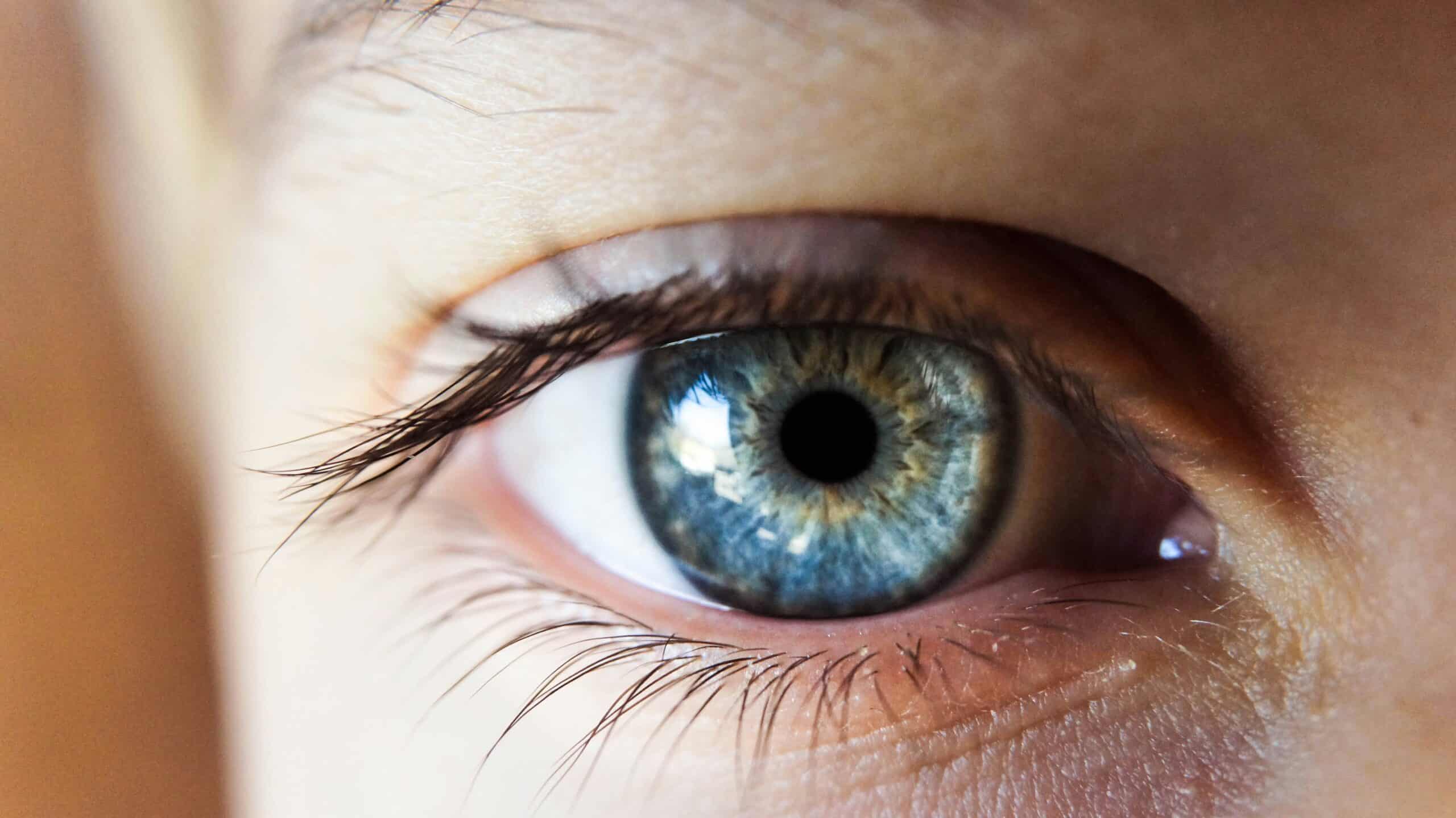
A reusable eye compress delivers warmth to the brow, temples, and eye area for the ten minutes or so that most people can tolerate before it stops feeling useful. The reason to buy one rather than use a damp flannel is that a flannel loses its heat in about ninety seconds, which means standing at a sink reheating it repeatedly during exactly the period you want to be lying still. The American Academy of Ophthalmology notes that eyelid skin is delicate, and ophthalmologists commonly advise against applying heat continuously since sustained warmth dilates local blood vessels1. Our roundup of warm compresses covers the larger versions for neck and shoulders.
Medical Disclaimer
This is general information about comfort products rather than medical advice. Heat is not appropriate for every kind of head pain, and anyone with an eye condition, recent eye surgery, or unexplained eye pain should speak to a doctor before applying heat to the area.
The Short Version
A microwavable bead mask suits most people and holds heat for a useful stretch. Choose a gel mask if you want the option of cold as well, a USB heated mask for controlled temperature without a microwave, and check that any scented option can be avoided if fragrance is a trigger for you.
Key Points
- Reusable compresses hold heat far longer than a damp cloth.
- Moist heat feels more penetrating than dry heat to most people.
- Overheating a bead mask is a real burn risk, and instructions matter.
- Fragrance-free versions exist and matter for scent-sensitive people.
- Heat suits muscle tension; cold suits many migraine attacks.
How We Picked
Compresses are grouped by how they are heated and how long they hold temperature, since those two things decide whether the product is usable during an episode. Fragrance is treated as a primary consideration rather than a detail, because scent sensitivity is common enough that a lavender-filled mask is unusable for a meaningful share of readers.
Selection criteria reflect heating method, fill material, and cover design. Descriptions come from product research rather than from use during any particular episode.
1. A Microwavable Bead Mask, Best Overall
Why It Stands Out
Masks filled with clay beads or flaxseed heat in a microwave in under a minute and hold useful warmth for roughly ten to twenty minutes, which covers a typical session without any reheating.
Bead fills also conform to the face, so warmth reaches the brow ridge and the hollow beside the nose rather than bridging across them.
Worth Knowing
Heating time is the safety issue. These scorch and can catch fire when overheated, and going beyond the stated time or reheating twice in a row is how that happens. Follow the instructions exactly rather than adding time because it felt cool.
Always test the mask against the inside of your wrist before putting it near your eyes. Our guide to using heat for tension covers doing this safely.
This suits most people. Skip it if you would rather not use a microwave for this.
Check Price on Amazon2. A Gel Bead Mask, Best for Heat or Cold
Why It Stands Out
Gel masks work in either direction, warmed in a microwave or chilled in a freezer, which matters because heat and cold suit different situations and many people want both available.
Having one product that covers both also means one thing to find rather than two, which is worth something during an attack.
Worth Knowing
Gel holds cold considerably better than it holds heat, so as a warm compress it fades faster than a bead mask. If warmth is your main use, a dedicated bead mask performs better.
A frozen gel mask should never go directly against skin without a cover, since that is how ice burns happen. Our roundup of cooling eye masks covers the cold side properly.
This suits people who use both temperatures. Skip it if you only ever use heat.
Check Price on Amazon3. A USB Heated Eye Mask, Best for Controlled Temperature
Why It Stands Out
Electrically heated masks hold a set temperature rather than starting hot and cooling, which removes both the overheating risk and the fading warmth of a microwaved product.
Most have several heat levels and an automatic shutoff, which suits anyone who might fall asleep wearing one.
Worth Knowing
Being tethered to a cable or a power bank limits how you can lie, which is a real constraint when you want to be still in a dark room.
These deliver dry heat rather than moist heat, and many people find moist heat more penetrating. Check that any mask has a shutoff before using one anywhere near sleep.
This suits controlled sessions at a desk or in bed near an outlet. Skip it if you want to move around.
Check Price on Amazon4. A Moist Heat Compress, Best for Penetrating Warmth
Why It Stands Out
Compresses designed to draw moisture from the air, or to be dampened before heating, produce warmth that most people describe as reaching deeper than dry heat at the same temperature.
Moist heat is also gentler on the skin around the eyes, which dries out easily under repeated dry heat.
Worth Knowing
Damp fills need drying properly between uses or they develop a smell, and a mask stored damp in a drawer will not stay pleasant.
Moisture also transfers heat faster, so a moist compress at the same temperature feels hotter on contact. Err on the cooler side when testing.
This suits anyone finding dry heat insufficient. Skip it if you will not dry it between uses.
Check Price on Amazon5. A Fragrance-Free Compress, Best for Scent Sensitivity
Why It Stands Out
Most eye masks in this category are filled with lavender or scented botanicals, which is a problem if scent is one of your triggers. Unscented versions use plain clay beads or flaxseed with no added fragrance.
Heating amplifies whatever scent is in the fill, so a mask that smells mild at room temperature can be overwhelming warm and pressed against your face.
Worth Knowing
Unscented and fragrance-free are not always the same claim, and some products described as unscented still contain botanicals. Read the fill description rather than the headline.
Storage matters too, since a mask kept near scented laundry products picks up their smell. Our roundup of fragrance-free products covers this across the rest of a household.
This suits anyone with scent sensitivity. Skip it if you specifically want aromatherapy.
Check Price on Amazon6. A Compress With a Washable Cover, Best for Regular Use
Why It Stands Out
A removable cover means the part touching your face can be washed while the fill stays dry, which is the arrangement that keeps a mask usable over months rather than weeks.
Covers also let you adjust warmth, since an extra layer between the mask and your skin takes the edge off a compress that runs hot.
Worth Knowing
Bead and grain fills generally cannot be washed at all, so a mask without a removable cover is one you can only wipe. That limits how long it stays pleasant with daily use.
Check that spare covers are available, since a single cover means the mask is out of service on wash day. Our note on building a toolkit covers keeping supplies ready rather than in the wash.
This suits daily or frequent use. Skip it if you use a compress occasionally.
Check Price on AmazonEye Compresses at a Glance
| Type | Heat source | Holds warmth | Best for |
|---|---|---|---|
| Microwavable bead | Microwave | 10 to 20 minutes | Most people |
| Gel bead | Microwave or freezer | Shorter when warm | Heat and cold both |
| USB heated | Mains or power bank | As long as powered | Controlled temperature |
| Moist heat | Microwave | 10 to 20 minutes | Deeper-feeling warmth |
| Fragrance-free | Microwave | 10 to 20 minutes | Scent sensitivity |
| With washable cover | Varies | Varies | Frequent use |
What to Look For in an Eye Compress
Is it scented?
Check this first if fragrance is ever a trigger. Heat amplifies scent considerably, and a lavender mask pressed against your face is not something you can ignore once it is on.
How long does it hold heat?
Ten to twenty minutes covers most sessions. Anything that fades in five means reheating partway through, which defeats the purpose of buying one.
Can you wash it?
Fills generally cannot be washed. A removable cover is what keeps the mask hygienic over months of use.
Does it fit your face?
Masks that bridge over the brow leave the area you wanted warmed untouched. Conforming bead fills follow the contours better than solid gel pads.
Heat or Cold?
When heat suits
Muscle tension around the brow, temples, jaw, and neck generally responds to warmth, and heat is the more common choice for tension-type discomfort.
When cold suits
Many people reach for cold during a migraine attack itself, and cold is what most migraine-specific products are built around. Neither is universally correct, and plenty of people use both at different points. Our comparison of ice caps and cooling pads covers the cold options.
Common Mistakes to Avoid
Overheating the mask
Adding time because it felt cool is how bead and grain fills scorch, and overheated masks have caused fires. Use the stated time, and never reheat immediately after a session.
Skipping the wrist test
Skin around the eyes is thin and burns more easily than elsewhere, and a compress that feels only warm to your palm can still burn an eyelid2. Test against the inside of your wrist every time, not just the first time.
Assuming heat is right for every attack
Heat helps muscle tension and many people find it makes a migraine attack worse. If warmth increases the pain, stop rather than persisting.
Buying scented by default
Lavender is the default fill in this category and a common trigger. Fragrance-free options exist and are worth seeking out. Our roundup of essential oils covers the other side for people who do find scent helpful.
Related Reading
See our roundup of migraine eye masks, notes on heating pads, our neck wrap picks, and a guide to choosing tension relief.
Eye Compress FAQ
Does heat or cold work better for migraine?
It varies by person and by episode. Cold is what most migraine-specific products are built around, and many people reach for it during an attack. Heat more commonly suits muscle tension around the brow, jaw, and neck. If heat makes the pain worse, stop rather than persisting.
How long should I use a warm eye compress?
Around ten to twenty minutes is what most reusable compresses hold useful warmth for, and that matches how long most people want one on. Longer sessions are not more effective, and repeated reheating raises the burn risk rather than the benefit.
Are microwavable eye masks safe?
When heated to the stated time, yes. The risk comes from overheating, since clay bead and grain fills can scorch and have caused fires. Never add extra time because it felt cool, never reheat immediately after use, and always test against your wrist before putting one near your eyes.
Can I use a damp cloth instead?
You can, and it loses its heat within a minute or two, which means repeated trips to a sink during exactly the period you want to be lying still. That practical difference is the main reason to own a reusable compress.
Are scented eye masks a problem?
They can be if fragrance is one of your triggers. Heat amplifies scent considerably, and a lavender-filled mask pressed against your face is difficult to ignore. Fragrance-free versions filled with plain clay beads or flaxseed are available.
How do I clean a reusable eye compress?
Usually by washing the cover rather than the mask, since bead and grain fills generally cannot be washed. Wipe the mask itself with a damp cloth and let it dry fully. Masks without a removable cover are harder to keep hygienic with daily use.
Is a heated eye mask safe to fall asleep in?
Only with an automatic shutoff, and check that yours has one. Microwaved masks cool down on their own, which is safer in that respect, though anything on your face while asleep is worth thinking about carefully.
When should I see a doctor?
If you have eye pain without a clear cause, changes in vision, recent eye surgery, or a diagnosed eye condition, speak to a doctor before applying heat to the area. Any sudden severe headache unlike your usual pattern needs urgent medical attention rather than a compress.
Sources
- American Academy of Ophthalmology, “Can I use warm compresses on my stye for more than 10 minutes?” Ask an Ophthalmologist. https://www.aao.org/eye-health/ask-ophthalmologist-q/can-i-use-warm-compresses-on-my-stye-more-than-10-
- Geerling G, et al, “TFOS DEWS II Management and Therapy Report,” The Ocular Surface, PubMed. https://pubmed.ncbi.nlm.nih.gov/28736343/
