
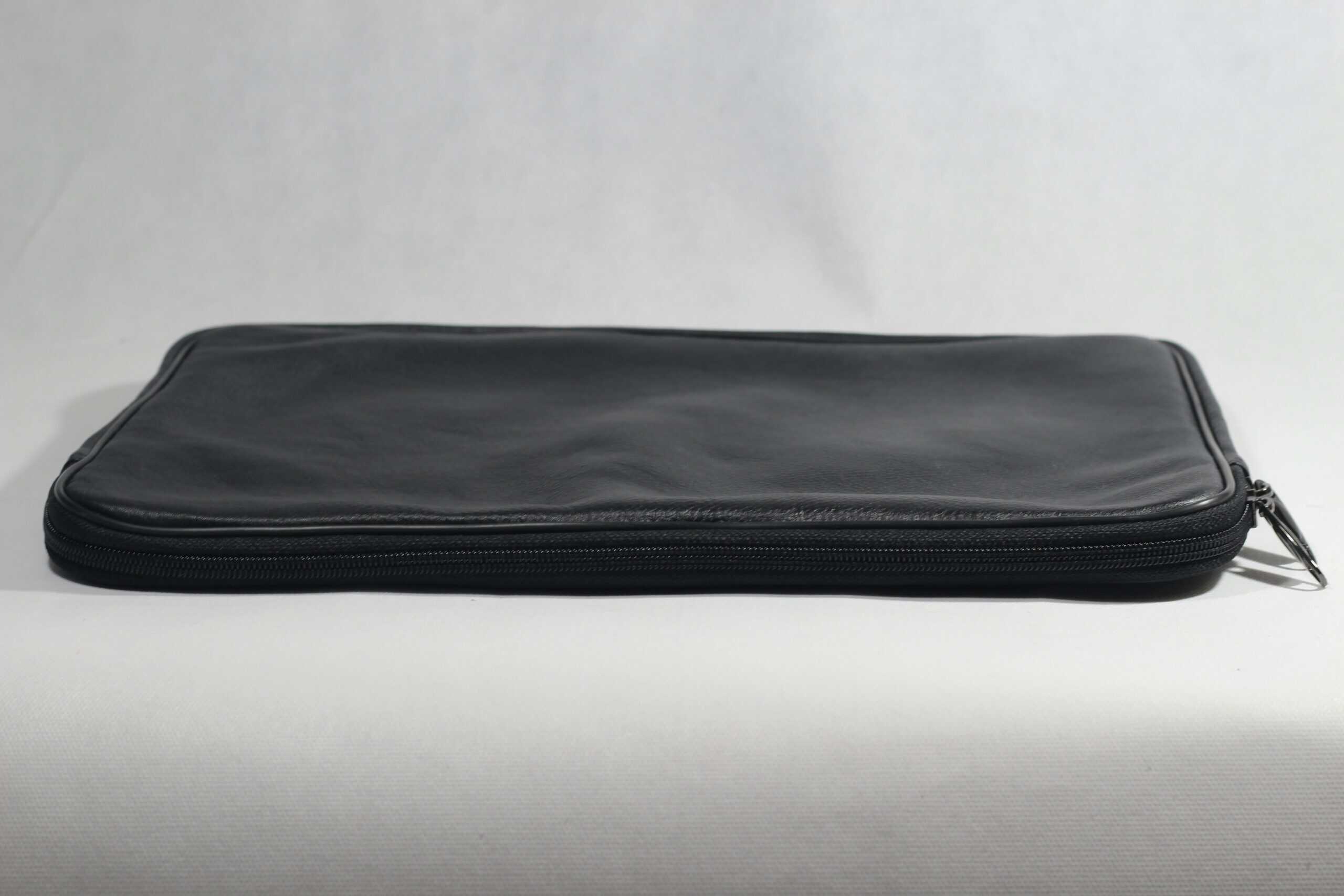
A weighted lap pad delivers deep pressure to a small area, which is the practical difference from a full blanket. You can use one at a desk, in a car, or during an attack without being covered head to foot, and it does not trap heat the way a full-size weighted blanket does. Deep pressure is calming for many people, though the research supporting it is stronger for anxiety and sleep than for pain of any kind. A randomized controlled trial in the Journal of Clinical Sleep Medicine found a significant advantage for weighted blankets over a light blanket on insomnia severity in psychiatric disorders1. Our roundup of weighted blankets covers the full-size version.
Medical Disclaimer
This covers comfort products, not treatment. Weighted and grounding products do not treat migraine or any other condition, and grounding claims in particular are not supported by strong clinical evidence. Speak to a doctor about persistent or worsening symptoms.
Lap Pads at a Glance
| Type | Typical weight | Heat | Best for |
|---|---|---|---|
| Glass bead lap pad | 3 to 7 lbs | Low | Most people, desk use |
| Cooling-cover lap pad | 3 to 7 lbs | Lowest | Warm rooms, night sweats |
| Weighted shoulder wrap | 3 to 6 lbs | Moderate | Neck and shoulder tension |
| Weighted eye or face pad | Under 1 lb | Low | Light sensitivity during an attack |
| Grounding mat or pad | Negligible | None | People who want to try it |
| Travel-size lap pad | 2 to 4 lbs | Low | Cars, planes, waiting rooms |
The short version: a glass bead lap pad between three and seven pounds covers most uses and works where a full blanket is impractical. Grounding products are a separate category with much weaker evidence behind them, and they are included here because people search for both together.
How We Picked
Products are grouped by where the weight sits and what the cover material does about heat, since those two things determine whether something gets used or abandoned. Washability matters throughout, because anything used during an attack tends to need cleaning.
Selection criteria reflect construction, fill type, and cover material. Descriptions come from product research rather than from use during any particular episode.
1. A Glass Bead Lap Pad, Best Overall
Why It Stands Out
Glass beads are denser than plastic pellets, so the same weight comes in a thinner pad that drapes rather than sitting on top of you. Thinner also means less trapped heat, which matters for anyone who overheats easily.
Lap size makes this usable at a desk or on a sofa without committing to being under a blanket, which is the main practical advantage over a full-size version.
Worth Knowing
Weight guidance for lap pads is looser than for blankets, and the usual approach is what feels grounding rather than a percentage of body weight. Start lighter than you think, since too much weight on the legs becomes uncomfortable within twenty minutes.
Check the cover is removable. Beads themselves rarely need washing; covers do. Our note on building a migraine toolkit covers where a pad like this fits alongside everything else.
This suits desk and sofa use. Skip it if you want full-body coverage.
Check Price on Amazon2. A Cooling-Cover Lap Pad, Best for Warm Rooms
Why It Stands Out
Bamboo viscose and similar covers move heat away from skin, which addresses the most common complaint about weighted products. If the reason you stopped using a weighted blanket was overheating, the cover is usually why.
Cooling covers also feel smooth rather than fleecy, which some people prefer against bare skin.
Worth Knowing
The cooling effect is real and modest. It reduces heat build-up rather than actively cooling, and in a genuinely hot room a weighted product will still feel warm.
These covers are also more delicate and often need a gentle wash cycle. Our roundup of cooling eye masks covers active cooling instead.
This suits warm rooms and anyone who runs hot. Skip it if heat was never the problem.
Check Price on Amazon3. A Weighted Shoulder Wrap, Best for Neck Tension
Why It Stands Out
Shoulder wraps put the weight across the traps and upper back rather than the legs, which suits anyone whose tension sits there rather than anywhere else.
Many are also microwavable or freezable, which combines pressure with heat or cold in one product.
Worth Knowing
Weight on the shoulders is not comfortable for everyone, and anyone with existing neck problems should be cautious rather than assuming pressure helps. Heavier is not better here.
If yours is heatable, follow the heating instructions exactly, since overheating a grain-filled wrap is a genuine burn and fire risk. Our guide to using heat for tension covers that safely.
This suits upper back and shoulder tension. Skip it if you have neck problems without checking with a clinician first.
Check Price on Amazon4. A Weighted Eye Pad, Best During an Attack
Why It Stands Out
A light weighted pad across the eyes blocks light and adds gentle pressure, which many people find more settling than a plain sleep mask during light sensitivity.
Most are small enough to keep in a bag or a bedside drawer, so they are available when needed rather than in another room.
Worth Knowing
Pressure on the eyes themselves should be gentle, and anyone with glaucoma, recent eye surgery, or any eye condition should ask a doctor before using one at all.
These are also easy to lose track of and get dirty quickly. A washable cover is worth having. Our roundup of migraine eye masks covers the unweighted versions.
This suits light sensitivity during an attack. Skip it entirely if you have any eye condition without medical advice.
Check Price on Amazon5. A Grounding Mat, Best for the Curious
Why It Stands Out
Grounding mats connect to the earth port of an outlet and are marketed on the idea that electrical contact with the earth affects sleep, inflammation, and pain.
They are inexpensive, they add nothing to a room visually, and people who want to try the idea can do so without much outlay.
Worth Knowing
The evidence here is weak. Studies are small, often industry-funded, and the mechanism proposed is not well established, so treat marketing claims about inflammation and pain with real skepticism.
These also connect to household electrical wiring, so buy a product with a built-in resistor and never improvise a connection. If any of that sounds uncertain, this is a reasonable category to skip.
This suits people who want to try it knowing the evidence is thin. Skip it if you want something supported by research.
Check Price on Amazon6. A Travel Lap Pad, Best Away From Home
Why It Stands Out
Smaller and lighter pads pack into a bag and work in a car, on a train, or in a waiting room, which are exactly the situations where you cannot use anything larger.
Lower weight also suits shorter sessions, where a heavy pad would become uncomfortable before the journey ended.
Worth Knowing
Less weight means a milder effect, so a travel pad is a compromise rather than an equivalent. If deep pressure is what helps you, the small version may not deliver enough.
Check the fill is properly contained, since a seam failure in a bag is a mess of glass beads. Our roundup of travel kits covers what else goes in the bag.
This suits journeys and appointments. Skip it as your only pad at home.
Check Price on AmazonHow to Choose a Lap Pad
How heavy should it be?
Lighter than you expect. Lap pads sit on a small area, and weight that feels pleasant for five minutes can be uncomfortable after twenty. Three to seven pounds covers most preferences.
Will it make you hot?
This is the reason most weighted products get abandoned. Glass beads in a thin cooling cover run coolest; plastic pellets in fleece run warmest.
Where does the tension sit?
Legs and lap for general calm, shoulders for upper back tension, eyes for light sensitivity. These are different products and buying the wrong shape wastes the purchase.
Can you wash the cover?
Anything used during an attack gets used at difficult moments and needs cleaning. A removable washable cover is worth insisting on.
Weighted or Grounding?
What weighted products offer
Deep pressure, which many people find calming and which has some research support for anxiety and sleep. It is a comfort measure rather than a treatment, and that is a reasonable thing to buy.
What grounding products claim
Considerably more, on considerably less evidence. Studies are small and often funded by companies selling the products. Our guide to evaluating migraine products covers reading claims like these.
Common Mistakes to Avoid
Buying too heavy
Percentage-of-body-weight rules come from full blankets and do not transfer to a pad covering your lap. Start light and go up only if it feels insufficient.
Expecting pain relief
Deep pressure is calming for many people. A trial in The Journal of Pain did report reduced chronic pain ratings under a weighted blanket, with the effect strongest in people higher in trait anxiety, and the authors were explicit that this is a low-cost comfort tool rather than a treatment2. Nothing in this category treats migraine.
Heating a wrap beyond the instructions
Grain and clay fills scorch and can catch fire when overheated. Follow the stated time exactly and never heat one twice in a row.
Using a weighted eye pad with an eye condition
Pressure on the eyes is not appropriate for everyone. Anyone with glaucoma, recent surgery, or any diagnosed eye problem should ask a doctor first. Our note on questions for a neurologist covers raising this kind of thing at an appointment.
Recommended Reading
See our roundup of acupressure mats, notes on heating pads, our neck wrap picks, and a guide to choosing tension relief.
Lap Pad FAQ
Do weighted products help migraine?
They are comfort products rather than treatments. Deep pressure is calming for many people and has some research support for anxiety and sleep, but nothing in this category treats migraine or reduces attack frequency. Buy one for comfort, not for relief.
How heavy should a lap pad be?
Usually three to seven pounds. The percentage-of-body-weight guidance used for full blankets does not apply, since a lap pad concentrates weight on a much smaller area. Start lighter than you expect and increase only if it feels insufficient.
Why do weighted products make me hot?
Fill and cover both trap heat, and plastic pellets in a fleece cover are the warmest combination. Glass beads are denser, so the same weight comes in a thinner pad, and a bamboo or cooling cover reduces heat build-up further.
Is grounding scientifically supported?
Not strongly. The available studies are small, frequently funded by companies selling the products, and the proposed mechanism is not well established. Anyone buying one should do so knowing the evidence is thin rather than expecting a clinical effect.
Can I use a weighted eye pillow during an attack?
Many people find gentle pressure and darkness settling. The important exception is anyone with glaucoma, recent eye surgery, or any diagnosed eye condition, who should ask a doctor before applying any pressure to the eyes.
Are weighted shoulder wraps safe for neck pain?
For general tension, many people find them helpful. If you have a diagnosed neck problem, added weight on the shoulders is worth checking with a clinician first, since pressure is not appropriate for every cause of neck pain.
How do I wash a weighted lap pad?
Usually by removing and washing the cover, since glass beads and the inner shell rarely need cleaning. Check the label, as some pads are fully machine washable and others are not, and weighted items are heavy when wet.
When should I see a doctor?
If attacks are becoming more frequent or more severe, if the pattern changes, or if you are relying on comfort products in place of a treatment plan. Any sudden severe headache unlike your usual pattern needs urgent medical attention rather than a lap pad.
Sources
- Ekholm B, Spulber S, Adler M, “A randomized controlled study of weighted chain blankets for insomnia in psychiatric disorders,” Journal of Clinical Sleep Medicine, American Academy of Sleep Medicine. https://jcsm.aasm.org/doi/10.5664/jcsm.8636
- “Widespread Pressure Delivered by a Weighted Blanket Reduces Chronic Pain: A Randomized Controlled Trial,” The Journal of Pain. https://www.jpain.org/article/S1526-5900(21)00313-8/fulltext
