
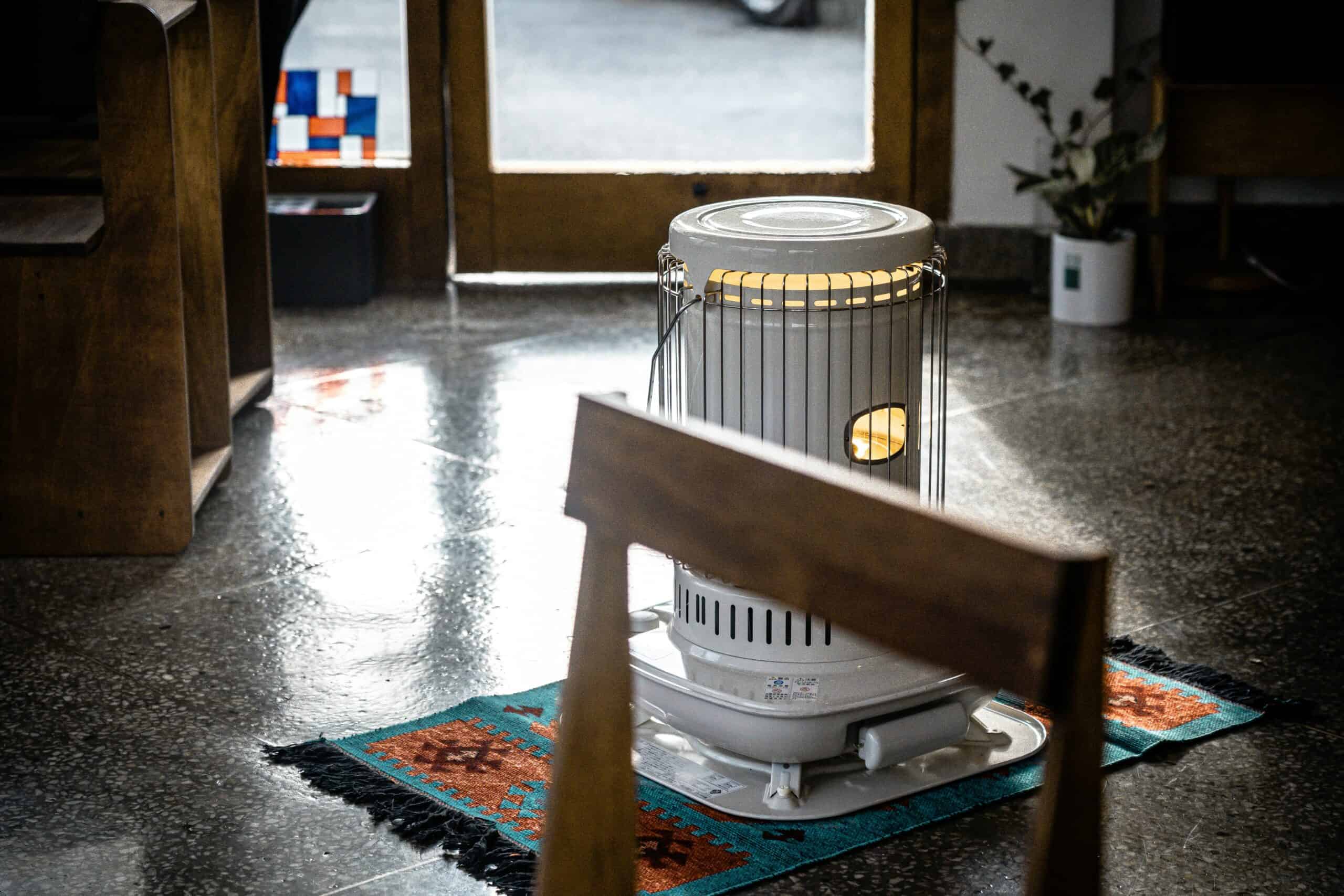
Cold rooms and sudden temperature swings sit on most published trigger lists, and a heater that holds one temperature quietly removes both. The best space heaters for cold-triggered migraine are judged on stability and noise rather than raw output, because a unit that cycles loudly between hot and cold introduces two problems while solving one. Thermostat quality matters more than wattage on almost every model.
Most rooms reach a comfortable temperature easily. Holding it there without a fan roaring every few minutes is the harder job.
Weather sensitivity has a wider context. Our guide to whether weather change triggers migraines covers what is and is not established.
Medical Disclaimer
This article is general information about heating equipment and is not medical advice. Temperature is one possible contributor among many, and migraine has causes that need proper assessment. Anyone with new or worsening headaches should speak with a doctor rather than treating the problem as a thermostat setting.
Quick Verdict
Oil-filled radiators are the quietest option and hold temperature most steadily, which suits bedrooms and long sitting. Ceramic fan heaters warm a room fastest and make noise doing it, panel heaters suit small spaces silently, and infrared heaters warm you rather than the air. Smart thermostatic models matter most if you wake cold.
Key Takeaways
- Temperature stability matters more than maximum heat output.
- Any heater with a fan makes noise every time it cycles.
- Oil-filled radiators are near silent and slow to warm up.
- Heaters do not dry air, though warmer air feels drier.
- A programmable thermostat prevents the cold pre-dawn dip.
- Safety guidance puts three feet of clearance around any heater.
How We Picked
We compared heater types rather than individual models, because product lines change each season while the heating methods do not. Each section covers one type and the room it suits.
We ranked types on four things: how steadily they hold a set temperature, how much noise they make in normal operation, how quickly they warm a cold room, and how they behave overnight.
We excluded anything sold on wattage alone, since almost all plug-in electric heaters draw similar power. We have also not stated running costs, because electricity rates and room size decide those entirely.
On safety we follow the published guidance from the Consumer Product Safety Commission: keep heaters at least three feet from anything that can burn, plug them directly into a wall outlet rather than an extension cord or power strip, and place them on a hard level surface. The Environmental Protection Agency also notes that unvented combustion heaters can raise indoor pollutant levels, which is why every option here is electric.
1. Oil-Filled Column Radiators
Why It Stands Out
An oil-filled radiator heats a sealed fluid and radiates warmth with no fan at all, which makes it the quietest heater you can buy. For a bedroom or a room where you sit still, that silence is the entire argument.
The thermal mass also smooths out temperature swings. The unit keeps radiating after the element switches off, so the room drifts rather than dropping.
Worth Knowing
Warm-up is slow, so these suit maintaining a temperature rather than rescuing a cold room. Turning one on when you already feel cold is frustrating.
They are also heavy and awkward to move between rooms. Most people leave them in one place permanently.
Surfaces get genuinely hot, which matters with children or pets around. Pairing steady warmth with a weighted blanket covers the gap while the room comes up.
Best for: Bedrooms, home offices, and anyone sensitive to noise. Skip it if you need a cold room warm quickly.
Check Price on Amazon2. Ceramic Fan Heaters
Why It Stands Out
A ceramic element with a fan pushes warm air out immediately, so a cold room becomes usable in minutes rather than an hour. For mornings and short sessions that speed matters.
These are also light, cheap, and easy to carry between rooms. Most include oscillation to spread heat more evenly.
Worth Knowing
The fan is the problem. Every thermostat cycle brings the noise back, and that repeated start and stop is what bothers noise-sensitive people most.
Air movement also feels like a draft at close range. Sitting directly in the stream is uncomfortable over time.
Look for models with multiple fan speeds, since a low setting running constantly is quieter than a high setting cycling. Sound-dampening elsewhere helps, and our guide to sound-dampening curtains and rugs covers that.
Best for: Fast warm-up and moving between rooms. Skip it for bedrooms if noise triggers or wakes you.
Check Price on Amazon3. Panel and Convection Heaters
Why It Stands Out
A flat panel heater warms air by convection with no moving parts, which makes it silent like a radiator but far slimmer. Small rooms and tight spaces suit it well.
Many mount on a wall, which removes the trip hazard and the floor clearance problem. Surface temperatures stay lower than a column radiator.
Worth Knowing
Output is modest, so a large or poorly insulated room will not get warm. These maintain rather than transform.
Convection also stratifies heat toward the ceiling in tall rooms. Floor-level cold can persist.
Wall mounting is a small job but a permanent one. For renters, a freestanding model with feet keeps the option open.
Best for: Small rooms, silent operation, and wall mounting. Skip it for large or drafty spaces.
Check Price on Amazon4. Infrared and Radiant Heaters
Why It Stands Out
Infrared heats objects and people directly rather than warming the air, so you feel warm almost immediately. For anyone whose hands and feet go cold first, that direct effect is useful.
Because the air stays cooler, the room feels less stuffy. Many people prefer that sensation while working.
Worth Knowing
The warmth is directional and stops when you move out of line with the unit. This is a chair heater more than a room heater.
Some models also glow visibly, which is worth checking if light bothers you during an attack. A quartz element can be surprisingly bright.
Light sensitivity is worth taking seriously here, so check whether the element glows before choosing one for a bedroom.
Best for: Warming a person at a desk or chair without heating the whole room. Skip it as a whole-room or overnight solution.
Check Price on Amazon5. Smart and Thermostatic Heaters
Why It Stands Out
A programmable heater can raise the temperature before you wake, which removes the cold pre-dawn dip entirely. For anyone who wakes with a headache, that scheduling is the feature that matters.
Accurate digital thermostats also hold a tighter band than a mechanical dial. Fewer swings means fewer fan cycles.
Worth Knowing
Smart models cost more and add an app to maintain. Some also chirp or flash on state changes, which defeats the purpose in a bedroom.
Built-in sensors read the temperature at the unit, not where you sit. A heater in a corner can hold the corner warm and the room cool.
Pair scheduling with your own pattern data rather than guessing. Our guides to why you wake up with migraines and bedroom setups for waking with migraine cover that.
Best for: Anyone who wakes cold or wakes with a headache. Skip it if you dislike apps and audible confirmation beeps.
Check Price on Amazon6. Heated Throws and Personal Warming
Why It Stands Out
A heated throw or mattress pad warms you directly for a fraction of the power a room heater uses. During an attack, warmth without noise or air movement is often what you actually want.
These also work anywhere there is an outlet, including a sofa or a chair. No clearance requirements to manage.
Worth Knowing
They warm a person and not a room, so a cold room stays cold when you get up. This complements a heater rather than replacing one.
Controllers can be bright, and some have audible buttons. Check both before using one at night.
Washability varies, and the controller usually detaches first. Reading the care instructions once saves a ruined throw.
Best for: Warmth during an attack and low running cost. Skip it as your only heating in a genuinely cold room.
Check Price on AmazonSpace Heaters for Cold-Triggered Migraine at a Glance
| Type | Noise | Warm-up speed | Temperature stability | Best situation |
|---|---|---|---|---|
| Oil-filled radiator | Silent | Slow | Best | Bedrooms and long sitting |
| Ceramic fan heater | Noticeable | Fastest | Moderate | Quick warm-up, daytime |
| Panel convection | Silent | Moderate | Good | Small rooms, wall mounted |
| Infrared radiant | Usually silent | Immediate on you | Directional | Desk and chair warmth |
| Smart thermostatic | Depends on fan | Varies | Best control | Waking cold |
| Heated throw | Silent | Fast on you | Personal only | During an attack |
How to Choose Space Heaters for Cold-Triggered Migraine
How much noise can you tolerate?
This is the first question for most people reading this. Any heater with a fan will cycle, and each cycle is an audible change rather than steady background sound.
Oil-filled and panel heaters remove the question entirely. That silence is worth the slower warm-up for bedroom use.
Are you maintaining warmth or rescuing a cold room?
Maintaining favors thermal mass and silence. Rescuing favors a fan and fast air movement.
Many homes need both, in different rooms. Deciding the job first narrows the choice quickly.
Does the thermostat actually hold a band?
Mechanical dials drift and overshoot, while digital thermostats hold tighter. A tighter band means fewer swings for you to feel.
Look for a stated setpoint in degrees rather than a numbered dial. That difference shows up overnight most.
What about the air feeling dry?
Heaters do not remove moisture, though warming air lowers its relative humidity and makes it feel drier. That distinction matters when choosing a fix.
A humidifier addresses it directly. Our guides to humidifiers and dehumidifiers cover both directions.
Where will it sit safely?
The Consumer Product Safety Commission guidance is three feet of clearance from anything flammable, a hard level surface, and a direct wall outlet with no extension cord. Plan the spot before buying the unit.
Tip-over and overheat cutoffs are standard on current models. Confirm both are present rather than assuming.
Do you need it to run overnight?
Overnight running puts weight on silence, thermostat accuracy, and safety features together. It also rules out anything directional.
Scheduling is the feature that helps most here. Warming the room before you wake avoids the coldest part of the night.
Oil-Filled Radiator vs Ceramic Fan Heater
Where the oil-filled radiator wins
Silence and stability, which are the two things that matter if temperature swings or noise bother you. Nothing moves, so nothing cycles audibly.
The thermal mass also carries the room between element cycles. You feel a drift instead of a drop.
For bedrooms this is usually the right answer, and the slower warm-up matters less when the heater runs on a schedule.
Where the ceramic fan heater wins
Speed, weight, and price. A cold home office becomes workable quickly, and the unit moves to another room easily.
Fan heaters also distribute heat more evenly in awkward room shapes. Convection alone leaves cold corners.
For daytime use where noise matters less, the trade is reasonable. Running one on a low constant setting reduces the cycling.
What Trips People Up
Buying on wattage
Almost all plug-in electric heaters draw similar power and convert it to similar heat. What differs is how the heat is delivered and how steadily it is held.
Putting a fan heater in the bedroom
The cycling wakes noise-sensitive sleepers repeatedly through the night. A silent type belongs in any room you sleep in.
Blaming the heater for dry air
Heaters do not remove water from the air, they lower relative humidity by warming it. The fix is added moisture, not a different heater.
Using an extension cord
Heaters draw enough current that cords and power strips become a fire risk. Safety guidance is explicit about plugging directly into a wall outlet.
Treating temperature as the only variable
Pressure, air quality, sleep, and hydration all sit alongside it. Tracking what actually precedes an attack is more useful than guessing, and barometric pressure monitors cover the pressure side.
Related Reading
- Preventing weather-triggered migraines covers the broader strategy.
- Portable air conditioners cover the opposite temperature problem.
- Air purifiers cover the air quality side of a closed winter room.
- Air quality monitors cover measuring it rather than guessing.
Frequently Asked Questions
What are the best space heaters for cold-triggered migraine?
Oil-filled radiators for bedrooms and long sitting, because they are silent and hold temperature steadily. Ceramic fan heaters suit fast daytime warm-up, and a programmable thermostat helps most if you wake cold.
Can cold weather trigger a migraine?
Temperature change and weather shifts appear on most published trigger lists, including those from the American Migraine Foundation. Individual patterns vary a great deal, which is why tracking your own is more useful than general rules.
Which space heater is the quietest?
Oil-filled radiators and flat panel convection heaters, because neither uses a fan. Any heater with a fan will make noise each time the thermostat cycles it on.
Do space heaters dry out the air?
Not directly. They do not remove moisture, but warming air lowers its relative humidity, which is why heated rooms feel dry and a humidifier helps.
Is it safe to leave a space heater on overnight?
Follow the manufacturer’s instructions, and note that Consumer Product Safety Commission guidance calls for three feet of clearance, a hard level surface, and a direct wall outlet. Choose a model with tip-over and overheat cutoffs if it will run unattended.
Are infrared heaters better for migraine?
They warm you rather than the air, which some people prefer because the room feels less stuffy. The warmth is directional, and some elements glow brightly, which is worth checking if light bothers you.
What temperature should a bedroom be?
Comfort ranges vary between people, so the useful goal is a steady temperature rather than a specific number. Stability is what removes the swings, which is the part a good thermostat delivers.
When should I see a doctor about cold-triggered headaches?
See a doctor if headaches are new, changing in pattern, becoming more frequent, or come with numbness, weakness, confusion, or visual changes. A heater can remove one possible contributor, and it cannot tell you what is causing the attacks.
Sources
- United States Consumer Product Safety Commission. Portable Heater Safety. https://www.cpsc.gov/
- United States Environmental Protection Agency. Indoor Air Quality: Combustion Pollutants. https://www.epa.gov/indoor-air-quality-iaq
- American Migraine Foundation. Migraine Triggers. https://americanmigrainefoundation.org/
- National Institute of Neurological Disorders and Stroke. Migraine. National Institutes of Health. https://www.ninds.nih.gov/health-information/disorders/migraine
