
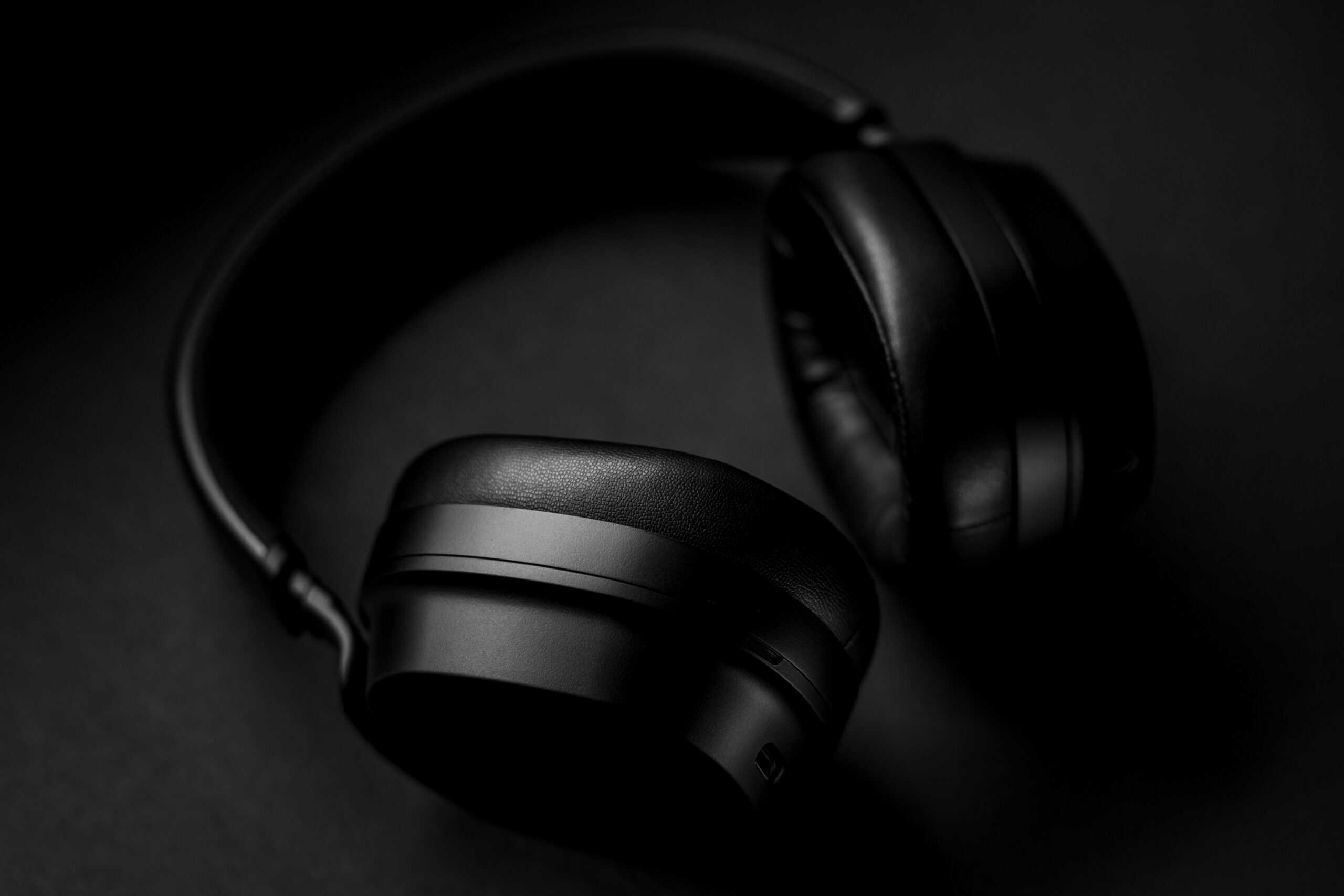
Noise cancelling headphones help most with steady low frequency sound and much less with sudden or high pitched noise, and for some people the pressure sensation from active cancellation is itself a problem during an attack. So do noise cancelling headphones help migraines? Sometimes, and the answer depends more on the sound and the listener than on the headphone.
That nuance disappears from most buying advice. Active cancellation is one technology with one narrow strength, not a general shield against noise. Our shortlist of quieter headphone options makes far more sense once the mechanism is clear.
Medical Disclaimer
This article offers general information only. It is not medical advice, and it cannot diagnose anything. A clinician should guide diagnosis and treatment for headache or migraine.
Quick Answer
Active cancellation reduces constant low frequency sound well, so planes, fans and traffic hum get quieter. It does little about door slams or nearby speech. Some people also feel a pressure or plugged sensation from cancellation, and during an attack that sensation can feel worse than the noise it removes.
Key Takeaways
- Active cancellation targets steady low frequency sound, not sudden or sharp sound.
- The physical earcup, not the electronics, blocks most higher pitched noise.
- A pressure or plugged feeling is a common reaction to cancellation. For some people it is uncomfortable during an attack.
- Weight and clamping force on the head matter as much as the acoustics.
- Transparency mode exists for a reason. Use it outdoors and in quiet rooms.
- Response varies a lot between individuals, so short trials beat assumptions.
| Situation | Active cancellation | Better option |
|---|---|---|
| Steady drone from a plane cabin or an office fan | Strongest case for it. The hum drops noticeably. | Cancellation on, with no audio playing |
| Sudden sharp sounds such as a slammed door | Very little effect. The sound starts and ends too fast. | A deep earcup seal, or moving to a quieter room |
| A loud conversation a few feet away | Partial only. Speech sits mostly above the useful range. | Passive isolation from a closed over ear cup |
| An active attack with strong sound sensitivity | Mixed. Some find relief, others dislike the pressure feeling. | A dark quiet room, or soft foam earplugs |
| Sleeping, especially on one side | Poor fit. Most over ear designs press into the ear. | A flat headband style device or a sound machine |
| Walking or cycling outside | Unsafe at full strength. Traffic cues vanish. | Transparency mode, or one ear uncovered |
| A quiet room where silence is the goal | Can backfire. Faint hiss and pressure become the loudest thing. | Nothing over the ears at all |
| A concert, cinema or sporting event | Not built for that level. Cancellation is not hearing protection. | Filtered earplugs made for live sound |
Where active cancellation fits, and where something else fits better.
How active noise cancellation works and which sounds it handles
Active cancellation uses tiny microphones to sample incoming sound, then plays an opposite signal back into the ear. Two waves meeting out of phase reduce each other. That trick works cleanly only when the incoming sound is predictable.
Steady low frequency sound is extremely predictable. Engine rumble, fan hum and road noise repeat in long, slow cycles. The electronics have time to model the wave and answer it, which is why a plane cabin feels calmer.
Sharp sound is the opposite. A dropped pan or a barking dog arrives as a short burst of mostly high frequencies. The cycles are too short and too irregular for the system to match in time.
Higher pitched noise gets handled by something far simpler. A closed earcup with dense padding and a good seal physically blocks sound before it reaches the ear. This passive isolation does the heavy lifting on speech, clatter and keyboard noise, and it keeps working when the battery dies.
Why active noise cancellation can feel like pressure
Many first time users describe a plugged or underwater sensation when cancellation switches on. Nothing is actually pressing on the eardrum. The brain reads the sudden loss of low frequency sound as a change in pressure, because that pattern normally happens during altitude changes.
For most listeners the feeling fades within minutes. For a subset it does not, and it can register as mild discomfort or a sense of fullness. That is the detail this article exists to flag.
Sound sensitivity is a recognized part of many migraine attacks, and the American Migraine Foundation describes heightened sensitivity to sound as a common feature. Sensitivity to touch and pressure can travel with it. Someone who cannot tolerate a hair tie during an attack may not tolerate an artificial pressure sensation either.
Physical load compounds this. Over ear cups clamp the head and add weight above the temples, while in ear designs sit inside the canal instead. Neither is automatically right, so comfort in a calm moment predicts comfort mid attack poorly.
Transparency mode, outdoor awareness, and battery limits
Transparency mode feeds outside sound back through the same microphones. It exists for safety and conversation, but it also lets someone keep the earcup seal while staying aware of the room.
Outdoors that awareness is not optional. Full cancellation strips out exactly the low frequency cues that signal an approaching car or bike. Anyone walking near traffic should drop the strength or uncover one ear.
Quiet rooms also reward transparency or simply switching off. In near silence, cancellation has almost nothing to remove, so the residual electronic hiss and the pressure sensation become the most noticeable sounds present.
Battery behavior creates an awkward failure mode. When charge runs out, active cancellation stops while the cup keeps blocking, so the drone returns suddenly and the pressure feeling releases at the same time. Mid flight that swing is unpleasant, which is a practical reason to start long journeys fully charged.
Do noise cancelling headphones help migraines during an attack, or mainly before one?
The preventive case is stronger than the rescue case. Lowering constant background noise in an open office, a commute or a long flight reduces one source of sensory load across the whole day. That is ordinary comfort, and it needs no medical claim behind it.
During an active attack the picture is less predictable. Mayo Clinic lists sensitivity to sound among the common symptoms of migraine, alongside sensitivity to light. When sound already feels amplified, adding a device that creates its own sensation may or may not help.
Sleep is a separate problem again. Most over ear models are too bulky for side sleeping, and in ear models can ache after an hour. A sound machine placed across the room often suits night use better than anything worn, and our guide to steady bedroom sound options covers that route.
One more caution deserves care rather than alarm. Clinicians writing for the American Headache Society note that heavy avoidance of a sensory trigger is sometimes followed by greater sensitivity. The evidence is limited and the relationship is unsettled, so this argues for balance, not for abandoning headphones.
How noise cancelling headphones compare with earplugs
Earplugs and active cancellation reduce noise by opposite routes. A plug blocks sound physically across a wide frequency range, with the strongest effect on mid and high pitches. Cancellation works electronically and mostly on the low end.
That makes them complements rather than rivals. Plugs handle speech, clatter and sudden noise better. Cancellation handles rumble better and allows music or silence on demand.
Weight is the other difference. Foam or silicone plugs add nothing to the head, which matters when pressure on the scalp is uncomfortable. Our separate look at whether plugs are worth trying goes deeper into that comparison.
Loud events need a third category entirely. Neither cancellation nor foam plugs manage high volume music well, because foam dulls clarity and cancellation was never designed for it. Filtered options for live music and crowded venues lower volume more evenly.
What noise cancelling headphones cannot do for migraines
Individual response varies enough that no general recommendation holds for everyone. Two people in the same office can react to identical cancellation in opposite ways. A short return window is worth more than any specification sheet.
No headphone answers the underlying question either. Noise may be a trigger for one person and an early symptom for another, and the difference changes what helps. Our explainer on noise as cause or signal unpacks that distinction.
Comfort is the quiet deciding factor. A model with strong cancellation and a tight clamp loses to a lighter one that someone can actually keep on. Head shape, glasses and hair all change how a cup sits.
Finally, reducing noise is not treatment. Fewer harsh sounds may make a day easier to manage, but that is comfort, not prevention, and association is not causation. Nothing here replaces a clinical plan.
Related Reading
For a physical alternative that adds no weight to the head, start with our roundup of the most comfortable earplug picks. Household noise deserves attention too, whether that means lower noise cleaning equipment or treating one room for quiet.
Noise cancelling headphones and migraines: frequently asked questions
Do noise cancelling headphones help migraines, or do they only mask noise?
They reduce real sound rather than mask it, but only within a narrow band. Steady low frequency noise drops clearly, while sudden and high pitched sound barely changes. Many people find that calming in noisy places, while others dislike the pressure sensation more than the hum it removed.
Why do noise cancelling headphones make the ears feel plugged?
The brain associates a sudden drop in low frequency sound with a change in air pressure, because that is what happens during takeoff or a descent. Cancellation produces the same sound pattern without any real pressure change. The resulting plugged feeling is harmless, and it usually fades within a few minutes.
Is active cancellation or passive isolation better for sound sensitivity?
Passive isolation covers more of the range that people report as irritating, including speech, clatter and sharp noise. Active cancellation covers the low rumble that passive designs struggle with, and good over ear models provide both at once. When only one can be chosen, passive isolation is the more broadly useful.
Can noise cancelling headphones be worn during an attack?
There is no general reason not to try, and some people rely on them. Watch for two problems: pressure from the cancellation can add to sensory load, and the weight of the headband can aggravate scalp tenderness. If either feels worse than the noise itself, switching them off is reasonable.
Are noise cancelling headphones safe to wear all day?
Wearing them is not harmful, though comfort usually sets the real limit, since ears warm up and the cups press. Outdoors, full strength cancellation removes useful safety cues, so transparency mode suits busy streets and crossings. Regular breaks with nothing on the head stay sensible.
Do noise cancelling headphones work for sleeping?
Most conventional models suit sleep poorly. Over ear cups press into the ear when lying on one side, and in ear designs often ache after an hour. Flat headband style devices work better for side sleepers, and a sound machine across the room needs nothing worn at all.
When should I see a doctor about this?
Speak with a clinician when headaches become more frequent or more severe, when sound sensitivity persists between attacks, or when current management no longer works. Urgent assessment is appropriate for a sudden severe headache, a headache with fever, weakness, confusion or vision loss, or one that follows a head injury. Seeking care early is always reasonable.
Sources
- American Migraine Foundation
- Mayo Clinic
- American Headache Society
