
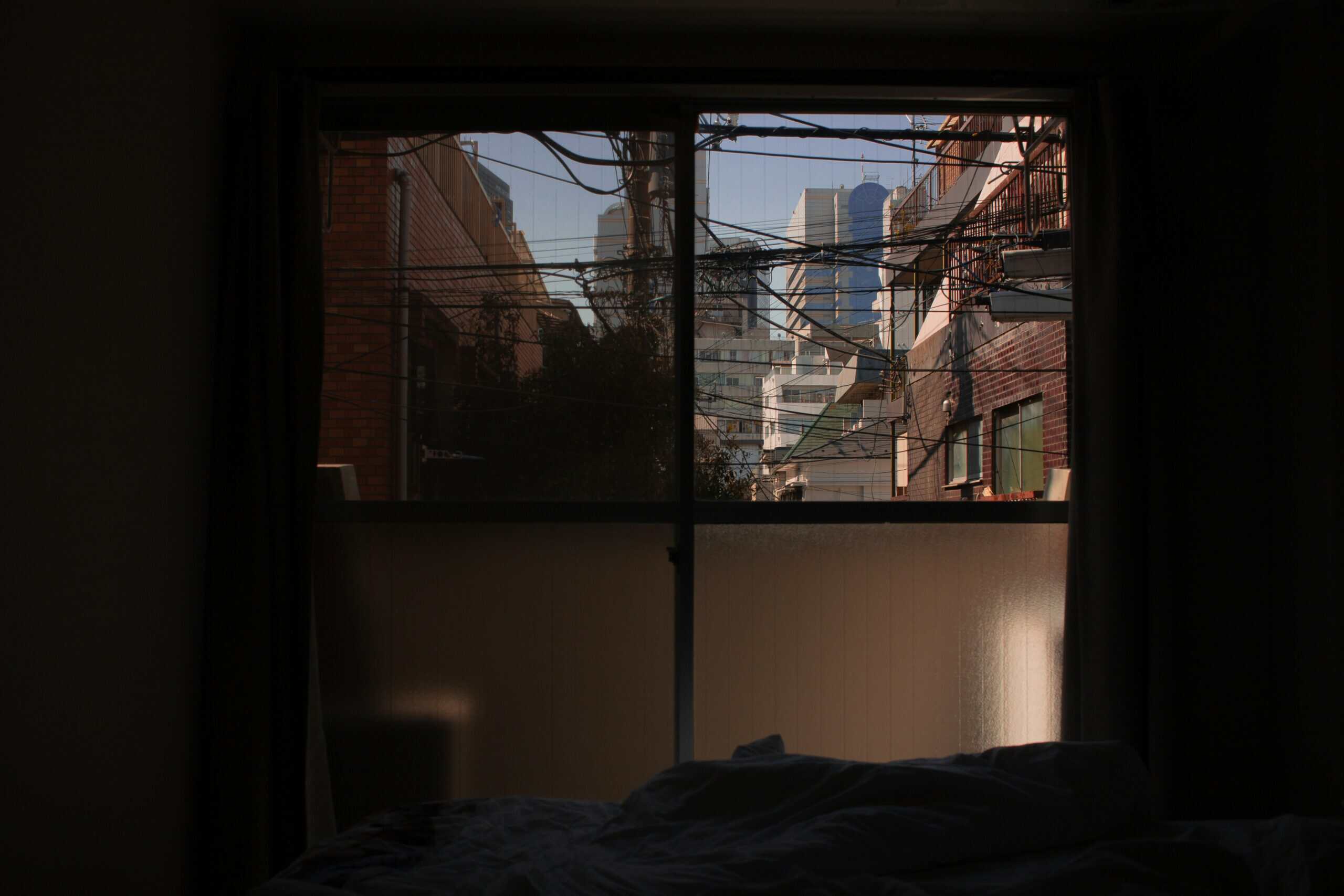
A blackout bed canopy creates darkness around the bed itself, which solves a problem curtains cannot: light arriving from inside the room. Hallway light under a door, a partner’s screen, a shared room, or a rental where you cannot mount anything to the window all leave you with a bright room and no way to fix it at the window. Enclosing the bed works regardless of where the light comes from. Our roundup of blackout curtains covers the window-side approach.
Medical Disclaimer
This covers sleep environment equipment rather than treatment. Nothing here treats migraine. Persistent sleep problems or worsening symptoms are worth raising with a doctor, since sleep disturbance and headache disorders often interact.
Sleep Canopies at a Glance
| Type | Coverage | Airflow | Best for |
|---|---|---|---|
| Full blackout bed tent | Encloses the whole bed | Vents, needs checking | Shift workers, shared rooms |
| Blackout canopy drape | Sides and top, open ends | Good | Reducing light without enclosure |
| Bunk or single-bed tent | One bed | Vents | Kids, dorms, single sleepers |
| Portable travel blackout tent | Small, packs down | Limited | Hotels and travel |
| Ceiling-mounted canopy | Drapes around the bed | Best | Permanent setups |
| Blackout room divider | One side or corner | Unrestricted | Studios and shared rooms |
The short version: a full bed tent gives the most darkness and the least airflow, and a canopy drape trades some darkness for a much less enclosed feeling. Ventilation is the specification that decides whether you can actually sleep in one, so check it before anything else.
How We Picked
Canopies are grouped by how completely they enclose the bed, since that determines both the darkness achieved and how the space feels to sleep in. Ventilation is weighted heavily throughout, because an enclosed fabric space around a sleeping person gets warm and stuffy faster than most people expect.
Selection criteria reflect coverage, fabric opacity, mounting method, and airflow design. Descriptions come from product research rather than from nights spent inside a particular canopy.
1. A Full Blackout Bed Tent, Best Overall
Why It Stands Out
A tent that encloses the mattress on all sides delivers the deepest darkness available short of blacking out an entire room. For a night shift worker sleeping through daylight, or anyone sharing a room with someone on a different schedule, that is the whole point.
Enclosure also cuts some light-adjacent disturbance, since a closed fabric wall blocks a partner’s screen glow as effectively as a window.
Worth Knowing
Heat and stuffiness are the real limitation. An enclosed fabric space warms up around a sleeping person, and a tent with inadequate mesh vents becomes unpleasant within an hour. Check the ventilation panels before buying, since this is what most complaints are about.
Assembly is also a genuine job, and most of these are not something you put up and take down casually. Our roundup of bedroom fans covers moving air where a canopy restricts it.
This suits shift work and shared rooms. Skip it if you sleep hot or feel confined easily.
2. A Blackout Canopy Drape, Best Compromise
Why It Stands Out
Drapes hang from a frame or ceiling track and cover the sides and top while leaving the ends open, which cuts most incoming light without sealing you in.
The open design means airflow is barely affected, which removes the main practical objection to enclosing a bed at all.
Worth Knowing
You will not get complete darkness. Light finds the open ends, and the result is a substantial reduction rather than the near-total blackout a sealed tent gives.
Fabric weight matters more than the blackout claim, since thin fabric marketed as blackout still glows in direct sun. Our note on setting up a recovery room covers the wider arrangement.
This suits most people wanting less light without enclosure. Skip it if you need total darkness.
3. A Single-Bed or Bunk Tent, Best for Small Beds
Why It Stands Out
Tents sized for a single bed or a bunk are considerably cheaper and easier to fit than full-size versions, and they suit dorms, shared kids’ rooms, and anyone sleeping alone.
Smaller enclosures also mount more securely, since there is less fabric to sag between supports.
Worth Knowing
Bunk models attach to the frame, so compatibility depends on your specific bed rather than a standard size. Measure before ordering.
Smaller enclosed volume also means the air inside warms faster, making ventilation more rather than less important. Our roundup of white noise machines covers the other half of a shared-room sleep problem.
This suits singles, dorms, and bunks. Skip it for a shared double bed.
4. A Portable Travel Blackout Setup, Best Away From Home
Why It Stands Out
Hotel rooms are notoriously bad for light, with gaps down the middle of curtains and standby LEDs on every device. Portable blackout kits with suction panels and clips address that in a bag you can carry.
Most weigh little and pack flat, which makes them practical for anyone who travels and knows a bright room will cost them a night.
Worth Knowing
These cover windows rather than enclosing a bed, so they are a different product solving a related problem. Full travel bed tents exist and are bulky enough that few people carry them.
Suction cups fail on textured or dusty glass, so bring clips as a backup. Our guide to travel kits covers what else belongs in that bag.
This suits frequent travel. Skip it if you rarely sleep away from home.
5. A Ceiling-Mounted Canopy, Best for Permanent Setups
Why It Stands Out
Mounting to the ceiling rather than the bed frame gives a canopy that hangs cleanly, does not move when you do, and looks deliberate rather than improvised.
Ceiling mounting also keeps the fabric well clear of your face, which addresses the confined feeling that puts people off enclosed designs.
Worth Knowing
This means drilling into a ceiling, which rules it out in most rentals and needs fixing into a joist rather than plasterboard alone.
It is also a permanent-feeling change to a room, so worth being confident the approach helps before committing. Try a frame-mounted version first if you are unsure.
This suits owned homes and settled setups. Skip it if you rent.
6. A Blackout Room Divider, Best for Shared Spaces
Why It Stands Out
A heavy blackout divider across a room or corner creates a dark sleeping zone without enclosing the bed, which suits studios, shared rooms, and anyone who wants darkness without a canopy overhead.
Dividers also block a light source at its origin rather than at the bed, so one panel can solve a hallway door or a partner’s desk.
Worth Knowing
Coverage is partial by design. Light still arrives from other directions, so this works when there is one dominant source and less well when there are several.
Tension rods and freestanding frames both need checking for stability, since a divider that falls in the night is its own problem. Our roundup of sleep masks covers the smallest version of the same idea.
This suits studios and single-source light problems. Skip it if light comes from everywhere.
What to Look For in a Sleep Canopy
How well does it ventilate?
This is the specification that decides whether you keep using it. Mesh panels at both ends, or a design that leaves the ends open, prevent the stuffiness that ends most bed tent experiments.
Where is the light coming from?
Window light is better solved at the window. Canopies earn their place when light comes from inside the room, which curtains cannot address.
Can you mount it where you live?
Ceiling fixings need joists and landlord permission. Frame-mounted and freestanding options work in rentals without any of that.
How does enclosure feel to you?
Some people find an enclosed bed calming and some find it claustrophobic, and there is no way to know in advance. A canopy drape is the lower-commitment way to find out.
Canopy or Curtains?
The case for curtains
They address light at the source, cost less, need no assembly, and change nothing about how the bed feels. For light coming through a window, this is the first thing to try. If curtains are the simpler route, the panel sizing calculator shows what full coverage takes.
The case for a canopy
It works on light curtains cannot reach, including hallway spill, screens, and shared rooms, and it works in rentals where the window cannot be modified. The trade is airflow and the enclosed feeling. Our guide to making a bedroom migraine friendly covers combining both.
Common Mistakes to Avoid
Ignoring ventilation
An enclosed fabric space warms quickly around a sleeping person. Tents without proper mesh panels get abandoned within weeks, and the ventilation design is what to check first.
Buying a canopy for window light
If the problem is a bright window, curtains or a blackout blind solve it more cheaply and with no effect on airflow. Canopies are for light curtains cannot stop.
Trusting the blackout label
Thin fabric described as blackout still glows in direct sun. Fabric weight and layer count matter more than the marketing term.
Enclosing a child’s bed without checking safety guidance
Bed tents for children have their own safety considerations around ventilation and entrapment. Check the manufacturer’s age guidance rather than adapting an adult product. Our note on migraine in children covers what parents should know more generally.
Worth reading next: our sleep mask picks, notes on night lights, our blackout window film roundup, and a guide to light sensitivity, and choosing a migraine pillow.
Sleep Canopy FAQ
Do blackout bed tents actually make the bed dark?
A properly sealed one gets close to complete darkness, which is more than blackout curtains achieve in a room with any internal light source. Canopy drapes with open ends reduce light substantially rather than eliminating it, and that is the trade for better airflow.
Do bed tents get hot?
Yes, and this is the most common reason people stop using them. An enclosed fabric space warms around a sleeping person, so mesh ventilation panels are the specification to check before anything else. A fan nearby helps considerably.
Are they safe to sleep in?
Adult bed tents from reputable makers include ventilation for this reason. Children’s versions have additional considerations around entrapment and airflow, so follow the manufacturer’s age guidance rather than adapting an adult product for a child.
Will a canopy help if my problem is a bright window?
Curtains or a blackout blind solve that more cheaply and without restricting airflow. Canopies earn their place when light comes from inside the room, such as a hallway, a partner’s screen, or a shared space where you cannot control the lighting.
Can I put one up in a rental?
Frame-mounted and freestanding canopies need no fixings and work anywhere. Ceiling-mounted versions require drilling into joists, which most tenancies do not allow. Check what your setup permits before choosing a mounting type.
Does darkness actually matter for migraine?
Light sensitivity is common during attacks, and sleep disruption is a frequently reported trigger. The American Migraine Foundation notes that sleep and migraine are closely linked, with poor sleep able to trigger attacks and attacks able to disrupt sleep1. Improving the sleep environment is a reasonable thing to do for both reasons, though a dark room is not a treatment and will not prevent attacks on its own.
What if I find enclosed spaces uncomfortable?
A canopy drape with open ends gives most of the light reduction without the sealed feeling, and it is the lower-commitment way to find out how you react. A sleep mask is a smaller step again if a canopy feels like too much.
When should I talk to a doctor?
If sleep problems persist despite environment changes, if attacks are becoming more frequent, or if you are consistently waking with headache. Sleep disorders and headache disorders interact in both directions, and comorbid sleep disorders are worth assessing and treating in their own right2 rather than working around with equipment.
When should I see a doctor about light sensitivity?
See a doctor if light sensitivity is new, persistent between attacks, or comes with eye pain, redness or vision changes. Ongoing photophobia can have causes outside migraine and is worth an evaluation. Darkening a room helps you cope with the symptom rather than treating what is producing it.
Sources
- American Migraine Foundation, “Sleep Disorders and Headache.” https://americanmigrainefoundation.org/resource-library/sleep/
- Rains JC, “Sleep and Migraine: Assessment and Treatment of Comorbid Sleep Disorders,” Headache: The Journal of Head and Face Pain, PubMed. https://pubmed.ncbi.nlm.nih.gov/29517802/
