
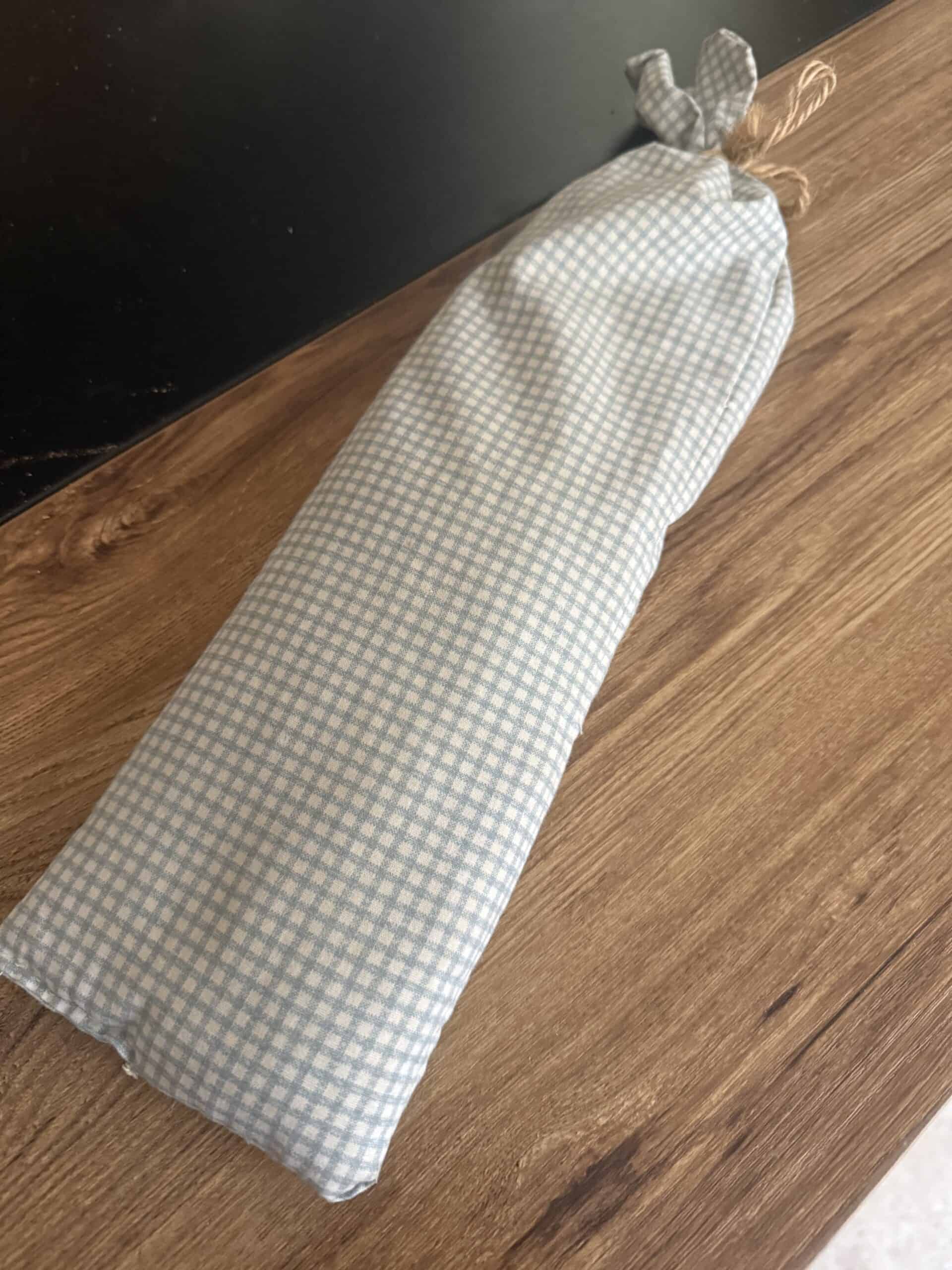
To use heat for the muscle tension that can come with a migraine, warm a microwavable heat wrap and rest it on the tense area, like the neck or head, for gentle, comforting warmth. Heat is a common self-care approach some people reach for when tight neck and shoulder muscles accompany a migraine, and a microwavable wrap makes it simple to apply. This is what I use and how I use it, framed as one person’s routine rather than medical advice.
This article is for general information and is not medical advice. Heat is a comfort measure, not a treatment. If you have migraines or persistent head or neck pain, talk to a qualified healthcare professional.
Key Takeaways
- Heat is a common comfort measure for muscle tension.
- A microwavable wrap warms in the microwave and holds heat a while.
- Some people rest it on the neck, shoulders, or head.
- It is a comfort tool, not a migraine treatment.
- Persistent or severe symptoms warrant a doctor’s input.
Why People Use Heat for Tension
Migraines are often accompanied by tight, tense muscles in the neck and shoulders, and heat is a long-standing, general comfort measure for muscle tension. Warmth applied to a tense area is something many people find soothing, which is why heat wraps, heating pads, and warm compresses are common in a migraine-tension toolkit. It is important to frame this correctly: heat is a comfort measure for the muscular tension side of things, not a treatment for migraine itself. Whether it helps is individual, and it sits alongside, not in place of, the guidance of a healthcare professional. Warm compresses for migraine tension cover the category. Our roundup of reusable eye compresses covers the products for doing this around the eyes.
What a Microwavable Heat Wrap Is
The wrap I use is a soft fabric pouch filled with a heat-retaining material, likely beads or a similar filling, that you warm in the microwave. Once heated, the filling holds warmth for a while, and the fabric spreads a gentle, even heat over whatever area you rest it on. These wraps are popular because they are simple: no cords, no plugging in, just microwave and use. The long, narrow shape of mine drapes over the neck and shoulders easily, though a wrap like this can rest on other tense spots too. It is a low-tech, uncomplicated way to apply warmth. Neck wraps for migraine relief cover similar products.
How I Use Mine
Here is my own routine with it, offered as one person’s usage rather than a prescription. When I have neck tension, I heat the wrap in the microwave for about a minute and ten seconds, which brings it to a warmth I like. From there it stays warm for roughly twenty to thirty minutes, which is long enough to rest with it comfortably. I have used it on my neck when that is where the tension sits, and I have also rested it on my head. It drapes over the neck and shoulders well given its shape.
A couple of honest notes on using it. Straight out of the microwave it can be quite hot, and it could be too hot for some people right away, though I happen to like it that way. If you are more sensitive to heat, letting it cool for a moment or placing a layer of fabric between the wrap and your skin is sensible. Mine also has a scent I find pleasant, which some of these wraps do. What I can speak to is the comfort of the warmth and how I use the wrap; what heat does or does not do for a migraine itself is individual and a question for a healthcare professional, not something my routine can answer. Foam rollers for migraine tension cover another tension tool.
Where to Apply It
People use warmth on the areas where migraine-related tension tends to gather. The neck and shoulders are common spots, since tightness there often accompanies a migraine, and a long wrap drapes over them naturally. Some people rest a warm wrap on the head or forehead for comfort as well. There is no single right placement; it is about where your tension sits and where the warmth feels soothing. Because sensation and comfort are individual, the sensible approach is gentle warmth on the tense area, adjusting placement to what feels comforting to you rather than following a rigid rule. Neck massagers for migraine relief cover another approach to neck tension.
Heat Versus Cold
Heat and cold are both used for migraine-related discomfort, and they are different tools. Heat tends to be reached for on muscle tension, where warmth feels soothing to tight muscles, which is what I use my wrap for. Cold, from ice packs or cold caps, is what other people prefer, often for a different kind of relief. I keep them separate: I use the heat wrap for tension and have ice packs for when I want cold instead. Which one a person prefers, and when, is individual, and some people use both at different times. There is no universal answer, so it comes down to what feels comforting to you in the moment. Cold therapy caps cover the cold side.
Using Heat Sensibly
A few sensible points round this out. Warmth should be comfortable, not painful, so avoid applying heat that is too hot for your skin, and use a fabric layer if a wrap is very hot straight from the microwave. Heat is a comfort measure that sits alongside your overall migraine management, not a replacement for it, and it does not address what is causing your migraines. If migraines are frequent, severe, or changing, that is a matter for a healthcare professional, who can look at the bigger picture and help with management. Used as one comforting tool among others, a heat wrap is a simple thing to have on hand, with the understanding that comfort and treatment are not the same. Finding a migraine specialist covers getting professional help.
Recommended Reading
Worth reading next: warm compresses for migraine tension, heating pads for tension, neck wraps for migraine relief, and migraine triggers.
How to Use Heat for Migraine Tension FAQ
How do I use heat for migraine tension?
Warm a microwavable heat wrap and rest it on the tense area, such as the neck or shoulders, for gentle, comforting warmth. Heat is a comfort measure for muscle tension, not a migraine treatment. Keep the warmth comfortable rather than too hot, and see a doctor for persistent symptoms.
Does heat help migraines?
Heat is a common comfort measure for the muscle tension that can accompany a migraine, and some people find warmth soothing for tight neck and shoulder muscles. Whether it helps is individual, and it is a comfort tool rather than a treatment. A healthcare professional can advise on managing migraines.
What is a microwavable heat wrap?
It is a soft fabric pouch filled with a heat-retaining material, often beads or a similar filling, that you warm in the microwave. Once heated, it holds warmth for a while and spreads gentle heat over the area you rest it on. It needs no cords or plugging in.
How long does a heat wrap stay warm?
It varies by wrap and how long you heat it. The one I use holds warmth for roughly twenty to thirty minutes after about a minute in the microwave, which is one owner’s experience rather than a rule. Reheat it when it cools if you want more warmth.
Where should I put a heat wrap?
People rest warmth on where their tension sits, commonly the neck and shoulders, and some use it on the head or forehead. A long wrap drapes over the neck and shoulders naturally. There is no single right spot; place it where the warmth feels soothing to you.
Should I use heat or cold for a migraine?
Both are used, and they are different tools. Heat tends to be reached for on muscle tension, while cold, from ice packs or cold caps, is what others prefer. Which you like, and when, is individual, and some people use both at different times depending on what feels comforting.
When should I see a doctor?
See a healthcare professional if your migraines are frequent, severe, or changing, or if you have new symptoms. Heat is a comfort measure that does not address what is causing migraines. A professional can look at the bigger picture and help with proper management beyond comfort tools.
Recommended Reading
Sources
- Headache Classification Committee of the International Headache Society. The International Classification of Headache Disorders, 3rd edition. Cephalalgia. 2018;38(1):1-211. https://ichd-3.org/
- American Headache Society. Position Statement on Integrating New Migraine Treatments Into Clinical Practice. Headache. 2019;59(1):1-18. https://americanheadachesociety.org/
- US Food and Drug Administration. Drugs@FDA database, migraine therapeutic class. https://www.accessdata.fda.gov/scripts/cder/daf/
