
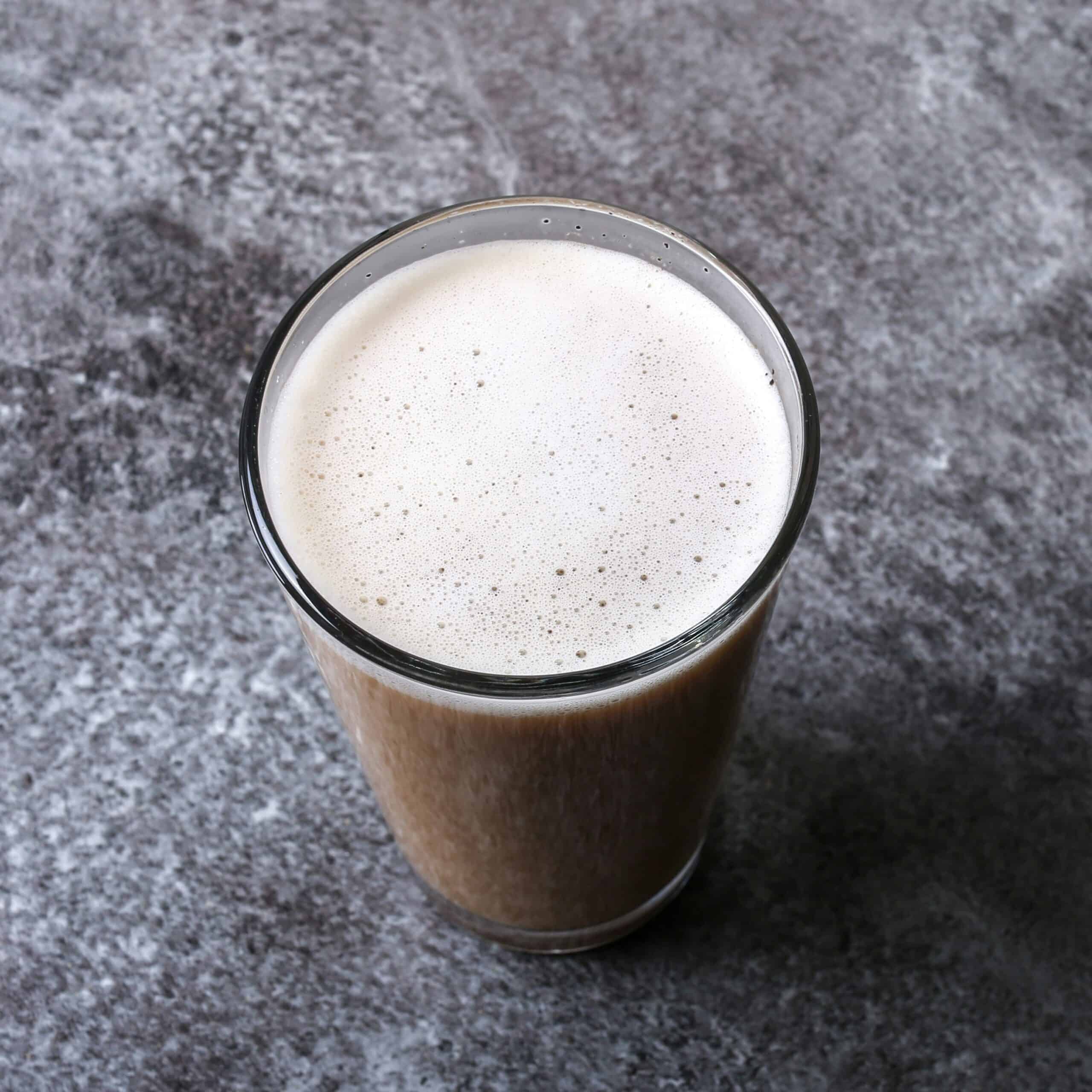
A packed afternoon can swallow lunch whole, and the next real meal may sit hours away. That is where meal replacement shakes earn a spot in a bag, a desk drawer, or a car door pocket. They exist to cover a gap, not to replace the habit of eating well.
People living with migraine often watch their eating rhythm closely. Long stretches without food come up constantly in patient forums, alongside water intake and sleep timing. Many readers here have already looked at steadier snack options and now want a drinkable backup.
This guide compares six categories of shake rather than six brands. Category thinking survives reformulations, stock changes, and price swings.
Medical Disclaimer
This article offers general information and does not amount to medical advice, diagnosis, or treatment. Meal replacement shakes do not substitute for a balanced diet, and they do not substitute for medical care from a qualified clinician. Anyone with diabetes, a swallowing disorder, or food allergies should speak with a doctor or a registered dietitian before relying on shakes, and the same applies to anyone who is pregnant. A clinician can also review interactions with existing medication.
Quick Verdict
Ready-to-drink shakes suit unpredictable days because they need no prep. Powdered mixes cost less per serving and allow more control. High-protein and low-sugar formulas serve narrower goals, while plant-based options help with dairy sensitivity. Shelf-stable pouches win on packability for an already crowded bag.
Key Takeaways
- Ready-to-drink bottles remove every barrier between a missed meal and something in the stomach.
- Powdered mixes usually deliver the lowest cost per serving for regular, planned use.
- Ingredient labels matter more than the marketing language on the front panel.
- The American Migraine Foundation lists diet and dehydration among its ten named migraine triggers.
- A shake covers a gap in a day; it does not replace balanced meals over months.
- Anyone managing a medical condition should confirm a choice with a clinician first.
How We Picked
This roundup rests on desk research rather than hands-on trials. No product was purchased or consumed for this article. Every observation reflects published ingredient information, category descriptions, and widely reported buyer feedback.
Categories came first. Shoppers rarely start with a brand name; they start with a format problem. Someone who cannot mix a powder at a job site needs a bottle instead.
Nutrition claims stay general throughout. Specific figures shift between flavors, sizes, and reformulations, so quoting them would mislead readers within months.
Migraine context comes only from the American Migraine Foundation resource listed at the end. Nothing here claims a shake prevents, shortens, or treats a migraine attack. Readers wanting background can review what is actually known about meal timing.
1. A Ready-to-Drink Shake, Best Overall
Why It Stands Out
A sealed bottle asks nothing of the person drinking it. There is no shaker to rinse, no scoop to find, and no water source to locate. On a day that already went sideways, that absence of friction decides whether nutrition happens at all.
Most ready-to-drink formulas aim for a rounded profile, combining protein, carbohydrate, fat, and added vitamins and minerals. That balance is why this format stands in for a meal rather than a snack.
Worth Knowing
Convenience carries a price premium. Per serving, bottles usually cost noticeably more than the equivalent powder, and the gap widens for daily drinkers.
Taste varies sharply between flavor lines within one brand. Buying a single bottle before a case avoids a costly mistake. Warm bottles also taste flatter than chilled ones.
This format suits commuters, shift workers, caregivers, and anyone whose schedule breaks without warning. It also helps people too queasy to face solid food. Anyone drinking these as a main food source should involve a dietitian instead.
Check Price on Amazon2. A Powdered Shake Mix, Best Value
Why It Stands Out
Powder gives the best cost per serving here, usually by a wide margin. One tub covers many servings and stores compactly. For a daily habit, that arithmetic adds up across a year.
Control is the second advantage. Thickness, temperature, and liquid base all sit in the drinker’s hands.
Worth Knowing
Powder requires water, a container, and about a minute of attention. That sounds trivial until the missed meal happens on a train platform. Portable shaker bottles help, though they need washing afterward.
Mixing quality varies. Some powders dissolve with a few shakes, while others clump without a blender ball. Reviews mentioning texture tend to be more useful than reviews mentioning flavor.
Powders suit home and office routines with a kitchen nearby, and they reward planning ahead. They fit poorly for travel days and job sites without running water. Anyone who dislikes cleaning equipment will quietly abandon this format.
Check Price on Amazon3. A High-Protein Shake, Best for Staying Full
Why It Stands Out
Protein-forward formulas tend to feel more satisfying than lighter drinks. That fullness matters when the next real meal sits several hours out.
These products also appeal to anyone already tracking protein for training or recovery. One purchase then covers a post-workout drink and a meal stand-in.
Worth Knowing
Higher protein sometimes arrives alongside a chalkier texture. Formulas built around certain isolates taste drier than balanced blends. Chilling the drink and shaking it thoroughly both help.
Protein content does not automatically make a product a complete meal. Some high-protein drinks skip the broader vitamin and mineral coverage. Reading the label settles the question.
This category suits active people and readers who find lighter shakes leave them hungry an hour later. It suits people with kidney concerns far less well, and those readers should ask a clinician first. Pairing a shake with an electrolyte drink is a separate decision.
Check Price on Amazon4. A Low-Sugar Shake, Best for Steady Energy
Why It Stands Out
Low-sugar formulas appeal to readers watching carbohydrate intake for medical or personal reasons. Many people also prefer a less sweet drink midday.
These products often lean on fiber and fat rather than sugar for staying power. That combination can feel steadier, though individual response varies.
Worth Knowing
Low sugar usually means added sweeteners of some kind. Sugar alcohols and non-nutritive sweeteners both appear often here. Some people digest these comfortably and some do not, so trial one bottle first.
The label wording rewards care. Phrases on the front rarely match the detail in the nutrition panel.
This format suits anyone advised to moderate sugar intake, though people with diabetes should treat that as a clinical conversation rather than a purchase decision. It also suits readers who dislike very sweet drinks. It suits poorly anyone sensitive to sugar alcohols.
Check Price on Amazon5. A Plant-Based Shake, Best for Dairy Sensitivity
Why It Stands Out
Plant-based shakes remove dairy from the equation entirely. That helps people with lactose intolerance, dairy allergies, or a vegan diet.
Formulations usually build on pea, soy, rice, or blended plant proteins. Blends generally deliver a rounder amino acid profile than a single source.
Worth Knowing
Texture and flavor differ noticeably from dairy versions. Pea protein carries an earthy note that some drinkers like and others do not. Chocolate and coffee flavors mask it better than vanilla.
Plant-based does not mean allergen-free. Soy remains a common allergen, and shared facility warnings appear on many labels.
This suits vegans, people avoiding dairy, and readers who find whey-based drinks sit heavily. It suits people with multiple plant allergies far less, since the ingredient lists run long. Those readers may do better with a dietitian’s input.
Check Price on Amazon6. A Single-Serve Shelf-Stable Pouch, Best for Travel
Why It Stands Out
Pouches and sachets solve the packing problem. They weigh little, survive a crowded bag, and fit in a jacket pocket. That makes them the easiest format to carry every day.
Single servings also remove portioning. There is no scoop, no guesswork, and no half-used tub going stale.
Worth Knowing
Most pouches still need liquid and a container. A collapsible bottle turns them from theoretical into practical.
Cost per serving sits between bottles and tubs, closer to bottles. Packaging drives most of that difference. Buying a multipack narrows the gap somewhat.
This format suits frequent travelers, clinic visits, hiking days, and anyone building a kit for unpredictable schedules. It works less well as a daily habit at home, where a tub costs less. Readers assembling a broader kit may want portable kit essentials alongside it.
Check Price on AmazonMeal Replacement Shakes at a Glance
| Category | Prep Needed | Best Setting | Main Tradeoff |
|---|---|---|---|
| Ready-to-drink shake | None | Car, desk, commute | Highest cost per serving |
| Powdered shake mix | Liquid and shaker | Home or office kitchen | Needs prep and cleanup |
| High-protein shake | Varies by format | Long days, active routines | Texture can feel chalky |
| Low-sugar shake | Varies by format | Carbohydrate-conscious routines | Sweeteners suit some poorly |
| Plant-based shake | Varies by format | Dairy-free diets | Distinct flavor and texture |
| Shelf-stable pouch | Liquid and container | Travel and bag kits | Middling cost, extra packaging |
What to Look For in a Meal Replacement Shake
Does the Label Describe a Complete Meal?
Products marketed as meal replacements usually carry broad vitamin and mineral coverage. Protein drinks and snack shakes often do not, even when the packaging looks similar.
Serving size deserves equal attention. Some panels describe half a bottle or half a scoop.
How Does the Ingredient List Open?
Ingredients appear in descending order by weight, so the first few entries tell most of the story. A list opening with a protein source reads differently from one opening with a sweetener.
Length alone means little. Many added vitamins carry long chemical names that look alarming without being a concern.
Will the Format Survive a Real Week?
The best product is the one still being used in a month. A powder needing a blender fails on a busy Tuesday. A bottle that never fits the bag gets left at home.
Matching format to routine beats optimizing nutrition on paper. Consider where the missed meals actually happen, then buy for that place.
Does It Fit Alongside Hydration?
The American Migraine Foundation names dehydration among its ten listed migraine triggers, alongside diet, stress, and irregular sleep. A shake contributes some fluid, though it does not replace regular water intake.
Many readers pair a shake with a bottle they refill on a schedule. Options include bottles built for consistent sipping. Understanding how fluid intake fits the picture helps set expectations.
Shakes vs Keeping Snacks On Hand
Where Shakes Win
A shake delivers rounded nutrition in one action, with no chewing and no assembly. That helps when appetite is low or nausea makes solid food unappealing.
Shelf life adds another advantage. Sealed bottles and sachets last months in a drawer, while fresh snacks rarely manage a week.
Where Snacks Win
Whole foods bring fiber, variety, and a texture experience that drinks cannot match. They usually cost less and involve less packaging. For most people they should stay the default.
Snacks also avoid the trap of treating a shake as normal eating. A backup should feel like a backup.
What Trips People Up
Treating a Shake as an Upgrade
Meal replacements are a fallback, not an improvement on eating properly. Using them to skip meals deliberately inverts their purpose. The goal stays regular, balanced eating with a backup for exceptions.
Buying a Case Before a Bottle
Flavor and texture preferences are stubbornly personal. A twelve-pack of something unpalatable simply sits in a cupboard.
Ignoring the Allergen Statement
Milk, soy, and tree nuts all appear commonly across these products. Formulas also change without any change to the packaging design. Rechecking the statement on each new purchase takes seconds.
Skipping Water Alongside
A shake is not a substitute for drinking water through the day. The American Migraine Foundation names dehydration on its list of ten triggers, and diet sits on that same list. Steady fluid intake is easier to track with a simple written record.
Related Reading
- calming drink options
- ginger for queasy days
- nausea support products
- apps that log patterns
- organizers that keep doses straight
Frequently Asked Questions
Do Meal Replacement Shakes Prevent Migraine Attacks?
No product in this guide prevents, shortens, or treats a migraine attack, and nothing here should be read that way. Shakes are a nutrition backup for days when a meal gets missed. The American Migraine Foundation names diet among its ten listed triggers, but that is a broad category rather than a claim about any drink.
Is Skipping Meals a Recognized Migraine Trigger?
Irregular eating and long gaps between meals come up constantly in patient discussions and support communities. That reflects lived experience rather than a settled scientific conclusion. The American Migraine Foundation lists diet on its top ten, and its named triggers are stress, irregular sleep schedule, hormones, caffeine and alcohol, weather changes, diet, dehydration, light, smell, and medication overuse.
Can a Shake Replace More Than One Meal a Day?
Some products are formulated for that use, and others are not. Relying on shakes for most daily intake is a nutrition decision rather than a shopping decision. A doctor or registered dietitian should guide any plan involving multiple daily replacements over an extended period.
Which Format Works Best for an Unpredictable Schedule?
Ready-to-drink bottles and single-serve pouches both handle unpredictability well. Bottles need nothing at all, while pouches pack smaller but require liquid and a container. People with a genuinely chaotic week often keep both, with bottles in the car and pouches in the bag.
Are Plant-Based Shakes Nutritionally Weaker?
Modern plant-based formulas built on blended protein sources compare closely with dairy versions on paper. Differences appear more often in taste and texture than in nutrition coverage. Reading the vitamin and mineral panel on both candidates gives a clearer answer than the marketing.
How Should Someone Store These Products?
Sealed bottles and sachets keep well at room temperature until the date marked on the packaging. Opened powder tubs prefer a cool, dry cupboard with the lid closed firmly and the scoop kept inside. Chilling a bottle before drinking improves the taste considerably without affecting the nutrition.
Do Shakes Count Toward Daily Fluid Intake?
A shake contributes some fluid, though it should not replace water through the day. The American Migraine Foundation names dehydration among its ten triggers, and steady drinking habits matter independently of what gets eaten. Keeping a bottle within reach usually works better than trying to catch up later.
When Should Someone See a Doctor About This?
Anyone with diabetes, a swallowing disorder, food allergies, kidney disease, or a pregnancy should discuss meal replacements with a clinician before relying on them. Medical advice is also warranted for unexplained weight loss, persistent appetite loss, or repeated inability to eat. New, worsening, or unusually severe headaches deserve prompt medical attention rather than a dietary experiment.
Sources
- American Migraine Foundation. Top 10 Migraine Triggers and How to Deal with Them. americanmigrainefoundation.org
