
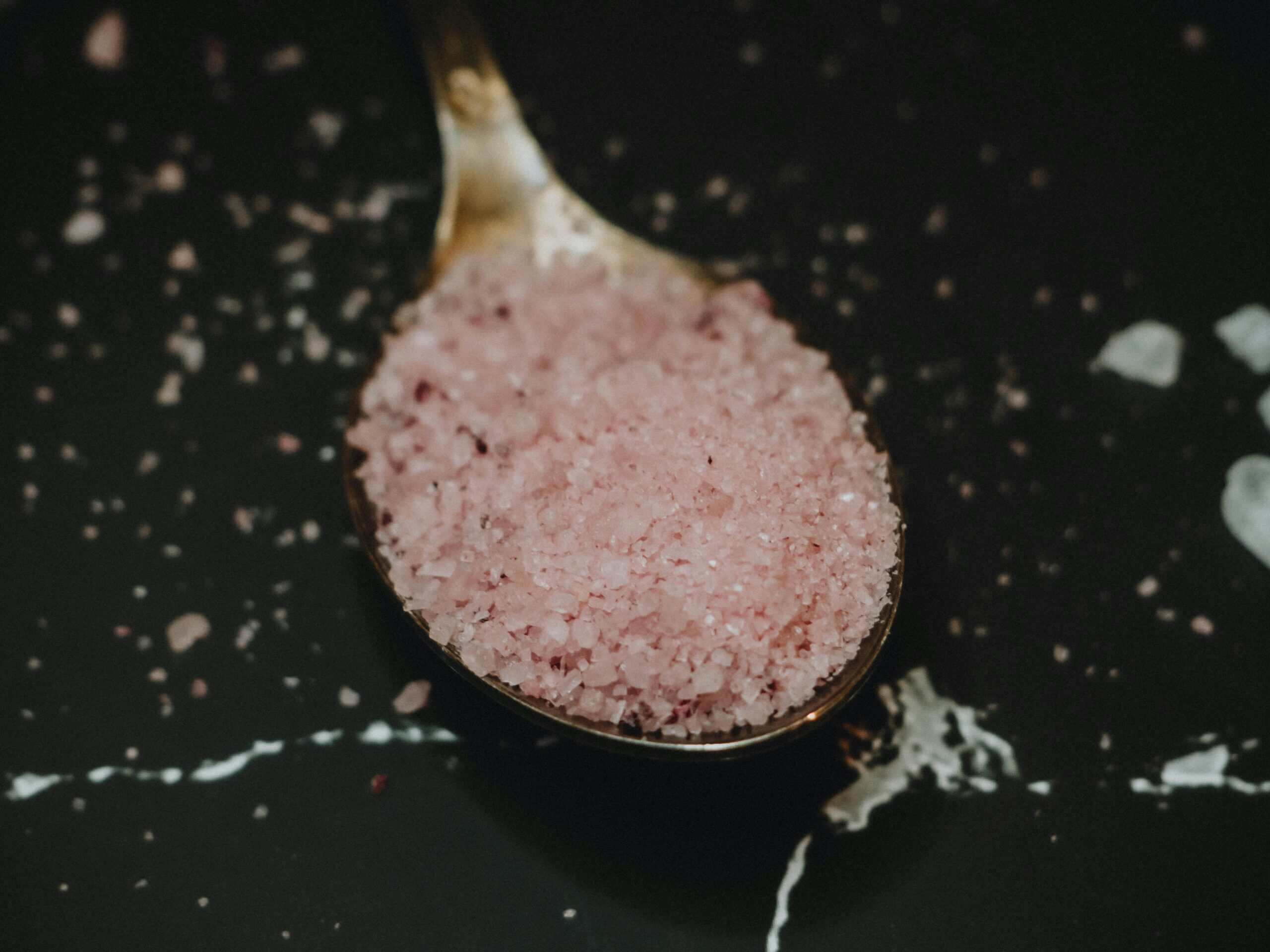
A warm bath will not stop a migraine attack, and no soak sold anywhere can honestly claim otherwise. Epsom salts and bath soaks earn a place for a narrower reason, which is that they anchor a calm, repeatable wind down routine. A plain unscented epsom salt suits most people best, because it is simple, easy to find, and carries no fragrance that could set off an attack.
Magnesium flakes work better for anyone who finds coarse salt rough on the skin, while a fragrance-free formula fits scent sensitivity or reactive skin. Lavender soaks appeal to plenty of people, although smell appears on the American Migraine Foundation’s list of ten common triggers. Stress sits first on that same list, so the routine matters far more than the label, which is why it helps to understand how stress builds into an attack.
Bath Soaks at a Glance
| Soak type | Best for | Scent | Main trade-off |
|---|---|---|---|
| Plain epsom salt | Most people, general soaking | None | Coarse texture can feel drying |
| Magnesium flakes | A softer, silkier water feel | None | Runs out faster |
| Lavender bath soak | People who enjoy scent | Lavender | Fragrance can trigger attacks |
| Fragrance-free sensitive formula | Scent sensitivity and reactive skin | None | Plainer, with fewer ingredients |
| Mineral blend soak | Variety and a spa style routine | Varies by product | More label checking |
| Foot soak formulation | Short routines, no full bath | Varies by product | Far less whole body warmth |
Medical Disclaimer
This article offers general information and is not medical advice. Hot baths are not appropriate for everyone, including people with cardiovascular conditions, low blood pressure, or anyone who is pregnant. Heat also worsens some people’s attacks rather than easing them, and that response varies widely from person to person. Anyone managing migraine, taking medication, or living with another health condition should ask a doctor before adding heat, soaking, or any magnesium product to a routine.
Key Points
- A bath soak is a relaxation routine, not a treatment for migraine.
- There is no good evidence that soaking in magnesium salts raises body magnesium in any meaningful way.
- The American Migraine Foundation’s Level B rating covers oral magnesium oxide in pill form, not anything stirred into bathwater.
- Stress is first on the AMF list of ten common triggers, which is the defensible reason to build a calm bath routine.
- Heat makes some people’s attacks worse, so a soak deserves a cautious trial rather than a standing habit.
- Fragrance matters, because smell also appears on that same list of ten triggers.
How We Picked
This guide is research based. It draws on published guidance from the American Migraine Foundation, ingredient labels, and the practical differences between salt formats sold for bathing.
Product categories came first, brands second. Bath salts vary far more by format and fragrance than by manufacturer, so a category framing gives a more useful picture than a brand ranking.
Fragrance carried heavy weight in the ordering. Since smell sits on the AMF trigger list, unscented options rank higher for a migraine audience than they would for a general wellness audience.
Evidence claims stayed narrow on purpose. Nothing here suggests that a soak prevents attacks, and the separation between oral magnesium and bathwater magnesium runs through every section below.
1. A Plain Epsom Salt, Best Overall
Why It Stands Out
Plain epsom salt is magnesium sulfate and nothing else. That short ingredient list removes the two variables most likely to cause trouble, which are added fragrance and added dyes.
The appeal is the ritual rather than the chemistry. Warm water relaxes tight shoulder and neck muscles, and that tension often travels with head pain.
Worth Knowing
Coarse crystals can feel abrasive if they land on skin before dissolving. Stirring the salt into running water solves that easily. Some people also find epsom salt drying, so a light moisturizer afterward helps.
No study supports the idea that magnesium moves from bathwater into the bloodstream at useful levels. Anyone interested in magnesium for prevention should read about oral magnesium supplements instead.
Plain epsom salt suits almost anyone starting out, especially people who want a low cost option with nothing extra in it. Skip it if dry skin is already a problem or if unscented products feel too plain to hold a routine together.
Check Price on Amazon2. An Unscented Magnesium Flake Soak, Best for a Softer Soak
Why It Stands Out
Magnesium flakes are magnesium chloride, a different salt with a noticeably different feel. They dissolve quickly and leave water that feels softer and slightly slippery. People who dislike the gritty texture of epsom salt usually prefer them straight away.
Unscented versions keep the same advantage that plain epsom salt has. Nothing in the bag competes with a sensitive nose.
Worth Knowing
Flakes absorb moisture from the air, so the bag needs sealing after each use. Storage in a dry cupboard prevents most of that.
Marketing around flakes leans hard on skin absorption claims. Those claims outrun the evidence, and the sensible framing stays the same as with epsom salt, which is comfort and routine.
Flakes suit people with dry or easily irritated skin who find epsom salt harsh. Anyone happy with a basic soak can skip them, since the practical benefit is texture rather than anything measurable.
Check Price on Amazon3. A Scented Lavender Bath Soak, Best for a Wind Down Routine
Why It Stands Out
Scent is a powerful cue for winding down, and lavender is the most common choice in bath products. For people who tolerate fragrance well, a consistent evening smell can mark the end of the day clearly. That cue supports sleep habits, which sit close to migraine management.
Worth Knowing
Smell appears on the American Migraine Foundation’s list of ten common triggers alongside stress, irregular sleep, hormones, caffeine and alcohol, weather changes, diet, dehydration, light, and medication overuse. That places scented soaks in an awkward position for this audience. A trial on a low symptom day is far safer than a first attempt mid attack.
Strength varies enormously between products, and labels rarely say how concentrated a blend is. Starting with a small scoop keeps the room from becoming overwhelming.
A lavender soak suits people with no history of scent sensitivity who want a stronger ritual. Anyone who reacts to perfume, candles, or cleaning products should skip this category entirely and choose an unscented option.
Check Price on Amazon4. A Fragrance-Free Sensitive-Skin Soak, Best for Scent Sensitivity
Why It Stands Out
Fragrance-free formulas are built for people whose skin or nose reacts to almost everything else. Labels are short, dyes are absent, and masking fragrances are left out too. That last detail matters, because unscented and fragrance free are not always the same thing.
For a migraine audience this category removes an entire variable. Nothing about the product itself can act as a smell trigger.
Worth Knowing
Some products marketed as sensitive still include botanical extracts. Reading the full ingredient list is the only reliable check.
These soaks pair well with other low stimulation tension routines, including a warm compress across the shoulders afterward. Neither approach treats migraine, and both simply help muscles let go.
This category suits anyone with eczema-prone skin, perfume sensitivity, or a history of scent triggered attacks. People who need scent to enjoy a bath will find these products underwhelming.
Check Price on Amazon5. A Bath Soak with Added Minerals, Best for Variety
Why It Stands Out
Mineral blends mix epsom salt with sea salt or other mineral salts. The result feels a little different in the water and looks more like a spa product. For people who lose interest in plain routines, variety keeps the habit alive.
Worth Knowing
Longer ingredient lists mean more chances for a hidden fragrance. Checking the label before the first bath avoids an unpleasant surprise.
Mineral content varies between products, and none of it changes what a bath can do for migraine. Anyone building a broader heat routine will get more from a guide on using heat for tension than from a mineral chart.
Mineral blends suit people who already enjoy baths and want the routine to feel like a genuine break. Skip them if fragrance is a concern or if a short label is the priority.
Check Price on Amazon6. A Foot Soak Formulation, Best for Short Sessions
Why It Stands Out
A foot soak needs a basin, a kettle of warm water, and a few minutes. That low setup cost makes it realistic on days when a full bath feels like too much. It also fits people without a bathtub at home.
Warmth at the feet feels calming even though it reaches far less of the body. Many people use the time to sit still, which is often the actual benefit.
Worth Knowing
Foot soaks deliver much less whole body warmth than a bath. For neck and shoulder tension specifically, a heating pad targets the area far more directly.
People with diabetes or reduced foot sensation need medical guidance before soaking, since heat injuries can go unnoticed. A warm shower is another low effort alternative when standing feels easier than sitting.
Foot soaks suit people short on time, space, or energy who still want a warm routine. Anyone chasing upper body muscle relief should choose a different tool.
Check Price on AmazonWhat to Look For in a Bath Soak
Is the ingredient list short?
Short lists are easier to judge and easier to trust. Magnesium sulfate or magnesium chloride on its own tells a clear story. Long lists demand more reading and carry more chances for a trigger.
Is the product genuinely fragrance free?
Unscented sometimes means a masking fragrance was added to hide a raw material smell. Fragrance free usually means no fragrance ingredients at all. For scent sensitive readers, that difference is the whole decision.
How easily does it dissolve?
Fine salts and flakes dissolve faster than coarse crystals. Undissolved grains feel scratchy underfoot and can irritate skin.
Does the format fit the routine?
A large bag suits frequent bathers, while single use sachets suit occasional ones. Matching format to habit keeps a product from going stale in a cupboard, much like choosing between a bath and a neck wrap based on what actually gets used.
Epsom Salt vs Magnesium Flakes
What is chemically different?
Epsom salt is magnesium sulfate, and flakes are magnesium chloride. Flakes dissolve faster and leave a softer, slightly slippery texture.
Does the difference matter for migraine?
No meaningful difference exists for migraine, because neither raises body magnesium in any established way. The choice comes down to skin comfort, texture preference, and cost per bath. Anyone hoping for a magnesium effect should look at oral options and discuss them with a physician.
Common Misconceptions
Does magnesium absorb through the skin during a bath?
This claim appears on countless product pages, yet the supporting evidence is thin. No reliable research shows that soaking raises magnesium levels in the body to a degree that would matter.
Does the Level B rating apply to bath soaks?
It does not. The American Migraine Foundation explains that magnesium oxide is frequently used in pill form to prevent migraine, usually at 400 to 600 mg per day, and that in 2012 professional organizations gave magnesium a Level B rating meaning probably effective and worth considering for patients needing preventive therapy. That rating describes an oral pill, and it says nothing about bathwater.
Is a hotter bath a better bath?
Hotter is not better, and for some people heat makes an attack worse. Comfortable warmth is the sensible target, and stepping out early is always allowed. Some people find that cold suits them more, which is covered in this look at whether cold helps neck tension.
Can a soak replace preventive treatment?
No soak substitutes for prescribed prevention or acute medication. A bath addresses stress and muscle tension, which is useful support rather than therapy. The American Migraine Foundation advises discussing magnesium with a physician, and the same caution applies to any change in a migraine routine.
Worth reading next: a warm soak pairs naturally with other tension routines, so it helps to compare notes on foam rolling tight upper back muscles and scalp massagers. For deeper muscle work, percussive massage devices cover a different need. Meanwhile gentle neck traction targets stiffness higher up the spine.
Frequently Asked Questions
Do epsom salts and bath soaks help with migraine tension?
They can help indirectly by supporting relaxation and easing tight neck and shoulder muscles. No soak prevents or treats migraine itself, and no evidence supports a magnesium effect from bathing. Stress ranks first on the American Migraine Foundation’s list of ten common triggers, so a calm routine is the defensible reason to try one.
Does magnesium pass through skin during a bath?
Product marketing says yes, but the research does not back that up. There is no good evidence that soaking in magnesium salts raises body magnesium to a level that would affect migraine. Anyone buying a soak should buy it for comfort and routine rather than for magnesium delivery.
Is oral magnesium different from a bath soak?
Completely different. The American Migraine Foundation describes magnesium oxide taken as a pill for prevention, usually at 400 to 600 mg per day, and notes that magnesium received a Level B rating in 2012 meaning probably effective. That evidence belongs to the pill and does not transfer to bathwater in any form.
Can a warm bath make a migraine worse?
Yes, for some people heat aggravates an attack rather than easing it. Responses vary a great deal, and the only way to know is a careful trial when symptoms are mild. Anyone who feels worse in the water should stop, cool down gradually, and treat heat as unsuitable for them.
Are scented soaks a bad idea?
Not automatically, though they carry a real risk for this audience. Smell appears on the AMF list of ten common triggers, so a scented product can undo the benefit of the bath. People with any history of perfume or candle sensitivity should choose a fragrance-free formula instead.
How often can a soak fit into a week?
That depends on skin tolerance, schedule, and how the body responds to heat. Regular short soaks tend to work better as a habit than occasional long ones. Skin dryness is the usual limiting factor, and reducing frequency or adding moisturizer afterward normally solves it.
Do foot soaks work as well as a full bath?
They deliver far less whole body warmth, so the effect on shoulder and neck tension is smaller. Their advantage is convenience, since a basin needs no tub and very little setup. For people short on time or space, a realistic foot soak beats a bath that never happens.
When should someone see a doctor about migraine?
Any sudden, severe, or unfamiliar headache needs prompt medical attention, as does a headache with fever, confusion, weakness, vision loss, or a stiff neck. Rising attack frequency, increasing painkiller use, or a clear change in pattern all warrant an appointment. The American Migraine Foundation also advises discussing magnesium with a physician before starting it.
Sources
- American Migraine Foundation. Magnesium and Migraine. americanmigrainefoundation.org
- American Migraine Foundation. Top 10 Migraine Triggers and How to Deal with Them. americanmigrainefoundation.org
