
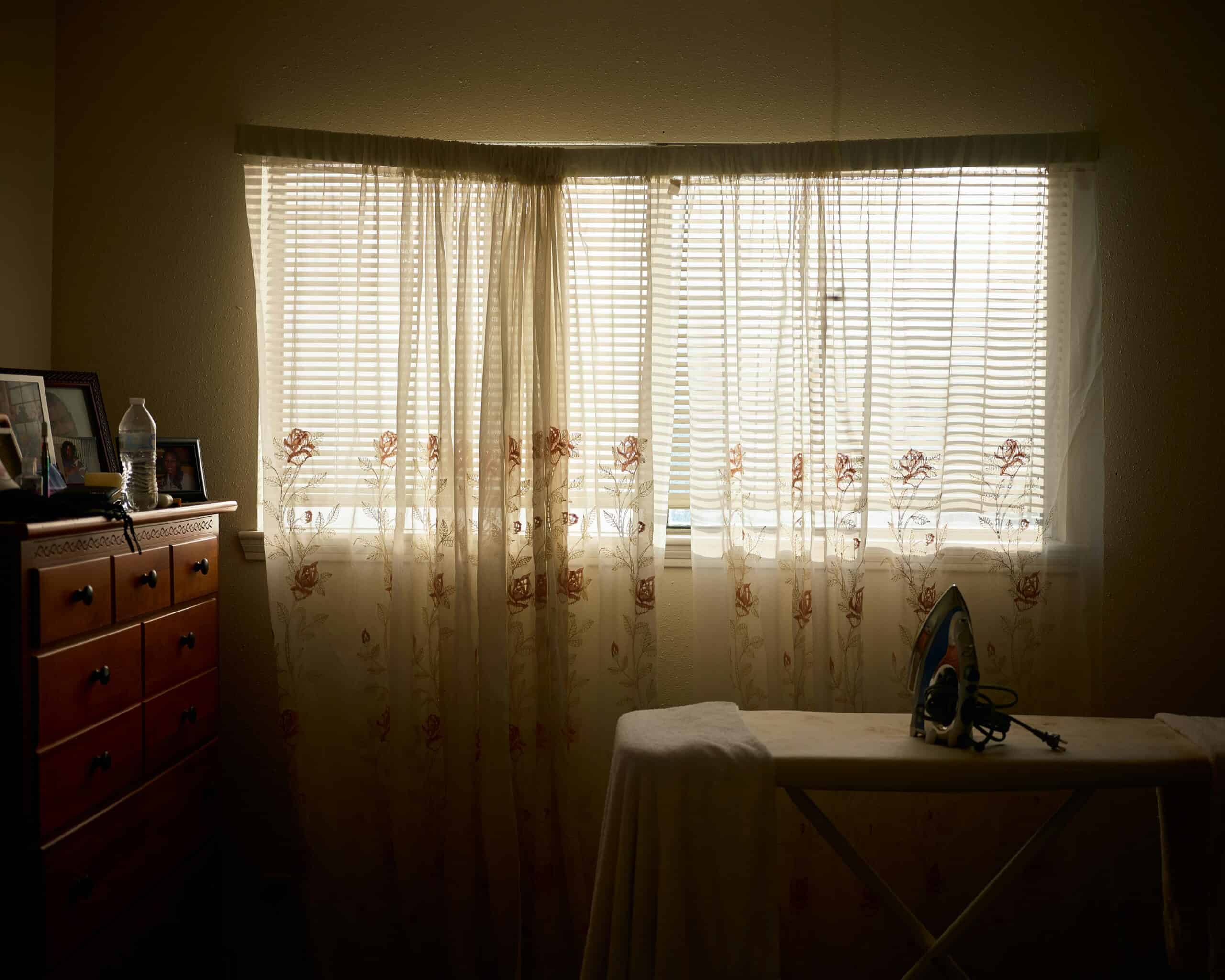
There are only three things you can do about sound, and knowing which one you are attempting saves a lot of wasted effort. You can block it at your ears, absorb it in the room, or mask it with something steadier.
Most people reach for the third without trying the first two, and masking works least well during an attack because it adds sound rather than removing it. Our note on noise cancelling headphones for migraines covers why sensitivity spikes. Our note on why do smells bother me more during a migraine covers that in more detail.
Medical Disclaimer
This is general information about managing symptoms, not medical advice. Migraine needs diagnosis and treatment from a doctor, and environmental measures support treatment rather than replacing it. Sudden severe headache, fever, confusion, weakness, or vision changes require immediate medical attention.
Quick Answer
Block at the ears with plugs or over-ear protection, absorb with soft furnishings and closed doors, and mask only if steady sound helps you rather than adding to the problem.
Blocking at the Ears
This is the fastest and most effective option during an attack, because it works regardless of what the room is like.
Foam earplugs are cheap and reduce a broad range of sound. They take a moment to insert properly, rolled thin and held until they expand, and most people underestimate how far in they should go.
Over-ear defenders block more and some people find the pressure around the head uncomfortable during an attack, which is worth knowing before relying on them.
Noise-cancelling headphones work well against steady low-frequency sound like traffic or fans, and less well against sudden or high-frequency noise. Worn without audio they are effectively quiet ear cups. Our roundup of earplugs covers the options.
Absorbing Sound in the Room
Soft surfaces
Carpet, rugs, curtains, and upholstered furniture absorb sound where hard floors and bare walls reflect it. A room that echoes is a room that will feel louder. Our note on best hotel room setup for migraine covers that in more detail.
Heavy curtains
These dampen sound coming through windows and block light at the same time, which addresses two migraine symptoms with one object.
Close doors
A closed internal door reduces sound noticeably, and a towel along the bottom gap does more than it sounds like it should.
Choose the right room
An interior room away from the street is quieter than the one you happen to sleep in. Our roundup of sound-dampening curtains and rugs covers materials.
Masking, and Why It Often Fails
White noise and fans work by covering irregular sounds with a constant one, which prevents startling but adds to the total sound in the room.
During an attack with active phonophobia, that added sound is frequently unbearable rather than soothing. The technique works considerably better for prevention and for sleep than during acute pain.
Some people do find steady sound helpful mid-attack, and it is worth trying at very low volume rather than assuming either way.
The useful case is masking unpredictable household noise so you are not startled repeatedly, which is a different problem from reducing overall volume. Our roundup of white noise machines covers those.
Where the Noise Actually Comes From
Identifying the source matters, because the three approaches work differently depending on what you are dealing with.
Outside noise from traffic, neighbors, and construction comes through windows and walls. Heavy curtains help, blocking at the ears helps, and moving to an interior room helps most.
Household appliances are frequently the worst offenders and the most controllable. Extractor fans, washing machines, and vacuum cleaners are all things that can simply wait.
Electronics produce low-level hum that goes unnoticed until sensitivity spikes. Chargers, routers, and standby lights all contribute, and switching off what is not needed costs nothing.
Your own household is usually the largest single contributor, which is why the conversation matters more than any product does.
Working through those four categories in order takes a few minutes and identifies what is actually worth addressing. Our roundup of quiet vacuum cleaners covers one common source.
The Household Is the Main Variable
Most noise during an attack comes from inside the home, and the people in it are the part you can most easily change.
Having the conversation before an attack works far better than trying to explain mid-attack, when speaking is difficult and being overheard is painful. Agreeing a signal in advance removes the need to negotiate.
Be specific about what actually helps. Television at low volume in another room, no vacuum, no door slamming, and knocking rather than calling out are concrete requests where being quiet is not.
Children need a version they can act on, and a visible sign on a door works better than a rule they have to remember.
Our roundup of soundproofing products covers the harder measures.
Preparing in Advance
The worst time to organize any of this is during an attack, when light hurts, thinking is hard, and moving makes pain worse.
Keep earplugs somewhere you can reach without getting up, and more than one pair in more than one place.
Set up the quiet room while you are well: curtains hung, a spare set of earplugs in the drawer, phone silenced by default at night.
Silence notifications rather than relying on remembering. A phone that buzzes during an attack is a small sound with a large effect.
Light and Sound Together
Light and sound sensitivity almost always arrive together, and the measures for each overlap enough that treating them as one problem is more efficient.
Heavy curtains block both, which makes them the single highest-value change to a room used during attacks.
A sleep mask plus earplugs covers both at the body rather than the room, works anywhere, and takes seconds to deploy. That combination is what most people end up relying on.
Screens are the overlooked case, since a phone emits light and produces notification sounds simultaneously. Putting it face down in another room addresses both at once.
Setting a room up for one and not the other leaves you managing the second problem at the point where thinking is hardest. Our roundup of blackout tents and canopies covers the light side.
What Not to Rely On
Consumer soundproofing products generally underperform their marketing. Foam panels sold for soundproofing mostly reduce echo within a room rather than blocking sound from outside it. Permanent changes are a separate project, covered in soundproofing a room.
Genuine soundproofing means mass and sealed gaps, which is construction work rather than something you stick to a wall.
Music through headphones adds sound and involves rhythm and variation, which many people find worse than silence during an attack.
And constant earplug use between attacks may not be helpful, since there is some concern that persistent sound blocking can increase sensitivity over time. Our note on migraine journals covers that.
Quieting a Room FAQ
What works fastest during an attack?
Earplugs or over-ear protection, because they work regardless of the room. Room measures matter for prevention and take longer to arrange.
Do noise-cancelling headphones help?
Against steady low-frequency sound like traffic and fans, yes. They do less against sudden or high-frequency noise, and worn without audio they act as quiet ear cups.
Should I use white noise during an attack?
It works better for prevention and sleep than during acute pain, since it adds sound rather than removing it. Some people find it helps at very low volume, so it is worth testing.
Does foam on the wall soundproof a room?
Not meaningfully. Acoustic foam reduces echo within a room rather than blocking sound from outside. Real soundproofing requires mass and sealed gaps.
What should I ask my household for?
Specific things rather than quiet generally: no vacuum, television low and in another room, knock rather than call out. Agree it before an attack rather than during one.
Can I use earplugs every day?
Worth discussing with your doctor. There is some concern that constant sound blocking may increase sensitivity over time, which is different from using them during attacks.
Which room should I use?
An interior room away from the street, with soft furnishings and heavy curtains. Set it up while you are well rather than trying to arrange it mid-attack.
When should I see a doctor?
For diagnosis of recurring headaches, if attacks change in pattern or frequency, or if sound sensitivity persists between attacks. Sudden severe headache with fever, confusion, or weakness needs emergency care.
Sources
- American Migraine Foundation. Managing migraine symptoms and environment. https://americanmigrainefoundation.org/resource-library/
- National Institute of Neurological Disorders and Stroke. Migraine information. https://www.ninds.nih.gov/health-information/disorders/migraine
- National Institute on Deafness and Other Communication Disorders. Noise and hearing protection. https://www.nidcd.nih.gov/health/noise-induced-hearing-loss
Recommended Reading
See our note on whether noise is a trigger or a symptom.
For the wider picture, see our guide to how to choose migraine glasses.
