
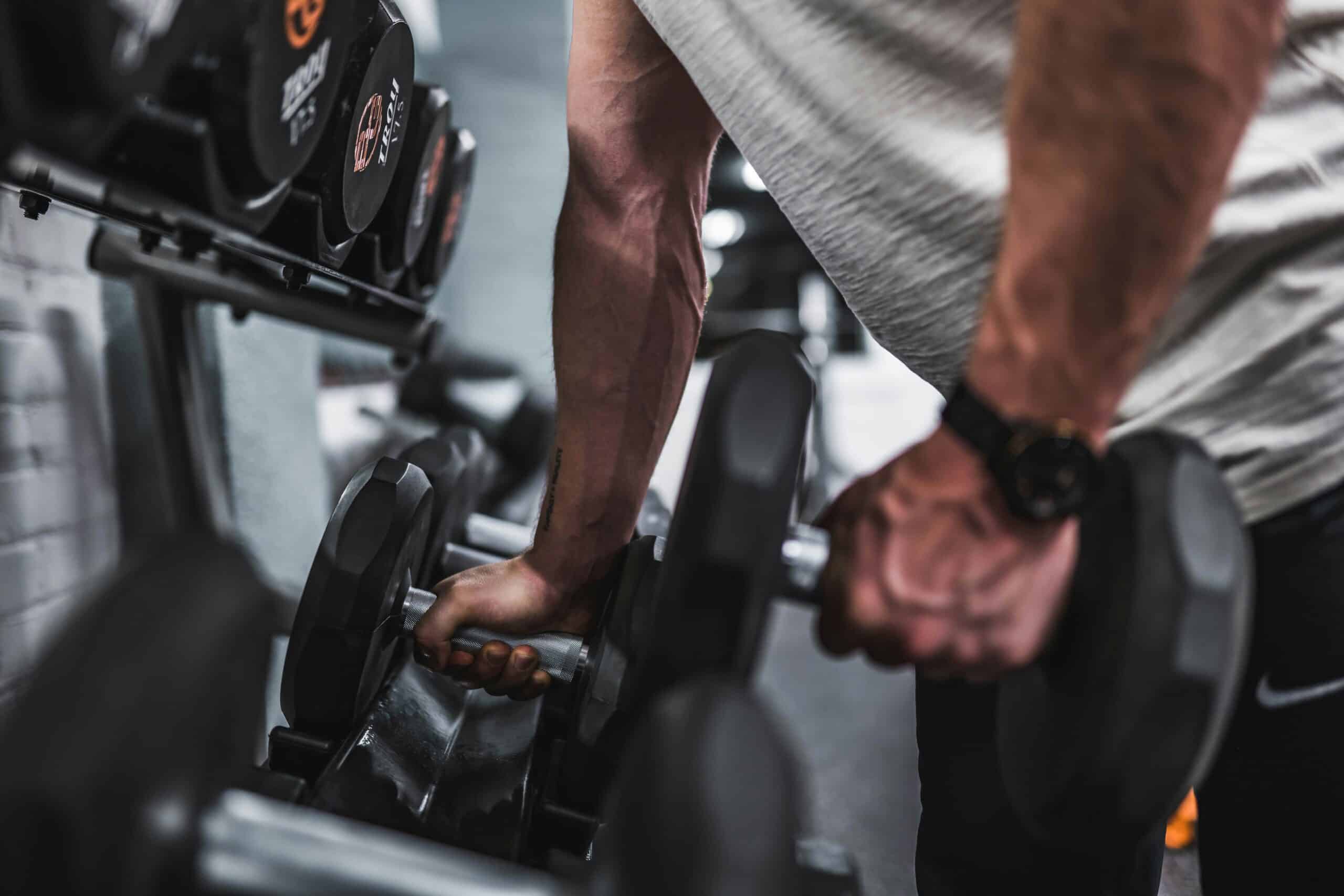
Exercise can trigger migraine attacks in some people, yet regular physical activity is also one of the most consistently recommended ways to reduce migraine frequency over time, so the relationship works in both directions. Understanding whether exercise can trigger migraines, and how to exercise more comfortably, can help you stay active. For the wider context, see our guide to top migraine triggers.
Medical Disclaimer
This article is for general information only and is not medical advice. Before starting or changing an exercise routine, especially if you have migraine or other health conditions, talk to a qualified healthcare professional about what is right for you.
Key Points
- Exercise can trigger attacks in some people, not all.
- Regular exercise may help reduce migraine frequency.
- Primary exercise headache is a recognized, separate type.
- Warming up and starting slowly may reduce the risk.
- Sudden, severe exertional headaches need medical evaluation.
Can Exercise Trigger a Migraine Attack?
Yes, for some people intense or sudden physical activity can bring on a migraine attack, but this does not happen to everyone, and it should not be a reason to avoid activity altogether. The American Migraine Foundation notes that exercise can trigger an attack in certain individuals while still being worth doing for its broader benefits. Susceptibility varies, and people with an inherited tendency toward migraine may be more prone to exercise-related headaches. The key is that being a possible trigger for some does not make exercise harmful overall, and for many people the long-term benefits outweigh the short-term risk.
Exercise as a Migraine Preventive
The more encouraging side of the research is that regular exercise appears to help reduce how often migraine attacks occur. Both the American Migraine Foundation and the National Headache Foundation state that regular exercise can help prevent attacks, and a 2018 review suggested that consistent activity may raise the threshold at which exercise itself triggers a migraine. The proposed reasons are practical: exercise reduces stress, improves sleep, and releases endorphins, the body’s natural painkillers, all of which are relevant to migraine. In other words, the same activity that occasionally triggers an attack can, done regularly, make attacks less frequent over time.
What Is Primary Exercise Headache?
Not every headache during exercise is a migraine. The American Migraine Foundation and Cleveland Clinic describe primary exercise headache, a distinct type brought on specifically by physical exertion such as running or weightlifting. Cleveland Clinic explains that exertion causes blood vessels to expand to allow more blood flow, and the resulting increase in pressure inside the skull is thought to cause the pain. These headaches can feel migraine-like, often throbbing and on one or both sides, and typically last anywhere from a few minutes to a couple of days. Recognizing this as its own category helps you and your doctor respond appropriately.
How to Reduce the Risk When Exercising
Several commonly recommended habits may lower the chance of an exercise-triggered attack. Warming up gradually before intense activity is frequently suggested, as easing into exertion may reduce the frequency and severity of these headaches. Starting slowly and building up over time, rather than jumping into strenuous workouts, is advice the American Migraine Foundation emphasizes. Staying hydrated before and after activity addresses a common companion trigger, and our guide on preventing dehydration migraines covers this. Eating adequately beforehand also matters, since low blood sugar from skipped meals is itself a recognized trigger.
Managing Stress, Sleep, and Hydration Together
Exercise rarely acts in isolation, which is part of why its net effect can be positive. Because regular activity improves sleep and lowers stress, two of the most common migraine triggers, it can chip away at the factors that stack up toward an attack. Our guide on how stress triggers migraines explains that connection. Pairing exercise with good hydration and consistent sleep tends to work better than exercise alone. For some people, replacing fluids and electrolytes after activity is helpful, and options like electrolyte drinks are sometimes used, though individual needs vary.
When Exercise Headaches Need Medical Attention
Most exercise-related headaches are not dangerous, but some warrant prompt evaluation. A sudden, severe headache during exertion, especially a first-time one or one accompanied by symptoms like vomiting, vision changes, confusion, loss of consciousness, or a stiff neck, should be checked by a doctor without delay, since these can signal a more serious secondary cause. Even for milder but recurring exercise headaches, the American Migraine Foundation advises seeing a doctor so other conditions can be ruled out. If you are unsure, it is always reasonable to seek medical advice, and our guide on finding a migraine specialist can help.
Building an Exercise Routine Gradually
For people worried that activity will trigger attacks, the gentlest path is a gradual one. The American Migraine Foundation emphasizes starting slowly and building tolerance over time rather than jumping into strenuous workouts. A common beginner approach is short, low-intensity activity like a five to ten minute walk, extended as comfort grows. Warming up before more vigorous exertion, staying hydrated, and eating enough beforehand round out the commonly recommended habits. The goal is to let your body adapt so that the threshold for an exercise-related attack rises, which is the mechanism researchers propose for why regular activity helps. Pacing yourself and listening to your body, easing off if you feel an attack coming, is more sustainable than pushing through and risking a setback.
Recommended Reading
- the top migraine triggers guide, the broader context.
- how stress triggers migraines, a factor exercise can ease.
- preventing dehydration migraines, stay hydrated when active.
- electrolyte drinks, replacing fluids after activity.
- finding a migraine specialist, when to get professional help.
- hair accessories that avoid headaches
- choosing a migraine supplement
Related reading: alcohol and migraines, screen time and migraines.
Exercise and Migraines FAQ
Why does exercise trigger my migraines?
Intense or sudden exertion can bring on an attack in susceptible people, and some experience primary exercise headache, thought to result from increased blood flow and pressure during exertion. Not everyone is affected, and warming up and starting slowly may reduce the risk.
Can regular exercise reduce migraine frequency?
Evidence suggests it can. The American Migraine Foundation and National Headache Foundation state that regular exercise can help prevent attacks, likely by reducing stress, improving sleep, and releasing endorphins. Consistency appears more beneficial than occasional intense sessions.
What type of exercise is best for migraine?
Gentle, consistent activity introduced gradually is commonly recommended, such as walking, before building to more. The best choice depends on the individual, so check with your doctor. Starting slow and pacing yourself helps reduce the risk of triggering an attack.
How can I prevent a migraine during exercise?
Commonly suggested steps include warming up gradually, starting slowly, staying hydrated, and eating adequately beforehand to avoid low blood sugar. These are general habits, not guarantees, and anyone with frequent exercise headaches should discuss them with a healthcare professional.
Is a headache after exercise serious?
Usually not, but it can be. A sudden, severe, or first-time exertional headache, or one with vomiting, vision changes, confusion, or neck stiffness, needs prompt medical evaluation to rule out serious causes. Recurring milder ones should also be discussed with a doctor.
When should I see a doctor about exercise headaches?
See a doctor for any sudden or severe exertional headache, recurring exercise headaches, or new and unusual symptoms. A professional can rule out other causes and help you exercise safely. Do not ignore a severe, first-time headache during exertion.
Should I stop exercising if it triggers migraines?
Not necessarily. Because regular exercise may reduce attack frequency over time, many people benefit from continuing with gentler, gradual activity rather than stopping. Discuss your situation with a doctor, who can help you find an approach that works for you.
Can dehydration during exercise cause migraines?
Yes, dehydration is a recognized migraine trigger and a common companion of exercise. Drinking water before and after activity, and replacing electrolytes when needed, addresses this. Staying hydrated is one of the simpler ways to reduce exercise-related risk.
The Bottom Line
Exercise sits on both sides of the migraine equation: it can trigger an attack in some people, yet regular activity is one of the better-supported ways to reduce how often attacks happen. The practical path is gradual, starting slow, warming up, staying hydrated, and pacing yourself so your body adapts. Sudden or severe exertional headaches, especially first-time ones, deserve prompt medical attention, but for most people the long-term benefits of consistent, gentle exercise are worth building toward with a doctor’s guidance.
Sources
Related: you exercise the day after a migraine.
