
A migraine emergency kit is a small, portable collection of the items you need most when an attack starts. Built well, it lets you respond in the first minutes (when intervention tends to be most effective) rather than scrambling for supplies while pain escalates. Built poorly, it’s a junk drawer that you never use because nothing in it is actually helpful when an attack hits.
This guide covers the categories every migraine kit benefits from, why each one belongs, and what to keep at home versus what to carry in a bag. Specific product mentions are research-voice and intended as starting points; what works varies enormously by individual.
Last updated: June 8, 2026 | By Austin Murphy
This article is informational only and does not constitute medical advice. Emergency kit items support self-management but do not replace prescribed migraine treatment from a qualified healthcare provider.
Key Takeaways
- An effective kit covers four categories: prescribed medications, sensory dampening tools, cooling tools, and comfort items.
- Keep one kit at home and a smaller portable version in the bag you always carry.
- Acute medication taken early in the headache phase is generally more effective than later doses.
- See a doctor for any new attack pattern, increased frequency, or attacks not responding to your kit’s usual approach.
This article is general information, not medical advice, and is not a substitute for diagnosis or treatment by a qualified healthcare professional. See a doctor about your own symptoms.
Why Build a Migraine Kit at All
Migraine attacks unfold quickly. The window when acute treatment is most effective is typically the first 30 to 60 minutes of the headache phase, before central sensitization fully develops[1]. By the time someone has stumbled around looking for medication, water, sunglasses, an ice pack, and a quiet room, much of that window has passed.
The kit solves a logistics problem. Everything you need lives in one place. Decisions about what to do are pre-made. The remaining work is just executing what you’ve already planned.
The Four Categories That Belong in Every Kit
A practical kit organizes around what each item does for an attack rather than what type of product it is.
Category 1: Prescribed acute medications
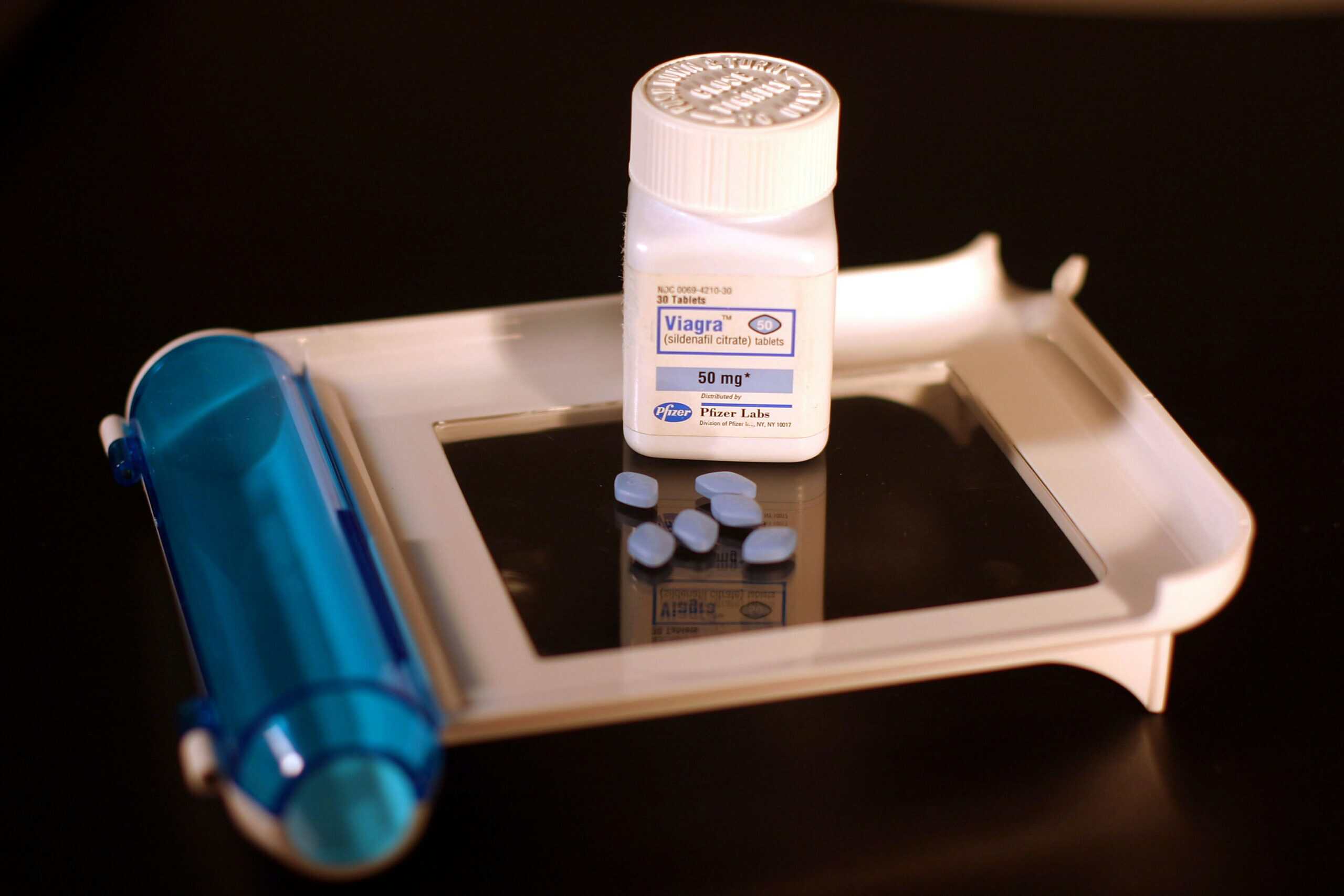
This is the priority category. Acute migraine treatments approved for use include over-the-counter NSAIDs, prescription triptans, gepants, ditans, and ergotamines, with antiemetics commonly used as adjuncts[1]. Whatever your prescribing physician has selected for you, that medication belongs in the kit. Backup doses for the bag you carry, primary supply at home.
Two practical notes: check expiration dates twice a year, and replace medications as they age out. An expired triptan in an emergency kit is a kit failure waiting to happen.
Category 2: Sensory dampening tools
Light and sound sensitivity worsen during attacks. Tools that reduce sensory input help the person tolerate the duration of the attack and may help shorten it by reducing the input load on an already overstimulated nervous system.
Useful items include FL-41 tinted glasses for photophobia, dark sunglasses for outdoor or fluorescent-lit environments, foam earplugs or noise-canceling earbuds for sound sensitivity, and an eye mask for sleeping through part of an attack.
For a deeper look at this category, our roundup of best migraine glasses for light sensitivity covers the specific options.
Category 3: Cooling tools
Cold therapy is one of the few non-pharmacological interventions with consistent anecdotal benefit across migraine sufferers. Cooling tools applied to the forehead, temples, or back of the neck provide vasoconstriction and counter-stimulation that many find helps reduce pain perception.
Useful items include a reusable gel ice cap or cold-wrap headband, smaller gel packs for temple application, a small towel to wrap ice packs (direct contact can cause skin damage). Our roundup of best ice caps and cold therapy products covers options across price ranges.
Category 4: Comfort items
Items that make riding out an attack more manageable. These don’t shorten attacks directly but they make the attack less miserable and may indirectly support sleep, which helps many people.
Useful items include peppermint roll-on for forehead and temple application, ginger candies or anti-nausea tablets, plain unsweetened crackers for the post-medication empty stomach, a small water bottle (dehydration prolongs attacks), and a small notebook or phone app for noting trigger details and attack duration.
What to Keep at Home vs Carry in a Bag
The home kit can be larger and more comprehensive. The portable kit should fit in whatever bag you carry daily and weigh almost nothing.
Home kit (full version): All four categories well-stocked. Multiple backup doses of acute medications. Multiple cold sources (gel cap plus separate ice packs). A larger eye mask. Heating pad for tension component relief. Heavier comfort items like a weighted blanket or aromatherapy diffuser.
Portable kit (minimum viable): Single dose of acute medication, FL-41 or dark sunglasses, one pair of foam earplugs, one peppermint roll-on or small balm, ginger candies. The portable kit should fit in a small zipper pouch the size of a paperback book.
Some sufferers also keep a “car kit” if they drive significantly: dark glasses, water bottle, an eye mask, a small towel, and a single emergency medication dose. The car kit lets you pull over safely and treat rather than continuing to drive through pain onset.
📑 Recommended Read: Building the kit is one part of attack management; identifying triggers is the upstream work. Check out our complete breakdown of top migraine triggers for the trigger-identification work that pairs with kit-based reactive treatment.
Common Kit Mistakes
Forgetting expiration dates. Acute medications lose potency. A kit you assembled three years ago and never refreshed may not actually work when you need it.
Buying products you’ve never tried before an attack. An attack is the wrong time to find out you don’t tolerate a new aromatherapy oil or that an eye mask presses on your sinuses uncomfortably. Test kit items between attacks.
Building a kit too large to be portable. A complete kit that lives at home and only at home is fine; an aspirational kit that’s too big to actually carry doesn’t help during attacks away from home.
Skipping the water bottle. Dehydration is a common trigger and aggravator. The water bottle in the kit isn’t optional.
Not telling family or coworkers where the kit is. If an attack incapacitates you, someone may need to bring the kit to you. Ensure trusted people know the location of the home kit.
Stocking only OTC pain relievers. If you have prescription migraine medication, it belongs in the kit. OTC analgesics alone may not be adequate for moderate-to-severe attacks.
Ignoring nausea preparedness. Many attacks include nausea, which can defeat oral medications. Antiemetic considerations should be discussed with your prescribing physician.
Building one universal kit and never adjusting. Travel kits, work kits, and home kits have different optimal contents. The traveler kit needs TSA-friendly liquid sizes; the work kit needs items that work in fluorescent lighting; the home kit can include heavier comfort items.
Kit Maintenance: The Twice-Yearly Audit
Set a recurring calendar reminder twice a year for kit maintenance. The audit is brief and prevents most kit failures.
Check expiration dates on all medications and replace anything close to expiring. Triptans in particular degrade faster than you might expect.
Restock single-use items like foam earplugs, ginger candies, and any disposable cooling items.
Recharge or refresh reusable items like rechargeable cooling caps and aromatherapy diffusers.
Update the kit list based on what you’ve learned. If you discovered a new tool that helps, add it. If something never gets used, remove it.
Test the location: can you actually grab the kit in under 30 seconds during an attack? If not, move it.
Coordinating Your Kit with Your Doctor’s Plan
The kit is reactive (what you do during an attack). It exists alongside your acute treatment plan (what medications, when, in what order, with what backup options) and your preventive plan (lifestyle, supplements, prescription preventives).
A useful conversation with your prescribing physician covers: which acute medications you should keep accessible, what dose you should take and when, what backup option to use if the first dose doesn’t help in 2 hours, when to add antiemetic support, and what the threshold is for going to an ER or urgent care rather than continuing self-management.
This conversation should be revisited periodically, especially if your attack pattern changes. The kit and the plan together work better than either alone.
When Your Kit Isn’t Enough
If you find your kit isn’t helping anymore, that’s information. The pattern often means the underlying migraine management needs adjustment, not that you need a better kit.
Signs the kit isn’t keeping up:
- Acute medications used to work and no longer do
- Frequency of attacks has increased significantly
- Duration of individual attacks has increased
- You’re approaching or exceeding medication overuse thresholds (10+ days per month for triptans or 15+ days per month for simple analgesics)
- Attacks are now featuring new symptoms not previously present
- The kit consistently doesn’t reduce pain by the time you’d previously have had relief
These patterns warrant a conversation with your prescribing physician about preventive treatment, dosing adjustments, or further evaluation.
When to See a Doctor
Several patterns warrant medical evaluation beyond kit-based self-management:
- Sudden severe headache reaching peak intensity within seconds or minutes
- First-ever severe headache, especially over age 50
- Headache with fever, stiff neck, confusion, or rash
- Headache with weakness, vision changes lasting beyond 60 minutes, speech difficulty, or numbness
- Pattern change: significantly more frequent, longer, or different in character
- Migraine not responding to acute medications that previously worked
- Approaching or exceeding medication overuse thresholds
- Pregnancy and a new pattern of headaches
- Attack lasting more than 72 hours unremittingly (status migrainosus)
- Increased reliance on emergency-room care for migraine
- Headache worsening with cough, exertion, or position changes
For information on building the team that supports kit-based self-management, our guide on how to stop a migraine fast covers the early-treatment window when kit contents work best.
Frequently Asked Questions
How much should a migraine emergency kit cost? The fixed costs (sunglasses, eye mask, ice cap, peppermint roll-on, earplugs) total roughly $50-100 for solid options. Prescribed medications are separate and depend on insurance.
What’s the single most important item? Your prescribed acute medication, if you have one. Everything else is supportive; the medication is the primary intervention for most people.
Should I keep medication in a labeled container in my kit? Keep medications in their original prescription bottles with labels intact. This is important if you need to show what you took at an emergency room or pharmacy. The original packaging also extends shelf life better than transferred storage.
What about supplements like magnesium or riboflavin? Some sufferers include daily preventive supplements, but these belong in your daily-supplement routine, not in an emergency kit. The emergency kit is for acute response.
Can I include alcohol-based rubs or essential oils? If you’ve tested them between attacks and tolerate them, yes. Some sufferers find peppermint or lavender helpful; others find essential oils trigger attacks. Personal testing required before kit inclusion.
Does it matter what bag the kit is in? Less than what’s inside. A small zipper pouch, makeup bag, or pencil case all work. Distinctive color helps locate the kit during an attack when visual processing is compromised.
Should children’s migraine kits be different? Yes. Medications should follow pediatric prescribing guidance, not adult OTC defaults. Cooling tools should be sized appropriately. Parents should keep and manage the kit for younger children rather than having the child manage it.
How often should the kit get used? If you have moderate-to-severe migraines, the kit may be used during most attacks. If kit use approaches double-digit days per month, that’s a signal to discuss preventive treatment with your physician rather than to expand the kit further.
This article is for general education and does not replace medical advice. Specific medication choices, doses, and treatment plans require evaluation by a qualified healthcare provider.
More Migraine Guides
Related: supplies for a migraine emergency kit.
Sources
- Ailani J, Burch RC, Robbins MS; Board of Directors of the American Headache Society. The American Headache Society Consensus Statement: Update on integrating new migraine treatments into clinical practice. Headache. 2021;61(7):1021-1039. View source
Documented history helps when you cannot speak. Medical ID options and what to engrave covers when one is worth wearing.
