
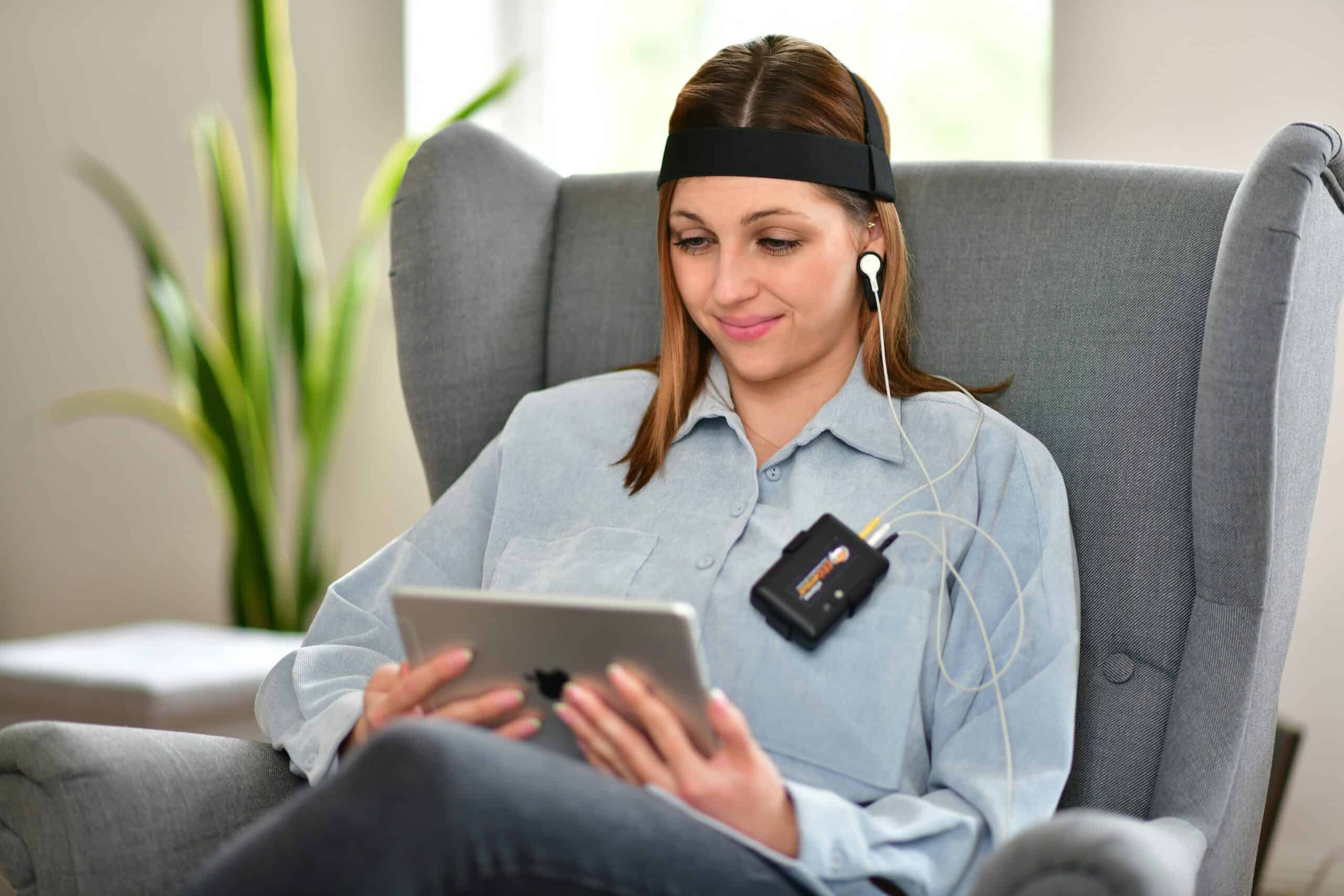
As someone who gets migraines, I’ve tried most categories of drug-free intervention. The best migraine relief bands work on the P6 acupressure point at the inside of the wrist, with research showing meaningful effects for the nausea that often accompanies migraine attacks. Five Amazon picks below across elastic bands, electrical stimulation devices, and bracelet-style options, with what the research actually says about which symptoms they help and which they don’t.
This is not medical advice. Migraines are a complex neurological condition; talk to your doctor or neurologist about your treatment plan before adding any new intervention.
Quick Verdict:
- Best for people whose migraines come with significant nausea: a basic elastic acupressure wristband at the P6 point has the strongest research backing for nausea relief and costs about ten dollars.
- Who should skip this: people expecting migraine bands to stop the headache itself; the research supports nausea relief, not pain reduction from pressure alone.
Why Acupressure Bands Get Studied for Migraines Specifically
The P6 point sits about three finger-widths down from the wrist crease on the inside of the forearm, between the two tendons. In traditional Chinese medicine, stimulating this point is associated with reducing nausea and vomiting.
Modern research has tested whether the effect is real. Multiple controlled studies show meaningful nausea reduction from P6 stimulation in pregnancy, post-surgery, chemotherapy, and motion sickness contexts.
The research on migraine specifically is smaller but suggestive. Migraine nausea responds to P6 stimulation similarly to nausea from other causes; what the bands don’t reliably do is reduce the migraine pain itself.
This matters for setting expectations. If your migraines come with significant nausea, an acupressure band targets a real symptom with research backing.
The five picks below cover the categories that actually exist. Basic elastic bands, adjustable plastic alternatives, daily-wear bracelet styles, mid-tier electrical stimulation devices, and premium FDA-cleared electrical devices.
What to Look for in a Migraine Relief Band
Pressure Mechanism: Bead, Plate, or Electrical
Basic elastic bands have a small plastic bead that sits on the P6 point. Adjustable plastic bands like Psi Bands have a hard plate instead.
Electrical stimulation devices deliver low-level electrical pulses to the P6 area through skin contact pads. Each mechanism has trade-offs in comfort, effectiveness, and price.
Adjustability for Correct Placement
P6 placement is specific. The bead or stimulation point needs to sit exactly at the right spot for the band to work.
Elastic bands stretch but don’t adjust precisely; if the band sits too tight or too loose, the bead moves off the point. Adjustable bands and bracelets place the contact more precisely but cost more.
Wear Duration and Skin Comfort
Migraine attacks last hours to days. A band uncomfortable enough that you take it off after twenty minutes isn’t useful.
Soft elastic feels better than hard plastic on most skin; cotton-blend bands breathe better than synthetic; electrical devices need to be repositioned every few hours to prevent skin irritation.
FDA Clearance and Research Backing
Some migraine relief bands carry FDA clearance as medical devices (Reliefband and EmeTerm are examples). Others are marketed as accessories without medical claims.
FDA clearance doesn’t prove a device works for migraine specifically; it means the manufacturer met certain safety and labeling standards. Look for products with both clearance and published research backing.
Compatibility With Other Interventions
Bands should work alongside your other migraine treatments, not replace them. The right band complements oral medications, cold therapy, dark-room rest, and your existing treatment plan.
If a product’s marketing suggests it replaces other interventions, treat that with skepticism. Talk to your doctor about how any band fits into your overall plan.
1. Sea-Band Acupressure Wristbands, Best Budget Pick
Best basic acupressure wristband | Price: ~$10
Sea-Band is the original P6 acupressure wristband and the product most research studies have actually tested. Knit elastic with a small plastic bead that presses on the P6 point when the band is positioned correctly.
The research backing matters. Sea-Band specifically (not generic alternatives) has been studied in pregnancy nausea, post-operative nausea, and motion sickness contexts with positive results.
The limitations are real. Elastic bands stretch over time, the bead can shift off the P6 point with arm movement, and the fixed sizing doesn’t fit every wrist precisely.
Key Features
- Knit elastic construction
- Plastic bead at the P6 contact point
- Comes as a pair (one for each wrist)
- Available in different sizes for adult and child wrists
- Drug-free, no batteries
PROS:
- Strongest research backing in this category
- Affordable enough to own multiples
- No batteries or maintenance
- Widely available
CONS:
- Elastic stretches over time
- The bead can shift off the P6 point
- Fixed sizing doesn’t fit every wrist
- Visible style limits public wear options
Best for: first-time buyers wanting the research-backed standard at a low cost.
2. Psi Bands Acupressure Wristbands, Best Adjustable Pick
Best adjustable acupressure band | Price: ~$15
Psi Bands replace the knit elastic with adjustable plastic bands that fit any wrist size precisely. Instead of a bead, a hard plastic plate presses on the P6 point.
The fit advantage is real. The contact plate stays at the correct P6 location through arm movement, which is the biggest weakness of elastic alternatives.
The trade-off is comfort. Hard plastic against the wrist for extended hours feels firmer than knit elastic; some people find this preferable, others find it uncomfortable for sleep or long wear.
Key Features
- Adjustable plastic band design
- Plastic contact plate at P6 point
- Multiple color and pattern options
- Comes as a pair
- Drug-free, waterproof
PROS:
- Adjustable fit for any wrist size
- Contact stays at the correct P6 location
- Waterproof for shower or pool use
- More style options for public wear
CONS:
- Hard plastic is less comfortable than elastic
- Less research backing than Sea-Band specifically
- Slightly higher cost than basic alternatives
- Plastic feels rigid for sleepwear
Best for: people who want a secure P6 placement and an adjustable fit, comfortable wearing slightly firmer pressure.
3. Blisslets Bracelet-Style Acupressure, Best Daily Wear
Best daily-wear acupressure bracelet | Price: ~$30
Blisslets reshape the acupressure band into a beaded bracelet that looks like jewelry rather than medical equipment. The acupressure bead sits on the inside of the wrist; the rest of the bracelet is decorative beads.
For people who want acupressure pressure available any time without looking like they’re wearing a medical device, this is the right form factor. The bracelet sits at the wrist visibly, but is easy to mistake for normal jewelry.
The trade-off is the same as that of other elastic-style bands. The bead can shift off the P6 point with arm movement; the elastic stretches over time.
Key Features
- Bracelet-style beaded design
- Acupressure bead at the P6 position
- Multiple style and color options
- Stretches over the hand to wear
- Drug-free, no batteries
PROS:
- Looks like normal jewelry, not a medical device
- Comfortable for all-day wear
- Available in many styles
- Discreet for workplace or public settings
CONS:
- Less precise P6 placement than adjustable bands
- Premium pricing vs basic alternatives
- Beads can break with rough handling
- Limited research backing for the specific design
Best for: people who want continuous P6 acupressure available without an obvious medical-device appearance.
4. EmeTerm Explore, Best Mid-Tier Electrical
Best mid-tier electrical stimulation device | Price: ~$80
EmeTerm uses low-level electrical pulses delivered through skin contact pads instead of mechanical pressure. The device looks like a small watch and delivers controlled stimulation to the P6 area at adjustable intensity levels.
FDA clearance and clinical testing support the device. Multiple studies show meaningful nausea reduction comparable to or better than mechanical acupressure bands.
The trade-off is cost and complexity. The device runs on a rechargeable battery, requires correct positioning, and costs significantly more than mechanical alternatives.
Key Features
- Low-level electrical stimulation
- FDA-cleared as a medical device
- 5 intensity levels
- Rechargeable battery (USB charging)
- Wrist-watch style form factor
PROS:
- FDA-cleared with clinical research backing
- Adjustable intensity for personal comfort
- Watch-style design for public wear
- Rechargeable, no disposable parts
CONS:
- Premium pricing vs mechanical alternatives
- Requires charging and maintenance
- Skin irritation possible with extended wear
- Battery life limits emergency-only use
Best for: people who want the strongest research-backed option in the under-$100 tier and don’t mind charging a device.
5. Reliefband Premier, Best Premium Electrical
Best premium FDA-cleared electrical device | Price: ~$200
Reliefband is the premium tier of electrical acupressure devices. FDA-cleared, used in multiple clinical research contexts, and designed with refined ergonomics for extended wear.
The premium pricing reflects the construction quality and refined electrical delivery. The device has 10 intensity levels (vs 5 on EmeTerm) and the band material is designed for longer wear without skin irritation.
The Reliefband Premier is the upgrade for people who’ve tried lower-cost options and want the best-built device available. For most users, the EmeTerm Explore covers the same use case at a lower cost.
Key Features
- FDA-cleared low-level electrical stimulation
- 10 intensity levels
- Replaceable band
- Rechargeable battery (multi-day life)
- Premium ergonomic design
PROS:
- The highest research backing in this category
- Adjustable intensity with finer increments
- Replaceable bands extend product life
- Best-in-class ergonomics
CONS:
- Premium pricing vs EmeTerm and mechanical alternatives
- Requires charging and maintenance
- Replacement bands add ongoing cost
- Diminishing returns vs EmeTerm for most users
Best for: people with severe migraine nausea who’ve tried other options and want the best-built device in the category.
Which Migraine Relief Band Fits Your Situation
| Your situation | Sea-Band | Psi Bands | Blisslets | EmeTerm Explore | Reliefband Premier |
|---|---|---|---|---|---|
| Workplace or public wear is needed | Best fit, most research | Best fit, adjustable | Workable, bracelet design | Best fit, strong FDA-cleared option | Best fit, premium FDA-cleared |
| Expecting pain relief from the band itself | Skip, not what bands do | Skip, not what bands do | Skip, not what bands do | Skip, research is nausea-focused | Skip, research is nausea-focused |
| First-time buyer testing if bands help | Best fit, lowest cost entry | Workable, adjustable upgrade | Skip, premium for testing | Skip, premium for testing | Skip, premium for testing |
| Skip, hard plastic, uncomfortable | Workable, visibly medical | Workable, visibly medical | Best fit, looks like jewelry | Best fit, watch-style | Best fit, refined design |
| Sensitive skin or allergies | Workable, knit elastic | Workable, plastic contact | Best fit, soft band material | Skip, electrical can irritate | Workable, replaceable band |
| Wearing during sleep | Best fit, soft elastic | Skip, premium for basic needs | Best fit, soft for night wear | Skip, uncomfortable for sleep | Skip, uncomfortable for sleep |
| Chronic migraine, frequent use needed | Workable, replace periodically | Workable, durable design | Workable, bracelet wear | Best fit, designed for frequent use | Best fit, premium for frequent use |
| Tight budget, basic intervention only | Best fit, cheapest entry | Best fit, small step up | Skip, premium for basic need | Skip, premium tier | Skip, premium tier |
Prices above are estimates and shift with sales and seasonal promotions.
How to Use a Migraine Relief Band Correctly
Start with realistic expectations. The research supports acupressure bands for migraine nausea, not for the migraine pain itself.
If your migraines come without nausea, bands probably aren’t the right tool. If nausea is part of your attack pattern, bands target a specific symptom with research backing.
Place the band correctly. The P6 point sits three finger-widths down from the wrist crease on the inside of the forearm, between the two tendons in the center of the wrist.
Use both wrists. The research on Sea-Band specifically tests both wrists simultaneously, not one alone.
Time to use the right. Put the bands on at the first sign of nausea, not after symptoms have peaked.
Combine with your overall treatment plan. Bands work alongside oral medications, cold therapy, dark-room rest, and other interventions your doctor has approved.
For deeper coverage of nausea-focused interventions, see our roundup of the best anti-nausea products for migraine and the best ginger supplements for migraine nausea.
The order I’d recommend for most people: Sea-Band as the research-backed entry point, Psi Bands if Sea-Band fit doesn’t stay in place, Blisslets for discreet daily wear, EmeTerm Explore for people wanting electrical stimulation at moderate cost, Reliefband Premier for the best-built device in the category.
Frequently Asked Questions
Do migraine relief bands really work?
For migraine nausea specifically, the research is meaningfully positive. Multiple controlled studies show P6 acupressure (mechanical or electrical) reduces nausea from various causes, including migraine.
For migraine pain itself, the research is much weaker. Bands shouldn’t be expected to stop the headache, only the nausea component.
Can I wear a migraine band all the time as a preventive?
Most migraine bands are designed for acute use during attacks rather than continuous preventive wear. Continuous use of pressure-based bands can cause skin irritation; electrical devices typically need cooldown periods.
Talk to your doctor about whether continuous wear makes sense for your specific situation.
Are electrical migraine bands safe?
FDA-cleared electrical devices have safety standards backing their use. The low-level electrical stimulation is generally well-tolerated.
People with pacemakers, implanted defibrillators, or other electrical medical implants should not use electrical stimulation devices without medical consultation. Pregnant people should also consult their doctor before use.
How long until I should see results from migraine bands?
For nausea relief, effects often start within 5-15 minutes of correct placement during an attack. If you don’t notice any change within 30 minutes, the band probably isn’t working for your specific situation.
This is different from preventive interventions like supplements that take weeks to evaluate.
Can I use migraine bands during pregnancy?
Mechanical acupressure bands (like Sea-Band) have a strong research history in pregnancy nausea specifically. They’re frequently recommended as a first-line drug-free intervention for morning sickness.
Electrical stimulation devices typically advise against use during pregnancy without medical consultation. Talk to your obstetrician before starting any new intervention during pregnancy.
Should I see a doctor for my migraines?
Yes, if you experience frequent migraines, severe migraines, migraines with new or changing symptoms, or if your current treatment plan isn’t working well. Migraines are a complex neurological condition that benefits from proper medical evaluation.
Relief bands are a complement to medical care, not a replacement. See a neurologist or headache specialist for chronic or severe migraines.
Are migraine bands covered by insurance or HSA/FSA?
Some FDA-cleared devices (Reliefband, EmeTerm) qualify for HSA and FSA reimbursement as medical devices. Basic mechanical acupressure bands typically don’t qualify because they’re sold as accessories.
Check your specific plan and consider the cost difference when choosing between mechanical and electrical options.
Can children use migraine relief bands?
Sea-Band makes a child-sized version that has been studied for use in children with nausea from various causes. Talk to your child’s pediatrician before using any device on a child, especially for chronic conditions like migraine.
Pediatric migraine care often involves specialized approaches; don’t substitute self-treatment with bands for proper medical evaluation.
More Migraine Guides
Prevention and relief are different halves of a plan. Biofeedback as a preventive skill covers the other half.
For the wider picture, see our guide to how to choose migraine tension relief.
Sources
- Headache Classification Committee of the International Headache Society. The International Classification of Headache Disorders, 3rd edition. Cephalalgia. 2018;38(1):1-211. https://ichd-3.org/
- National Institute of Neurological Disorders and Stroke. Migraine. National Institutes of Health. https://www.ninds.nih.gov/health-information/disorders/migraine
- Lipton RB, Bigal ME, Diamond M, et al. Migraine prevalence, disease burden, and the need for preventive therapy. Neurology. 2007;68(5):343-349. https://www.neurology.org/
