
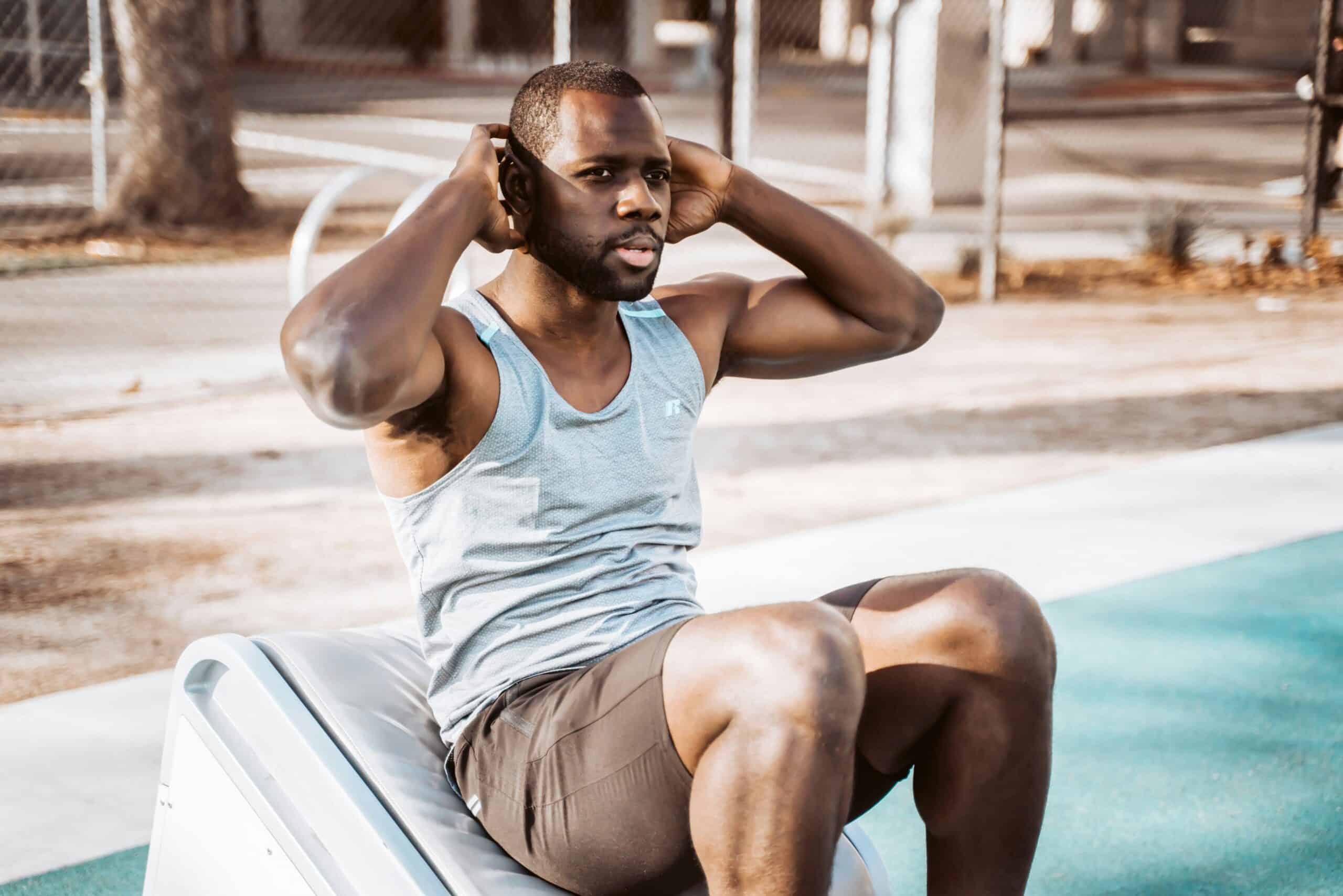
Exercise sits awkwardly in migraine management. Regular activity is widely recommended as part of prevention, and exertion itself triggers attacks in some people. The gear that helps addresses the specific things that make exercise risky: overheating, dehydration, pressure on the head, and glare outdoors.
None of it changes whether you should exercise. That question belongs with your doctor, and the American Migraine Foundation notes that people whose attacks are consistently triggered by exertion should be evaluated rather than working through it.
Medical Disclaimer
This article covers equipment rather than medical advice. Talk to your doctor before starting exercise if you get migraines, particularly if exertion has triggered attacks before. Seek immediate medical care for a sudden severe headache during or after exercise, especially one that peaks within seconds or comes with vision changes, weakness, confusion, or a stiff neck.
Key Points
- Overheating and dehydration are the two most modifiable factors
- Tight straps and headbands add pressure some people react to
- Outdoor glare compounds light sensitivity during exertion
- Gradual warm-ups matter more than any product
- Exertion headaches that peak suddenly need medical assessment
- Consistency beats intensity for anyone managing attacks
How We Picked
Temperature control came first. Overheating during exercise is one of the most commonly reported exertion-related factors, and cooling gear addresses it directly.
Hydration ranked next, since fluid loss during exercise compounds a factor that appears on most trigger lists.
Pressure mattered because equipment worn on the head is common in fitness. Tight bands and heavy headphones both create sustained pressure.
Light control counted for outdoor activity, where glare during exertion combines two factors at once.
Cooling Towels and Neck Wraps
Why It Stands Out
Evaporative cooling towels drop surface temperature at the neck, where large blood vessels sit close to the skin. That gives you a way to cool mid-session rather than stopping entirely.
They need only water to activate, which makes them practical for a gym bag or a run in warm weather.
A wrap staying in place leaves your hands free, which suits anything where you cannot hold a towel.
Worth Knowing
Evaporation slows in humid air, so these work far better in dry heat than humid conditions.
They stop working when they dry and need rewetting, which requires access to water mid-session.
Worth carrying for warm-weather exercise. Skip as your only heat strategy in humidity, and options sit in cooling towels.
Insulated Water Bottles
Why It Stands Out
Fluid loss during exercise is measurable and fast, and dehydration appears on most trigger lists. An insulated bottle keeps water cold enough that you actually drink it.
Volume markings let you track intake across a session rather than guessing, which matters if you are working out whether hydration affects your pattern.
Wide-mouth designs take ice and are easier to clean, which keeps them in use rather than in a cupboard.
Worth Knowing
Insulated bottles are heavier than plastic, which matters for running and less for a gym.
Drinking a large volume at once during exercise causes discomfort. Steady smaller amounts suit most people better.
Worth having for any session over about thirty minutes. Skip narrow-mouth bottles that are hard to fill with ice, and options sit in water bottles for hydration.
Electrolyte Supplements
Why It Stands Out
Sweating loses sodium and other electrolytes alongside water, and replacing water alone during long or hot sessions can leave that imbalance in place.
Sachets and tablets store in a gym bag indefinitely and mix into a bottle, which suits people who exercise in heat.
Unflavored and lightly flavored options exist for anyone who reacts to artificial sweeteners.
Worth Knowing
Many sports drinks contain caffeine or artificial sweeteners, both of which are reported triggers for some people. Reading the label matters more here than in most categories.
Short moderate sessions rarely need electrolyte replacement, and water covers those.
Worth using for long or hot sessions. Skip anything containing your known triggers, and options sit in electrolyte drinks.
Wraparound Sports Sunglasses
Why It Stands Out
Outdoor glare during exertion combines light sensitivity with physical stress. Wraparound lenses block light from the sides as well as the front, which standard frames do not.
Polarized lenses cut reflected glare from water, roads, and snow, which is the harshest light most people encounter outdoors.
Grippy temples and nose pads keep them in place during movement, which is the difference between wearing them and carrying them.
Worth Knowing
Tight-fitting sports frames press on the temples, and some people find that pressure itself contributes to head pain.
Very dark lenses indoors can increase light sensitivity over time, so these belong outdoors specifically.
Worth having for outdoor exercise in bright conditions. Skip tight frames if temple pressure bothers you, and options sit in sunglasses for migraine sufferers.
Low-Pressure Headbands and Sweatbands
Why It Stands Out
Sweat running into the eyes is a distraction that makes people squint, and squinting for a whole session contributes to tension around the eyes and forehead.
Wide soft bands distribute what pressure they apply rather than concentrating it in a narrow line.
Moisture-wicking fabric handles sweat without becoming saturated and heavy.
Worth Knowing
Tight headwear is itself a reported factor for some people, sometimes described as external-compression headache. A band that leaves a mark is too tight.
The same applies to tight ponytails, swim caps, and helmet straps, which people rarely connect to head pain afterward.
Worth trying if sweat in the eyes is your issue. Skip anything that leaves an indentation, and workspace pressure factors sit in common migraine triggers.
Open-Ear and Bone Conduction Headphones
Why It Stands Out
Over-ear headphones clamp the head for the length of a workout, and in-ear buds create pressure in the canal. Bone conduction sits on the cheekbones and touches neither.
Open-ear designs also let you hear traffic and surroundings outdoors, which matters for anyone whose attacks include disorientation.
Lower volume is easier to maintain with open designs, since you are not competing with blocked ambient noise.
Worth Knowing
Bone conduction leaks sound at higher volumes, which limits use in quiet shared spaces.
Sound quality is noticeably lower than sealed headphones, which some people find is not a fair trade.
Worth trying if headphone pressure contributes to your pattern. Skip if audio quality matters more, and sound sensitivity sits in earplugs for migraines.
Workout Gear at a Glance
| Item | Addresses | Best for |
|---|---|---|
| Cooling towel | Overheating | Dry heat, outdoor |
| Insulated bottle | Dehydration | Any session over 30 minutes |
| Electrolytes | Sodium loss | Long or hot sessions |
| Wraparound sunglasses | Glare | Outdoor, bright conditions |
| Soft headband | Sweat in eyes | High-sweat activity |
| Bone conduction audio | Head pressure | Anyone sensitive to clamping |
What to Look For
Prioritize temperature and fluid
Overheating and dehydration are the two factors you can most directly control during exercise. Everything else on the list matters less.
Avoid anything that compresses
Tight headbands, clamping headphones, and snug caps all apply sustained pressure. Equipment that leaves a mark is worth replacing with something looser.
Read labels on anything you drink
Caffeine and artificial sweeteners appear in many sports products and are reported triggers for some people.
Build up gradually
Sudden intense exertion is more commonly associated with exercise-triggered attacks than steady moderate activity. A proper warm-up costs nothing.
Structuring a Session Around the Risk
How you organize a workout matters more than what you carry into it.
Warm up longer than feels necessary. Sudden hard exertion is more commonly associated with exercise-triggered attacks than steady effort, and ten minutes of gradual build costs little.
Hydrate before rather than during. Arriving already short of fluid means the session starts at a deficit you cannot make up while moving.
Eat something beforehand. Skipping meals appears on most trigger lists, and exercising on an empty stomach combines two factors.
Cool down rather than stopping abruptly, and give yourself a few minutes before a hot shower. Heat immediately after exertion raises body temperature further at exactly the wrong moment.
Track sessions alongside attacks for a few weeks. Whether exertion, heat, timing, or something else matters for you is a pattern rather than a rule, and only a record shows it.
Indoor Against Outdoor Exercise
Indoor
You control temperature, lighting, and air quality. Gym lighting can be harsh and fluorescent, which is worth checking against your own sensitivity.
Outdoor
Glare, heat, humidity, and barometric changes all apply at once. Sunglasses and cooling gear matter more, and weather sensitivity sits in barometric pressure monitors.
Common Misconceptions
That exercise should be avoided
Regular moderate activity is widely recommended as part of migraine management. The nuance is intensity and build-up rather than avoidance.
That pushing through is safe
A headache developing during exertion is a signal to stop rather than continue. Sudden severe onset during exercise needs urgent assessment.
That any sports drink is fine
Caffeine and artificial sweeteners appear widely in this category. For anyone who reacts to either, the drink is working against the session.
That the timing does not matter
Exercising at wildly different times disrupts routine, and irregular schedules appear on trigger lists alongside the exercise itself.
That gear can prevent attacks
Cooling, hydration, and reduced glare remove contributing factors. None of them prevent migraine, and whether exercise suits your pattern is a medical question, covered alongside triggers in whether exercise triggers migraines.
Recommended Reading
- exercise as a trigger
- hydration
- cooling options
- outdoor light
- trigger management
- tracking what happens
- whether noise is a trigger or a symptom
Frequently Asked Questions
Can I exercise if I get migraines?
Regular moderate activity is widely recommended as part of management. Talk to your doctor first, particularly if exertion has triggered attacks for you before.
What gear helps most during exercise?
Cooling and hydration equipment, since overheating and fluid loss are the two factors you can most directly control during a session.
Can tight headbands cause headaches?
Sustained pressure from headwear is a recognized factor, sometimes described as external-compression headache. Anything leaving a mark is too tight.
Are sports drinks safe for migraine?
Depends on the ingredients. Caffeine and artificial sweeteners appear widely and are reported triggers for some people, so reading labels matters here.
Should I stop if a headache starts mid-workout?
Yes. Stopping, cooling down, and hydrating is the reasonable response, and continuing is not. Sudden severe onset needs urgent medical attention.
Why do headphones make it worse?
Over-ear designs clamp the head for the length of a session and in-ear buds create canal pressure. Bone conduction avoids both by sitting on the cheekbones.
When should I see a doctor?
If exertion consistently triggers attacks, or for any sudden severe headache during exercise, especially one peaking within seconds or coming with vision changes, weakness, confusion, or a stiff neck.
Sources
- American Migraine Foundation. Exercise and Migraine. https://americanmigrainefoundation.org/
- Mayo Clinic. Exercise Headaches. https://www.mayoclinic.org/diseases-conditions/exercise-headaches
- American Headache Society. Primary Exercise Headache. https://americanheadachesociety.org/
