
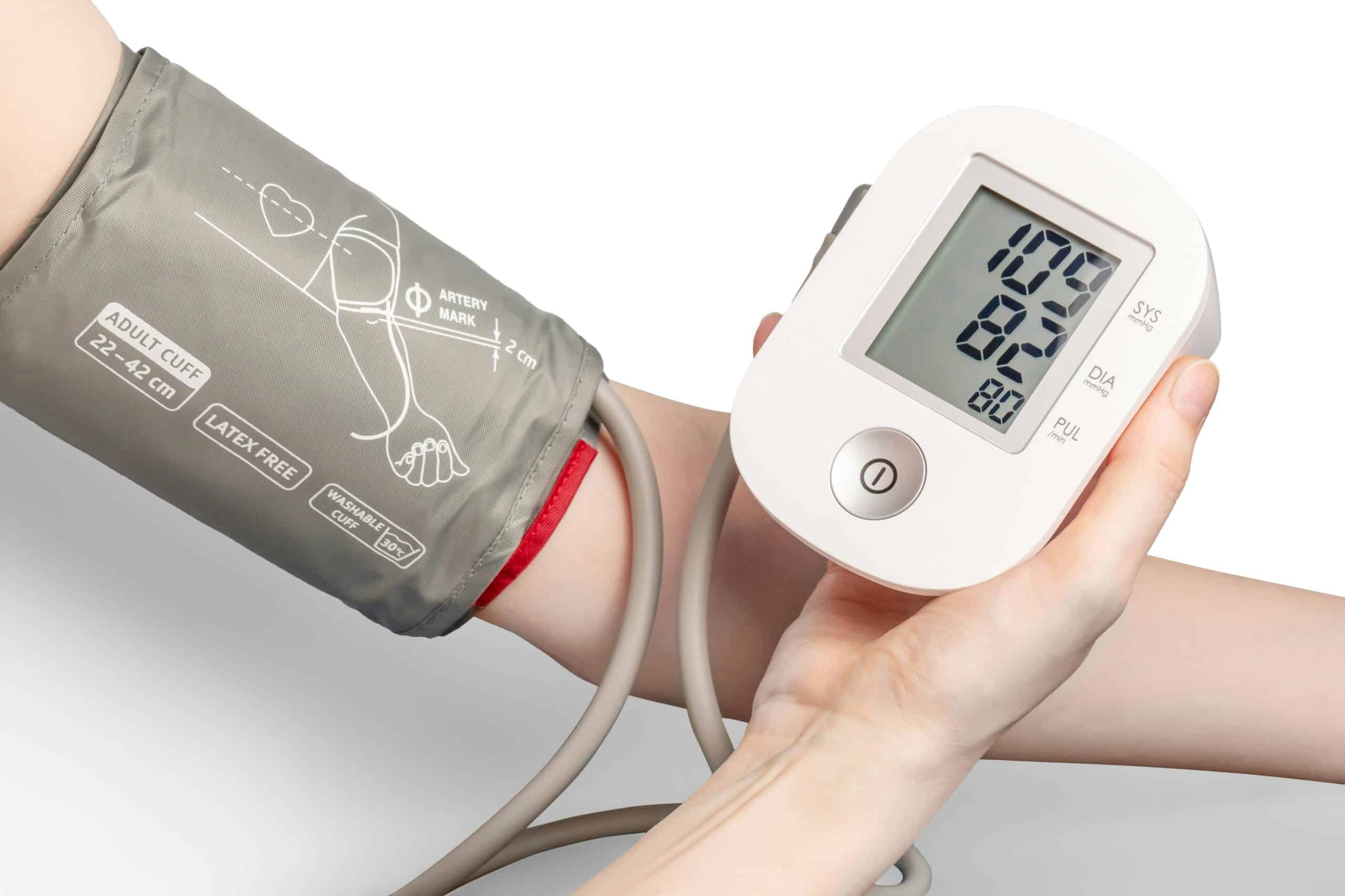
Several of the oldest and most widely used migraine preventives are cardiovascular drugs, which is the reason blood pressure monitors for migraine come up at all. The American Headache Society consensus guidance lists beta-blockers and candesartan among the preventive options a clinician may reach for1, and both act on blood pressure.
So a home cuff is not a migraine device. It is a way to bring real numbers to the person managing your treatment.
Keeping the readings somewhere useful matters as much as taking them, which is what migraine journals are for.
Medical Disclaimer
This article is for educational purposes only and does not replace medical evaluation or treatment by a qualified clinician. Nothing here is advice about starting, stopping, adjusting or substituting any medication, and no reading from a home monitor should change what you take without speaking to the clinician who prescribed it. Blood pressure readings that are very high or very low, or that come with chest pain, breathlessness or fainting, need urgent medical attention rather than a second reading.
Quick Verdict
A validated upper-arm automatic monitor is the only type worth buying, because wrist and finger devices are less reliable. Choose one with a cuff sized to your arm, since the wrong cuff size is the biggest source of bad readings. Add app logging only if you will actually use it, because a notebook beside the monitor works just as well.
Key Takeaways
- Upper-arm cuffs are the reference format; wrist units are a compromise.
- Cuff size is the specification that most often ruins readings.
- Several standard migraine preventives act on blood pressure.
- One reading tells you very little; a pattern over days tells you something.
- Taking readings during an attack reflects pain and stress as much as anything else.
- A monitor is for reporting to a clinician, not for self-adjusting treatment.
How We Picked
We sorted by measurement format first, because upper-arm, wrist and cuffless devices differ in reliability rather than in convenience alone. That ordering is not a close call.
Then we weighted cuff sizing and whether multiple cuff sizes are available, since a cuff that does not fit produces numbers that mislead in a consistent direction.
We have not compared these against a clinical reference, so nothing here reports on accuracy we measured. Validation status is something to check against an independent validated-device listing rather than a product page or this one.
1. A Validated Upper-Arm Automatic Monitor, Best Overall
Why It Stands Out
An automatic upper-arm monitor measures at the brachial artery, which is where clinical measurement happens, and the whole process needs one button. That combination is why this is the format clinicians ask patients to buy.
Models from established manufacturers also publish validation data, which no-name devices generally do not.
Worth Knowing
The supplied cuff fits a range of arm circumferences and not all of them, so measure your upper arm before choosing. A cuff that is too small reads high.
Readings also drift with posture, talking and a full bladder, which is why technique matters more than the device.
This suits anyone asked to monitor at home. Skip the cheapest unbranded units. Best for: numbers your clinician will take seriously.
Check Price on Amazon2. A Large-Cuff Monitor, Best for Bigger Arms
Why It Stands Out
A monitor sold with a wide-range or large cuff removes the single most common cause of inaccurate home readings. If a standard cuff leaves no overlap on your arm, this is not an upgrade but a requirement.
Some manufacturers sell cuffs separately, which lets you keep a monitor you already like.
Worth Knowing
Cuffs are not universal between brands, so check compatibility before buying a replacement. Larger cuffs also take longer to inflate, which some people find uncomfortable.
Measure the midpoint of the upper arm with a tape rather than estimating.
This suits anyone outside the standard cuff range. Skip it if a standard cuff fits properly. Best for: a cuff that actually fits.
Check Price on Amazon3. A Bluetooth App-Logging Monitor, Best Record Keeping
Why It Stands Out
A monitor that syncs to a phone builds the record automatically, which matters because a single reading is close to meaningless and a two-week series is useful. Exporting that series as a chart is far easier than transcribing a notebook at an appointment.
Several apps also tag morning and evening readings separately, which is how clinicians prefer to see them.
Worth Knowing
Apps come and go, and a monitor tied to a discontinued app becomes a monitor with a small screen. Check that it works standalone too.
Logging alongside attack records is more useful than logging alone, which migraine tracking apps handle on the other side.
This suits anyone building a record for an appointment. Skip it if you dislike phone apps. Best for: a series rather than a snapshot.
Check Price on Amazon4. A Dual-User Monitor With Memory, Best for Households
Why It Stands Out
Two-user memory keeps separate histories on one device, so a shared monitor does not mix two people’s numbers into one unusable list. Onboard memory also means the record survives without a phone.
Averaging functions that combine several consecutive readings are closer to how measurement is meant to be done.
Worth Knowing
Memory depth varies, and older entries get overwritten without warning on some units. Note anything important elsewhere too.
A shared device still needs a cuff that fits both arms, which is often the catch.
This suits households where two people monitor. Skip it for single use. Best for: two sets of numbers kept apart.
Check Price on Amazon5. A Travel-Size Monitor, Best Portability
Why It Stands Out
A compact upper-arm unit with the pump built into the cuff packs into a bag without a separate base, which keeps a monitoring run going through a trip. Breaking a two-week series because you were away defeats the point of starting one.
Battery operation also removes the need for an outlet beside the bed.
Worth Knowing
Compact units have smaller displays and fewer cuff size options. Travel also changes sleep, meals and caffeine, all of which move readings.
Those same disruptions matter for attacks, and travel kits for migraine sufferers cover the rest of what travels with you.
This suits frequent travelers mid-monitoring. Skip it as your only monitor. Best for: keeping the series unbroken away from home.
Check Price on Amazon6. A Replacement Cuff and Log Book, Best Supporting Items
Why It Stands Out
Cuffs perish before monitors do, and a split bladder or a worn hook-and-loop closure quietly degrades every reading afterwards. A spare cuff in the right size is a cheap way to keep a working monitor working.
A printed log book beside the device also gets filled in more reliably than an app for a lot of people.
Worth Knowing
Replacement cuffs must match the brand and often the model. Generic cuffs can connect and still read inaccurately.
Paperwork accumulates across appointments, and document binders for medical paperwork cover keeping it together.
This suits any monitor more than a couple of years old. Skip nothing here. Best for: readings that stay trustworthy.
Check Price on AmazonMonitor Types at a Glance
| Type | Measures At | Reliability | Suits |
|---|---|---|---|
| Upper-arm automatic | Brachial artery | Reference format | Everyone |
| Large-cuff upper arm | Brachial artery | Reference format | Bigger arms |
| Bluetooth app monitor | Brachial artery | Reference format | Record keeping |
| Dual-user with memory | Brachial artery | Reference format | Two people |
| Travel-size arm unit | Brachial artery | Reference format | Trips |
| Wrist and finger devices | Wrist or finger | Less reliable | Not recommended |
What to Look For in a Blood Pressure Monitor
Independent validation
Validation means a device has been checked against clinical measurement by an independent body, and plenty of monitors on sale have never been. Check an independent validated-device list rather than the packaging.
A cuff measured to your arm
Cuff size is the most common reason home readings disagree with clinic readings. Measure your upper arm circumference and buy to that number rather than to a size label.
Averaging across consecutive readings
Devices that take two or three readings a minute apart and average them give a more stable figure than any single measurement. It also stops you chasing one odd number.
A record you will keep
The value is in the pattern, and a pattern needs writing down somewhere you will find it again. Taking it to an appointment is the point, which preparing for a migraine appointment covers.
Blood Pressure Against Barometric Pressure
These are unrelated measurements
Blood pressure is the force inside your arteries and barometric pressure is the weight of the atmosphere, and nothing about a cuff tells you anything about the weather. The similar wording causes real confusion.
Both can matter for different reasons
Weather shifts are among the triggers people most often report, while blood pressure matters because of the medications involved in prevention. If it is the weather you want to track, barometric pressure monitors are the device for that, and air quality monitors cover the indoor environment.
What Trips People Up
Measuring during an attack and drawing conclusions
Pain, nausea and stress all raise blood pressure, so a reading taken mid-attack describes the attack rather than your baseline. Resting readings at consistent times are the useful ones.
Adjusting medication from a home reading
Changing or skipping a preventive on the basis of one number is not a decision to make alone. Report the series to the clinician who prescribed it and let them interpret it.
Buying a wrist monitor for convenience
Wrist devices are easier to put on and more sensitive to position, which costs you the reliability you bought the monitor for. Upper arm is the format to choose.
Ignoring the rest of the picture
Migraine with aura carries a modest increase in relative risk of ischemic stroke compared with no migraine, although absolute risk in younger people without other factors remains low2. That makes cardiovascular risk factors generally worth discussing with a clinician rather than monitoring in isolation.
Taking a Reading Properly
Sit still first
Several minutes seated with your back supported and feet flat changes the number meaningfully. Rushing the measurement is the commonest technique error.
Arm supported at heart height
An unsupported or low arm reads higher, and a table at the right height solves it. Keep the cuff on bare skin rather than over a sleeve.
Same times, same conditions
Morning and evening readings taken consistently are comparable, and readings scattered through the day are not. Caffeine before a reading moves it, which hydration habits and routine both interact with.
Keep it alongside everything else
Blood pressure sits beside attack frequency, sleep and medication use rather than apart from them. Sleep trackers and wearables for migraine tracking cover the other streams, and medical ID bracelets matter if you carry a diagnosis and medications.
Recommended Reading
Worth reading next: what questions to ask a neurologist about migraines, since a monitoring record is only useful if it reaches the right conversation.
When to See a Neurologist
- Any headache you would describe as the worst of your life.
- A headache that comes on suddenly and peaks within moments.
- New headaches starting after age fifty.
- Weakness, numbness or speech difficulty with an attack.
- Any loss of vision, whether or not a headache follows.
- Aura symptoms that are new, or that last longer than your usual pattern.
- Headache that changes character or wakes you from sleep.
- Attacks becoming more frequent over weeks or months.
- Needing acute medication on more days than not.
- Headache with fever, a stiff neck or a rash.
- Headache after a head injury.
- Side effects you suspect are coming from a preventive medication.
Blood Pressure Monitor FAQ
What are the best blood pressure monitors for migraine
A validated upper-arm automatic monitor with a cuff sized to your arm is the right choice, and the format matters more than the brand. Bluetooth logging helps if you are building a record for an appointment, and a large cuff is necessary rather than optional if a standard one does not fit.
Why would a migraine patient monitor blood pressure
Because several standard preventive options act on the cardiovascular system, so the clinician managing them may want home readings. The monitor is there to inform that conversation, not to guide self-treatment.
Does high blood pressure cause migraine
That is not a question a home monitor answers, and the relationship between blood pressure and headache is more complicated than it looks. Discuss any pattern you notice with a clinician rather than drawing a conclusion from readings.
Should I measure during an attack
You can note it, but pain and stress push readings up, so attack-time numbers describe the attack. Resting readings at consistent times are what a clinician can use.
Are wrist monitors accurate enough
They are more position-sensitive and generally less reliable than upper-arm devices. If you can use an upper-arm cuff, use one.
How do I know my cuff is the right size
Measure the circumference of your upper arm at the midpoint and compare it with the range printed on the cuff. If you are near the top of the range, the next size up is the safer choice.
How often should I take readings
That is for the clinician who asked you to monitor to specify, since it depends on why they want the data. A consistent schedule over a defined period is more useful than readings whenever you remember.
What should I do about an unexpectedly high reading
Rest and repeat it properly, and contact a clinician about a figure that stays high or comes with chest pain, breathlessness, visual change or fainting. Do not change any medication on your own.
When should I see a doctor about my readings
Share a week of readings with your clinician if they sit consistently above your target range. Bring the monitor along so they can compare it against their own cuff. The signs in the section above need urgent assessment instead.
Sources
- Ailani J, Burch RC, Robbins MS; Board of Directors of the American Headache Society. The American Headache Society Consensus Statement: Update on integrating new migraine treatments into clinical practice. Headache. 2021;61(7):1021-1039.
- Kurth T, Diener HC. Migraine and stroke: perspectives for stroke physicians. Stroke. 2012;43(12):3421-3426.
