
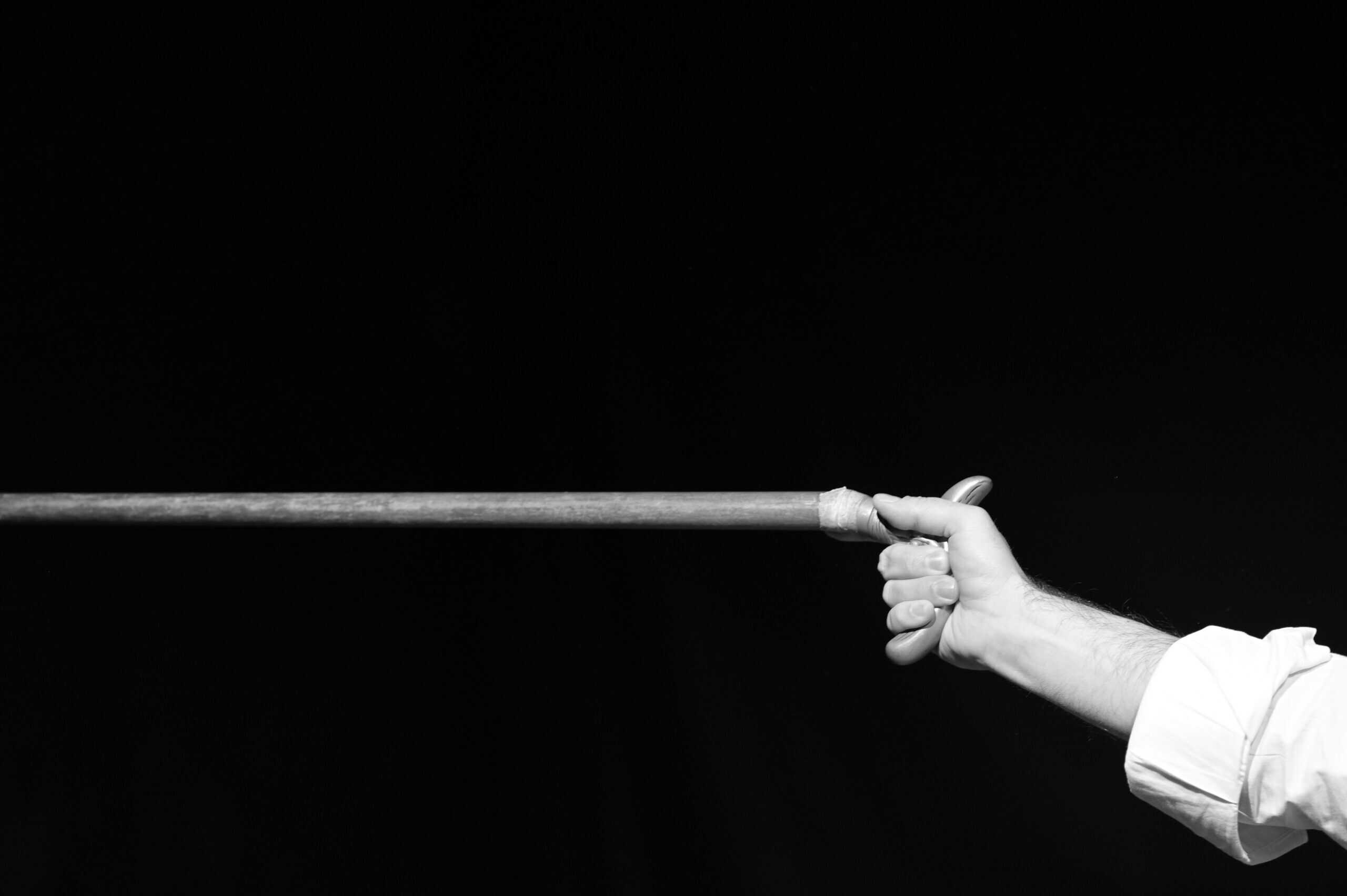
The tight spots that sit under the base of the skull and along the upper back are the ones your hands cannot reach without contorting your neck, which is the opposite of helpful. A hooked cane reaches behind your shoulder blade while your head stays still.
That is the whole case for this category over a foam roller or a massage gun: position rather than power. The best trigger point canes and knobble tools are the ones that reach the spot with your spine neutral and let you control pressure precisely.
Evidence for massage in headache is limited and mixed. The National Center for Complementary and Integrative Health describes massage therapy as generally safe when performed appropriately while noting that evidence varies by condition1, which puts these firmly in the comfort column rather than the treatment one. Rolling tools sit in foam rollers for migraine tension.
Medical Disclaimer
This article is for educational purposes only and does not replace medical evaluation or treatment by a qualified clinician. These tools do not treat migraine. Pressure on the neck is not appropriate for everyone, and anyone with neck injury, vascular concerns or new neurological symptoms should ask a doctor before using them.
Quick Verdict
A hooked cane with several knobs is the one tool to own, because it reaches the upper back and shoulders without any twisting. Add a single handheld knobble for precise work you can do seated. Start far lighter than feels useful and stay off the sides and front of the neck.
Key Takeaways
- The advantage is reach and mechanical advantage, not force.
- You control pressure continuously, which a powered device does not allow.
- Pressure belongs on muscle, not on bone, the spine or the sides of the neck.
- Short holds at moderate pressure beat long hard ones.
- Pressing hard enough to bruise is a setback rather than progress.
- During an attack, pressure near the head is too much for many people.
How We Picked
We sorted these by what they let you reach, since the point of a cane is accessing places your hands cannot without moving your neck.
Then we weighted control, because a tool that applies pressure in steps rather than smoothly is harder to keep gentle.
We have not used these ourselves or compared them, so nothing here is presented as a result from our own testing, and no product here is claimed to prevent or treat migraine. Whether self-applied pressure near the neck suits you is a question for a clinician or physical therapist.
1. A Hooked Trigger Point Cane, Best Overall
Why It Stands Out
The hooked shape goes over your shoulder and down your back, so you press from the front while the target is behind you. Nothing else reaches between the shoulder blades with your neck neutral.
Multiple knobs along the shaft give you options for the upper back, the shoulders and the area just below the skull without changing tools.
Worth Knowing
The long handle makes it easy to apply far more pressure than you intended, which is the main hazard with this design. Start light and increase across sessions rather than within one.
They are also bulky and rigid, so they live at home rather than in a bag.
This suits upper back and shoulder tension you cannot reach. Skip hard pressure near the neck. Best for: reaching behind you without twisting.
Check Price on Amazon2. A Handheld Knobble, Best Precision
Why It Stands Out
A small mushroom-shaped tool concentrates pressure on one point and saves your thumbs doing it, which is the usual reason people stop. It is also the easiest tool to use lightly.
Small enough to keep at a desk, which means it gets used during the day rather than only in the evening.
Worth Knowing
It only reaches what your arm reaches, so the mid-back stays out of range. That is exactly where the cane earns its place.
A hard point on a small area is also easy to overdo on tender tissue.
This suits shoulders, forearms and anywhere you can reach seated. Skip it for mid-back work. Best for: precise pressure without using your thumbs.
Check Price on Amazon3. An S-Shaped Back Hook, Best for Control
Why It Stands Out
An S-curve lets you pull rather than push, which some people find easier to control than a long hooked cane. The geometry suits the area along the shoulder blade particularly well.
Pulling also tends to produce smoother pressure than pushing against your own body weight.
Worth Knowing
These reach a narrower range of positions than a full cane, so they are a complement rather than a replacement. Shoulder mobility also limits what you can do with one.
Fixed-curve tools suit some body shapes much better than others, which is hard to judge before buying.
This suits shoulder blade work and anyone who prefers pulling. Skip it as your only tool. Best for: controlled pressure along the shoulder blade.
Check Price on Amazon4. A Thumb Saver Tool, Best for Hands
Why It Stands Out
A tool that transfers force from your palm to a point spares the thumb joint, which matters if you are doing this regularly or helping someone else. It also lets you sustain pressure longer without fatigue.
Useful for anyone whose hands already complain, since the alternative is pressing with a thumb that does not want to.
Worth Knowing
Removing the fatigue limit also removes a natural brake on how long and hard you press. Watch the clock rather than your hand.
These are single-purpose and overlap substantially with a knobble, so most people need one or the other.
This suits frequent use and sore hands. Skip it if you already own a knobble. Best for: sustained pressure without thumb strain.
Check Price on Amazon5. A Doorway Pressure Ball Mount, Best Hands-Free
Why It Stands Out
A ball held against a wall or in a strap lets your body weight supply the pressure while your arms rest, which suits anyone whose shoulders tire before the tight spot releases. You control force by leaning.
Leaning also scales pressure very smoothly, which is hard to achieve with a handheld tool.
Worth Knowing
Balls roll out of position against a smooth wall, which is what the strap or mount is for. Against a door frame they also tend to find bone rather than muscle.
Floor-based ball work is a different approach again, covered in acupressure mats.
This suits upper back work with tired arms. Skip it directly over the spine. Best for: letting body weight do the work.
Check Price on Amazon6. A Reference Chart or Guide, Best Cheap Addition
Why It Stands Out
Knowing roughly where muscle sits and where bone and vessels sit is what keeps self-applied pressure sensible, especially around the neck and skull base. A chart costs very little and prevents the obvious mistakes.
It also helps you work out which area a tool is actually reaching rather than guessing.
Worth Knowing
A chart is anatomy reference rather than a treatment protocol, and referred-pain maps in particular are discussed rather than settled. It does not replace guidance from a physical therapist.
Anyone with neck symptoms should get assessed before following any self-treatment material.
This suits anyone new to this. Skip treating it as a protocol. Best for: knowing what you are pressing on.
Check Price on AmazonPressure Tools at a Glance
| Tool | Reaches | Pressure Control | Portable |
|---|---|---|---|
| Hooked cane | Upper and mid back | High, easy to overdo | No |
| Handheld knobble | Arm’s reach only | Highest | Yes |
| S-shaped hook | Shoulder blade area | High, smooth | Somewhat |
| Thumb saver | Arm’s reach only | High | Yes |
| Wall-mounted ball | Upper back | Smooth, body weight | Yes |
| Reference chart | n/a | n/a | n/a |
What to Look For
Reach for where you are tight
If the problem sits between your shoulder blades, nothing handheld will reach it comfortably. Match the tool to the location rather than to reviews.
Smooth rather than stepped knobs
Rounded knobs let you increase pressure gradually, while sharp or small tips concentrate it before you have decided to. Gradual is what you want near the neck.
Rigidity you can judge
A cane that flexes under load gives you less feel for how hard you are pressing. Stiff tools are more predictable, which matters for staying gentle.
Something you will keep nearby
A tool in a cupboard does nothing. A knobble on a desk gets used in the gaps, which over a week is more than one long session.
Canes Against Powered Devices
Canes give you control and reach
You decide the pressure moment to moment, you can stop instantly, and there is no noise or vibration. For a sensitive day that combination matters more than power.
Powered devices give you force and speed
A percussion device covers a large area quickly and suits muscle soreness rather than a sensitive neck, and it brings noise and vibration with it. Massage guns cover that end, and how to choose tension relief compares the categories.
What Trips People Up
Pressing as hard as the tool allows
A cane multiplies your force, so the pressure that feels like effort at your hands is considerably more at the knob. Bruising is a sign you went past useful.
Working the sides and front of the neck
Those areas carry vessels and nerves close to the surface and are not places for self-applied tool pressure. Keep to muscle on the back of the shoulders and upper back, and ask a clinician about anything closer in.
Reaching for it mid-attack
Pressure near the head is more than many people can tolerate during an attack, and movement generally makes an attack worse. This is between-attacks equipment for most people.
Treating tightness as the whole story
Desk posture and screen height produce the tension these tools chase, and addressing those does more than any amount of pressing. Whether posture causes migraines covers it.
Where This Sits With Everything Else
Stretching is a different job
Pressure and lengthening do different things, and most people use both. Neck stretchers and stretching straps cover the other half.
Heat before pressure
Warm tissue tolerates pressure better, which is why heat first and pressure second is the usual order. Heating pads cover that.
The head itself is a separate category
Scalp tools work on an area these canes should stay away from. Scalp massagers cover it.
The evidence picture stays modest
Massage for headache has limited and mixed support, which is worth holding onto when a tool seems to help. Whether massage helps migraines goes through what is and is not supported.
Recommended Reading
Worth reading next: neck massagers, which cover the powered approach to the same area.
When to See a Neurologist
- Any headache you would describe as the worst of your life.
- A headache that comes on suddenly and peaks within moments.
- Neck pain or stiffness that does not settle, or that follows an injury.
- New headaches starting after age fifty.
- Attacks increasing in frequency over weeks or months.
- Weakness, numbness, tingling or speech difficulty with an attack.
- Any loss of vision, with or without a headache.
- Headache with fever, neck stiffness or a rash.
- Dizziness or unsteadiness that persists between attacks.
- Pain that wakes you or is worst on waking.
- Needing acute medication on most days to function.
- Symptoms that appear or worsen when you apply pressure to the neck.
Trigger Point Cane FAQ
What are the best trigger point canes and knobble tools
A hooked cane with several knobs is the one tool worth owning, since it reaches the upper and mid back without twisting. A handheld knobble covers precise work within arm’s reach, and a wall-mounted ball lets body weight supply the pressure.
Do trigger point tools help migraine
Evidence for massage in headache is limited and mixed, so these are comfort tools rather than treatment. Many people with neck and shoulder tension alongside their attacks find them useful for that tension specifically.
How hard should I press
Much less hard than a cane makes possible, because a long handle multiplies your force. Aim for noticeable but tolerable, hold briefly, and judge by how you feel the next day rather than during.
Is it safe to use one on my neck
The muscle at the back of the shoulders and upper back is where these are generally used, and the sides and front of the neck are not places for self-applied tool pressure. Anyone with neck injury, vascular concerns or neurological symptoms should ask a doctor first.
Cane or massage gun
A cane for reach and fine control, a gun for covering a large area with force. On a sensitive day the cane’s silence and immediate stoppability are the practical advantages.
Can I use one during an attack
Many people cannot tolerate pressure near the head during an attack, and routine physical activity commonly makes an attack worse. These suit the time between attacks for most people.
Why am I bruising
Because the pressure is too high or held too long, which the mechanical advantage of a cane makes easy to do without realizing. Bruising is a reason to back off substantially rather than to push through.
When should I see a doctor instead
See a doctor if neck pain is new, persistent, follows an injury, or comes with numbness, tingling, weakness or vision changes. Those need assessment rather than self-applied pressure, and a physical therapist can advise on technique.
Sources
- National Center for Complementary and Integrative Health. Massage Therapy: What You Need To Know. National Institutes of Health.
