
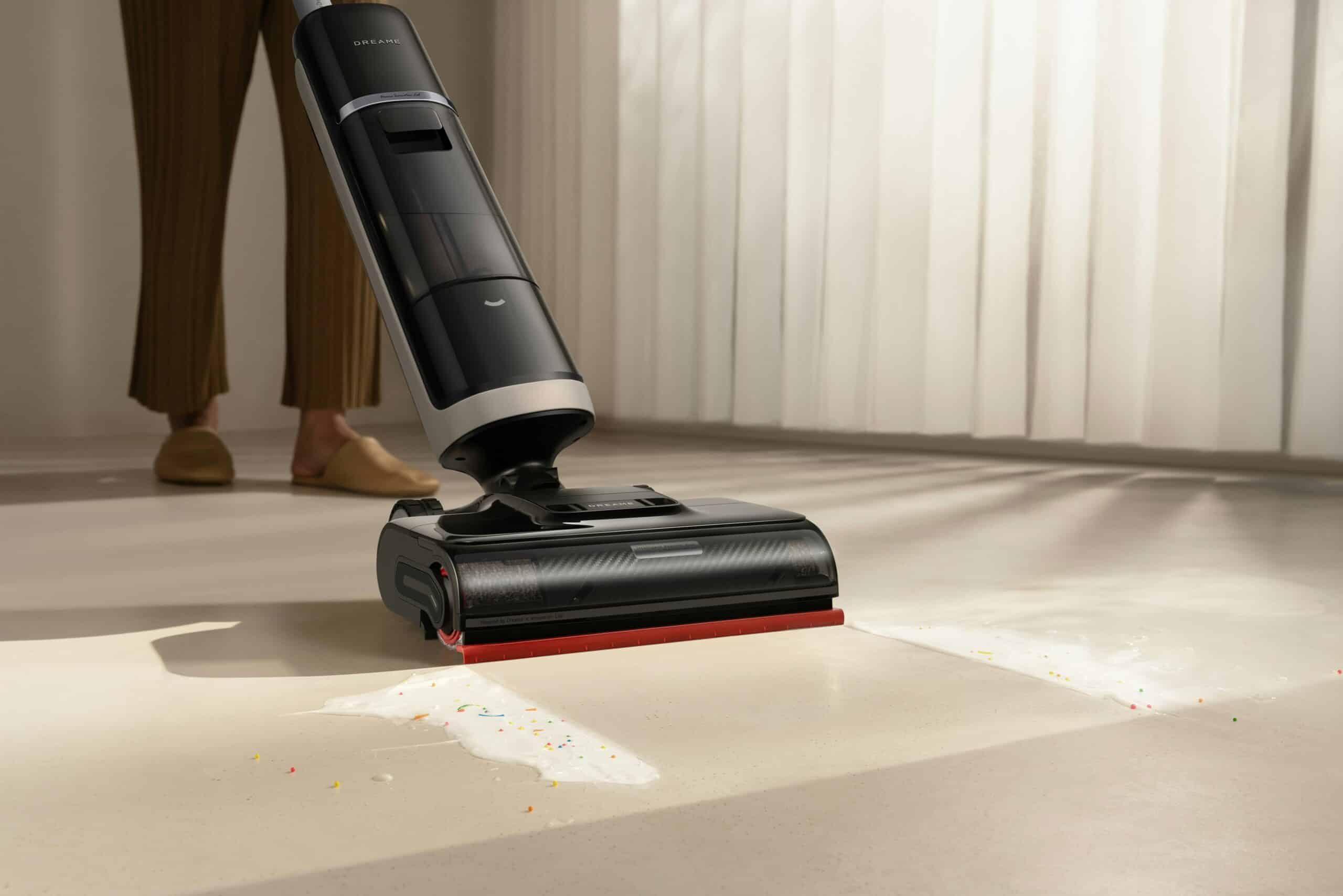
Vacuums are the loudest thing most people run indoors, typically 65 to 80 decibels at head height while you push it around. For anyone with sound sensitivity, that turns a routine chore into something scheduled around symptoms.
The number matters less than the pitch. Vacuum noise sits in a frequency range the ear finds harsh, which is why a 68 decibel vacuum feels worse than a 68 decibel fan.
Medical Disclaimer
This article covers appliance selection rather than medical advice. It does not diagnose or treat anything. Talk to your doctor about sound sensitivity, since phonophobia has several possible causes. Seek immediate medical care for a sudden severe headache unlike your usual pattern, or one with fever, confusion, weakness, vision loss, or a stiff neck.
Key Points
- Under 65 decibels is quiet for a vacuum
- Pitch matters as much as volume for tolerability
- Brushless motors run quieter than brushed ones
- Robot vacuums move the noise to when you are out
- Hard floor tools produce less noise than carpet brushes
- Sealed canister designs muffle more than stick vacuums
How We Picked
Stated decibel figures came first, since manufacturers publishing them tend to have designed around noise rather than added the claim afterward.
Motor type ranked next. Brushless motors avoid the brush friction that produces both noise and a higher-pitched whine.
Scheduling counted heavily. A robot vacuum running while you are out removes the problem rather than reducing it, which no quiet upright can match.
We excluded vacuums calling themselves quiet without a published figure, since the word carries no consistent meaning across brands.
Low-Decibel Canister Vacuums
Why It Stands Out
Canister designs enclose the motor in an insulated body away from the floor head, which muffles more than an upright or stick where the motor sits near your hand.
Several models rate in the low 60s, which is quiet enough to hold a conversation over.
The long hose also means the noisy part sits on the floor several feet away rather than at chest height.
Worth Knowing
Canisters are heavier to move between rooms and awkward on stairs.
Bagged models generally run quieter than bagless ones, since the bag absorbs some sound and there is no cyclone chamber generating airflow noise.
Worth doing for anyone vacuuming regularly with sensitivity. Skip if stairs dominate your cleaning, and household noise sits in quiet appliances for migraine sufferers.
Robot Vacuums With Scheduling
Why It Stands Out
A robot running at ten in the morning while you are at work produces no noise you experience. That solves the problem completely rather than reducing it.
They also run more often at lower intensity, which keeps floors clean enough that the loud manual vacuum comes out less.
Most rate in the 55 to 65 decibel range, which is quieter than any upright even when you are home.
Worth Knowing
Self-emptying docks are loud for the twenty seconds they run, often above 80 decibels. Scheduling that for when you are out matters as much as the cleaning.
They handle maintenance cleaning rather than deep cleaning, so a manual vacuum still gets used occasionally.
Worth doing if you can schedule around your day. Skip self-emptying docks if you cannot control when they run.
Brushless Motor Stick Vacuums
Why It Stands Out
Brushless motors remove the carbon brush friction that produces a high-pitched component in vacuum noise, which is the part sound-sensitive people find hardest.
Cordless sticks are also light enough to use in short bursts rather than committing to a whole-house session.
Eco or low-power modes on most models cut noise meaningfully at the cost of suction.
Worth Knowing
The motor sits close to your hand and ear on a stick vacuum, so the same decibel figure feels louder than on a canister.
Battery life on low-noise modes is longer, which partly offsets the reduced suction.
Worth doing for quick clean-ups between deeper sessions. Skip as your only vacuum on heavy carpet.
Hard Floor Attachments
Why It Stands Out
A rotating carpet brush generates a large share of vacuum noise. A soft roller or hard floor head runs noticeably quieter on the same machine.
Switching heads costs a fraction of a new vacuum and works with what you already own.
For homes with mostly hard flooring, this is often the whole answer.
Worth Knowing
Attachments are model specific, and third-party heads vary in fit and sealing.
Turning the brush roll off, which many vacuums allow, achieves part of the same effect for nothing.
Worth trying before replacing a vacuum. Skip third-party heads with poor fit, which leak air and get louder.
Hearing Protection for Cleaning
Why It Stands Out
Sometimes the vacuum you own is the vacuum you have. Earmuffs or filtered earplugs make it usable rather than requiring a purchase.
Filtered plugs reduce volume while keeping you able to hear a doorbell or a child, which full-blocking protection does not.
They cost very little and work with any appliance rather than solving one.
Worth Knowing
Full-occlusion earmuffs make some people more aware of their own breathing and pulse, which is unpleasant during sensitivity.
This manages the symptom rather than removing the noise, so it suits a stopgap more than a plan.
Worth having regardless of what vacuum you own. Skip full blocking if you need to hear the room, and options sit in earplugs for noise sensitivity.
Handheld Vacuums for Small Jobs
Why It Stands Out
Most vacuuming is a small mess rather than a whole floor. A handheld runs for thirty seconds instead of twenty minutes, which limits exposure regardless of its decibel rating.
They also let you clean during a bad day without committing to a full session.
Smaller motors generally produce less absolute noise than full-size machines.
Worth Knowing
Small motors often run at higher pitch, which some people find harder than a deeper sound at the same level.
They do not replace a full vacuum, so this is an addition rather than a substitute.
Worth having for spot cleaning. Skip as your only machine.
Vacuum Noise at a Glance
| Type | Typical range | Notes |
|---|---|---|
| Canister, bagged | 60 to 68 dB | Motor away from your ear |
| Robot | 55 to 65 dB | Schedule it while out |
| Cordless stick | 65 to 75 dB | Motor near your hand |
| Upright | 70 to 80 dB | Loudest common type |
| Handheld | 65 to 75 dB | Short exposure |
| Self-emptying dock | Above 80 dB | Brief but very loud |
What to Look For
Prefer a published figure
Brands stating decibels designed with it in mind. A vacuum described as quiet with no number tells you nothing comparable.
Consider where the motor sits
A canister keeps the motor on the floor away from your head. A stick puts it near your hand and ear at the same rating.
Remove the exposure rather than reducing it
A scheduled robot produces no noise you experience. That beats any quiet manual vacuum for someone with real sensitivity.
Check the brush roll switch
Turning it off on hard floors cuts noise for free on many vacuums, and a soft roller head does the same for less than a new machine.
Cleaning Around Sensitivity
How you schedule the job matters as much as which machine does it, and several of these cost nothing.
Split the house rather than doing it all at once. Two rooms today and two tomorrow keeps each exposure short, which is easier to tolerate than one long session.
Vacuum at the point in your day when you feel best. Many people notice a pattern in when sensitivity is worst, and matching chores to the better hours costs only planning.
Open a window and a door before starting. A room with somewhere for sound to go feels less enclosed than a sealed one, and the same vacuum reads differently.
Run masking sound in an adjacent room. Coming out of a loud room into silence is jarring, and a steady background softens the transition.
Ask someone else to do it during an attack. That is not a product recommendation and it is the most effective option on this page.
Robot Against Manual
Robot
Runs when you are out, cleans little and often, and keeps floors from needing deep sessions. It handles maintenance rather than heavy soil, and self-emptying docks are loud in short bursts.
Manual
Cleans more thoroughly and requires you to be present through the noise. Canister designs and hard floor heads both reduce that considerably.
Common Misconceptions
That decibels tell the whole story
Pitch matters as much as level. Vacuum noise sits in a harsh frequency range, which is why it feels worse than a fan at the same reading.
That more suction means more noise
Motor design and airflow path matter more than raw power. Some high-suction machines run quieter than weaker ones with poor sealing.
That a robot replaces a vacuum
They handle maintenance cleaning well and do not replace occasional deeper sessions, so most households keep both.
That sound sensitivity is only an attack symptom
Many people report heightened sensitivity between attacks. Persistent phonophobia is worth raising with a doctor rather than only managing with equipment, and triggers sit in common migraine triggers.
Recommended Reading
- quiet appliances
- soundproofing a room
- earplugs
- noise cancelling
- air quality and dust
- trigger management
- whether noise is a trigger or a symptom
Frequently Asked Questions
What is a quiet decibel level for a vacuum?
Under 65 decibels counts as quiet, and most uprights run 70 to 80. Canisters and robots typically sit lowest.
Why does my vacuum feel louder than the rating suggests?
Pitch. Vacuum noise sits in a frequency range the ear finds harsh, so it feels worse than a fan at the same decibel reading.
Are robot vacuums actually quieter?
Usually, and the bigger advantage is scheduling. Running one while you are out removes the noise from your day rather than reducing it.
Do brushless motors matter?
They remove the carbon brush friction that creates a high-pitched component in the sound, which is often the part people with sensitivity find hardest.
Can I make my existing vacuum quieter?
Turn off the brush roll on hard floors, or fit a soft roller head. Both cut noise noticeably for far less than replacing the machine.
Are self-emptying docks loud?
Very, often above 80 decibels for around twenty seconds. Scheduling emptying for when you are out matters as much as scheduling the cleaning.
When should I see a doctor about sound sensitivity?
If it persists between attacks, worsens, or comes with hearing changes. Phonophobia has several possible causes and is worth assessing rather than only working around.
Sources
- American Migraine Foundation. Sensory Sensitivity and Migraine. https://americanmigrainefoundation.org/
- Mayo Clinic. Migraine: Symptoms and Causes. https://www.mayoclinic.org/diseases-conditions/migraine-headache
- American Headache Society. Phonophobia in Migraine. https://americanheadachesociety.org/
