
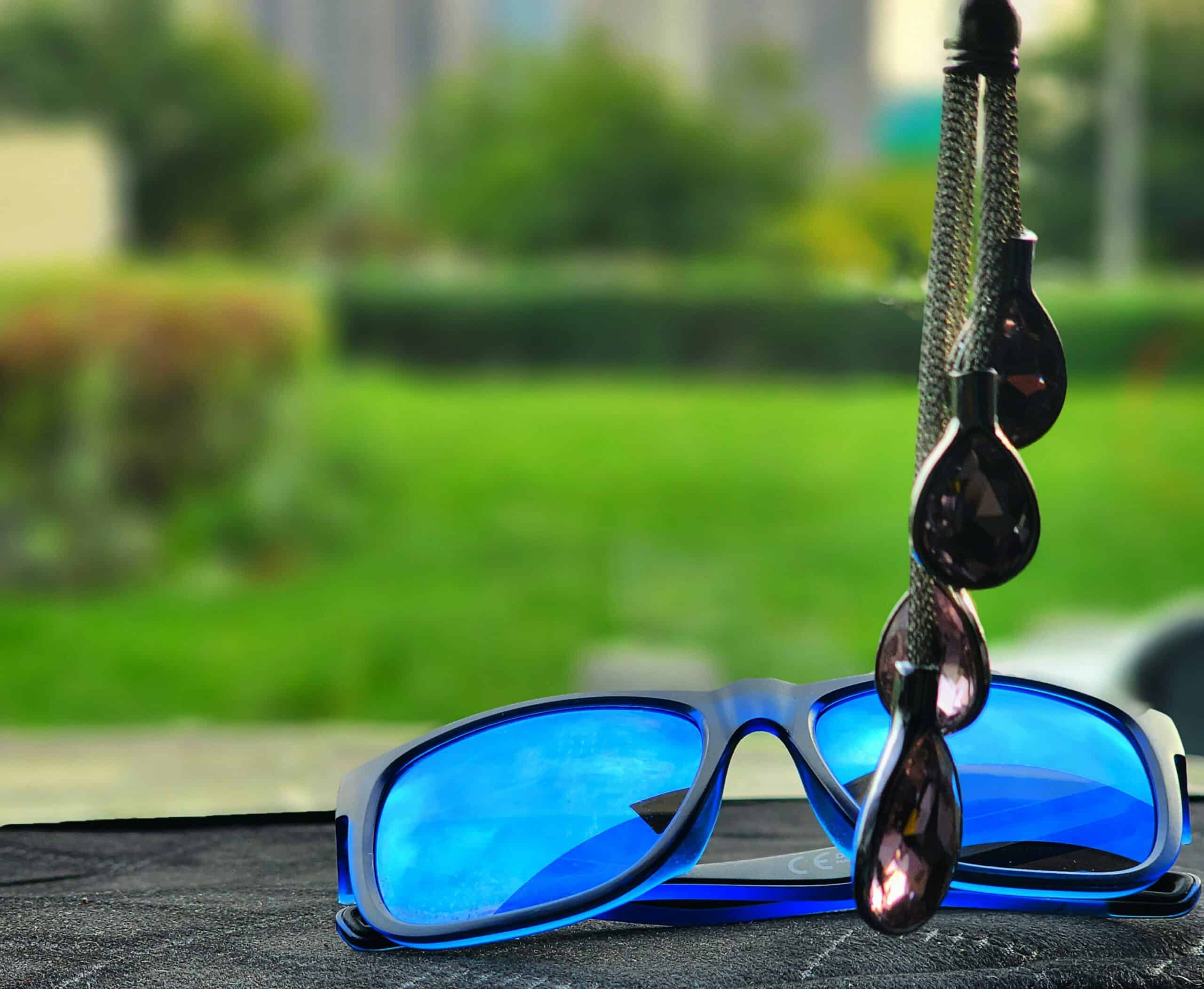
Driving concentrates several common migraine triggers into one enclosed space: glare off the road, temperature swings, air from outside, and motion. Car accessories for migraine sufferers work by reducing those inputs rather than treating an attack, which makes them a prevention tool rather than a relief one.
Light is the input most people can address quickly. Windshield glare, oncoming headlights, and sun flicker through trees all hit the eyes directly, and shading the cabin reduces that without any effect on visibility for the driver.
Medical Disclaimer
This article is general information rather than medical advice. Nothing here diagnoses or treats migraine. Products described may reduce exposure to common triggers, and none of them prevent attacks. Talk to a doctor or headache specialist about your own symptoms, and never drive during an attack that affects your vision or concentration.
Quick Verdict
Sun shades and tinted visors address glare, the trigger most specific to driving. Air filtration handles outside pollutants and strong smells. A cooling seat cushion and a good headrest help with heat and neck tension. Keep relief items in the car rather than remembering to bring them.
Key Takeaways
- Glare and flicker are the driving-specific triggers
- Cabin air can carry outside pollutants and fumes
- Heat builds fast in a parked car and is a common trigger
- Neck position over long drives contributes to tension headache
- Keeping supplies in the car removes a planning step
- None of these treat an attack once it starts
How We Picked
We prioritized products that reduce a documented trigger. The American Migraine Foundation and trigger research such as Lipton’s AMPP work identify light, stress, dehydration, sleep disruption, and weather among the more consistently reported triggers, and several of those appear in a car. Our how we research, choose and make money is set out on the editorial page.
Driver safety ruled out anything that obstructs vision or requires attention while moving. Accessories that need adjusting mid-drive were excluded.
We favored items that stay in the vehicle. An accessory left at home during a difficult week is not helping anyone, and the ones that live in the car get used. For trips beyond the daily commute, our guide to planning a long drive covers stops, packing, and timing.
We excluded devices making treatment claims. Nothing in a car treats migraine, and products suggesting otherwise are outside what this site covers.
Retractable Car Sun Shades
Why It Stands Out
Side window shades cut direct sun without affecting the driver’s forward view. For passengers with light sensitivity, they reduce the strongest source of glare in the cabin.
Retractable versions mount semi-permanently and roll away when not needed, which means they are available without occupying space.
Worth Knowing
Tint laws vary by state and some shades are treated as tint. Checking local rules before fitting anything to a front side window avoids a citation.
Static-cling versions are cheaper and fall off in heat. Frame-mounted ones stay up.
Best for passengers with photophobia and for anyone whose commute faces into the sun. Skip for the driver’s own front window where laws restrict it, and existing options sit in car sun shades for migraine.
Polarized Driving Sunglasses
Why It Stands Out
Polarization removes reflected glare off road surfaces and other vehicles, which is a different problem from overall brightness. That reflected light is the harsh, flashing kind that people with light sensitivity report as the worst.
They also help in overcast conditions, where wet roads produce more glare than dry ones in sun.
Worth Knowing
Polarization can make some LCD dashboards and phone screens harder to read at certain angles, which is worth checking before a long drive.
Tint color affects contrast. Gray preserves color accuracy and brown or amber lifts contrast, which some drivers prefer in flat light.
Best for daytime driving with significant road glare. Skip for night driving, where dark lenses reduce visibility, and lens choice for migraine specifically is covered in migraine glasses against regular sunglasses.
Cabin Air Filters
Why It Stands Out
Cabin filters catch pollen, dust, and some pollutants before they reach the vents. Strong smells and poor air quality are commonly reported triggers, and a car in traffic pulls in exhaust from the vehicles ahead.
Activated carbon versions also adsorb odors, which standard particulate filters do not.
Worth Knowing
Most drivers never change theirs. A filter left for years stops filtering and starts restricting airflow, which is worse than a clean basic one.
Fitment is model-specific, so checking the vehicle rather than buying generically matters here.
Best for anyone whose triggers include smells or who drives in heavy traffic. Skip nothing, since this is maintenance rather than an accessory, and the broader air question sits in air purifiers for migraine relief.
Cooling Seat Cushions
Why It Stands Out
Heat is a frequently reported trigger, and a car interior reaches high temperatures fast when parked. Ventilated cushions move air between the seat and your back rather than trapping it.
They also reduce the discomfort that contributes to muscle tension on longer drives.
Worth Knowing
Powered versions run from a 12-volt socket and produce fan noise, which is worth considering for anyone with sound sensitivity.
Passive mesh cushions are silent and do less. The tradeoff is real.
Best for hot climates and long commutes. Skip if noise is among your triggers, in which case a passive cushion suits better.
Adjustable Neck Support Pillows
Why It Stands Out
Car headrests are positioned for crash safety rather than comfort, and many push the head forward. Over an hour that posture contributes to neck tension, which is associated with tension-type headache and cervicogenic pain.
An adjustable support fills the gap between the headrest and the neck rather than pushing the head further forward.
Worth Knowing
Anything that moves the head forward of the headrest reduces its protective function in a collision. Support should fill a gap rather than create distance.
Memory foam firms up in cold and softens in heat, which changes the fit across seasons.
Best for commutes over thirty minutes and for anyone with existing neck involvement. Skip bulky designs that displace the head, and neck support generally is covered in neck pillows for migraine.
Compact Car Organizers
Why It Stands Out
The practical value is keeping relief supplies in the vehicle. Medication, water, sunglasses, and an eye mask stored in a fixed place mean they are there during a difficult drive.
A seat-back or console organizer keeps those items reachable without rummaging, which matters when symptoms have already started.
Worth Knowing
Medication storage in a car needs care. Heat degrades many drugs, and a glovebox in summer regularly exceeds safe storage temperatures. An insulated pouch helps and does not eliminate the issue.
Anything loose in a cabin becomes a projectile in a collision, so secured organizers beat loose bags.
Best for anyone who has been caught without supplies. Skip storing anything heat-sensitive long term, and travel planning sits in traveling with chronic migraine.
Car Accessories at a Glance
| Product | Trigger addressed | Who it suits |
|---|---|---|
| Retractable sun shades | Glare and light | Passengers, sun-facing commutes |
| Polarized sunglasses | Reflected glare | Daytime drivers |
| Cabin air filter | Smells, pollutants | Traffic, scent sensitivity |
| Cooling seat cushion | Heat | Hot climates, long drives |
| Neck support | Posture and tension | Commutes over 30 minutes |
| Car organizer | Supply access | Anyone caught unprepared |
What to Look For in Car Accessories
Does it address a trigger you actually have
Trigger patterns vary between people. Someone whose attacks follow light exposure needs different things from someone triggered by smells, and buying for a trigger you do not have wastes money.
Does it stay in the car
Items that need bringing get forgotten. Anything that lives in the vehicle is available on the day you need it.
Does it need attention while driving
Accessories requiring adjustment mid-drive are a safety problem. Fit and forget is the standard.
Does it survive heat
Car interiors reach temperatures that damage electronics, degrade medication, and warp plastic. Anything staying in the car needs to tolerate that.
Motion and Vestibular Symptoms
Some people with migraine experience motion sensitivity that goes beyond ordinary car sickness. Vestibular migraine is a recognized subtype in the ICHD-3 criteria, and motion in a vehicle can provoke symptoms in people who get it. Dizziness needs different gear, covered in our vestibular migraine product guide.
Seat position affects this more than any product. Front seats produce less motion than rear ones, and a clear forward view helps the visual and vestibular systems agree with each other.
Reading or looking at a phone makes it worse for the same reason, since the eyes report stillness while the inner ear reports movement.
Where motion is a consistent problem, that is worth raising with a doctor rather than solving with accessories. Vestibular migraine responds to different management than other subtypes.
Glare Against Air Quality
When glare is the issue
Attacks that follow bright drives, sun-facing commutes, or night driving with oncoming headlights point at light. Shading and lens choices address it directly.
When air is the issue
Attacks that follow traffic, tunnels, or drives behind older vehicles point at air quality or fumes. A carbon cabin filter and recirculation in traffic address that instead.
Passenger Against Driver Needs
The two roles have different constraints and the same triggers, which is why one set of accessories rarely suits both.
A passenger can wear a full eye mask, recline, use a cooling pack, and block a window completely. None of those are available to whoever is driving.
A driver is limited to things that do not impair vision or attention: polarized lenses, cabin air management, seat comfort, and neck support. That list is shorter and it covers the triggers most specific to driving.
Where someone with frequent attacks does most of the driving, the practical question is whether they can hand over on days when symptoms are building. That decision matters more than any product.
What Trips People Up
Treating accessories as treatment
These reduce exposure to triggers. None of them stop an attack once it has started, and continuing to drive through one is the actual risk.
Storing medication in the glovebox
Summer cabin temperatures exceed what most medications tolerate. Heat degrades them, and a degraded drug may not work when needed.
Ignoring the cabin filter
It is the cheapest item here and the one nobody replaces. A clogged filter restricts airflow and stops doing its job entirely.
Buying for the wrong trigger
Trigger patterns are individual. Tracking which drives precede attacks tells you more than any product description, and the process sits in the migraine triggers guide.
Recommended Reading
- shades built for cars
- longer journeys
- identifying your triggers
- lenses for light sensitivity
- hydration on the road
- darker lens options
- hair accessories that avoid headaches
Frequently Asked Questions
Can driving trigger a migraine?
Driving concentrates several commonly reported triggers: glare, heat, poor air quality, and sustained neck posture. Whether any of those affect you depends on your own trigger pattern, which varies between people.
Do sun shades help with light sensitivity in a car?
They reduce direct sun entering the cabin, which is the strongest glare source for passengers. Tint laws restrict what can go on front side windows in many states, so checking local rules first matters.
Are polarized sunglasses better for migraine?
Polarization removes reflected glare off road surfaces, which is different from overall brightness. Some people find that helps considerably, and it can also make certain dashboard screens harder to read.
Can car air affect migraine?
Poor air quality and strong smells are commonly reported triggers, and cars in traffic draw in exhaust from vehicles ahead. A carbon cabin filter reduces both, and most drivers never replace theirs.
Is it safe to keep migraine medication in the car?
Not long term. Cabin temperatures in summer exceed safe storage ranges for many medications, and heat can degrade them. Ask a pharmacist about the specific drug rather than assuming.
What if a migraine starts while I am driving?
Pull over safely and stop. Visual disturbance, aura, and concentration effects all impair driving, and no accessory addresses an attack in progress.
When should I see a doctor?
If attacks are frequent, worsening, or interfering with daily activities including driving. Sudden severe headache unlike any before, headache with weakness or speech difficulty, or headache after a head injury needs emergency care.
Sources
- Headache Classification Committee of the International Headache Society. The International Classification of Headache Disorders, 3rd edition. Cephalalgia. 2018;38(1):1-211.
- Lipton RB, Munjal S, Buse DC, et al. Predicting Inadequate Response to Acute Migraine Medication: Results From the American Migraine Prevalence and Prevention (AMPP) Study. Headache. 2016;56(10):1635-1648.
- American Migraine Foundation. Understanding Migraine Triggers. https://americanmigrainefoundation.org/
