
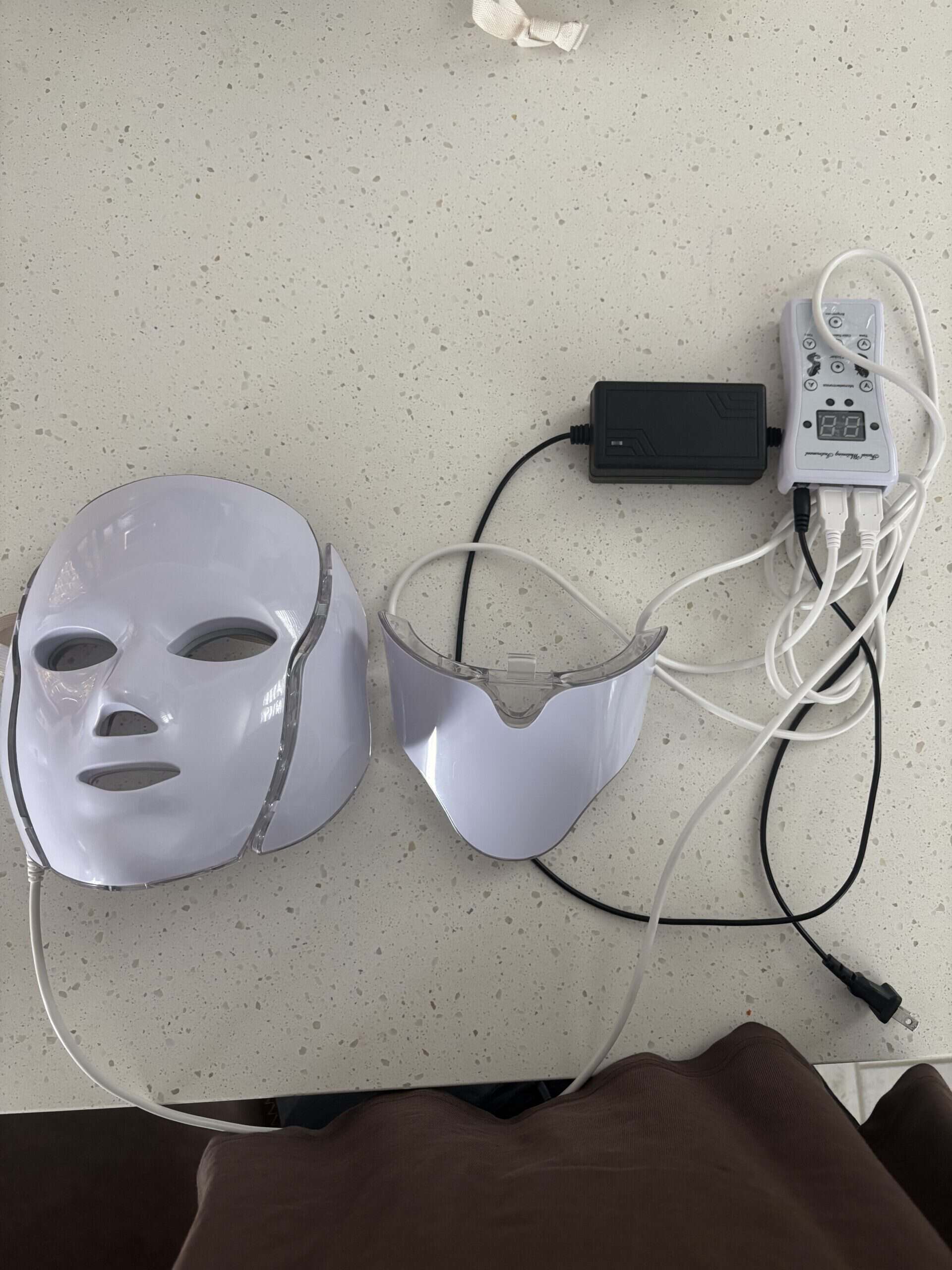
There is no evidence-based frequency for using red light therapy for migraines, since the research is limited, so the practical answer is to follow your device’s recommended schedule, start occasionally rather than daily, and treat it as an optional complement to your regular care. Because how often you should use red light therapy for migraines has no established protocol, this guide covers sensible general practice and how I personally pace it, with device options in our guide to red light therapy devices for migraine.
Medical Disclaimer
This article is for general information and is not medical advice. Red light therapy is not an established migraine treatment. Talk with a qualified healthcare provider before trying it, especially if you have eye conditions, take photosensitizing medications, or have frequent or severe attacks.
Quick Answer
No established migraine frequency exists, so follow your device’s instructions and start occasionally rather than daily. More is not better and is not evidence-based. Many people, including me, use a red light mask only every so often. Pace it to your comfort, keep it complementary to your medical care, and do not overuse it on the assumption that frequency improves migraine results.
Key Takeaways
- There is no evidence-based frequency for migraine.
- Follow the device’s recommended schedule.
- Start occasionally rather than daily.
- More frequent use is not established to help migraine.
- Keep it a complement to your medical care.
There Is No Established Migraine Schedule
The honest starting point is that research has not established how often red light therapy should be used for migraine, because the migraine-specific evidence is limited and early. Protocols you may see quoted online are often borrowed from skin applications or from general wellness use, not from migraine research. This means any frequency is essentially a personal choice made in the absence of proof, not a clinically backed dose. Understanding this keeps expectations realistic and guards against the common assumption that using a device more often will produce better migraine outcomes, which the evidence simply does not support.
Follow Your Device’s Guidance
In the absence of a migraine protocol, the manufacturer’s instructions are your most sensible reference. Device makers provide recommended session lengths and frequencies based on their specific product’s design and intensity, and following those is safer than inventing your own schedule or copying one from an unrelated source. Different devices, a full-face mask versus a panel, for instance, may have different recommendations. Read and follow the guidance that came with your device, treat it as the baseline, and resist the urge to exceed it, since doing more is neither established to help migraine nor necessarily comfortable.
Start Occasionally
A reasonable approach is to begin with occasional use rather than committing to a daily routine. This lets you see how you tolerate it, which matters for migraine sufferers who can be sensitive to light and stimulation, before deciding whether to use it more. Occasional use also fits the reality that this is an unproven complement, not a treatment requiring strict adherence. If you find you enjoy it and it agrees with you, you can settle into whatever gentle rhythm suits you within the device’s guidance. There is no benefit to forcing a high frequency you do not find comfortable or pleasant.
How Often I Use Mine
For a concrete example, offered as personal experience rather than a recommendation, I use my full-face red light mask only occasionally, roughly once every couple of weeks, and that figure includes the times I use it recreationally for skin rather than for migraine. For migraine specifically, I reach for it even less often, just now and then, mid-attack, when other things I try have not helped. I have kept this occasional pace for the eight months to a year I have owned it. It suits me as a low-key, enjoyable extra, and I have never felt a need to use it more frequently in pursuit of migraine relief.
Why More Is Not Better
It is worth stating plainly: using red light therapy more often will not reliably produce better migraine results, because there is no evidence establishing a dose-response relationship for migraine. Overusing a device can also become uncomfortable, take up time, and, given migraine’s light sensitivity, potentially bother some people. The sensible principle is to use it within the device’s guidance at a frequency you find comfortable and pleasant, and to judge it as an optional complement rather than something to maximize. Consistency in your evidence-based migraine care matters far more than how frequently you use an unproven light device.
Keep It a Complement
Whatever frequency you settle on, the key is that red light therapy stays a complement to, not a substitute for, proper migraine management. Maintain your evidence-based treatments, trigger awareness, and healthy sleep and hydration habits at their appropriate cadence, and let red light use be an occasional optional extra layered on top. If your migraines are frequent or severe, that is a reason to focus on medical care and see your doctor, not to increase how often you use a light device. Paced this way, as a gentle, occasional complement, it can be a pleasant addition without overstating its role.
Recommended Reading
- how to use red light therapy for migraines, for practice.
- do red light therapy masks help migraines, for the evidence.
- is red light therapy safe for migraines, on safety.
- red light therapy devices for migraine, for options.
- choosing migraine glasses
Frequency in the Bigger Picture
It helps to keep frequency in perspective against what really drives migraine control. Consistency in your medical treatment, trigger management, sleep, and hydration matters far more than how often you use any light device, and options like red light devices or the better-evidenced green light lamps are extras layered on top. If you find yourself hoping that using a device more often will compensate for gaps in your core care, that is a signal to refocus on the fundamentals and see your doctor. Frequency of an unestablished complement is simply a minor detail next to the habits and treatments that genuinely shape how your migraines go.
How Often to Use Red Light Therapy for Migraines FAQ
How many times a week should I use red light therapy for migraine?
There is no evidence-based number for migraine. Follow your device’s recommended frequency and start occasionally. Many people use it only every so often. Since no migraine protocol is established, choose a comfortable frequency within the device guidance rather than any specific weekly target.
Can I use red light therapy every day for migraines?
Follow your device’s guidance. Daily use is neither required nor established to help migraine specifically. Many people, including me, use it only occasionally. Avoid daily use purely on the assumption it improves migraine outcomes, since the evidence does not establish that more frequent use helps.
Does using red light therapy more often help migraines more?
There is no evidence that more frequent use produces better migraine results, since no dose-response relationship has been established for migraine. Using it more can also be uncomfortable. Use it within the device’s guidance at a frequency you find pleasant, rather than trying to maximize it.
How long before red light therapy helps migraines?
There is no established timeline, because the migraine evidence is limited. It is not established to reliably help migraine at all, so no dependable timeframe exists. Approach it as an experiment without expecting a specific result by a certain point, and keep up your evidence-based care.
Is it bad to overuse a red light mask?
Overusing it is not established to help migraine and can be uncomfortable, time-consuming, and, given light sensitivity, potentially bothersome for some. Stay within the device’s recommended use. There is no migraine benefit to exceeding the guidance, so gentle, occasional use is the sensible approach.
Should frequency change during a migraine attack?
There is no established protocol for this. Some people use it occasionally mid-attack as comfort, as I do, but red light can aggravate migraine in some people, so caution is warranted during an attack. Start gently, stop if it worsens symptoms, and prioritize your usual acute care.
Is there a recommended weekly frequency for migraine?
No established weekly frequency exists for migraine specifically, since the research is limited. Follow your device instructions and use it at a comfortable, occasional cadence. Any specific weekly number you see is generally borrowed from skin use or general wellness, not migraine research.
Will consistent daily use prevent migraines?
There is no evidence that daily red light use prevents migraines. Prevention comes from established treatments, trigger management, and healthy habits. Do not rely on frequent device use for prevention; focus on evidence-based care and consult your doctor about a proper preventive plan.
When should I see a doctor about how often to use red light therapy?
Talk to a clinician before setting a schedule if you take photosensitizing medication, have an eye condition, or have had eye surgery. See a doctor if your attacks are increasing in frequency or intensity while you are using it. Frequency guidance from a device manual is not a treatment plan for a headache disorder.
Sources
- American Migraine Foundation, evidence-based migraine management guidance.
- University of Arizona Health Sciences, research on light therapy for migraine.
