
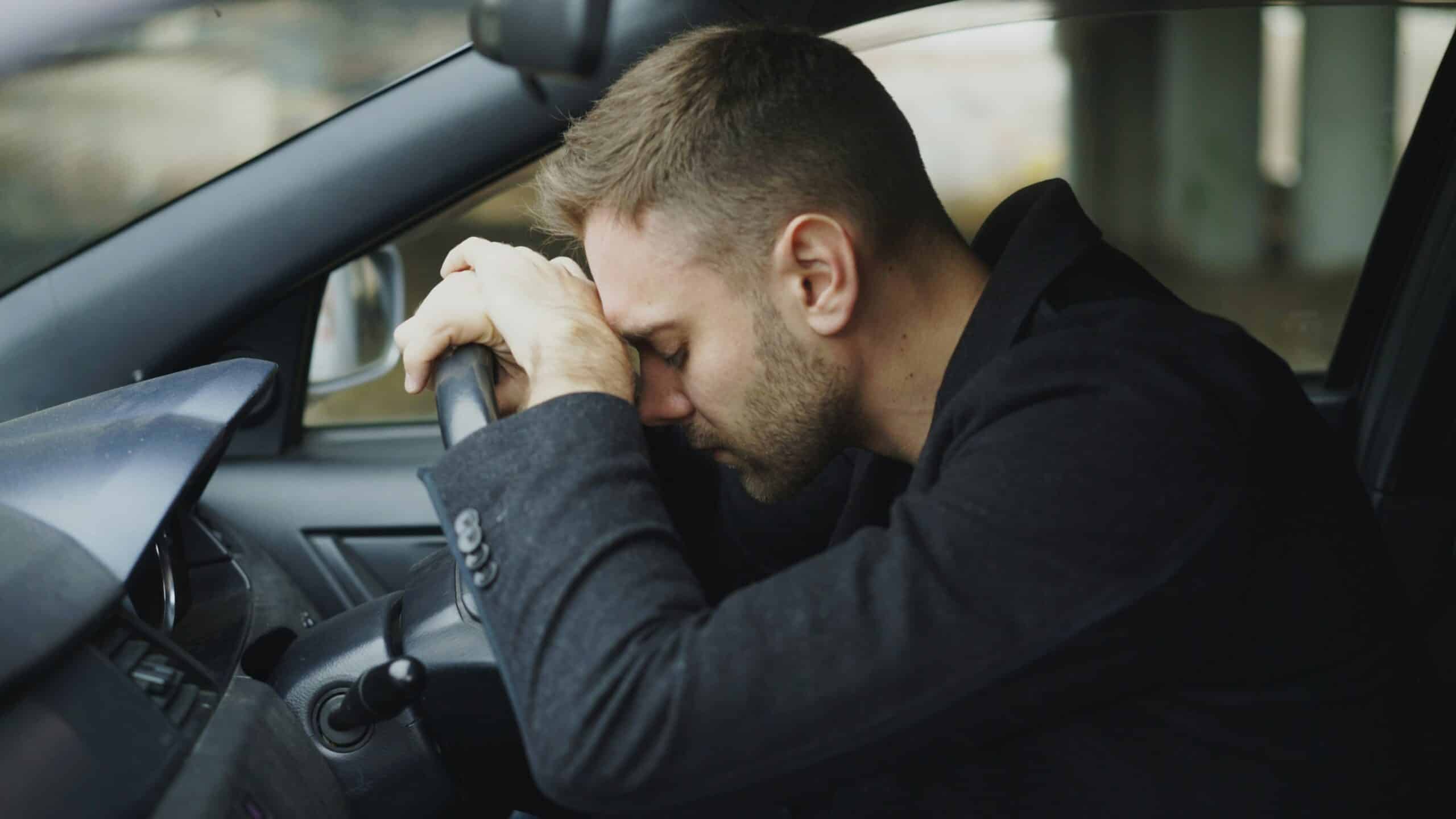
Getting through a hard week and then losing Saturday to a migraine is a recognized pattern rather than bad luck. It is sometimes called letdown headache, and the attack arrives after stress drops rather than while it is high.
Three things usually change at once on a weekend, which is why the effect is stronger than any one of them explains. Our note on how stress triggers migraines covers the stress side.
Medical Disclaimer
This is general information rather than medical advice. A change in headache pattern, attacks that become more frequent, or any new neurological symptom should be discussed with a doctor rather than managed by adjusting a routine.
Quick Answer
Stress dropping after a sustained period is associated with attacks in the following day or two. Sleeping later and delaying caffeine compound it.
What Changes on a Weekend
| Change | Why it matters |
|---|---|
| Stress drops sharply | Letdown pattern, attack follows the release |
| Sleeping in | Oversleeping is a reported trigger |
| Caffeine arrives later | Withdrawal effects from a delayed dose |
| Meals shift or get skipped | Missed meals are a documented trigger |
| Different light exposure | Later waking changes morning light timing |
| Alcohol on Friday night | A separate trigger landing on the same day |
The Letdown Pattern
Research on stress and migraine has described attacks occurring in the period after stress declines rather than at the peak of it.
That is deeply counterintuitive, because most people expect the attack to arrive during the difficult week rather than once it has ended.
The proposed explanation involves the body’s stress response tapering, with the change itself acting as the trigger rather than the stress level.
It also explains why holidays and the first days of a long vacation come up so often in exactly the same conversation. Our note on the main migraine triggers covers the wider list.
Sleeping In Is Not Neutral
Oversleeping is a reported trigger
Sleeping considerably longer than usual appears in trigger lists alongside sleeping too little.
Consistency matters more than duration
A stable wake time is generally emphasized over total hours.
Two hours is enough to matter
The shift does not need to be dramatic to change the pattern.
It compounds the caffeine effect
A later wake time means a later first dose. Our note on whether oversleeping triggers a migraine covers that directly.
The Caffeine Timing Problem
Someone who has coffee at seven every weekday and at ten on Saturday has effectively gone three extra hours without it.
Caffeine withdrawal is a documented cause of headache, and regular users can experience it from a delayed dose rather than a missed one.
This is one of the more actionable items on the list, because keeping the timing consistent costs nothing.
Cutting caffeine entirely is a separate decision with its own withdrawal period, and it is not what this suggests. Our note on caffeine and migraine covers the relationship.
Meals and Timing
Skipping or delaying meals appears consistently in migraine trigger guidance, and weekends disrupt eating schedules more than weekdays do.
A late breakfast that replaces both breakfast and lunch is a longer gap than any weekday produces.
Blood sugar changes are the explanation usually offered for this, though the underlying mechanism is not fully settled in the research.
Eating on roughly the weekday schedule is another adjustment that costs nothing at all and is easy to test for a few weeks.
Friday Night Adds Its Own Variables
Alcohol is among the most commonly reported dietary triggers, and it clusters on Friday evenings.
Red wine appears more often than other drinks in trigger reports, though individual patterns vary considerably and plenty of people react to something else entirely.
Late nights out shift sleep timing in the opposite direction before the weekend sleep-in shifts it back.
Dehydration from alcohol adds a further factor on top of the sleep disruption. Our note on preventing dehydration migraines covers hydration.
Why the Effects Stack Rather Than Compete
Trigger discussions frequently look for the one cause, and weekends are a case where that framing gets in the way.
Migraine triggers are widely described as cumulative, with several sub-threshold factors combining into an attack that none of them would have produced alone.
A weekend delivers a stress drop, a sleep shift, delayed caffeine, and a changed meal schedule on the same morning, which is an unusually dense cluster. Any schedule shift can do this, and the clock change covers the twice yearly version.
That explains why the pattern can be strong even when each individual factor seems minor, and why someone who tests one change at a time may see little effect from any of them.
It also means partial improvement is a reasonable outcome rather than a failure, since removing two of four contributors may bring the total below your threshold without eliminating anything entirely. Our note on spotting patterns in tracking data covers reading your own record.
Untangling Which One It Is
Track for several weekends
A pattern across weeks tells you more than any single Saturday.
Change one thing at a time
Fixing wake time and caffeine simultaneously leaves you unsure which helped.
Note Friday evening too
Saturday attacks frequently have Friday causes.
Watch holidays and vacations
If those also produce attacks, letdown is the likely common factor.
What Actually Helps
Keeping the wake time within about an hour of the weekday one is the single most commonly suggested adjustment, and it addresses sleep and caffeine timing together.
Having the first caffeine at the usual hour, even if you go back to bed afterward, separates that variable out.
Avoiding a complete stress cliff by keeping some light structure to a Saturday morning is much harder to quantify than the other two, and it is frequently suggested specifically for the letdown pattern.
None of that is a substitute for preventive treatment where attacks are frequent, which is a conversation for a doctor. Our note on building a migraine toolkit covers preparation.
When It Is Worth Raising With a Doctor
Attacks that are becoming more frequent or more severe warrant assessment rather than routine adjustment.
A headache pattern that changes character, or one that no longer responds to what used to work, is worth reporting.
Frequent use of acute medication carries its own risk of medication overuse headache, which can itself produce a recurring pattern.
Any new neurological symptom alongside the headache is a reason to seek care promptly rather than track it. Our guide to medication overuse headache covers that risk.
Common Mistakes to Avoid
Treating it as coincidence
The weekend pattern is recognized, and noticing it is the first step to changing it.
Sleeping in to catch up
Oversleeping is itself a reported trigger, so recovery sleep can backfire.
Delaying the first coffee
Regular users can get withdrawal effects from a late dose rather than a missed one.
Changing everything at once
You learn nothing about which factor was driving it.
Sources
American Migraine Foundation, on stress, letdown headache, and migraine triggers. Mayo Clinic, on migraine triggers including sleep and caffeine. National Institute of Neurological Disorders and Stroke, on migraine and headache disorders. International Headache Society, on headache classification and medication overuse headache.
Weekend Migraine FAQ
Why do I get migraines on weekends?
Most commonly the letdown pattern, where attacks follow a drop in stress rather than the stress itself. Sleep and caffeine shifts compound it.
What is letdown headache?
Attacks occurring after a sustained stressful period ends rather than during it. Research has described this relationship between declining stress and subsequent attacks.
Does sleeping in cause migraines?
Oversleeping appears in trigger lists alongside sleeping too little. Consistency of wake time is generally emphasized over total hours.
Could it be caffeine?
Frequently. A regular user who has coffee three hours later than usual has effectively delayed the dose enough to produce withdrawal effects.
What should I change first?
Wake time. Keeping it within about an hour of weekdays addresses sleep timing and caffeine timing at once.
Why do holidays do the same thing?
Same mechanism. A break after sustained pressure produces the same stress drop that weekends do, over a longer period.
How long should I track it?
Several weekends. A single Saturday tells you very little, and the pattern only becomes visible across weeks.
When should I see a doctor?
If attacks become more frequent or severe, if the pattern changes character, if acute medication use is increasing, or with any new neurological symptom.
