
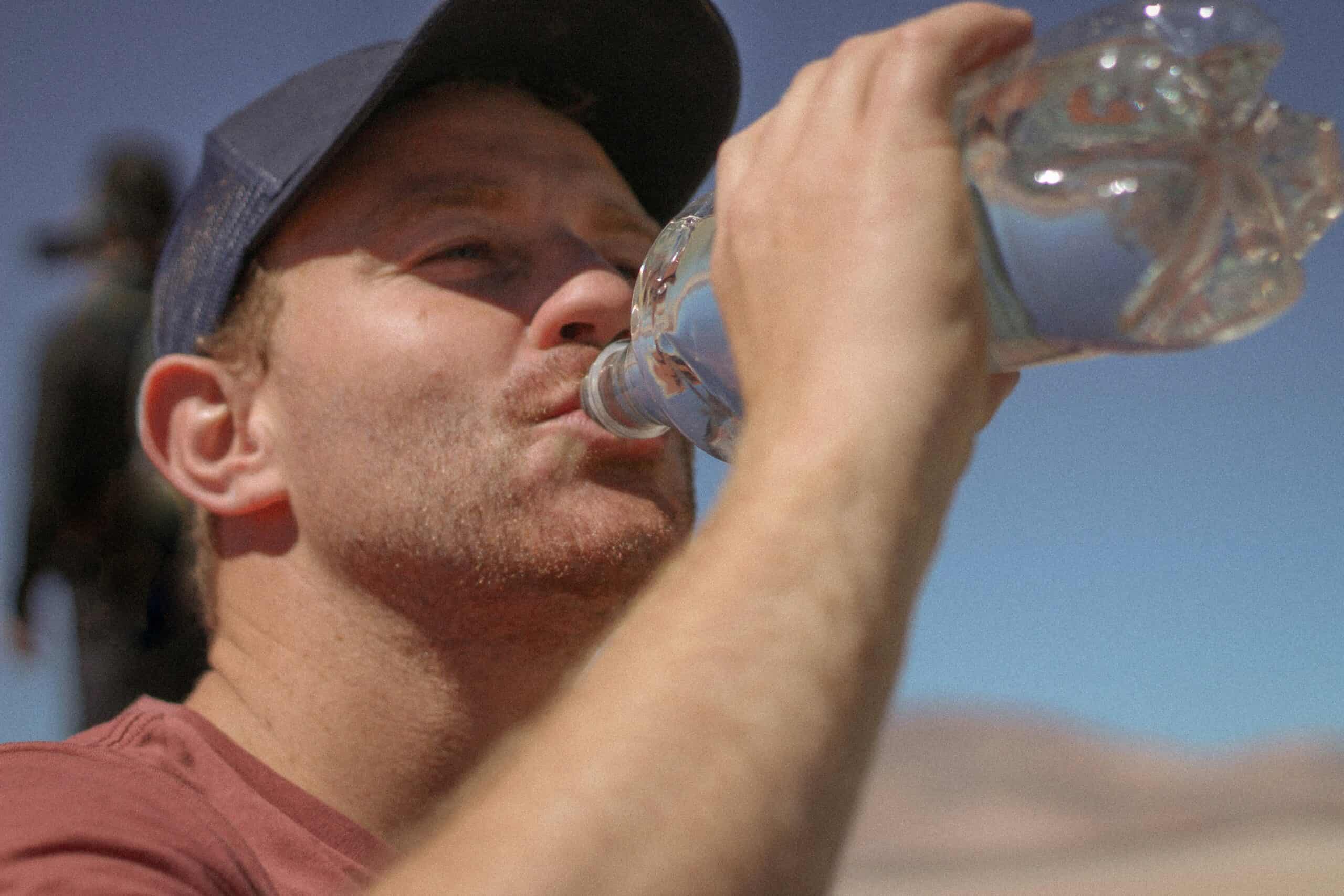
Advice to drink more water assumes forgetting is the problem to solve with effort. For most people it is not a motivation problem, it is that nothing in the day prompts it.
What works is arranging things so drinking happens without a decision. Our note on preventing dehydration migraines covers the connection.
Medical Disclaimer
This is general information rather than medical advice. Fluid needs vary with body size, activity, climate, medication, and medical conditions including kidney and heart disease. Anyone with a condition affecting fluid balance should follow a doctor’s guidance rather than general advice. Drinking very large volumes of plain water rapidly carries its own risk.
Quick Answer
Attach drinking to things you already do rather than relying on memory. Visible water, a bottle you like, and pairing it with existing habits does more than intending to drink more.
Why Reminders Alone Fail
| Approach | Why it works or does not |
|---|---|
| Deciding to drink more | No cue, so nothing changes |
| Phone reminders | Works briefly, then gets dismissed |
| Water in sight | The container is the cue |
| Paired with an existing habit | Borrows a cue that already fires |
| Marked bottle | Makes progress visible |
| Waiting for thirst | Thirst lags behind need |
Thirst Is a Late Signal
Thirst tends to register after fluid loss has already occurred rather than in advance of it, which is why waiting for it produces a pattern of catching up rather than staying level.
It also weakens with age, so the same signal becomes less reliable over time.
Concentration suppresses it further. People absorbed in work frequently do not notice thirst until they stop, which is why the problem clusters in focused jobs.
None of that is a discipline failure. It is a signal that arrives late and is easy to override. Our roundup of water bottles covers making it visible.
Attach It to Something You Already Do
Every time you sit down at a desk
A predictable event several times a day that already has your attention.
Before every meal
Three fixed points that happen regardless of how the day goes.
Whenever you refill coffee
The trip is already happening, which removes the effort entirely.
After every bathroom visit
Self-reinforcing, and the frequency scales naturally with how much you are drinking.
Why the Habit Approach Works
Behavior research consistently finds that new habits attach to existing cues more reliably than they form from intention alone.
An existing habit already has a trigger that fires without thought, which is what makes it useful to borrow. Sitting at a desk, starting a meal, or making coffee all happen without deciding to.
Adding a small action to something already automatic requires far less effort than establishing a new behavior with no cue at all.
The specificity matters. Intending to drink more water has no trigger, while drinking a glass every time you sit at your desk has one that fires several times a day.
That is also why the approach survives busy weeks, when intentions are the first thing to go. Our note on creating a migraine-friendly workspace covers building the environment around it.
Make the Water Visible
A bottle out of sight is a bottle that does not get used, and a cupboard is out of sight in the way that matters.
Keeping a filled container in your line of sight at a desk turns the object itself into the reminder, which is more reliable than any notification because it does not need dismissing.
Several containers in different places removes the walk that stops people topping up.
Filling it the night before means the first one is already there rather than being a task at the start of a day. Our note on dark sunglasses for migraine sufferers covers desk setup.
The Bottle Matters More Than It Should
People drink more from a container they like using, which sounds trivial and shows up consistently in practice.
Straw lids increase intake for many people because drinking requires less interruption than unscrewing a cap and tilting a bottle.
Capacity is a trade. A large bottle means fewer refills and it is heavy and awkward to carry; a small one is easy to carry and needs constant refilling.
Marked bottles with time or volume indicators make progress visible, which some people find useful and others find irritating enough to abandon.
Timing Through the Day
Spreading intake matters more than the total, and most people who under-drink do it in a predictable pattern.
Mornings are frequently the largest deficit, since several hours of sleep pass without fluid and the first thing many people reach for is coffee.
The middle of a working day is the second gap, where concentration suppresses thirst and hours pass without a break.
Drinking heavily in the evening to make up the total tends to disrupt sleep, which is counterproductive for anyone whose attacks are affected by sleep quality.
A glass on waking and steady intake through the working day addresses both gaps, and it costs nothing beyond deciding where the container sits. Our note on whether oversleeping triggers migraines covers the sleep side.
Fluid Does Not Only Mean Water
Most beverages contribute to fluid intake, and food contributes a meaningful share as well through fruit, vegetables, soup, and similar.
Caffeinated drinks are more complicated for people with migraine, since caffeine is both an ingredient in some migraine medications and a recognized trigger for some individuals, particularly around changes in intake.
Alcohol is recognized as a trigger for many people with migraine independent of its effect on hydration.
Where plain water is unappealing, adding fruit or using sparkling water gets the fluid in without pretending preferences do not matter. Our roundup of electrolyte drinks covers the added-mineral option.
Situations That Need More Attention
Hot weather increases fluid loss substantially, and dry heat does it without the visible sweating that prompts people to drink.
Exercise is obvious and still frequently underestimated, particularly for activity that does not feel strenuous.
Air travel and air-conditioned buildings both sit at low humidity, which increases loss through breathing without any subjective signal.
Illness involving fever, vomiting, or diarrhea increases needs considerably and is the situation where medical advice matters rather than general guidance. Our note on traveling with chronic migraine covers travel.
Checking Without Counting
Urine color is the practical everyday indicator, with pale yellow generally taken as adequate and darker suggesting more fluid is needed.
It is affected by vitamins, some medications, and certain foods, so it is a rough guide rather than a measurement.
Counting glasses works for some people and becomes a chore for many, which is why the container-based approach tends to last longer.
Frequency of urination is the other everyday signal, and a substantial change either direction is worth mentioning to a doctor.
When It Is Not Just Forgetting
Persistent thirst that drinking does not resolve is a reason to see a doctor rather than to drink more.
Some medications affect fluid balance directly, including diuretics, and that changes what adequate intake means for an individual.
Kidney and heart conditions can make higher intake inappropriate rather than helpful, which is the opposite of general advice.
Anyone in those categories should be following individual guidance rather than a general article. Our note on when to see a doctor about migraines covers that.
Sources
American Migraine Foundation, on dehydration as a commonly reported trigger. Mayo Clinic, on fluid needs and factors that increase them. National Institute of Neurological Disorders and Stroke, on migraine triggers.
Staying Hydrated FAQ
How do I remember to drink water?
Do not rely on remembering. Attach it to something that already happens, and keep filled water in your line of sight so the container is the cue.
Why does waiting for thirst not work?
Thirst registers after fluid loss rather than before it, weakens with age, and is easily suppressed by concentration. It produces catching up rather than staying level.
How much should I drink?
It varies with body size, activity, climate, and medical conditions, which is why a single number does not apply to everyone. Urine color is the practical everyday guide.
Does coffee count?
It contributes fluid, and caffeine is more complicated with migraine since it appears in some medications and is a recognized trigger for some people.
Do phone reminders help?
Briefly. Most people start dismissing them within days, which is why a visible container tends to outlast a notification.
Does the bottle really matter?
More than it should. People drink more from containers they like using, and straw lids increase intake for many because drinking interrupts less.
When do I need more than usual?
Hot weather, exercise, air travel, and air-conditioned buildings all increase loss. Illness with fever or vomiting is a medical situation rather than a general one.
When should I see a doctor?
Persistent thirst that drinking does not resolve, a marked change in urination, or if you take medication or have a condition affecting fluid balance.
