
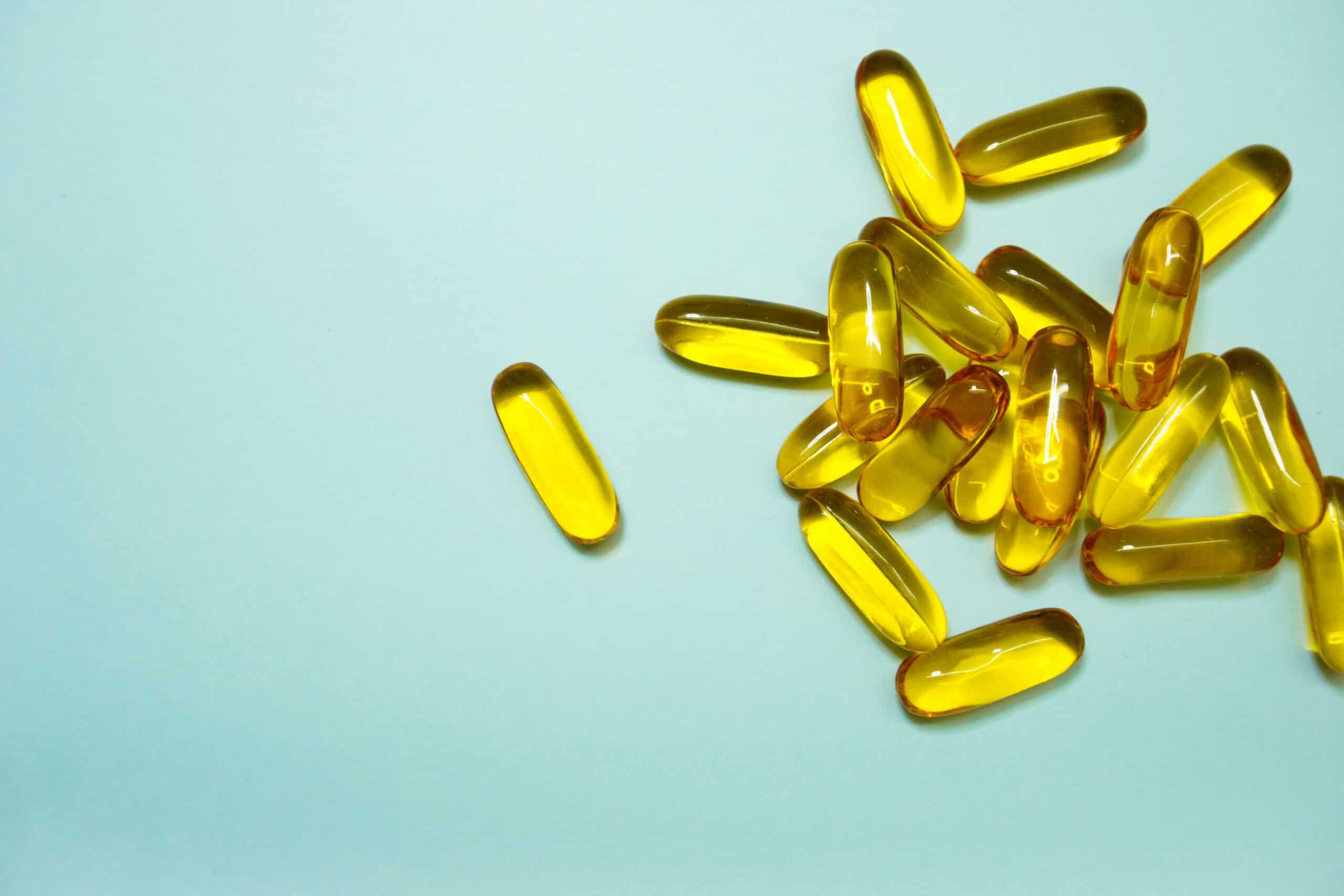
Vitamin D supplements for migraine prevention have emerged as one of the more interesting findings in recent headache research. In fact, multiple studies show migraine sufferers are 2-3 times more likely to have vitamin D deficiency than the general population, and several controlled trials demonstrate that supplementation reduces both migraine frequency and severity in deficient sufferers. Specifically, the mechanism appears to involve vitamin D’s effects on inflammation, calcium signaling, and nervous system function, all factors implicated in migraine pathology. As a result, for migraine sufferers who haven’t checked their vitamin D status, supplementation may be one of the highest-leverage interventions available.
This guide covers the five best vitamin D supplements for migraine prevention in 2026, evaluated on dose, bioavailability, third-party testing, and the practical question of whether the supplement actually delivers the therapeutic levels that migraine research suggests.
Why Vitamin D Supplements for Migraine Prevention Matter
The vitamin D-migraine connection works through several interconnected mechanisms.
Vitamin D regulates calcium signaling throughout the body, including in nervous system tissue. In particular, calcium signaling abnormalities are implicated in migraine pathology, the spreading depolarization wave that triggers migraine aura involves calcium dysregulation specifically. Therefore, adequate vitamin D supports proper calcium handling that may reduce migraine triggering.
Furthermore, inflammation modulation is another key mechanism. Vitamin D acts as an immune system regulator, reducing inflammatory markers that contribute to migraine pathology. Notably, chronic low-grade inflammation appears in many migraine sufferers, and vitamin D supplementation measurably reduces these inflammatory markers.
Additionally, mitochondrial function depends on adequate vitamin D levels. Migraine sufferers often show impaired mitochondrial energy metabolism, the same mechanism that drives the effectiveness of riboflavin, CoQ10, and magnesium for migraine prevention. Importantly, vitamin D supports mitochondrial function through different pathways, complementing rather than overlapping with these other interventions.
Beyond that, serotonin synthesis requires adequate vitamin D. Low serotonin levels are connected to migraine pathology, and vitamin D plays a role in serotonin production in the brain. In other words, this connection helps explain why vitamin D deficiency correlates with both migraine frequency and depression, both conditions involve serotonin dysregulation.
For a broader migraine supplement strategy, our guides on the best riboflavin supplements for migraine prevention, the best CoQ10 supplements for migraine prevention, and the best magnesium supplements for migraine prevention cover the Level B evidence supplement trio that pairs well with vitamin D for comprehensive prevention strategies.
What to Look For in Vitamin D Supplements
D3 Versus D2 Form
First, two forms of vitamin D supplements exist. Vitamin D3 (cholecalciferol) is the form your skin produces from sun exposure and the form found in animal-based food sources. By contrast, vitamin D2 (ergocalciferol) comes from plant and fungal sources, often in prescription form. Importantly, research consistently shows D3 raises blood vitamin D levels more effectively than D2 at equivalent doses.
Therefore, for migraine prevention specifically, D3 is the form to choose. The bioavailability advantage matters dramatically over months of supplementation, and the research supporting vitamin D for migraines uses D3 in most studies.
Dose Range Appropriate for Therapeutic Use
Generally, the right dose depends on your starting blood levels, body size, and sun exposure patterns. Specifically, most migraine research uses 1,000-5,000 IU daily for prevention purposes. However, standard multivitamins contain 400-1,000 IU, often inadequate for therapeutic effect in deficient sufferers.
In practice, for most adults starting supplementation without recent blood work, 2,000 IU daily provides a reasonable starting dose. Meanwhile, higher doses (4,000-5,000 IU) may be appropriate for known deficiency or for short-term correction of low levels. Doses above 4,000 IU should ideally include periodic blood level monitoring to prevent toxicity.
Vitamin K2 Combination
When choosing vitamin D supplements for migraine prevention, vitamin K2 directs calcium that vitamin D mobilizes toward bones and teeth rather than soft tissue and arteries. Consequently, combination supplements with both D3 and K2 often produce better calcium handling than D3 alone, particularly for sufferers taking higher D3 doses.
In particular, the combination matters more for high-dose D3 supplementation than for moderate doses. At 2,000 IU daily, the K2 combination provides a modest benefit. At 4,000-5,000 IU daily, the K2 combination becomes more important for proper calcium routing.
Third-Party Testing
Notably, vitamin D supplements vary significantly in actual content versus label claims. For example, independent testing has found products containing anywhere from 9% to 146% of labeled doses. Third-party verification through USP, NSF, or ConsumerLab confirms products contain what they claim at the purity claimed.
For vitamin D supplements for migraine prevention taken daily for months, the difference between actual content and label content matters significantly. The minor cost premium of third-party tested products produces meaningful reliability advantages.
Carrier Oil Quality
Vitamin D is fat-soluble, requiring carrier oil for absorption. Typically, quality supplements use medium-chain triglyceride (MCT), olive oil, or other quality oils that improve absorption. However, avoid supplements using soybean oil exclusively, which provides less optimal absorption profiles.
Additionally, for sensitive users, oil-based softgels often work better than dry powder capsules. The fat content directly supports the vitamin D absorption mechanism that requires fat for transport.
Best Vitamin D Supplements for Migraine Prevention in 2026: Our Top 5 Picks
1. NOW Foods Vitamin D-3 5,000 IU, Best Overall
Best Overall Vitamin D Supplement | Price: ~$10 (240 softgels)
Best for: Most migraine sufferers wanting therapeutic dosing, buyers wanting reliable quality at reasonable pricing, and owners stocking up on long-term supplementation supplies.
NOW Foods delivers therapeutic vitamin D3 dosing at a price point that historically produced inferior products. Specifically, each softgel contains 5,000 IU of D3 in an extra virgin olive oil base, both the dose and the carrier oil match what migraine research uses. In addition, the 240-softgel bottle provides eight months of daily supplementation, simplifying long-term prevention routines and reducing reorder frequency dramatically.
Furthermore, NOW Foods manufacturing meets cGMP standards with third-party testing across product lines. Indeed, the brand has established credibility across decades of supplement market presence. Quality genuinely matches premium alternatives at a fraction of the cost, this isn’t a budget product compromising on actual content.
For migraine sufferers wanting therapeutic vitamin D supplements for migraine prevention, NOW Foods delivers the dose that research supports at a price that doesn’t require justifying premium investment.
The trade-off is that 5,000 IU may be higher than some users need. For users with confirmed or suspected deficiency, the 5,000 IU dose addresses the deficiency more effectively than lower-dose maintenance supplements.
PROS:
- Therapeutic 5,000 IU dose per softgel
- Extra virgin olive oil base for absorption
- 240-softgel bottle for extended supply
- Third-party tested manufacturing
- Strong value proposition
CONS:
- Higher dose than some users may need
- No K2 combination for high-dose users
- Single-dose option without flexibility
- Olive oil base may not suit all users
For a complete migraine supplement strategy, our guide on the best magnesium supplements for migraine prevention covers the mineral side that pairs with vitamin D in comprehensive prevention.
2. Sports Research Vitamin D3 K2, Best Combination Pick
Best D3 + K2 Combination | Price: ~$22 (60 softgels)
Best for: Users on higher D3 doses, buyers wanting comprehensive cardiovascular and bone support alongside migraine prevention, sufferers preferring single-pill combination supplements.
Sports Research combines 5,000 IU vitamin D3 with 100 mcg of MK-7 vitamin K2 in a single softgel. Notably, the MK-7 form of K2 offers superior bioavailability and longer half-life than the MK-4 form found in cheaper combinations. The MCT oil carrier base from coconuts provides an excellent absorption profile.
Importantly, the combination matters specifically for migraine sufferers taking high-dose D3 long-term. Otherwise, without K2, high-dose D3 mobilizes calcium that may deposit in arteries rather than going to bones where it belongs. K2 ensures the calcium reaches appropriate destinations, providing cardiovascular and bone benefits alongside the migraine prevention effects.
In addition, Sports Research uses third-party testing and Certified for Sport processes that exceed standard manufacturing certification. The brand has established credibility in the supplement market through quality-focused positioning.
The trade-off is price. At $22 for 60 softgels (60-day supply), Sports Research costs significantly more per dose than NOW Foods’ 240-softgel bottle. The K2 combination justifies the premium for users wanting the cardiovascular protection alongside D3 supplementation. For users not specifically wanting K2, NOW Foods provides comparable D3 quality at a lower cost.
PROS:
- Combined D3 and MK-7 K2 in single softgel
- MCT oil carrier for excellent absorption
- 5,000 IU therapeutic dose
- Third-party tested with Certified for Sport
- Strong combination value for high-dose users
CONS:
- Premium pricing per dose versus D3-only alternatives
- 60-day supply requires more frequent reordering
- K2 combination unnecessary for moderate doses
- The coconut MCT base may not suit all users
3. Thorne Research Vitamin D-1000, Best Practitioner-Grade Pick
Best Practitioner-Grade Vitamin D | Price: ~$13 (90 capsules)
Best for: Migraine sufferers working with functional medicine practitioners, users wanting flexible dosing through smaller increments, buyers prioritizing clinical-grade manufacturing quality.
Specifically, Thorne provides 1,000 IU per capsule, allowing flexible dose customization from 1,000 to 5,000 IU based on individual needs and blood level testing. For users working with practitioners who adjust doses based on regular blood work, the smaller per-capsule increment provides precision that 5,000 IU products can’t match.
Moreover, Thorne’s manufacturing standards exceed typical supplement industry baselines. NSF Certified for Sport status, third-party testing across multiple parameters, and strict quality control produce supplements widely recommended by practitioners. The brand’s clinical-market positioning matters for users with complex supplement protocols where ingredient purity matters dramatically.
Additionally, the capsule formulation uses minimal additional ingredients, suitable for users with chemical sensitivities or those wanting maximum simplicity in their supplement formulations. The hypoallergenic profile minimizes interaction risk with other supplements or medications in complex protocols.
The trade-off is dose efficiency. Reaching a 5,000 IU therapeutic dose requires 5 capsules daily versus 1 softgel with NOW Foods. For users who benefit from the smaller-increment flexibility, the multi-capsule daily dose is acceptable. For users wanting simple single-pill supplementation, 5,000 IU products serve better.
PROS:
- 1,000 IU increments allow flexible dosing
- Practitioner-grade manufacturing standards
- NSF Certified for Sport
- Hypoallergenic formulation
- Strong reputation in the clinical market
CONS:
- Multiple capsules required for the therapeutic dose
- Less efficient than higher-dose alternatives
- Premium positioning for D-only product
- A smaller bottle requires more frequent reordering
4. Pure Encapsulations Vitamin D3 5,000 IU, Best Premium Pick
Best Premium Vitamin D Supplement | Price: ~$28 (120 capsules)
Best for: Users with multiple chemical sensitivities, sufferers wanting the cleanest possible formulation, buyers willing to pay a premium for the highest-tier manufacturing.
Notably, Pure Encapsulations targets the most sensitive end of the supplement market. The Vitamin D3 5,000 IU capsule contains exactly 5,000 IU of D3 with minimal additional ingredients, just hypoallergenic plant fiber (cellulose), vegetarian capsule, and the necessary stabilizers. Users with multiple food allergies, chemical sensitivities, or autoimmune conditions often tolerate Pure Encapsulations products when standard supplements produce reactions.
Furthermore, manufacturing standards meet practitioner-grade specifications with testing for over 200 contaminants. The brand has established credibility specifically in the practitioner and clinical market, where supplement quality directly affects patient outcomes for sensitive populations.
Importantly, the dose matches research with 5,000 IU per capsule provides therapeutic levels in single-pill simplicity. The vegetarian capsule format suits users avoiding animal products without compromising effectiveness.
The trade-off is price. At $28 for 120 capsules, Pure Encapsulations costs roughly triple that of NOW Foods at the equivalent dose count. For most users, the additional cost doesn’t translate to additional therapeutic benefit. For users with confirmed sensitivities to standard supplement formulations or those working with practitioners who specifically recommend Pure Encapsulations, the premium positioning justifies the price.
PROS:
- Cleanest formulation in our roundup
- Therapeutic 5,000 IU dose
- Hypoallergenic profile
- Tested for 200+ contaminants
- Vegetarian capsule format
CONS:
- Highest pricing in our roundup
- Premium features unnecessary for most users
- Distribution oriented toward practitioner channels
- Less mainstream brand recognition
5. Nature Made Vitamin D3 2,000 IU, Best Mainstream Pick
Best Mainstream Vitamin D Supplement | Price: ~$10 (220 softgels)
Best for: Buyers preferring established mainstream brands, users wanting moderate dosing without therapeutic levels, and owners replacing standard multivitamin D content with dedicated supplementation.
Specifically, Nature Made provides 2,000 IU vitamin D3 per softgel from a brand widely available in pharmacies and grocery stores nationally. In addition, USP Verified manufacturing meets pharmaceutical-grade standards that exceed minimum supplement industry requirements. The 220-softgel bottle provides eight months of daily supplementation.
However, for users wanting moderate dosing rather than therapeutic 5,000 IU levels, Nature Made provides genuine quality at reasonable pricing. The 2,000 IU dose works well for maintenance after initial deficiency correction or for users with adequate baseline levels who want to ensure consistent supplementation.
Furthermore, the mainstream availability matters for some buyers. Walking into a pharmacy and grabbing Nature Made eliminates the wait for online ordering. For users who run out of supplements between deliveries, mainstream brand availability provides practical convenience that online-only specialty brands can’t match.
The trade-off is dose flexibility. The 2,000 IU dose is below what migraine research often uses for prevention purposes. Users wanting therapeutic dosing for known deficiency need either multiple Nature Made softgels daily or alternative higher-dose products. For maintenance-level supplementation, the 2,000 IU dose works well; for active deficiency correction, higher-dose alternatives serve better.
PROS:
- USP Verified pharmaceutical-grade manufacturing
- Wide mainstream pharmacy availability
- Established brand reliability
- 220-softgel bottle for extended supply
- Reasonable pricing for an established brand
CONS:
- 2,000 IU dose below therapeutic research levels
- Multiple softgels required for the full therapeutic dose
- Mainstream positioning above what specialized brands offer
- Less specialized than practitioner-focused alternatives
How to Match Vitamin D Supplements for Migraine Prevention to Your Needs
Ultimately, the right product depends on your specific situation rather than universal recommendations.
For most users seeking vitamin D supplements for migraine prevention without complications, NOW Foods Vitamin D-3 5,000 IU delivers the practical sweet spot. The therapeutic dose, quality manufacturing, and exceptional value make it the default starting point for most users.
Meanwhile, users on long-term high-dose D3 supplementation should consider the Sports Research D3 K2 combination. The K2 ensures appropriate calcium routing that high-dose D3 alone may not optimize, providing cardiovascular and bone benefits alongside migraine prevention.
In addition, buyers working with functional medicine practitioners or wanting flexible dose customization benefit from Thorne Research Vitamin D-1000. The smaller per-capsule increment supports practitioner-guided dose adjustments based on regular blood work.
Similarly, users with chemical sensitivities, autoimmune conditions, or complex supplement protocols benefit from Pure Encapsulations Vitamin D3 5,000 IU. The cleanest formulation in the category minimizes interaction risk with sensitive systems.
Buyers preferring mainstream brand availability or wanting moderate maintenance dosing rather than therapeutic levels can use Nature Made Vitamin D3 2,000 IU. The pharmacy availability and USP verification provide reliable quality at moderate dosing levels.
Quick Comparison Table
| Vitamin D Supplement | Best For | Price | Dose Per Capsule | Bottle Count |
|---|---|---|---|---|
| NOW Foods D-3 5,000 IU | Most users | ~$10 | 5,000 IU | 240 |
| Sports Research D3 + K2 | Combination users | ~$22 | 5,000 IU + 100 mcg K2 | 60 |
| Thorne Research D-1000 | Practitioner-grade | ~$13 | 1,000 IU | 90 |
| Pure Encapsulations D3 5,000 IU | Premium pick | ~$28 | 5,000 IU | 120 |
| Nature Made D3 2,000 IU | Mainstream pick | ~$10 | 2,000 IU | 220 |
Our Verdict
Overall, most migraine sufferers do best with NOW Foods Vitamin D-3 5,000 IU. The therapeutic dose, quality olive oil base, third-party testing, and exceptional value deliver reliable supplementation at a price point that doesn’t require justifying premium investment. Buy this unless you have a specific reason to choose differently.
Users on long-term high-dose D3 supplementation should look at Sports Research Vitamin D3 K2. The K2 combination ensures proper calcium routing that high-dose D3 alone may not optimize, providing additional cardiovascular and bone benefits.
Meanwhile, buyers working with practitioners or wanting flexible dose adjustment benefit from Thorne Research Vitamin D-1000. The 1,000 IU increments support guided supplementation based on blood level testing.
Similarly, users with chemical sensitivities or complex supplement protocols benefit from Pure Encapsulations Vitamin D3 5,000 IU. The cleanest formulation minimizes interaction risk with sensitive systems.
Buyers preferring mainstream brand availability or moderate maintenance dosing can use Nature Made Vitamin D3 2,000 IU. The pharmacy availability and USP verification provide convenience and quality at a moderate cost.
Finally, pair the right vitamin D supplement with riboflavin at 400mg daily, magnesium glycinate at 400-600mg daily, CoQ10 at 100-300mg daily, and butterbur where appropriate, and you have a comprehensive supplement-based prevention stack with strong evidence support across multiple mechanisms.
Frequently Asked Questions
Does vitamin D really help migraines?
Indeed, multiple studies show migraine sufferers are 2-3 times more likely to be vitamin D deficient than the general population, and supplementation reduces both attack frequency and severity in deficient users. The mechanisms involve inflammation reduction, calcium signaling, mitochondrial function, and serotonin synthesis, all pathways implicated in migraine pathology. Notably, effects are most pronounced in users with confirmed deficiency rather than those with adequate baseline levels.
What dose of vitamin D should I take for migraines?
Generally, migraine prevention research typically uses 1,000-5,000 IU daily, depending on baseline levels and body size. For example, for users with adequate baseline levels, 1,000-2,000 IU daily provides maintenance. By contrast, for users with a deficiency, 4,000-5,000 IU daily addresses correction more effectively. Doses above 4,000 IU should ideally include periodic blood level monitoring to prevent toxicity.
Should I get my vitamin D levels tested?
Ideally, yes, particularly before starting high-dose supplementation. Specifically, standard blood tests measure 25-hydroxyvitamin D (25(OH)D), with deficiency typically defined as below 20 ng/mL and optimal levels at 30-50 ng/mL. Therefore, testing identifies your specific starting point and guides appropriate supplementation. Without testing, conservative dosing (2,000 IU daily) provides reasonable supplementation while avoiding toxicity risk.
How long until vitamin D works for migraines?
Typically, initial blood level changes appear within 4-6 weeks of consistent supplementation. Then, migraine frequency reduction typically emerges over 8-12 weeks as cumulative levels build to therapeutic ranges. Allow at least 12 weeks of consistent daily supplementation before evaluating effectiveness. The slower onset reflects the cumulative blood level building process rather than immediate biochemical effects.
Can I get enough vitamin D from sun exposure alone?
Unfortunately, most people in the US can’t, particularly during the winter months and at higher latitudes. Although sun exposure produces vitamin D through skin synthesis, but factors including season, latitude, sunscreen use, skin pigmentation, and indoor lifestyle dramatically reduce sun-based production. Therefore, supplementation provides reliable, consistent dosing that sun exposure alone cannot guarantee, especially for migraine sufferers who may already avoid bright light due to photosensitivity.
Are there side effects of vitamin D?
Vitamin D is generally safe at doses up to 4,000 IU daily for most adults. However, higher doses can produce toxicity over time, with symptoms including nausea, vomiting, weakness, kidney problems, and elevated calcium levels. Although the risk of toxicity is real, it requires sustained excessive dosing, typical supplement doses don’t approach toxic levels. For this reason, annual blood testing for users on doses above 4,000 IU prevents toxicity risk.
Can I take vitamin D with my migraine medications?
Vitamin D is generally safe to combine with migraine medications, including triptans, CGRP inhibitors, and traditional preventives. Specifically, the fat-soluble nature means low interaction risk with most medications. Of course, always inform your doctor about supplement use, but documented interactions between vitamin D and migraine drugs are rare. However, some medications (steroids, some seizure medications) can affect vitamin D metabolism, requiring dose adjustment.
Should I take vitamin D with other supplements?
Vitamin D combines well with other migraine prevention supplements, including riboflavin, CoQ10, magnesium, and butterbur. In addition, each addresses different mechanisms, and they work additively rather than competing. Consequently, the combination supplement stack often produces stronger results than any single intervention alone. Vitamin K2 specifically pairs well with high-dose D3 for proper calcium routing.
This is general information, not medical advice. Supplements can interact with medications and are not a substitute for care from a doctor, so talk to a healthcare professional before starting one.
More Migraine Supplement Guides
Frequently Asked Questions
When should I see a doctor about my migraines?
See a doctor if your migraines are frequent, severe, or changing in pattern, if over-the-counter options are not helping, or if you have new or unusual symptoms such as weakness, vision loss, confusion, or the worst headache of your life. A doctor can confirm the diagnosis, rule out other causes, and discuss prescription options.
Sources
- Headache Classification Committee of the International Headache Society. The International Classification of Headache Disorders, 3rd edition. Cephalalgia. 2018;38(1):1-211. https://ichd-3.org/
- American Headache Society. Position Statement on Integrating New Migraine Treatments Into Clinical Practice. Headache. 2019;59(1):1-18. https://americanheadachesociety.org/
- Silberstein SD, Holland S, Freitag F, et al. Evidence-based guideline update: Pharmacologic treatment for episodic migraine prevention in adults. Neurology. 2012;78(17):1337-1345. https://www.aan.com/Guidelines/
Recommended Reading
See our note on choosing a migraine supplement.
