
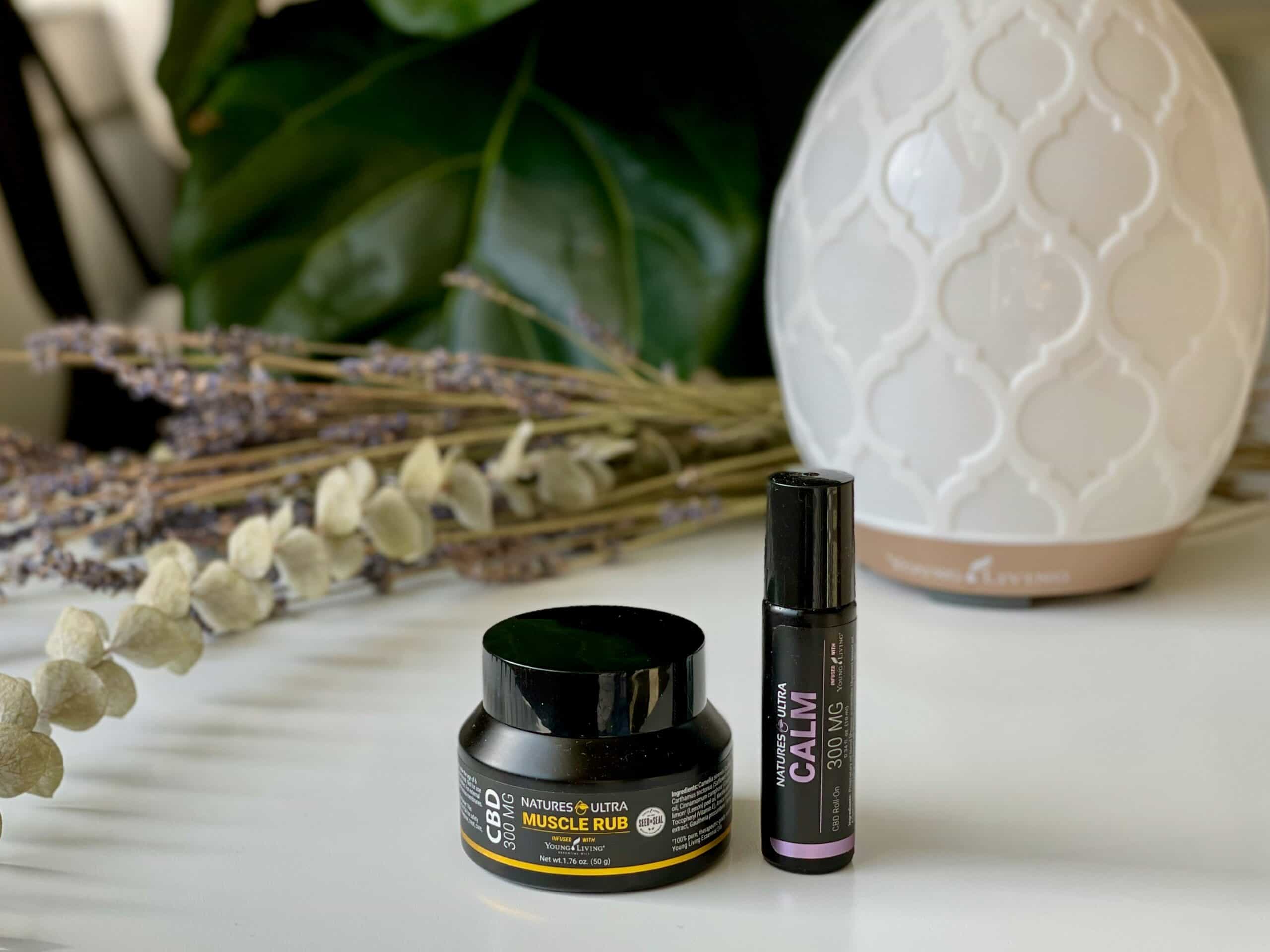
The best migraine balms and sticks deliver fast topical relief through menthol, peppermint oil, and other cooling agents that interact with the skin’s temperature receptors and nerve pathways above your temples, forehead, and neck. Unlike oral medications that take 30-60 minutes to enter the bloodstream and produce effects, topical balms work within minutes, the cooling sensation begins immediately, and the muscle-relaxing effects build over the next 5-15 minutes. For migraine sufferers who need fast intervention without the systemic effects of oral medications, balms and sticks fill a critical gap in the migraine relief toolkit. For a related option, see our guide to roll-on migraine relief.
The challenge is that the migraine balm category contains everything from clinically-tested formulations to essentially-scented petroleum jelly with marketing claims. Some balms produce genuine therapeutic-strength cooling that distracts from migraine pain effectively; others produce a mild scent without meaningful relief. Some sticks include enough active ingredient concentration to actually work; others contain trace amounts that smell like peppermint without providing the cooling intensity that matters for migraine intervention.
This guide walks through the five best migraine balms and sticks available in 2026, the specific active ingredients that actually work topically for migraine, and how to use them most effectively. If you’re building a complete migraine intervention toolkit, our guides on best peppermint oil rollers for migraine and best essential oils for migraines cover complementary topical options.
Why migraine balms and sticks work for some attacks
Topical migraine treatments work through several mechanisms that are well-documented in pain research:
Cooling counter-stimulation: Menthol activates TRPM8 cold receptors in the skin, creating intense cooling sensations that compete with pain signals for nervous system attention. This counter-stimulation effectively distracts the nervous system from migraine pain.
Vasoconstriction: Cooling causes mild vasoconstriction in surface blood vessels, which can help with the vascular component of migraine pain at the temples and forehead.
Muscle relaxation: Many migraine attacks involve neck and shoulder tension that contributes to pain. Topical menthol and other cooling agents help relax these muscles when applied to the back of the neck and trapezius area.
Aromatherapy effects: The strong scent of peppermint and eucalyptus has documented relaxation effects, which can reduce the stress amplification that often accompanies migraines.
The combination of these mechanisms produces relief that’s comparable to mild oral analgesics for many sufferers, with much faster onset and no systemic side effects.
What to look for in the best migraine balms and sticks
The migraine balm category contains massive quality differences. Here’s what separates effective products from marketing-focused alternatives.
Therapeutic-grade active ingredient concentration
Effective migraine balms contain meaningful concentrations of cooling/analgesic ingredients:
Menthol: 5-15% concentration for therapeutic effect. Peppermint oil: Concentrated essential oil, not diluted scent. Eucalyptus oil: Therapeutic-grade essential oil. Camphor: Often included alongside menthol for a synergistic effect
Avoid products that list ingredients vaguely (“contains essential oils”) or show concentrations below therapeutic ranges.
Stick vs balm form factor
Stick form: Twist-up or push-up applicator. Easy to apply without touching the product. Travel-friendly. Less mess.
Balm form: Jar or tin with finger application. More products per purchase. Allows for a thicker application. Can be messy.
Roll-on: Liquid in roller-ball applicator. Smooth application. Often combined with carrier oils.
For migraine use specifically, sticks are usually most practical, they’re easy to use during attacks (no mess, one-handed operation, fits in pocket or purse).
Quality of carrier ingredients
Active ingredients need carriers (waxes, oils) that don’t irritate skin or interfere with active effects. Look for:
Beeswax as a stable, skin-friendly base, Shea butter for skin nourishment, Coconut oil as a natural carrier, Jojoba oil for sensitive skin
Avoid:
- Petroleum jelly (occlusive but may slow active ingredient delivery)
- Excessive synthetic preservatives
- Fragrances beyond the active ingredients
- Common allergens for sensitive users
Skin-safe formulation
Migraines often affect already-sensitive skin (especially during attacks when allodynia is present). Look for:
- pH-balanced formulations
- No artificial dyes
- No common allergens (fragrance, lanolin, parabens)
- Hypoallergenic certification
Portability and durability
Migraine balms need to travel:
- Pocket-sized for purses, bags, or pockets
- Sealed packaging that doesn’t leak
- Temperature-stable (won’t melt in hot cars)
- Durable container that won’t break
Pricing reality
Budget tier ($5-10): Adequate basic cooling, may have lower active ingredient concentrations.
Mid-tier ($10-20): Therapeutic-grade ingredients, good portability, reliable formulations.
Premium tier ($20+): Highest quality ingredients, specialty formulations, often clinical research backing.
The price-to-effectiveness curve is genuinely steep, you don’t need premium pricing for excellent results, but very budget options often disappoint.
Best migraine balms and sticks in 2026: our top 5 picks
1. Tiger Balm Migraine Relief Stick, Best Overall
Best migraine balm and stick overall | Price: ~$10
Check Price on AmazonThe Tiger Balm Migraine Relief Stick earns the top recommendation through its combination of clinically-validated active ingredients (menthol 6%, camphor 11%), convenient stick format, accessible pricing, and the strongest brand reputation in topical pain relief. The formulation has been refined over decades and represents the standard against which other migraine balms are measured.
Tiger Balm’s proven formulation
The migraine-specific stick contains:
- Menthol 6% (therapeutic concentration)
- Camphor 11% (synergistic with menthol)
- Cajeput oil (additional cooling)
- Clove oil (mild analgesic)
- Mint oil (aromatherapy effect)
This combination produces a strong cooling effect and meaningful analgesic action. Application to temples, forehead, and back of neck provides relief in 5-15 minutes for many migraine sufferers.
Stick format advantages
The twist-up stick design provides:
- Mess-free application
- One-handed operation during attacks
- Pocket/purse portability
- Reliable dispensing without product waste
- Long shelf life (typically 2+ years)
Application versatility
The same stick can be used for:
- Migraine relief (temples, forehead)
- Tension headache (back of neck)
- Muscle soreness (shoulders, back)
- Sinus congestion (under nose, chest)
This versatility makes it useful beyond just migraine intervention.
Pricing and availability
At ~$10, Tiger Balm represents excellent value for therapeutic-grade ingredients. Wide availability at pharmacies, grocery stores, and online retailers makes it easy to acquire.
Best for: Most migraine sufferers, on-the-go intervention, those wanting proven brand reliability, value-conscious buyers, and multi-purpose pain relief needs.
PROS:
- Therapeutic concentration of menthol and camphor
- Strong brand reputation
- Convenient stick format
- Reasonable pricing
- Wide availability
- Versatile beyond migraine use
- Long shelf life
CONS:
- Strong scent some find overwhelming
- Camphor is not appropriate for pregnancy
- Can cause skin sensitivity in rare cases
- Less specialty-focused than dedicated migraine products
- Standard formulation (not customized for severe attacks)
2. Migrastil Migraine Stick, Best Specialty Migraine Formulation
Best specialty migraine stick | Price: ~$15
Check Price on AmazonMigrastil Migraine Stick was specifically formulated for migraine relief by aromatherapists, combining peppermint, lavender, and spearmint essential oils in a roller stick designed for temple and forehead application. The migraine-specific formulation produces relief without the strong camphor scent of more traditional balms.
Migrastil’s migraine-specific formulation
The stick contains:
- Peppermint essential oil (cooling and analgesic)
- Lavender essential oil (calming, headache reduction)
- Spearmint essential oil (gentle cooling)
- Fractionated coconut oil (smooth application)
The formulation was specifically designed for migraine use rather than general pain relief. The scent profile is more pleasant than camphor-heavy alternatives.
Roller-stick application
The metal roller-ball applicator provides:
- Cooling sensation from the metal contact
- Smooth application without mess
- Precise targeting of temples and forehead
- Hygienic application without finger contact
Aromatherapy benefits
The lavender component provides genuine calming effects that complement the cooling action. For migraines triggered or amplified by stress, this combination addresses both the physical and psychological components.
Smaller size considerations
Migrastil sticks are smaller than the Tiger Balm format. This affects:
- More frequent replacement is needed
- Better portability (fits anywhere)
- Lower cost per stick but higher cost per gram
Best for: Sufferers preferring lavender/peppermint scents, those sensitive to camphor, aromatherapy enthusiasts, and premium-focused buyers.
PROS:
- Migraine-specific formulation
- Pleasant essential oil scent profile
- Roller-ball metal applicator
- Includes lavender for stress relief
- Specialty aromatherapy focus
- Travel-friendly size
CONS:
- Smaller size requires more frequent replacement
- Premium pricing for specialty formulation
- Limited availability vs mainstream brands
- Less concentrated active ingredients than Tiger Balm
- Single-use focused (less versatile than alternatives)
3. Badger Headache Soother, Best Natural/Organic
Best natural migraine balm | Price: ~$8
Check Price on AmazonFor sufferers wanting USDA-certified organic ingredients with genuine therapeutic effect, Badger Headache Soother delivers organic peppermint, eucalyptus, and rosemary in a balm format. The Badger company specializes in natural personal care products with documented quality standards.
Badger’s organic certification
The Headache Soother is USDA-certified organic, which means:
- All ingredients verified organic
- No synthetic pesticides in source materials
- Strict purity standards
- Documented organic supply chain
For sufferers prioritizing natural products, this certification is meaningful.
Therapeutic ingredient profile
The balm contains:
- Organic peppermint oil (cooling)
- Organic eucalyptus oil (decongesting)
- Organic rosemary oil (mild analgesic)
- Organic beeswax (carrier)
- Organic olive oil (carrier)
The concentrations are therapeutic without being overwhelming.
Tin packaging considerations
The 0.6oz tin format:
- Lasts longer than smaller stick formats
- Allows finger application for varying coverage
- Doesn’t have a stick mechanism that can fail
- Less travel-friendly than sticks
Brand consistency
Badger has been making natural personal care products for decades. The brand’s commitment to organic ingredients and natural formulations is consistent across its product line.
Best for: Natural product enthusiasts, those wanting organic certification, balm format preferences, longer-lasting product, and lower-cost organic option.
PROS:
- USDA-certified organic
- Therapeutic essential oil concentrations
- Long-lasting tin format
- Reasonable pricing for organic
- Natural ingredient profile
- Versatile application
- Strong brand consistency
CONS:
- Tin format is less portable than sticks
- Requires finger application (not ideal during severe attacks)
- Less concentrated active ingredients than Tiger Balm
- Doesn’t include camphor (some find this important)
- Smaller size relative to mainstream alternatives
4. White Tiger Balm, Best Maximum Strength
Best maximum-strength migraine balm | Price: ~$8
Check Price on AmazonFor severe migraines requiring maximum cooling intervention, White Tiger Balm delivers the highest concentration of menthol and camphor in the Tiger Balm family. At 8% menthol and 11% camphor, it produces a stronger cooling sensation than most alternatives.
Maximum cooling formulation
White Tiger Balm contains:
- Menthol 8% (higher than standard Tiger Balm Stick)
- Camphor 11%
- Cajeput oil
- Mint oil
- Clove oil
The higher menthol concentration produces a more intense cooling sensation, which provides stronger counter-stimulation for severe migraines.
Tin format reality
White Tiger Balm comes in a tin format rather than a stick:
- Apply with a finger or a cotton swab
- Smaller amount needed per application
- Long shelf life
- Travel-friendly tin design
- Allows precise application to specific areas
Severe migraine intervention
For severe migraine attacks where standard products feel inadequate, the maximum strength formulation provides:
- Stronger initial cooling sensation
- Longer-lasting effect
- More intense aromatherapy
- Better counter-stimulation against severe pain
Application care
The higher menthol concentration requires more careful application:
- Smaller amounts initially
- Avoid eye area (can cause stinging)
- Test on a small area for sensitivity
- Don’t use on broken skin
Comparison with red Tiger Balm
White Tiger Balm differs from the more common Red Tiger Balm:
- White: Cleaner scent, focuses on cooling
- Red: Stronger warming sensation, contains capsicum
- For migraine: White is typically preferred (cooling > warming)
Best for: Severe migraine attacks, those needing maximum intensity, experienced topical balm users, and sufferers who find standard products inadequate.
PROS:
- Highest menthol concentration in our guide
- Strongest cooling sensation
- Long-lasting effect
- Strong brand reputation
- Affordable pricing
- Tin format with controlled application
- Better for severe migraines
CONS:
- Strong intensity may be too much for some
- Tin format less convenient than sticks
- Requires careful application
- Camphor is not appropriate for pregnancy
- Strong scent some find overwhelming
- Risk of skin sensitivity at high concentrations
5. Plant Therapy Headache Relief Roll-On, Best Roll-On Format
Best roll-on migraine relief | Price: ~$12
Check Price on AmazonFor sufferers who prefer roll-on application over sticks or balms, Plant Therapy Headache Relief Roll-On combines essential oils in a roller-ball applicator that provides both the cooling sensation and the smooth application some sufferers prefer.
Roll-on application benefits
The roller-ball applicator provides:
- Smooth, controlled application
- Hygienic distribution (no finger contact)
- Cool metal/plastic ball contact adds to the cooling sensation
- Easy precision targeting
- Less product waste than balm jars
Plant Therapy formulation
The roll-on contains:
- Peppermint essential oil
- Lavender essential oil
- Eucalyptus essential oil
- Rosemary essential oil
- Fractionated coconut oil (carrier)
The combination provides cooling, calming, and mild analgesic effects in one product.
Plant Therapy quality standards
Plant Therapy is known for:
- GC/MS testing of essential oils for purity
- Certified aromatherapist formulation oversight
- Transparent ingredient sourcing
- Reasonable pricing for quality
Practical use cases
Roll-on format works well for:
- Initial migraine intervention (apply at first warning signs)
- Stress-related headaches (lavender helps)
- Office or workplace use (subtle scent)
- Travel applications (small bottle)
- Multiple application points (temples, forehead, neck, behind ears)
Best for: Roll-on format preference, aromatherapy enthusiasts, office use, those wanting smooth application, and sufferers preferring lavender-based formulations.
PROS:
- Smooth roll-on application
- Quality essential oil sourcing
- Multiple aromatherapy benefits
- Hygienic dispensing
- Subtle scent appropriate for public use
- Quality brand standards
- Travel-friendly bottle
CONS:
- Less concentrated than balm formats
- Bottle is glass (breakage risk in pack)
- Roller-ball can clog with thick oils
- Premium pricing for essential oil blends
- Smaller volume than tin alternatives
- Liquid formulation can leak in the heat
Quick comparison of the best migraine balms and sticks
- Tiger Balm Migraine Relief Stick, best overall, proven formulation, ~$10
- Migrastil Migraine Stick, best specialty formulation, lavender/peppermint, ~$15
- Badger Headache Soother, best natural/organic, USDA-certified, ~$8
- White Tiger Balm, best maximum strength, high menthol concentration, ~$8
- Plant Therapy Headache Relief Roll-On, best roll-on format, multi-oil blend, ~$12
How to use migraine balms and sticks effectively
Proper application matters as much as product choice. Here’s the evidence-based approach.
Application points
Apply to multiple specific locations for maximum effect:
Temples: The most common application point. Gentle circular motion at the soft area between the eyebrow and the hairline.
Forehead: Across the forehead, particularly the area above the eyebrows, where tension often accumulates.
Back of neck: At the base of the skull and along the trapezius muscles. Particularly effective for the tension component of migraines.
Behind the ears: Sensitive area where cooling sensation registers strongly.
Under the nose: Provides aromatherapy without direct migraine action.
Timing matters
Best timing: Apply at the first signs of migraine (prodrome phase). The cooling action and aromatherapy can sometimes prevent attack progression.
Acceptable timing: Apply within the first hour of pain onset for best results.
Less effective: Application during severe established migraines provides relief but less dramatic effect than early intervention.
Application technique
- Apply a small amount to the fingertip or use the stick directly
- Massage gently into temples for 30-60 seconds
- Apply to the forehead with light pressure
- Apply to the back of the neck with broader strokes
- Allow 5-10 minutes for the full effect to develop
- Reapply if needed every 1-2 hours
Combining with other interventions
Topical balms work synergistically with:
- Cool compress: Apply balm, then cold pack for compounded cooling
- Quiet, dark room: Reduce sensory triggers while the balm works
- Hydration: Many migraines worsen with dehydration
- Caffeine (in moderation): Mild caffeine can complement topical relief
For severe migraines, our best migraine relief products guide covers the broader category of interventions.
Avoiding problems
Never apply to broken skin – the active ingredients can cause a severe burning sensation on cuts or abrasions.
Avoid eye contact – menthol and camphor cause severe eye irritation. Wash hands thoroughly after application.
Don’t apply to nostrils – direct nostril contact with menthol can cause respiratory issues, especially in children.
Sensitivity test – apply a small amount to the wrist first, especially with new products.
Common mistakes migraine sufferers make with balms
Waiting until pain is severe
Topical balms work better at early migraine stages. Waiting until pain is severe reduces effectiveness.
Not applying enough product
Therapeutic effect requires meaningful coverage. Applying tiny amounts produces tiny effects.
Using on broken skin
Active ingredients on cuts or scratches cause intense burning. Always check skin condition before application.
Forgetting to remove the old product
A layered application without removing the previous product can over-concentrate ingredients and cause skin irritation.
Combining inappropriately with prescription medications
Most topical balms are safe with oral medications, but check with your healthcare provider for specific combinations.
Our verdict on the best migraine balms and sticks
The Tiger Balm Migraine Relief Stick is the right migraine balm for most sufferers. At ~$10, it delivers therapeutic-grade menthol and camphor in a convenient stick format, with the strongest brand reputation in topical pain relief. For everyday migraine intervention, this is the default recommendation.
Sufferers preferring lavender/peppermint scents over camphor should choose Migrastil Migraine Stick. The migraine-specific formulation and roller-ball applicator provide a quality alternative.
Natural product enthusiasts should choose Badger Headache Soother for USDA-certified organic ingredients in a tin format.
For severe migraines requiring maximum intensity, White Tiger Balm provides the highest menthol concentration in our guide.
Roll-on format preferences are well-served by Plant Therapy Headache Relief Roll-On with quality essential oil blends.
Whatever you choose, keep your migraine balm accessible, in your purse, car, work bag, or pocket, so you can use it during early intervention windows when topical treatments are most effective. For complete migraine intervention strategies, our guides on best peppermint oil rollers for migraine and top migraine triggers guide cover complementary approaches.
Frequently asked questions about the best migraine balms and sticks
What’s the best migraine balm or stick?
Tiger Balm Migraine Relief Stick is the best migraine balm and stick for most sufferers at ~$10. It delivers therapeutic concentrations of menthol (6%) and camphor (11%) in a convenient stick format with the strongest brand reputation in topical pain relief. Migrastil Migraine Stick at ~$15 is the best specialty formulation. Badger Headache Soother at ~$8 is the best natural/organic option. The right choice depends on your scent preferences and intensity needs.
How quickly do migraine balms work?
Quality migraine balms produce a cooling sensation within 30-60 seconds of application. The full therapeutic effect develops over 5-15 minutes. This is dramatically faster than oral medications (30-60 minutes for systemic effect). For early migraine intervention (prodrome or first hour of attack), topical balms can provide meaningful relief faster than oral alternatives.
Can I use migraine balm during pregnancy?
Some migraine balms are pregnancy-safe; others contain ingredients (especially camphor) that are not recommended. Always consult your healthcare provider before using any migraine product during pregnancy. Generally safer alternatives include peppermint and lavender essential oil products without camphor. Avoid Tiger Balm products and high-concentration menthol formulations during pregnancy unless approved by your physician.
Where should I apply migraine balm for the best results?
Apply to temples (between eyebrow and hairline), across the forehead, and at the base of the skull/neck. Multiple application points provide a compounded effect. Use gentle circular motions for 30-60 seconds at each site. For tension-related migraines, also apply to the trapezius muscles between the neck and the shoulders. Avoid eye contact and broken skin.
Are migraine balms safe to use with oral migraine medications?
Generally yes. Topical migraine balms work locally and don’t significantly interact with oral medications. The combination of fast topical relief plus longer-acting oral medication often produces better results than either alone. However, consult your healthcare provider about specific combinations, particularly if you take prescription migraine medications or have skin sensitivities.
How long does a migraine balm stick last?
Quality migraine balm sticks last 6-12 months with regular use, depending on application frequency and stick size. Store in cool, dry locations to maintain potency, heat reduces active ingredient effectiveness. Most sticks have visible “use by” dates. Replace when scent diminishes noticeably or cooling sensation reduces, even before expiration date.
This is general information, not medical advice, and these products may ease symptoms but do not treat or prevent migraine. See a doctor for persistent or severe migraine.
More Migraine Relief Guides
Sources
- Headache Classification Committee of the International Headache Society. The International Classification of Headache Disorders, 3rd edition. Cephalalgia. 2018;38(1):1-211. https://ichd-3.org/
- National Institute of Neurological Disorders and Stroke. Migraine. National Institutes of Health. https://www.ninds.nih.gov/health-information/disorders/migraine
- Lipton RB, Bigal ME, Diamond M, et al. Migraine prevalence, disease burden, and the need for preventive therapy. Neurology. 2007;68(5):343-349. https://www.neurology.org/
