
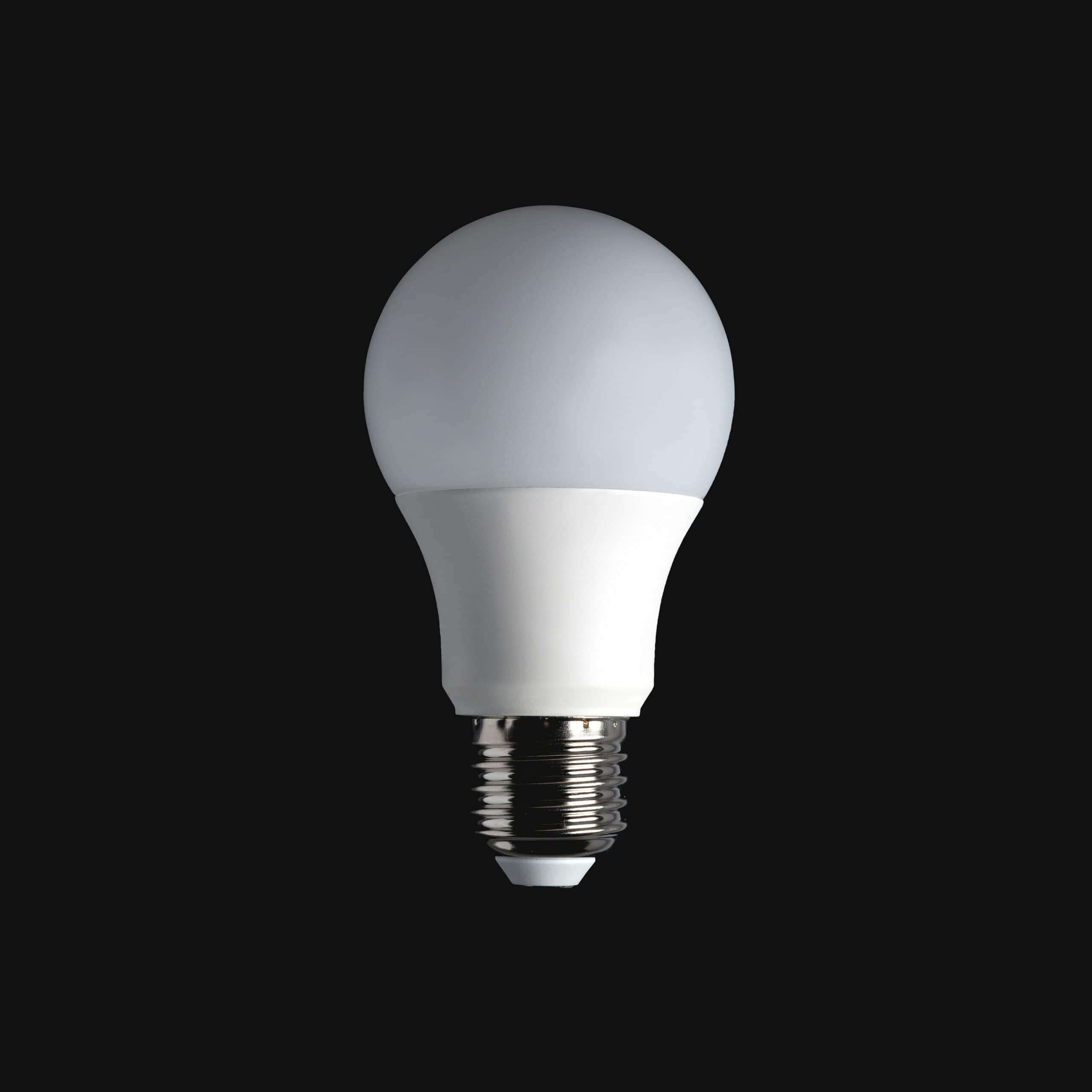
Harsh overhead lighting and the subtle flicker of some bulbs are common complaints among people who get migraines. The best flicker-free bulbs for migraine aim to reduce that flicker and offer warm, dimmable light that feels easier on sensitive eyes, working alongside tools like our migraine glasses for light sensitivity. These are environmental comfort choices, not medical treatments, so think of them as one way to make a space gentler while you follow a plan set with your doctor.
Quick Verdict
For most people, a warm, dimmable LED bulb marketed as flicker-free is the simplest upgrade for a sensitive space. If you want control over brightness and color, flicker-free smart bulbs let you dim and warm the light to whatever feels comfortable, though neither treats migraine.
Key Takeaways
- Flicker-free and low-flicker bulbs are comfort and environment choices, not migraine treatments.
- Some people with migraine report sensitivity to flicker and harsh lighting.
- Warm color temperature and dimmability tend to feel gentler than bright, cool light.
- Quality dimmable LEDs reduce flicker, but cheap bulbs on dimmers can flicker more.
- Talk to your doctor about migraine management; lighting is a supportive change, not a cure.
How We Picked the Best Flicker-Free Bulbs
We looked at flicker-free or low-flicker design, warm color options, dimmability, and compatibility with common dimmers. We framed lighting as an environmental comfort choice rather than a treatment, in line with individualized, physician-guided migraine care1.
We included standard warm LEDs, filament-style bulbs, and smart bulbs so different rooms and preferences are covered. Because light sensitivity varies between people, we avoided efficacy claims and focused on comfort features2.
Warm Dimmable Flicker-Free LED Bulb
Why It Stands Out
A quality warm LED bulb marketed as flicker-free is the easiest swap for a sensitive room, giving soft, steady light. Dimmable versions let you keep brightness low and comfortable.
Worth Knowing
Flicker performance depends on bulb quality and the dimmer it is paired with, so check both. Choose warm color temperatures over cool white for a gentler feel.
It suits most people wanting a simple, comfortable lighting upgrade. Skip it if you want app control over color and brightness.
Filament-Style LED Bulb
Why It Stands Out
Filament-style LED bulbs mimic the warm glow of old incandescents while running cooler and more efficiently. Their warm, mellow light is popular with people who find modern white LEDs harsh.
Worth Knowing
As with any LED, flicker depends on quality and the dimmer used. The vintage look is warm but can be dimmer than standard bulbs at the same setting.
It fits people who like a soft, warm ambiance in living spaces. Pass if you need bright task lighting.
Flicker-Free Smart Bulb
Why It Stands Out
A flicker-free smart bulb lets you dim and adjust color temperature from an app or schedule, so you can warm and soften the light to taste. The fine control suits people who want to dial in exactly what feels comfortable.
Worth Knowing
Smart bulbs cost more and rely on an app or hub. Confirm the model is described as flicker-free, since not all are.
It suits tech-friendly users who want full control of brightness and warmth. Skip it if you prefer a simple bulb without an app.
Warm Color-Temperature Floor Lamp Bulb
Why It Stands Out
Pairing a warm, flicker-free bulb with a lamp lets you light a room indirectly instead of with harsh overhead fixtures. Indirect, warm light is often more comfortable than bright ceiling lighting.
Worth Knowing
This is about how you light a space as much as the bulb itself. You may need a lamp that accepts dimmable bulbs to get the most benefit.
It fits people who want to move away from overhead lighting. Pass if you can only use ceiling fixtures.
Low-Color-Temperature Bedroom Bulb
Why It Stands Out
A low-color-temperature bulb in the bedroom gives a warm, dim glow that is gentle in the evening and less stimulating before sleep. It suits a calm, light-sensitive wind-down space.
Worth Knowing
Very warm, dim bulbs are for ambiance, not bright tasks. Pair with a dimmer or a lamp for the softest effect.
It suits bedrooms and evening relaxation. Skip it for spaces needing bright, functional light.
Flicker-Free Dimmer-Compatible Bulb Set
Why It Stands Out
A multipack of dimmer-compatible, flicker-free bulbs makes it easy to outfit a whole room consistently. Buying a matched set avoids mixing bulbs that behave differently on a dimmer.
Worth Knowing
Match the set to your dimmer type for the smoothest, lowest-flicker dimming. Whole-room consistency is the main advantage.
It fits people redoing a full room’s lighting at once. Pass if you only need a single bulb.
Flicker-Free Bulb Comparison at a Glance
| Pick | Type | Best for | Trade-off |
|---|---|---|---|
| Warm dimmable LED | Standard | Simple upgrade | Pair with good dimmer |
| Filament-style LED | Vintage warm | Cozy ambiance | Dimmer output |
| Flicker-free smart bulb | Smart | Full control | Costs more, needs app |
| Lamp bulb | Indirect lighting | Avoiding overheads | Needs a lamp |
| Low-color-temp bulb | Warm, dim | Bedrooms, wind-down | Not for bright tasks |
| Dimmer-compatible set | Multipack | Whole-room consistency | Match your dimmer |
How to Choose a Flicker-Free Bulb
Look for Flicker-Free Labeling and Quality
Favor bulbs specifically described as flicker-free or low-flicker from reputable makers, since cheap bulbs vary. Quality drivers inside the bulb are what reduce flicker, especially when dimmed.
Choose Warm, Dimmable Light
Warm color temperatures and dimmability let you keep light soft and low, which many light-sensitive people prefer. Bright, cool light tends to feel harsher.
Check Dimmer Compatibility
A good bulb can still flicker on an incompatible dimmer, so match the bulb to your dimmer type. If you dim often, this pairing matters as much as the bulb.
Rethink How You Light the Room
Indirect lamps and lower overall brightness often feel gentler than bright overhead fixtures. Combine comfortable bulbs with other steps, and see our overview of how stress triggers migraines for another common factor.
LED vs Fluorescent Lighting for Sensitivity
LED: More Control, Variable Quality
Quality flicker-free LEDs offer warm, dimmable light and run efficiently, giving you control over brightness and color. The catch is that cheap LEDs and mismatched dimmers can still flicker, so quality matters.
Fluorescent: Often Flagged by Sensitive People
Older fluorescent lighting is frequently mentioned by people sensitive to flicker and harsh light. Replacing fluorescents with warm, flicker-free LEDs is a common way people try to make a space more comfortable.
Recommended Reading
- Best light-filtering window film for migraine
- Best night lights for migraine-friendly bedrooms
- Best blackout curtains for migraine relief
- dimmers that avoid flicker
Common Flicker-Free Bulb Mistakes to Avoid
A few choices undercut the benefit of better bulbs.
Pairing Good Bulbs With a Bad Dimmer
An incompatible dimmer can make even a quality bulb flicker. Match the bulb to your dimmer type, or replace an old dimmer designed for incandescents.
Choosing Cool, Bright Light
Bright, cool-white bulbs can feel harsh to sensitive eyes. Pick warm color temperatures and keep brightness dimmable and low where you can.
Expecting Bulbs to Treat Migraine
Comfortable lighting may make a space easier to be in, but it is not a treatment. Keep your medical plan central and treat lighting as a supportive change.
Ignoring the Rest of the Environment
Screens, glare, and overhead fixtures all add up, so bulbs are only part of the picture. Combine flicker-free bulbs with screen and window adjustments for a gentler space overall.
Frequently Asked Questions
What are the best flicker-free bulbs for migraine?
For most people, a warm, dimmable LED bulb described as flicker-free is the simplest comfortable upgrade. For full control of brightness and color, a flicker-free smart bulb lets you fine-tune the light, though neither treats migraine itself.
Can lighting trigger migraines?
Some people with migraine report sensitivity to harsh light and flicker, though triggers are individual. Comfortable, warm, low-flicker lighting may make a space easier to be in, but it is a supportive change, not a treatment, so discuss management with your doctor.
Are LED bulbs flicker-free?
Not all of them. Quality LEDs designed as flicker-free reduce flicker, but cheaper bulbs, especially on incompatible dimmers, can flicker noticeably. Look for flicker-free labeling from reputable brands and matched dimmers for the steadiest light.
What color temperature is best for light sensitivity?
Many light-sensitive people prefer warm, low color temperatures over bright cool white, since warm light tends to feel gentler. Dimmability helps too, letting you keep brightness comfortably low in sensitive spaces.
Will flicker-free bulbs stop my migraines?
No, they are an environmental comfort choice, not a cure. They may make a room more comfortable for someone sensitive to light, but migraine management should come from your doctor, with lighting as one supportive piece.
Do I need special dimmers for flicker-free bulbs?
Often yes, since an old dimmer made for incandescent bulbs can cause LEDs to flicker. Check that your bulb and dimmer are compatible, or choose a non-dimmable warm bulb if you do not need dimming.
When should I see a doctor about my migraines?
See a doctor if your headaches are new, severe, frequent, or changing, or come with symptoms like vision changes, weakness, or confusion. A clinician can diagnose the cause and create a plan, which lighting changes cannot.
This article is for general information only and is not medical advice. It does not diagnose, treat, or replace care from a qualified healthcare professional. Talk to your doctor about diagnosis and management of migraine or any persistent or severe headache.
More Migraine Guides
Sources
- American Headache Society. https://americanheadachesociety.org/ (Patient and professional resources on migraine and headache.)
- International Classification of Headache Disorders (ICHD-3). https://ichd-3.org/ (Reference classification for migraine and headache disorders.)
Home offices need a full lighting plan. migraine-friendly office lighting covers flicker, glare, and color temperature.
For the wider picture, see our guide to how to choose migraine glasses.
